NATO allies, Ukraine and Israel paid tribute to U.S. Sen. Lindsey Graham as a friend, partner and advocate of trans-Atlantic ties on Sunday, praising a politician who was a high-profile figure in global foreign policy before and during the era of President Donald Trump.
The Republican senator had visited Ukraine just before his death and announced an agreement on Friday with the Trump administration to move forward on a package of sanctions against Russia.
Click to Gallery
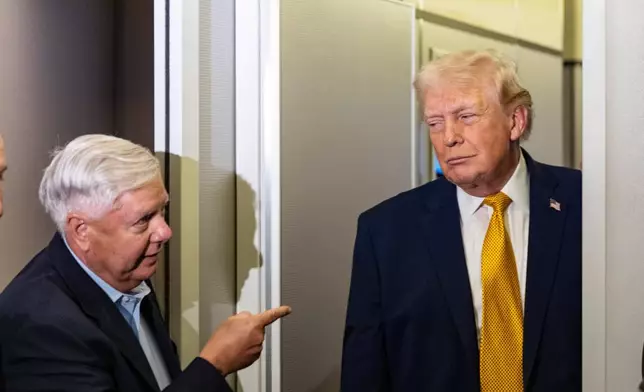
FILE - Sen. Lindsey Graham, R-S.C., left, gestures as President Donald Trump speaks with reporters while in flight on Air Force One, Jan. 4, 2026, as they were returning to Joint Base Andrews, Md. (AP Photo/Alex Brandon, File)
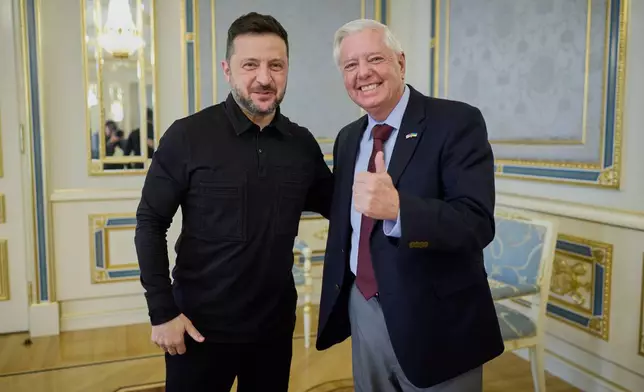
In this photo provided by the Ukrainian Presidential Press Office, Ukrainian President Volodymyr Zelenskyy, left, and U.S. Sen. Lindsey Graham, R-S.C. in Kyiv, Ukraine, Friday, July 10, 2026. (Ukrainian Presidential Press Office via AP)
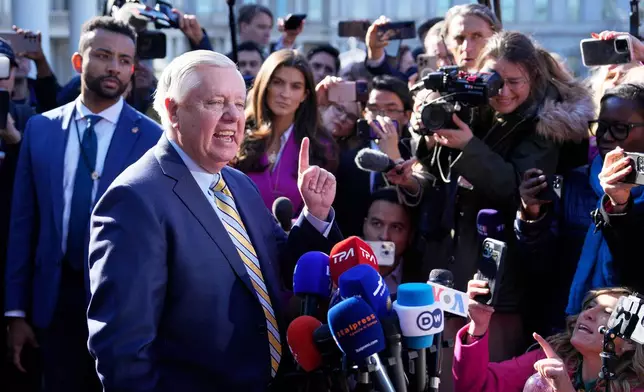
FILE - Sen. Lindsey Graham, R-S.C., speaks to reporters outside the West Wing of the White House in Washington, Feb. 28, 2025. (AP Photo/Ben Curtis, File)
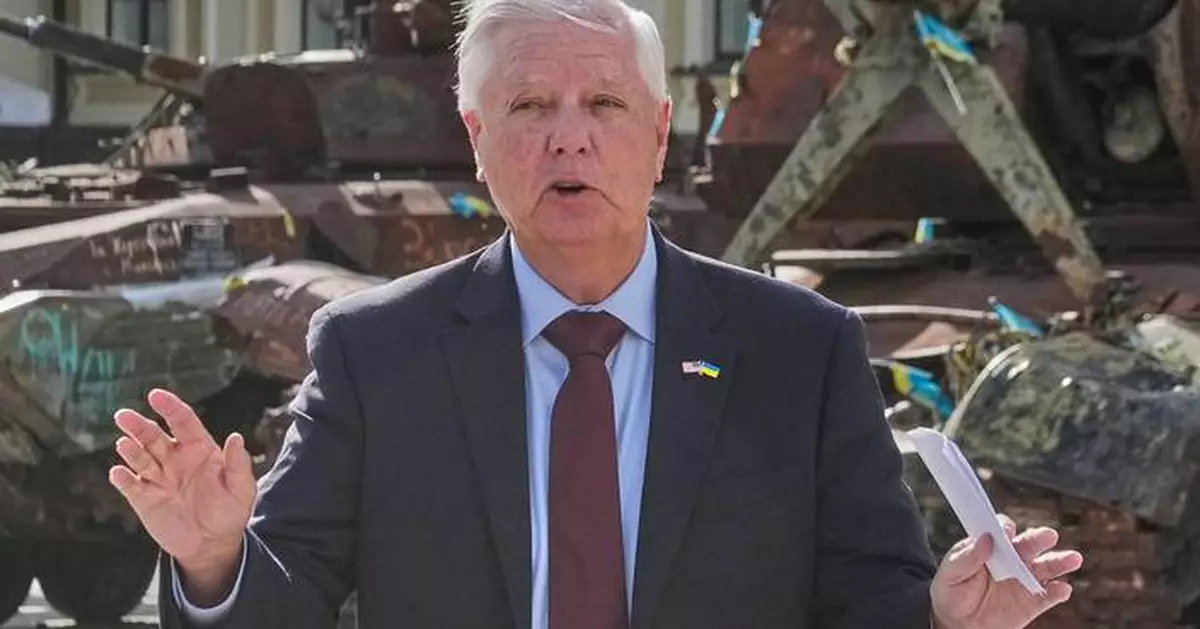
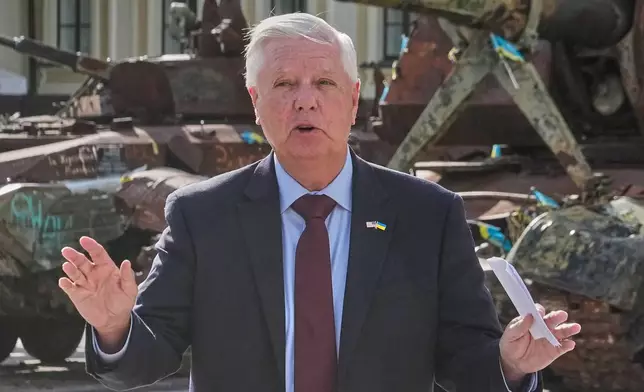
U.S. Sen. Lindsey Graham, R-S.C. answers a question from a media member near damaged Russian vehicles on display in central Kyiv, Ukraine, Friday, July 10, 2026. (AP Photo/Efrem Lukatsky)
President Volodymyr Zelenskyy said Graham, whom he met twice in the past week, visited Ukraine 10 times since Russia's full-scale invasion in 2022, and “was here with our people when it was most needed.” He said that “Lindsey was a true defender of freedom and the values that make our world safer.”
A one-time critic of Trump turned close ally, Graham drew tributes for his longtime commitment to NATO and trans-Atlantic friendship at a time when those ties have been under pressure.
NATO Secretary-General Mark Rutte said Graham was “a powerful advocate for America who believed strongly in the NATO Alliance and was actively working to bring an end to Russia’s war against Ukraine.” Rutte's predecessor, Jens Stoltenberg, lauded the South Carolina senator's “tireless commitment” to NATO and the trans-Atlantic bond, and his “staunch support” for Ukraine.
Graham commanded respect on NATO's eastern edge, where Russia's intentions are viewed with deep concern.
Estonia’s Foreign Minister Margus Tsahkna said that “Estonia will remember him as a steadfast friend, a strong supporter of NATO’s eastern flank, and an unwavering advocate for Ukraine.” Latvian counterpart Baiba Braže said that he was “among the strongest supporters of NATO and transatlantic relations (and) assistance to Ukraine in countering Russian aggression."
“His commitment to the values of democracy, security, and international partnership earned him the respect and gratitude of many across Europe,” Lithuanian Foreign Minister Kęstutis Budrys said. “His voice will be missed, but his legacy will endure.”
Finnish President Alexander Stubb called Graham “a personal friend. A supporter of @NATO and Ukraine. A Transatlanticist. A friend of Finland.”
And German Chancellor Friedrich Merz said he was “a true friend and partner of Germany in the transatlantic alliance. We stood side by side for more than four decades.”
Graham advised Trump on foreign policy matters such as Iran and Russia.
He had long backed policies aimed at isolating Iran and limiting its missile and nuclear programs, cheered Trump's decision to strike nuclear sites last year and was a supporter of the latest conflict.
Israeli Prime Minister Benjamin Netanyahu called him “a great friend of Israel” and “a cherished friend of mine.”
Netanyahu said Graham understood that the security of Israel and the United States is inseparable and devoted his life to defending America, strengthening the U.S.-Israel alliance and standing up for the free world.
“Israel has lost one of its greatest friends. America has lost a great patriot. I have lost a beloved friend,” Netanyahu said.
Michael Oren, who served as Israeli ambassador to the U.S. from 2009 to 2013, said Graham’s death removes a staunchly pro-Israel voice from Congress at a precarious time.
“You have a few Democrats and Republicans willing to stand up in Israel’s defense, but those type of people are few, it's not a body of people,” he said. "So when you lose someone like Lindsey Graham, it’s a diplomatic and strategic loss for the state of Israel.”
Iranian state television announced Graham’s death during a live broadcast in openly hostile terms.
“I congratulate the great nation of Iran on Lindsey Graham, the warmongering and anti-Iranian U.S. senator, having gone to hell,” the anchor said.
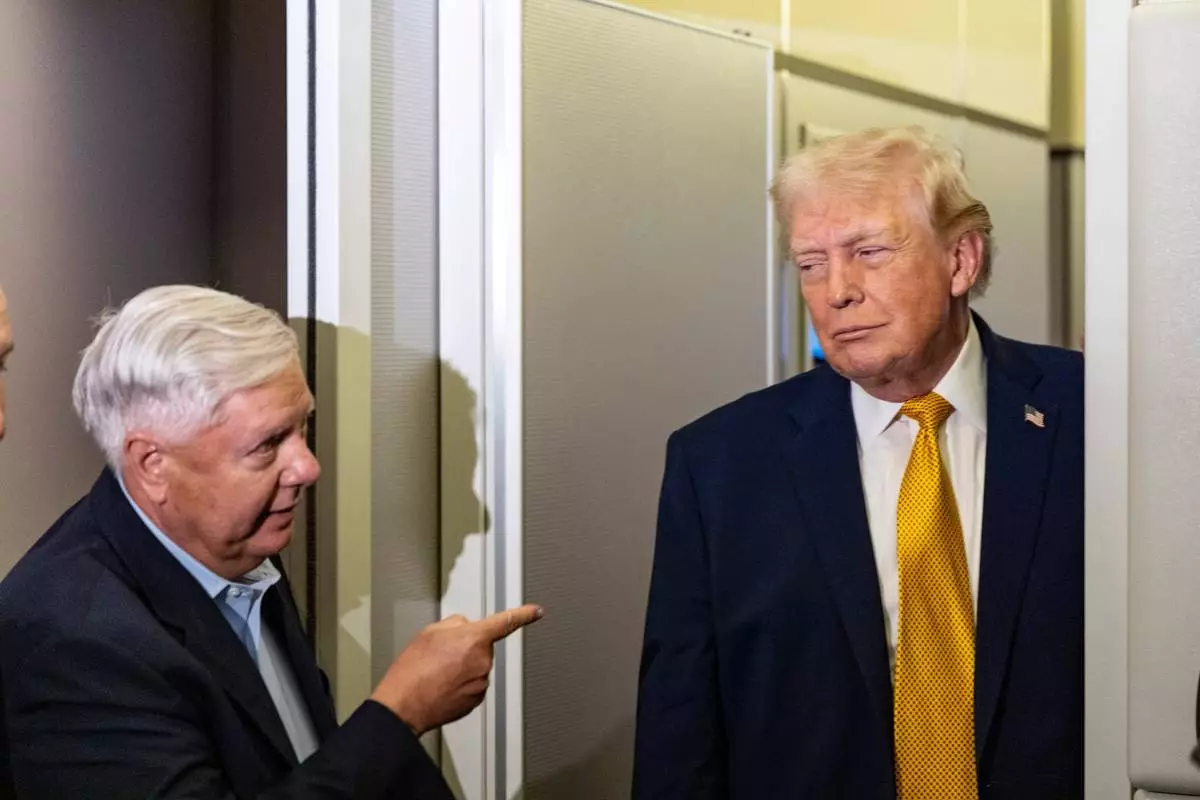
FILE - Sen. Lindsey Graham, R-S.C., left, gestures as President Donald Trump speaks with reporters while in flight on Air Force One, Jan. 4, 2026, as they were returning to Joint Base Andrews, Md. (AP Photo/Alex Brandon, File)
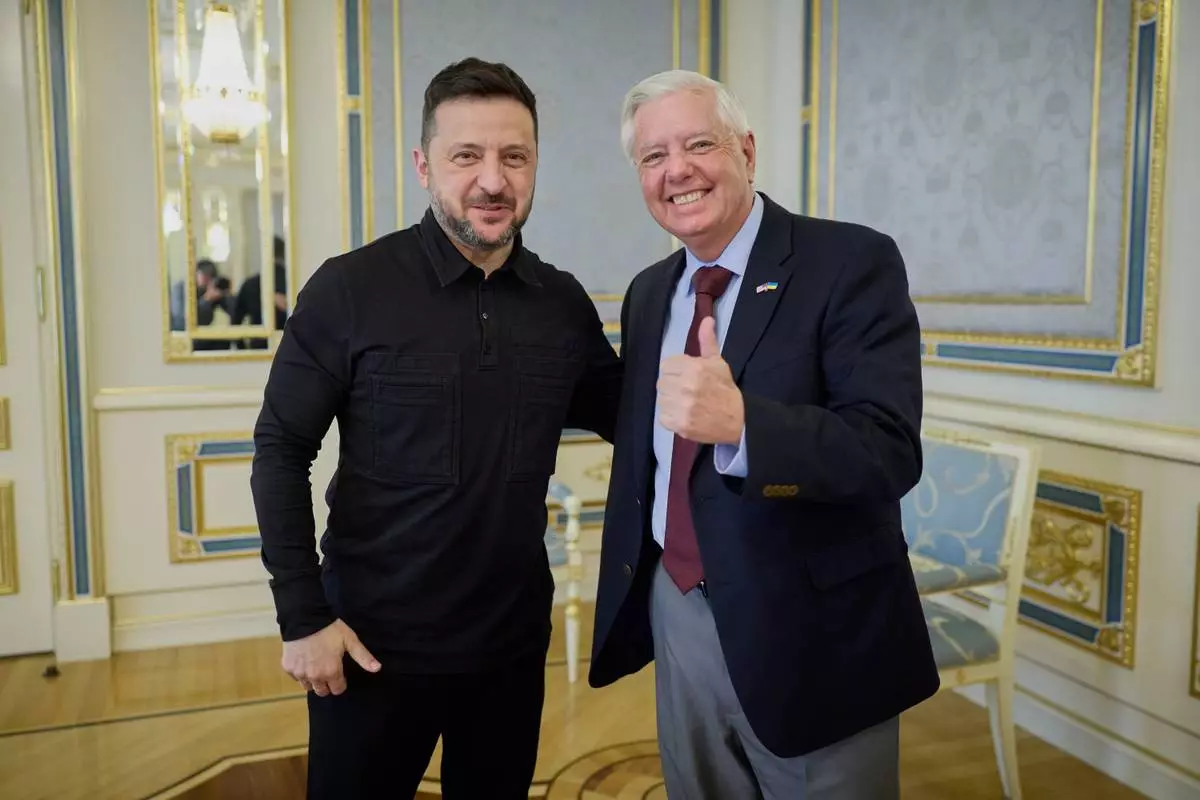
In this photo provided by the Ukrainian Presidential Press Office, Ukrainian President Volodymyr Zelenskyy, left, and U.S. Sen. Lindsey Graham, R-S.C. in Kyiv, Ukraine, Friday, July 10, 2026. (Ukrainian Presidential Press Office via AP)
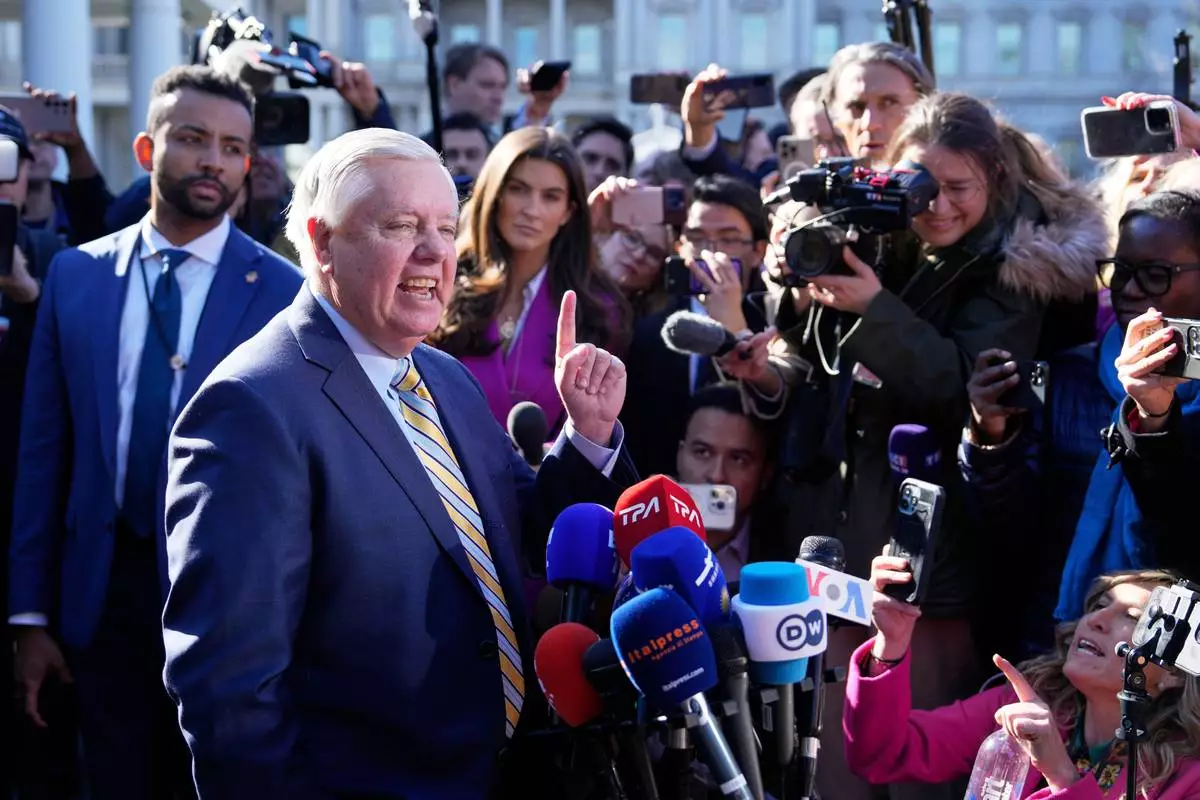
FILE - Sen. Lindsey Graham, R-S.C., speaks to reporters outside the West Wing of the White House in Washington, Feb. 28, 2025. (AP Photo/Ben Curtis, File)
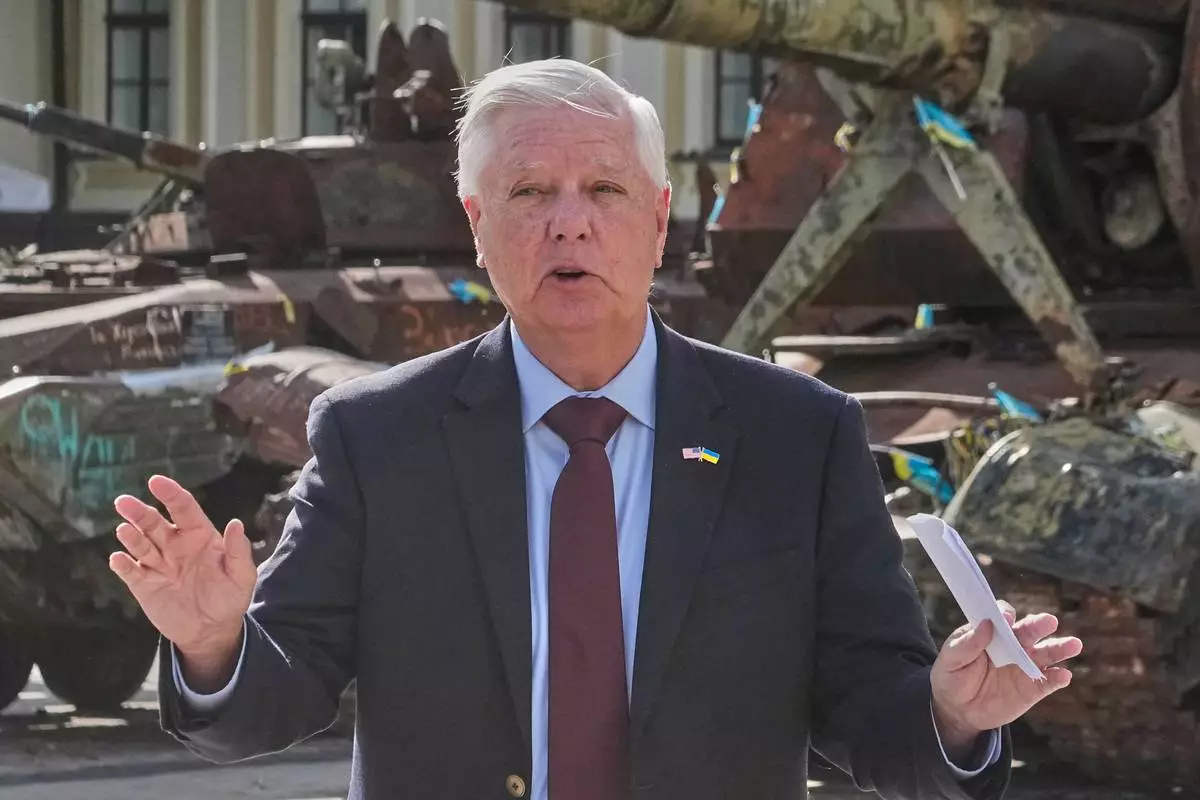
U.S. Sen. Lindsey Graham, R-S.C. answers a question from a media member near damaged Russian vehicles on display in central Kyiv, Ukraine, Friday, July 10, 2026. (AP Photo/Efrem Lukatsky)
DUBAI, United Arab Emirates (AP) — The United States attacked Iran early Sunday morning over an Iranian strike on a vessel in the Strait of Hormuz that set the container ship ablaze and forced its crew to abandon it. Iran responded with attacks targeting several countries in the Gulf, including Bahrain, Kuwait, Qatar and Oman.
The outburst of fighting raised new questions about efforts to reach a permanent end to a war that began on Feb. 28. The strait, a key transit route for oil and natural gas, has become the key sticking point in negotiations, and repeated fighting over the past week has left negotiations in danger of collapse.
The U.S. military’s Central Command said it hit some 140 targets in Sunday’s strikes, far more than in the two previous rounds of attacks, and went after missile and drone launch sites, ammunition dumps, communication equipment and other sites. It said the attacks would weaken Iran’s ability to threaten civilian shipping.
“Iran made a poor choice. Now they pay,” U.S. Defense Secretary Pete Hegseth wrote online.
The U.S. has launched three rounds of airstrikes targeting Iran in the last week over Iranian attacks on ships heading through the strait using a route seeking to avoid the Islamic Republic’s territorial waters. Iran retaliated by attacking nations in the region hosting U.S. military forces, while insisting it alone must control the strait and potentially charge vessels for traveling through it.
“The era of one-sided deals is OVER,” Mohammad Bagher Qalibaf, the speaker of Iran’s parliament and a main negotiator, wrote Sunday. “We told you: keep your word or pay the price. Reality is knocking.”
About a fifth of all traded oil and natural gas passed through the strait before the war began. Iran’s grip on it during the war led to a global energy crisis, though oil prices have sharply dropped since wartime highs of $120 a barrel.
Missile alerts sounded across several Gulf Arab nations early Sunday morning.
Qatar's military said it intercepted incoming Iranian fire, with explosions heard in the neighboring United Arab Emirates. Three people, including a child, were wounded as a result of falling shrapnel from the interception of Iranian attacks, Qatar's Interior Ministry said, giving no further details on their conditions.
Meanwhile, missile alerts sounded for the third time on Sunday in Bahrain, an island kingdom in the Persian Gulf home to the U.S. Navy's 5th Fleet. Kuwait's military also said it was intercepting incoming fire.
The Omani state news agency said drones struck sites in northeastern Oman, in the area that sits on the Strait of Hormuz. Iran had previously claimed attacks on Oman. The attack came after the two countries held talks on Saturday.
Sirens also sounded in the United Arab Emirates, but the government said missiles did not cross into UAE borders. The UAE so far hasn't been targeted in the most recent round of Iranian attacks. The last attack on the Emirates, home to Abu Dhabi and Dubai, came in May when a drone sparked a fire on the edge of the country's sole nuclear power plant.
Iran also made a series of claims about attacks elsewhere that were not immediately confirmed.
In the Strait of Hormuz attack, a Cyprus-flagged container ship was hit by Iran and suffered “significant engineroom damage” and a civilian crew member was missing, U.S. Central Command said early Sunday morning. All of the crew, including the missing member, were Indian nationals, according to India's Ministry of External Affairs.
India condemned the attack and said it was working with Oman on a search-and-rescue operation. It called for “free and unimpeded” navigation through the strait.
The United Kingdom Maritime Trade Operations center, overseen by the British military, said the ship had been traveling on a route hugging the shoreline of Oman. That's been the way ships have entered and exited the Persian Gulf while avoiding Iranian territorial waters.
Iran's paramilitary Revolutionary Guard said multiple vessels “disregarded our warnings and instructions to correct their course and proceed along the approved route.” One of them “was struck by a warning shot and brought to a stop.”
Iran said that the strait would remain closed “until further notice” and said it would consider targeting “additional enemy bases in the region” if it faced more attacks.
Iranian state media reported U.S. strikes across swathes of the entire country, including southern Iran in the province closest to the Strait of Hormuz, and military sites in a province near Tehran.
The latest violence followed Iran and Oman’s foreign ministers meeting on Saturday to discuss the strait. The narrow strait sits in both Iran and Oman's territorial waters, but has long been considered an international waterway.
Oman said it and Iran agreed to continue discussing the Strait of Hormuz “at the technical and political levels.” However, Iran offered no statement about the strait being open to all — something sought by the Trump administration.
U.S. President Donald Trump suggested last week that an interim deal in the Iran war was “over.” But mediators, including Pakistan, Qatar and Egypt, have continued efforts to reach an agreement.
Iran’s new supreme leader, still unseen since the war began, also vowed in his first statement since the funeral of his father, Ayatollah Ali Khamenei, that Iranians would avenge his killing in the war’s opening strikes on Feb. 28.
Such revenge “is the will of our nation and must certainly be carried out,” Supreme Leader Ayatollah Mojtaba Khamenei said in a statement carried on state television.
U.S. officials, speaking Friday on condition of anonymity about the current situation with Iran, said the resumption of strikes even before the latest round came as a result of what they described as a rogue faction of Iranian hard-liners who were trying to sabotage the ceasefire.
Iran has insisted its theocracy is unified under the new supreme leader.
The strikes in Iran over two rounds of strikes last week killed at least 17 people and wounded 115 others, Iranian Health Ministry spokesperson Hossein Kermanpour said.
Weissert reported from Washington. Associated Press writers Samy Magdy in Cairo and Melanie Lidman in Tel Aviv, Israel, contributed to this report.
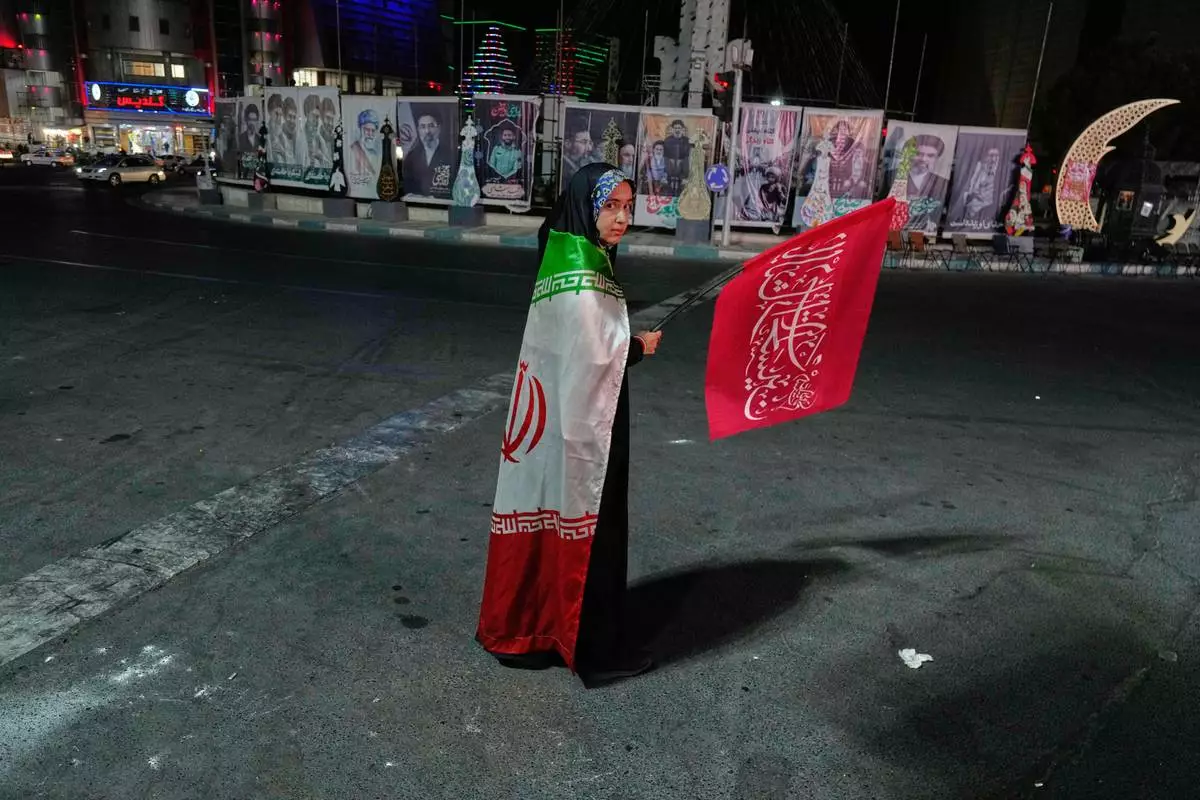
A pro-government demonstrator wears an Iranian flag as she waves a religious flag in a gathering commemorating the late Iranian Supreme Leader Ayatollah Ali Khamenei at a square in Tehran, Saturday, July 11, 2026. (AP Photo/Vahid Salemi)
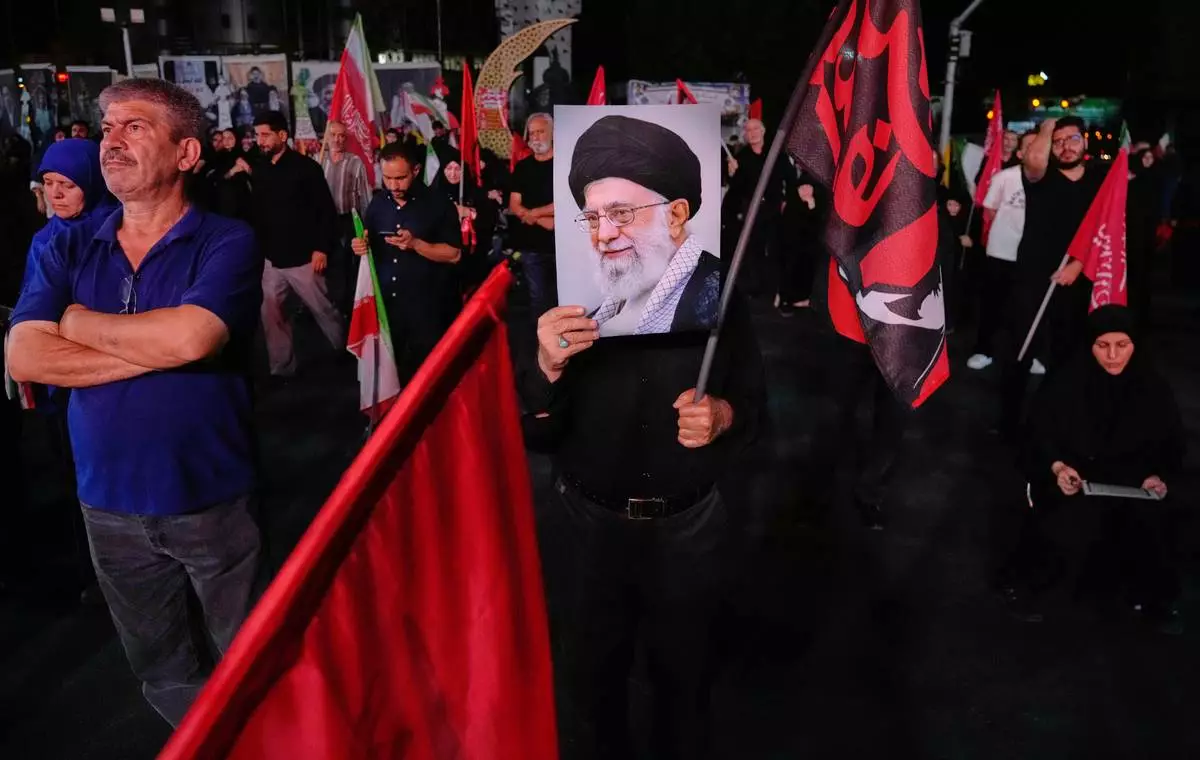
A man holds a poster of the late Iranian Supreme Leader Ayatollah Ali Khamenei in a gathering commemorating him at a square in Tehran, Saturday, July 11, 2026. (AP Photo/Vahid Salemi)
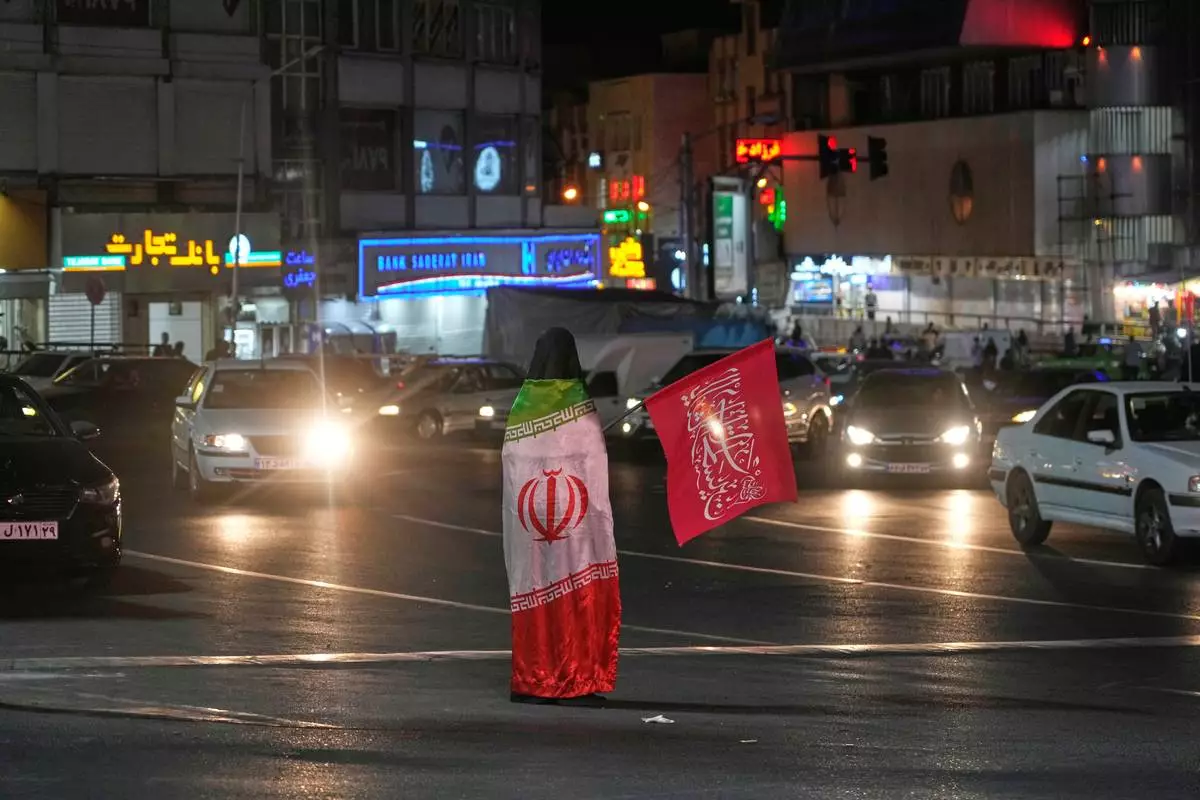
A pro-government demonstrator wears an Iranian flag as she holds a religious flag in a gathering commemorating the late Iranian Supreme Leader Ayatollah Ali Khamenei at a square in Tehran, Iran, Saturday, July 11, 2026. (AP Photo/Vahid Salemi)
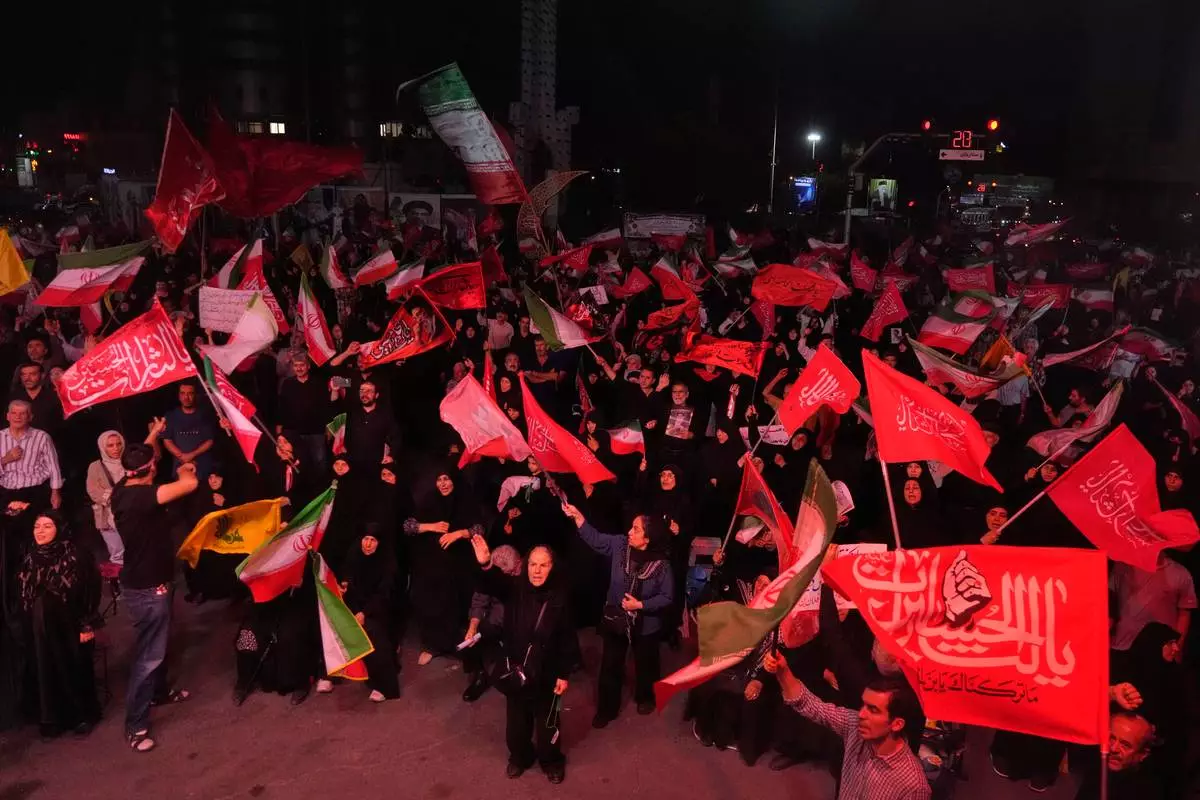
Pro-government demonstrators wave Iranian and religious flags in a gathering commemorating the late Iranian Supreme Leader Ayatollah Ali Khamenei at a square in Tehran, Saturday, July 11, 2026. (AP Photo/Vahid Salemi)
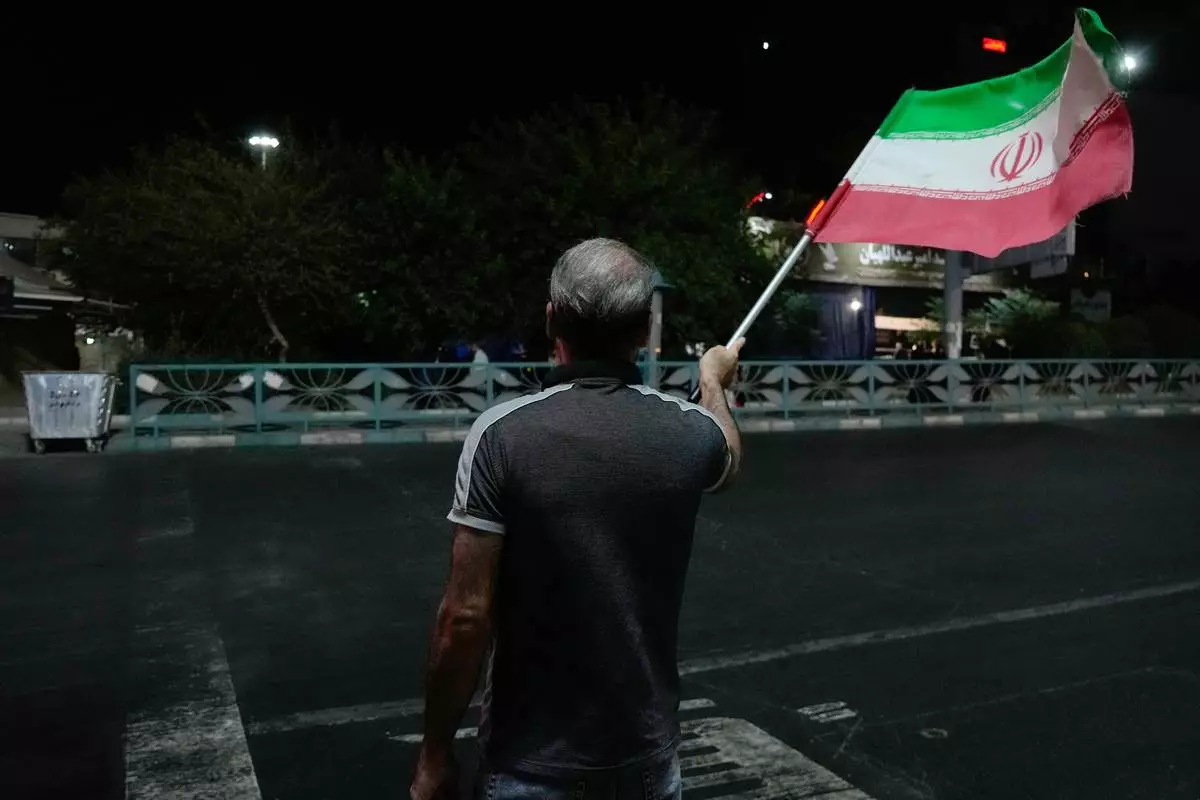
A pro-government demonstrator waves an Iranian flag in a gathering commemorating the late Iranian Supreme Leader Ayatollah Ali Khamenei at a square in Tehran, Iran, Saturday, July 11, 2026. (AP Photo/Vahid Salemi)