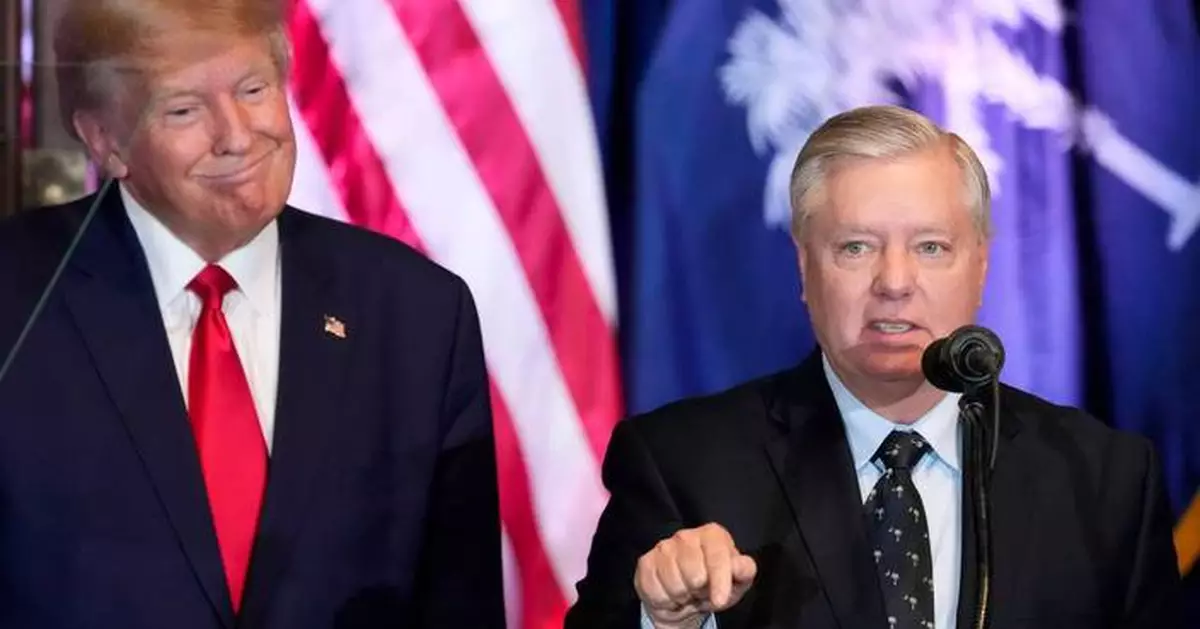
WASHINGTON (AP) — After the Capitol riot on Jan. 6, 2021, Sen. Lindsey Graham said he had finally had enough of the man who was championed by the mob that stormed the pillar of American democracy: President Donald Trump.
“Trump and I, we’ve had a hell of a journey. I hate it to end this way. Oh my God, I hate it. From my point of view, he’s been a consequential president," an emotional Graham said once authorities cleared the rioters and allowed senators to reclaim their chamber. "All I can say is count me out. Enough is enough.”
Click to Gallery
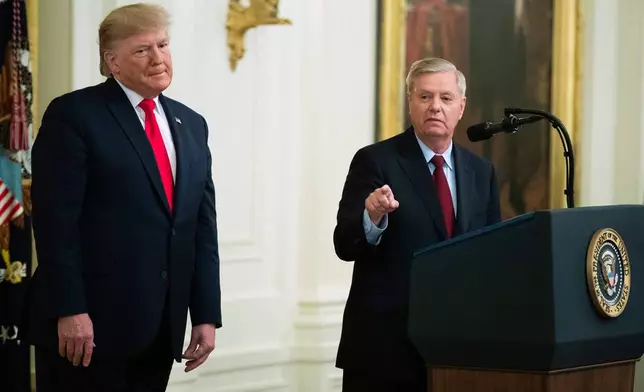
FILE - President Donald Trump listens to Sen. Lindsey Graham, R-S.C., speak during a ceremony in the East Room of the White House, Nov. 6, 2019, in Washington. (AP Photo/Manuel Balce Ceneta, File)
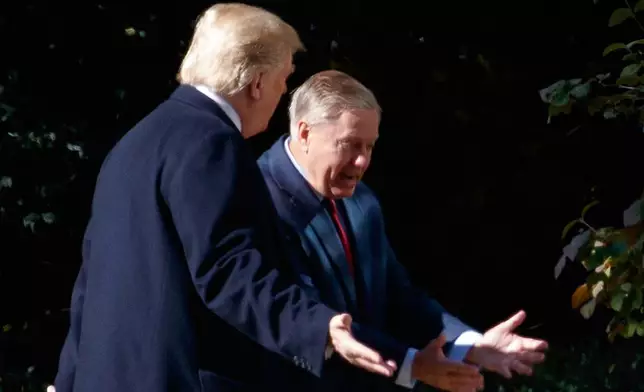
FILE - President Donald Trump walks to the Oval Office with Sen. Lindsey Graham, R-S.C., Thursday, Nov. 8, 2018, in Washington. (AP Photo/Evan Vucci, File)
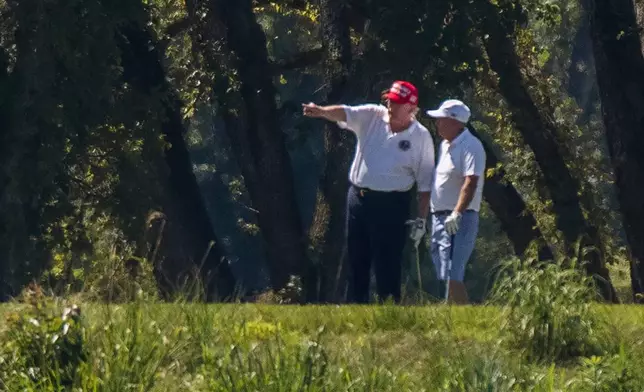
FILE - President Donald Trump and Sen. Lindsey Graham, R-S.C., right, play golf at Trump National Golf Club in Sterling, Va., as seen from the other side of the Potomac River in Darnestown, Md., July 18, 2020. (AP Photo/Manuel Balce Ceneta, File)
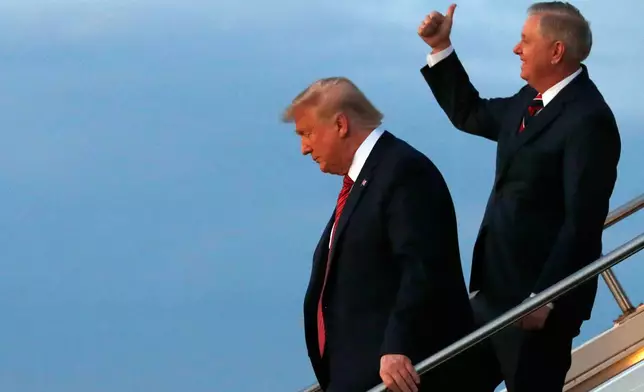
FILE - President Donald Trump, left, exits Air Force One with Sen. Lindsey Graham, R-S.C., Feb. 28, 2020, on arrival to North Charleston, S.C., where he will attend a campaign rally. (AP Photo/Jacquelyn Martin, File)
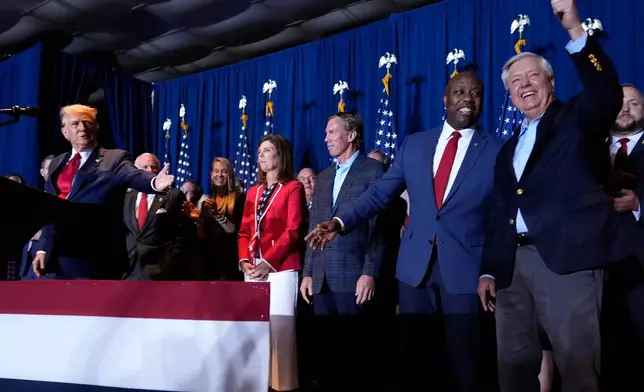
FILE - Republican presidential candidate former President Donald Trump speaks as Sen. Tim Scott, R-S.C., and Sen. Lindsey Graham, R-S.C., listen, at a primary election night party at the South Carolina State Fairgrounds in Columbia, S.C., Feb. 24, 2024. (AP Photo/Andrew Harnik, File)
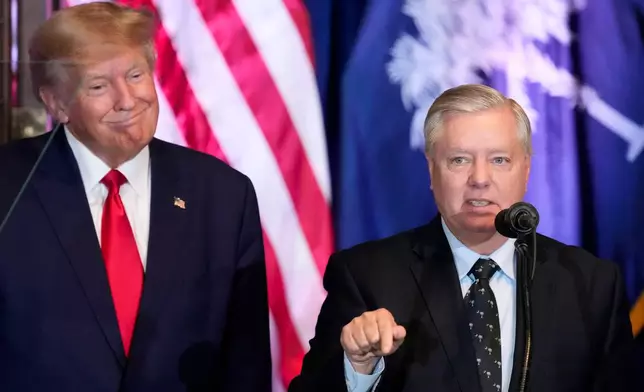
FILE - Former President Donald Trump listens as Sen. Lindsey Graham, R-S.C., speaks at a campaign event at the South Carolina Statehouse, Jan. 28, 2023, in Columbia, S.C. (AP Photo/Alex Brandon, File)
It wasn't, of course.
Graham, the South Carolina Republican who died unexpectedly on Saturday night at age 71, realized that his party's future was inextricably tied to Trump and quickly reverted back to being a staunch defender. The shift made what had once seemed like a final rupture into just another twist in the topsy-turvy relationship between the powerful senator and the president who came to dominate their party.
“Can we move forward without President Trump? The answer is no,” Graham said in May 2021, just four months after the Jan. 6 attack. “I’ve determined we can’t grow without him.”
Trump, who called Graham a "true American Patriot” in a social media post Sunday, appeared shocked by the lawmaker's sudden passing.
“I just can’t believe it,” the president told NBC's “Meet the Press." “He was like a member of the family."
Graham often advised Trump on foreign affairs, particularly on matters pertaining to Israel, Ukraine and Iran. He was a frequent visitor at the White House.
“At the end of a particularly thrilling and rollicking meeting in the Oval Office, Lindsey Graham turned to the room and said: 'I’ve never had this much fun in my life,’” deputy White House chief of staff Stephen Miller wrote on X. He said such gatherings "were filled with camaraderie, kinship and uproarious laughter.”
Trump recalled that during his last conversation with Graham, he told his friend, “We’ll see you soon, come over anytime you want.”
The senator and Trump first clashed while competing for the 2016 presidential nomination.
Graham described Trump as “unfit for office,” and was angered when Trump denigrated the military service of Graham's close friend, Sen. John McCain, R-Ariz. Trump suggested, “I like people that weren't captured” when talking about McCain's years as a prisoner of war in Vietnam.
Trump got mad enough at Graham to release the senator's personal cellphone number. That prompted a viral video in which the senator dramatically destroyed a series of flip phones. He smashed one with a meat cleaver and another with a golf club, then used lighter fluid, a blender and toaster oven to pulverize others before tossing one off the roof.
Graham eventually likened Trump's winning the nomination to “being shot in the head” and said he refused to vote for Trump that November. But the pair later bonded over golf and what Graham described as a mutual and irreverent sense of humor.
Trump and Graham began so frequently hitting the links together that the senator started seeing it as something of a career builder, leaning heavily into the kind of over-the-top flattery Trump relishes. In 2017, Graham joked that Trump had beaten him “like a drum” on the course — even worse than in the presidential primary.
“Their true friendship could only be seen behind the curtain,” Sen. Tim Scott, R-S.C., told ABC’s “This Week.” Scott said that relationship was forged as political adversaries but also strengthened by spending 100-plus hours golfing together.
During Trump's first term, Graham helped advance Trump's nominees to the Supreme Court, lent credibility to the White House's legislative agenda and even at times became part of the president's inner circle. He frequently said Trump was maturing in politics and growing on the job.
Graham's political divergence with McCain, who died in 2018, was never more clear than in 2017, when McCain voted against a Trump-backed plan to overturn Democratic President Barack Obama’s signature health care law. The effort had been co-sponsored by Graham.
In his floor speech after the Capitol attack, Graham said “he’d never been so humiliated and embarrassed for the country.” But the break with Trump ended quickly.
Weeks later, Trump invited Graham for golf and dinner at the president's Mar-a-Lago estate in Florida, reigniting their alliance. During Trump's 2024 campaign, Graham was a frequent Trump surrogate on television, promoting U.S. military strength that he said would advance “America First” policies.
Graham never shed his more traditional Republican foreign policy views, including outspoken support for Ukraine during the Russian invasion. He was also a leading voice pushing the White House to more fully embrace Israeli Prime Minister Benjamin Netanyahu and take a harder line against Iran.
After the U.S. and Israel attacked Iran in February, Graham remained hawkish, staunchly defending the action and working to counter many in Trump's “Make America Great Again” base who thought “America First” meant avoiding such military conflicts.
“To those who say Iran is stronger now than before, that is an insult to the American military and it is delusional thinking because the Iranian economy is in shambles,” Graham posted on social media June 19.
But Graham's admiration for Trump went far beyond Iran. When Graham clinched the South Carolina Republican primary last month, he suggested the president was just short of a deity.
“I want to start with a bunch of thank yous. I want to thank the big guy, God. Trump comes later,” Graham laughed. “Mr. President, you’re not far behind God, but we’re gonna start with him.”
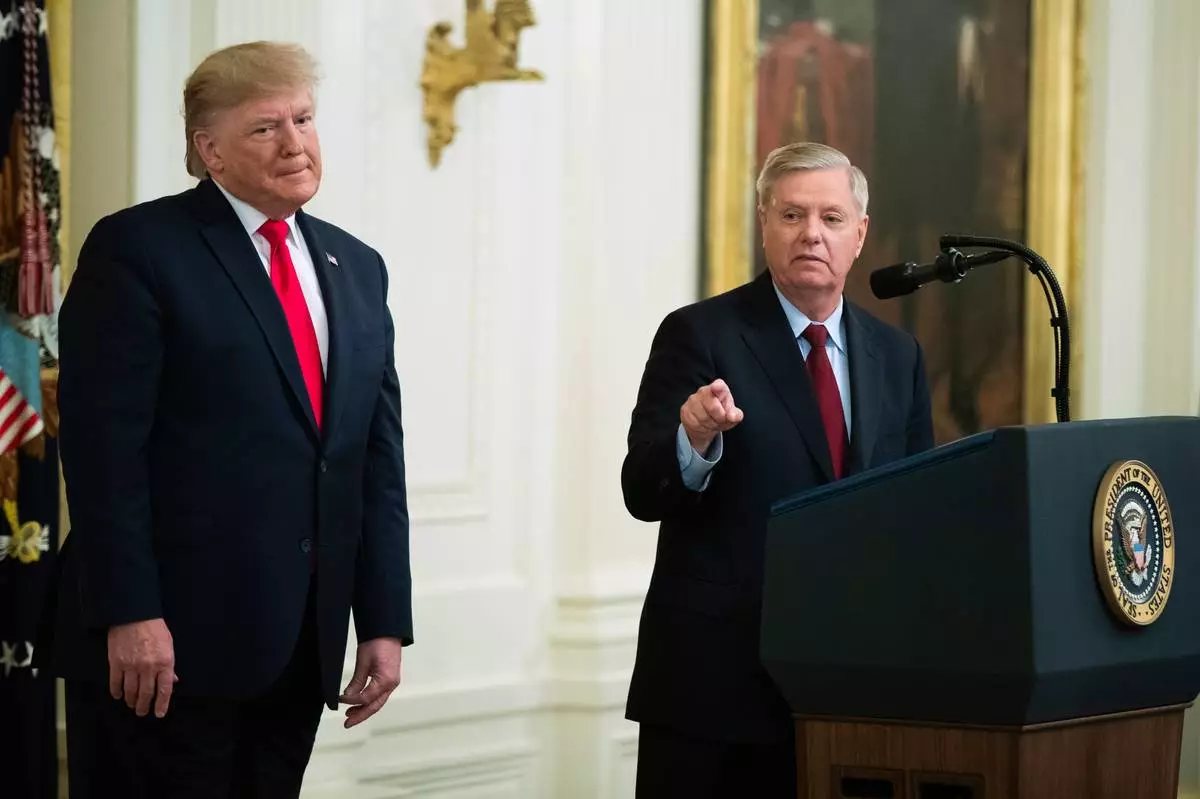
FILE - President Donald Trump listens to Sen. Lindsey Graham, R-S.C., speak during a ceremony in the East Room of the White House, Nov. 6, 2019, in Washington. (AP Photo/Manuel Balce Ceneta, File)
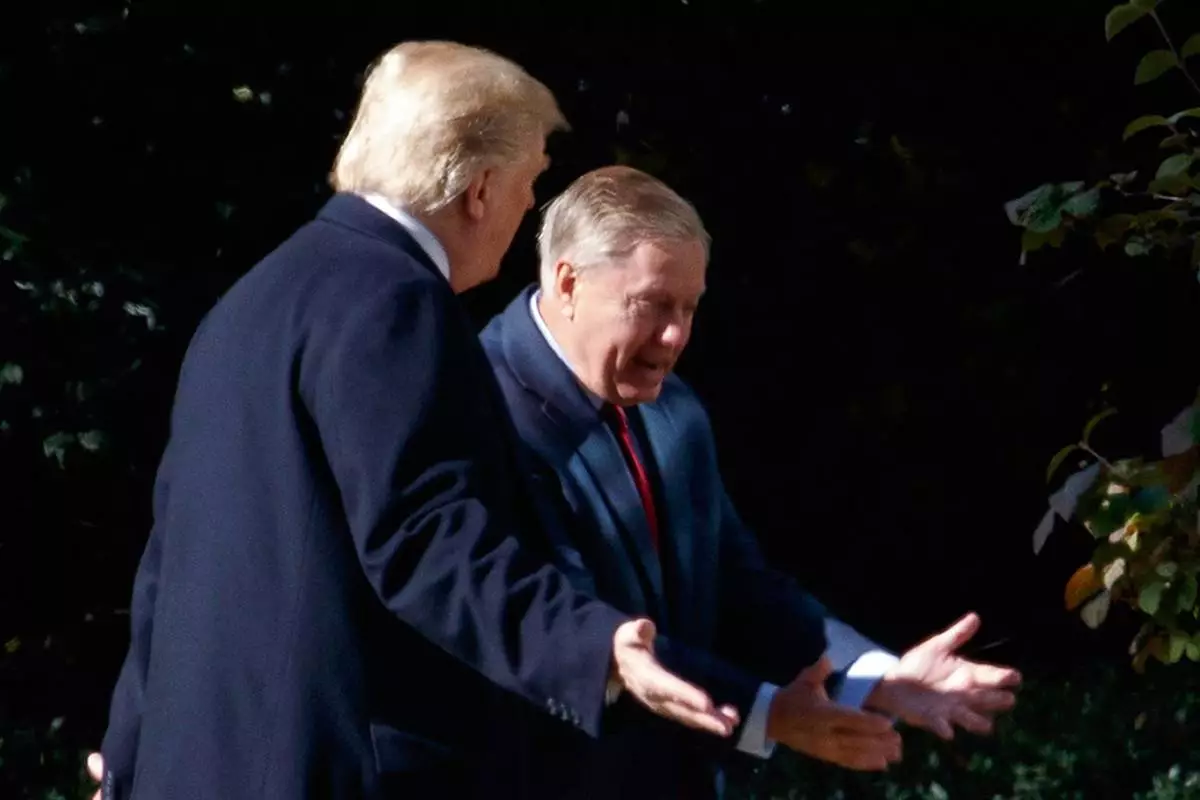
FILE - President Donald Trump walks to the Oval Office with Sen. Lindsey Graham, R-S.C., Thursday, Nov. 8, 2018, in Washington. (AP Photo/Evan Vucci, File)
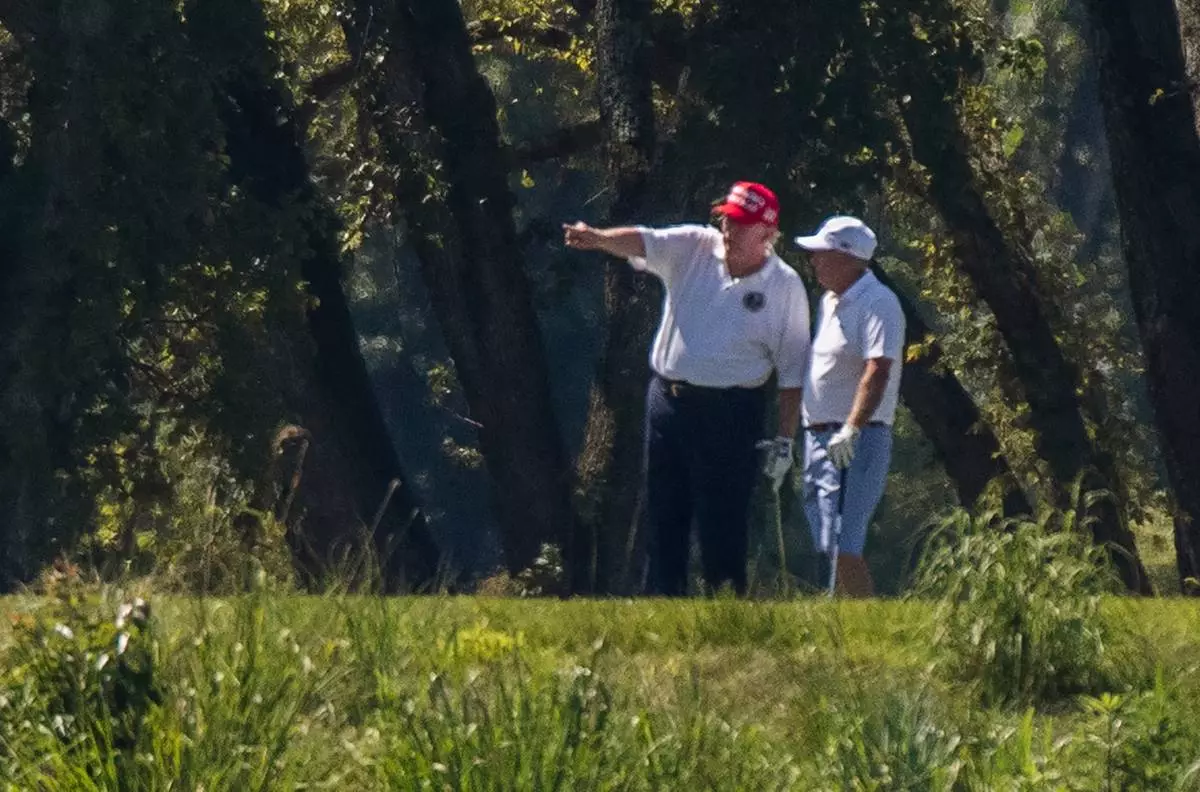
FILE - President Donald Trump and Sen. Lindsey Graham, R-S.C., right, play golf at Trump National Golf Club in Sterling, Va., as seen from the other side of the Potomac River in Darnestown, Md., July 18, 2020. (AP Photo/Manuel Balce Ceneta, File)
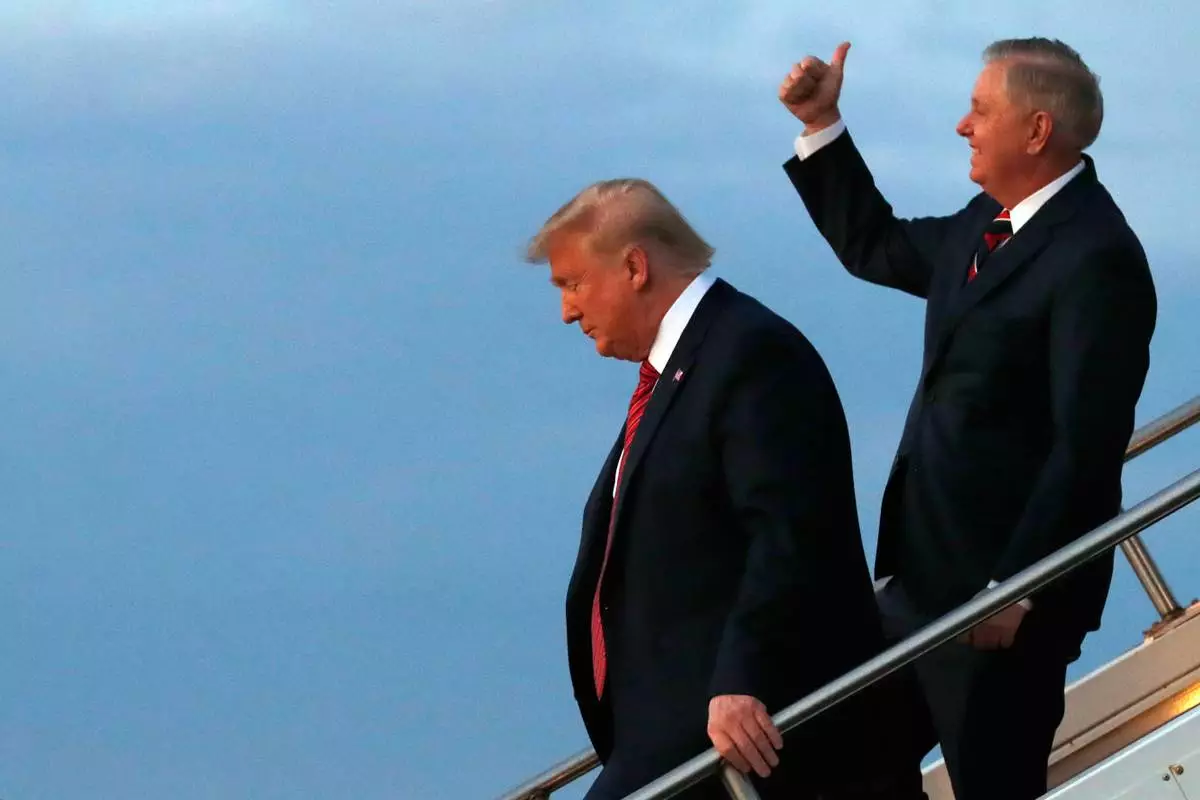
FILE - President Donald Trump, left, exits Air Force One with Sen. Lindsey Graham, R-S.C., Feb. 28, 2020, on arrival to North Charleston, S.C., where he will attend a campaign rally. (AP Photo/Jacquelyn Martin, File)
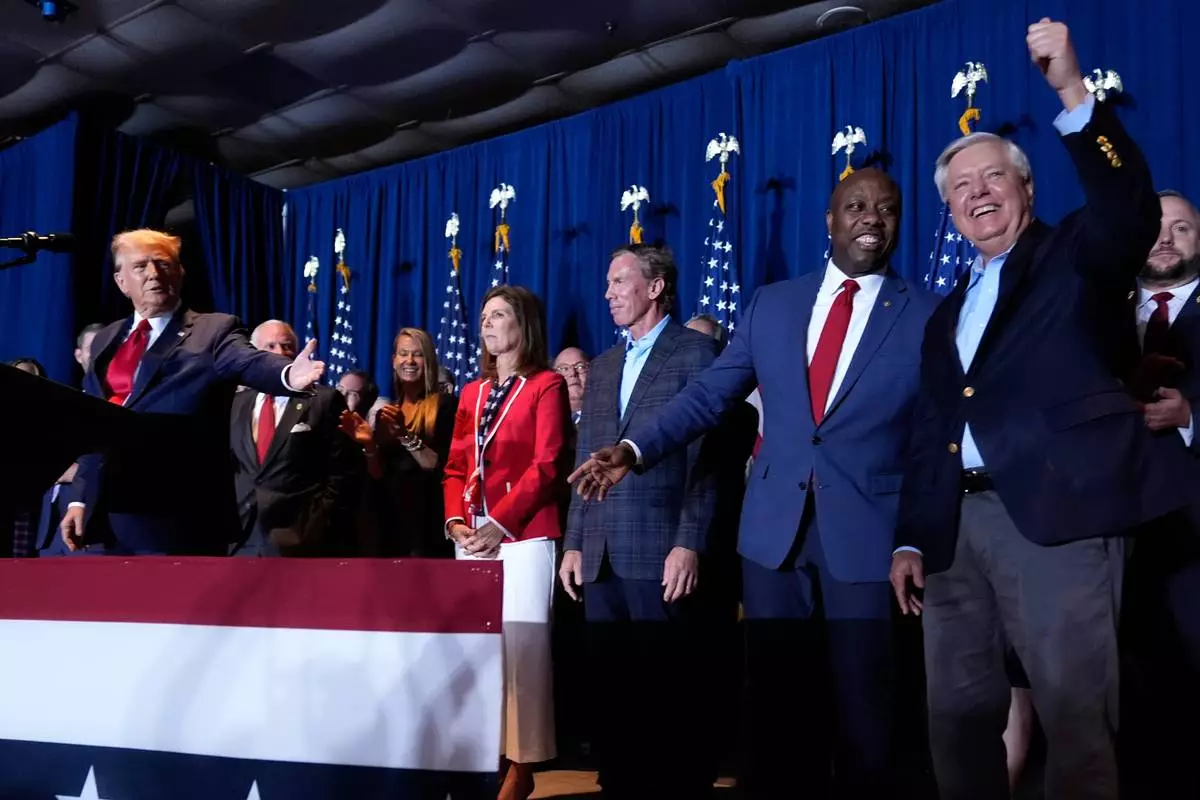
FILE - Republican presidential candidate former President Donald Trump speaks as Sen. Tim Scott, R-S.C., and Sen. Lindsey Graham, R-S.C., listen, at a primary election night party at the South Carolina State Fairgrounds in Columbia, S.C., Feb. 24, 2024. (AP Photo/Andrew Harnik, File)
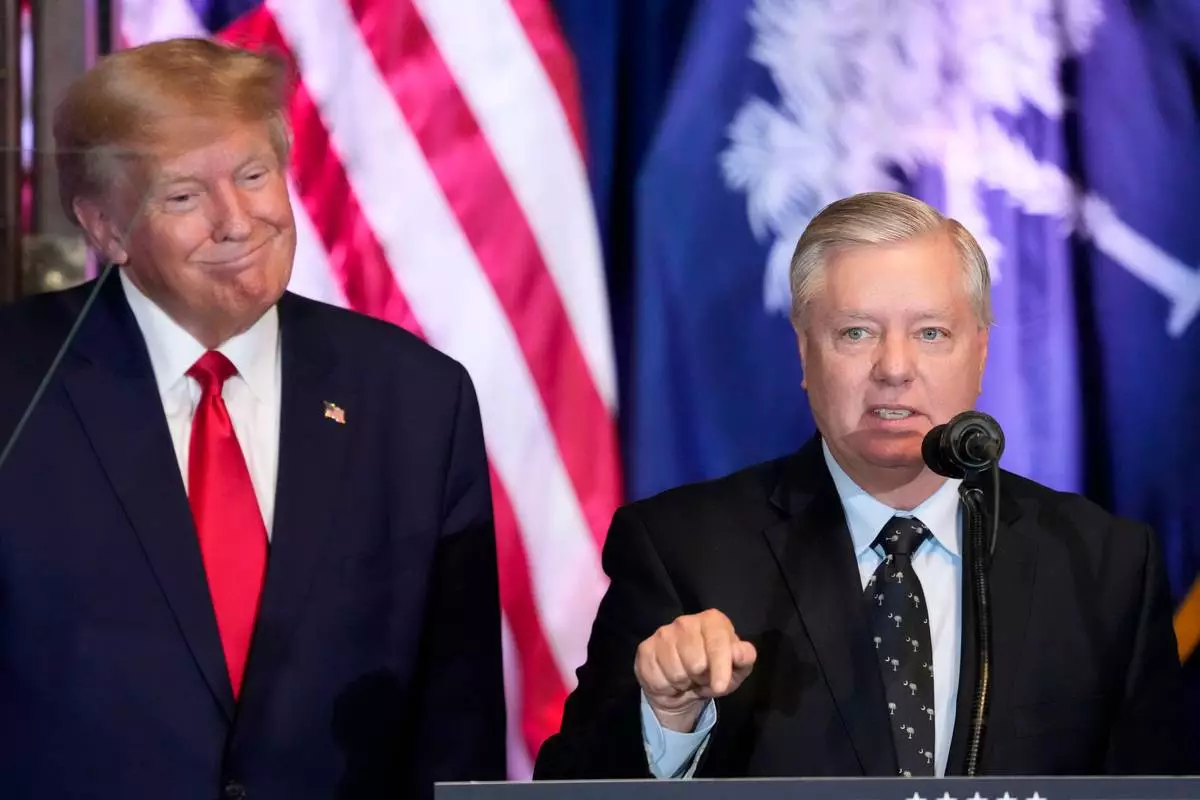
FILE - Former President Donald Trump listens as Sen. Lindsey Graham, R-S.C., speaks at a campaign event at the South Carolina Statehouse, Jan. 28, 2023, in Columbia, S.C. (AP Photo/Alex Brandon, File)