ST. PAUL, Minn. (AP) — Minnesotans are known for their niceness, but pleasantries are rare in the state's Democratic U.S. Senate primary.
The two leading candidates, U.S. Rep. Angie Craig and Lt. Gov. Peggy Flanagan, have clashed over electability, their ties to corporate interests and willingness to fight Republican President Donald Trump's administration in Washington. Millions of dollars in political ads have blanketed televisions and phone screens for a race that has become emblematic of Democrats' deeper divides.
Click to Gallery
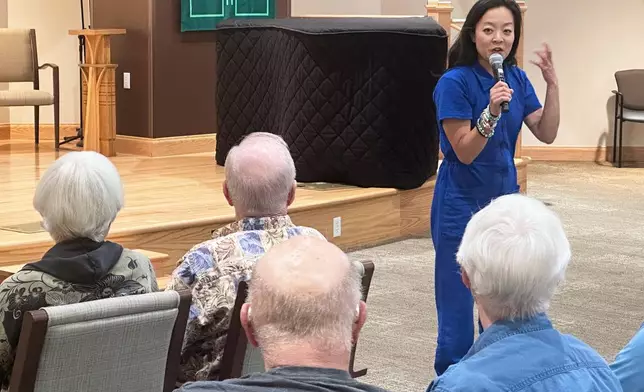
Francesca Hong, a candidate for Wisconsin governor, speaks to voters at a retirement home, Tuesday, July 7, 2026, in Madison, Wis. (AP Photo/Scott Bauer)
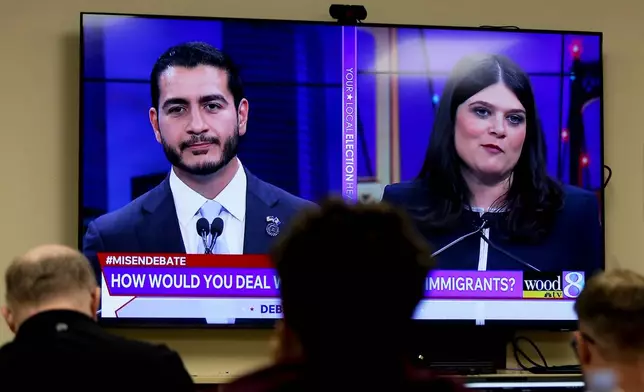
Michigan U.S. Senate candidates, Abdul El-Sayed, left, and Rep. Haley Stevens, D-Mich., are displayed on a television during a debate inside the spin room at WoodTV studios on Tuesday, July 7, 2026, in Grand Rapids, Mich. (AP Photo/Kristen Norman)
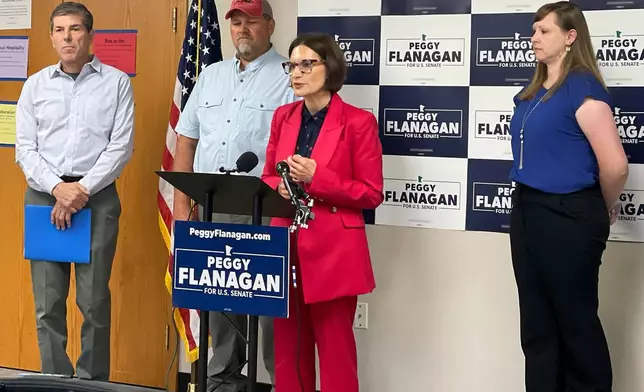
Minnesota Lt. Gov. Peggy Flanagan speaks during a press conference with political allies in St. Paul, Minn., Wednesday, July 8, 2026. (AP Photo/Matthew Brown)
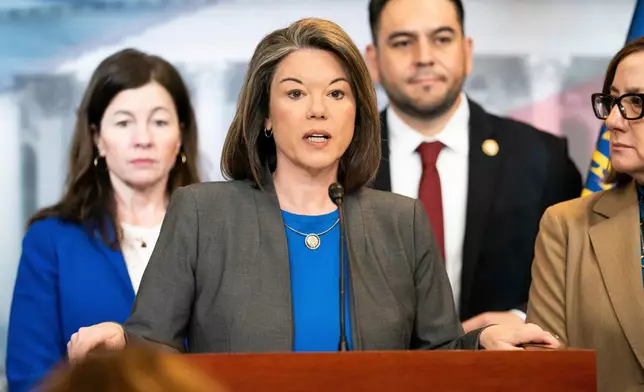
FILE - Rep. Angie Craig, D-Minn., speaks at a news conference at the Capitol, Jan. 15, 2026, in Washington. (AP Photo/Allison Robbert, File)
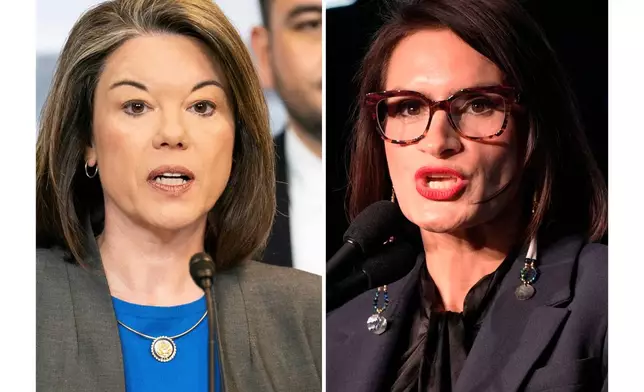
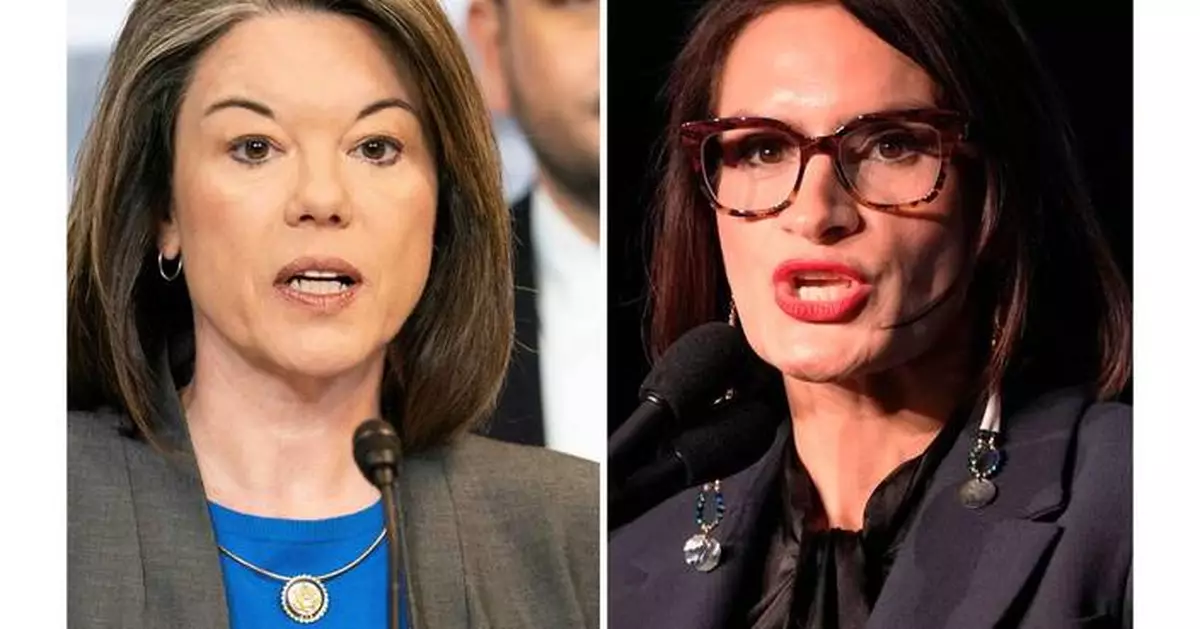
FILE - This photo combination shows Rep. Angie Craig, D-Minn., left, Jan. 15, 2026, in Washington and Minnesota Lt. Gov. Peggy Flanagan, Nov. 5, 2024, in St. Paul, Minn. (AP Photo/Allison Robbert, Abbie Parr, file)
The increasingly bitter contest will be among the next races where progressive candidates are facing more moderate rivals. August primaries in Michigan, Wisconsin and Minnesota will be another gauge of Democratic voters’ frustration with the establishment. The races across the Upper Midwest may also offer another test of the electability of hard-left candidates.
After notable progressive successes so far this year, party leaders worry these candidates could damage Democrats' brand and imperil their chances of retaking either chamber of Congress this fall or maintaining the governor's mansion in a battleground state ahead of the 2028 presidential election. The progressive left says recent results prove their message is the party's path to victory.
Flanagan, who is backed by progressive Sens. Bernie Sanders of Vermont and Elizabeth Warren of Massachusetts, last week convened a press conference to condemn “secretive dark money groups and special interests” she says are at work in the Minnesota race. She argued the groups are working to elect Craig, a more conventional Democrat backed by House Minority Leader Hakeem Jeffries of New York and other senior Democratic leaders.
“What we are facing right now in our party,” Flanagan told The Associated Press, “is the very folks who are standing in the way of the things that people need to be able to afford their lives, who are Democrats, are funded by these corporate special interests. That is the choice I think that we have, and people are onto it.”
Craig counters that Flanagan raised campaign funds from major companies while chair of the Democratic Lieutenant Governors Association. She says that if Flanagan becomes the Democratic nominee, Republicans would focus on her ties to an ongoing fraud inquiry into the state's Medicaid programs.
“The coalition we’re building is people in Minnesota who understand that in order to stop Donald Trump, we’ve got to win elections,” Craig told the AP. She warned that Minnesota is often underappreciated as “the very definition of a swing state, and we simply can’t take this U.S. Senate seat for granted.”
Craig argued that it was important that Democrats do not reject corporate funding while Republicans continue to embrace backing from wealthy donors. She also said she supports major campaign finance reforms restricting the role of money in politics.
“But until we get to that day, it’s naive to think that we’re not going to need resources,” Craig said.
The Minnesota primary, in which Flanagan and Craig are vying for the seat vacated by Democratic Sen. Tina Smith, is Aug. 11. Wisconsin also holds its primary that day — one week after voters will choose nominees in Michigan on Aug. 4.
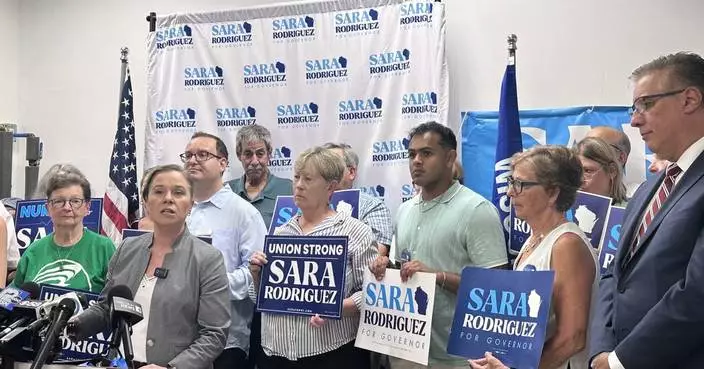
In Michigan, Rep. Haley Stevens is running against progressive Abdul El-Sayed for the state's Democratic Senate nomination in a race Democrats must win to hold the seat held by Sen. Gary Peters, who is retiring and has endorsed Stevens. And in Wisconsin, democratic socialist state Rep. Francesca Hong has surged in the state's Democratic gubernatorial primary against more conventional Democratic lawmakers, including former Lt. Gov. Mandela Barnes and current Lt. Gov. Sara Rodriguez.
In each case, progressives hope to prove that an economically populist message resonates with voters beyond deep blue enclaves where they have had recent success, like New York City and Denver. But Democratic leaders fear that the insurgent candidates risk blowing winnable races for Democrats with messages considered too radical for most voters.
Craig also criticized progressives for gambling with Democrats' chances to retake the Senate due to poor campaigning and vetting of candidates. She noted the recent downfall of Graham Platner, who easily won the Democratic nomination for U.S. Senate in Maine in June but dropped out of the race last week after facing an allegation of sexual assault, which he denies.
“We just saw one of our best Senate opportunities go down in flames in Maine, potentially, with that same coalition,” Craig said.
“And many of the same people are working on the lieutenant governor’s campaign as Graham Platner’s campaign," Craig added. "My coalition is statewide. I’m going everywhere. I’m talking to everyone. I’m working to bring people back to the (Democratic Party).”
Following the fallout from the Platner scandal, progressives view the Upper Midwest Senate races as their last chance to shape the Democrats' Senate caucus and prove their theory of the case in the midterm elections.
“Abdul El-Sayed was already the most important primary candidate in the nation, and this underscores the importance of that race, both in the primary and the general,” said Adam Green, co-founder of the Progressive Change Campaign Committee, a political action committee that backs Flanagan and El-Sayed.
The organization views this year's Senate races in Michigan and Maine as key tests of whether progressives’ message and organizing strategies could prove effective in competitive races. The high-stakes strategy was meant to assuage potential concerns among Democratic voters that progressives are unelectable in competitive races ahead of the party’s 2028 presidential primary.
“Our hope is to not have an outlier but a pattern of shake-up-the-system economic fighters who win tough swing state elections," Green said.
The Upper Midwest has populist traditions going back decades, including by electing progressive and conservative populists, said Steven Schier, a political science professor at Carleton College in Northfield, Minnesota. The region was often a model for the Progressive Era’s reform-minded policies, but it also elected some of the most stridently conservative Cold War voices like Sen. Joseph McCarthy of Wisconsin.
“What’s interesting about the Upper Midwest is that you get well-developed and articulated left populism, and well-developed and articulated right populism in competition and combat. It produces some very lively election seasons,” Schier said.
More recently, the Great Lakes region has been the nation's marquee political battleground, with state legislatures and the presidential winner swinging between Democratic and Republican candidates for the last decade. No matter who wins, the results of the midterm primaries in the region will have major ripple effects in national politics.
“This culture will take broad concerns that populists bring up and trumpet them throughout the electoral system, and that’s true on both the right and the left up here," Schier said.
Follow the AP’s coverage of the 2026 election at https://apnews.com/projects/elections-2026/.
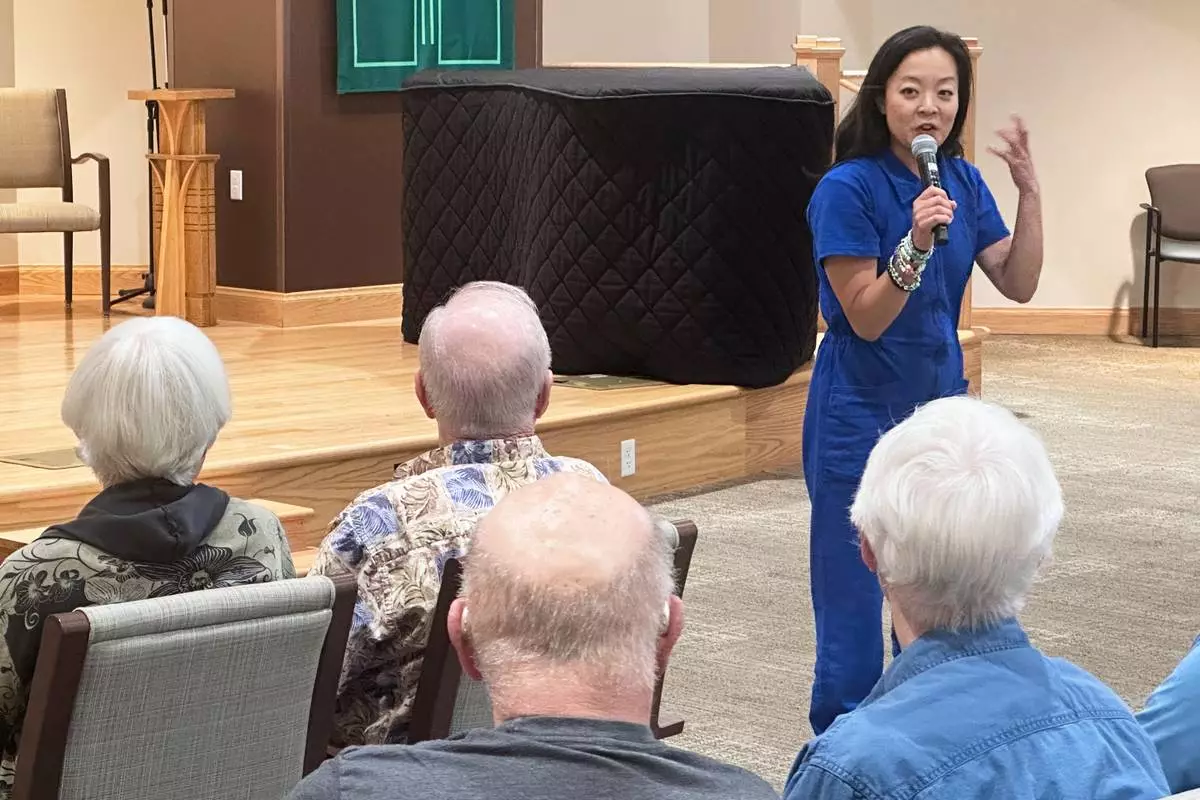
Francesca Hong, a candidate for Wisconsin governor, speaks to voters at a retirement home, Tuesday, July 7, 2026, in Madison, Wis. (AP Photo/Scott Bauer)
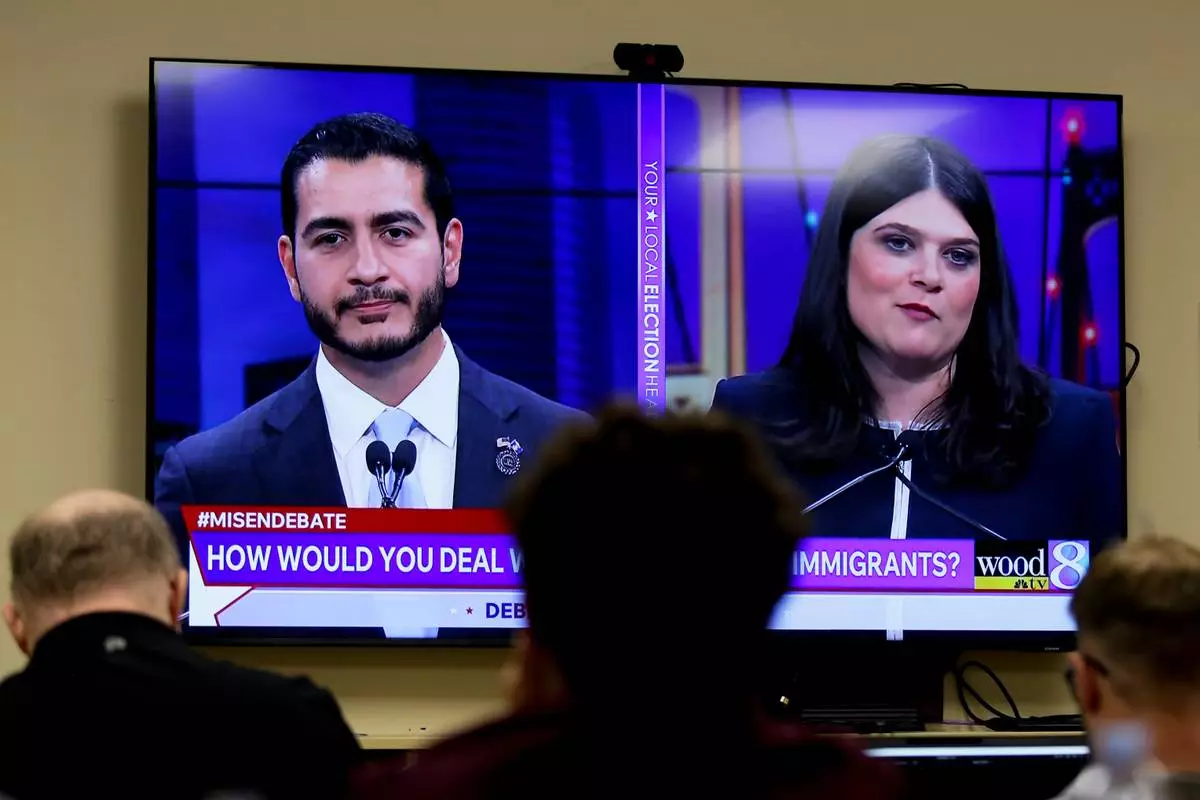
Michigan U.S. Senate candidates, Abdul El-Sayed, left, and Rep. Haley Stevens, D-Mich., are displayed on a television during a debate inside the spin room at WoodTV studios on Tuesday, July 7, 2026, in Grand Rapids, Mich. (AP Photo/Kristen Norman)
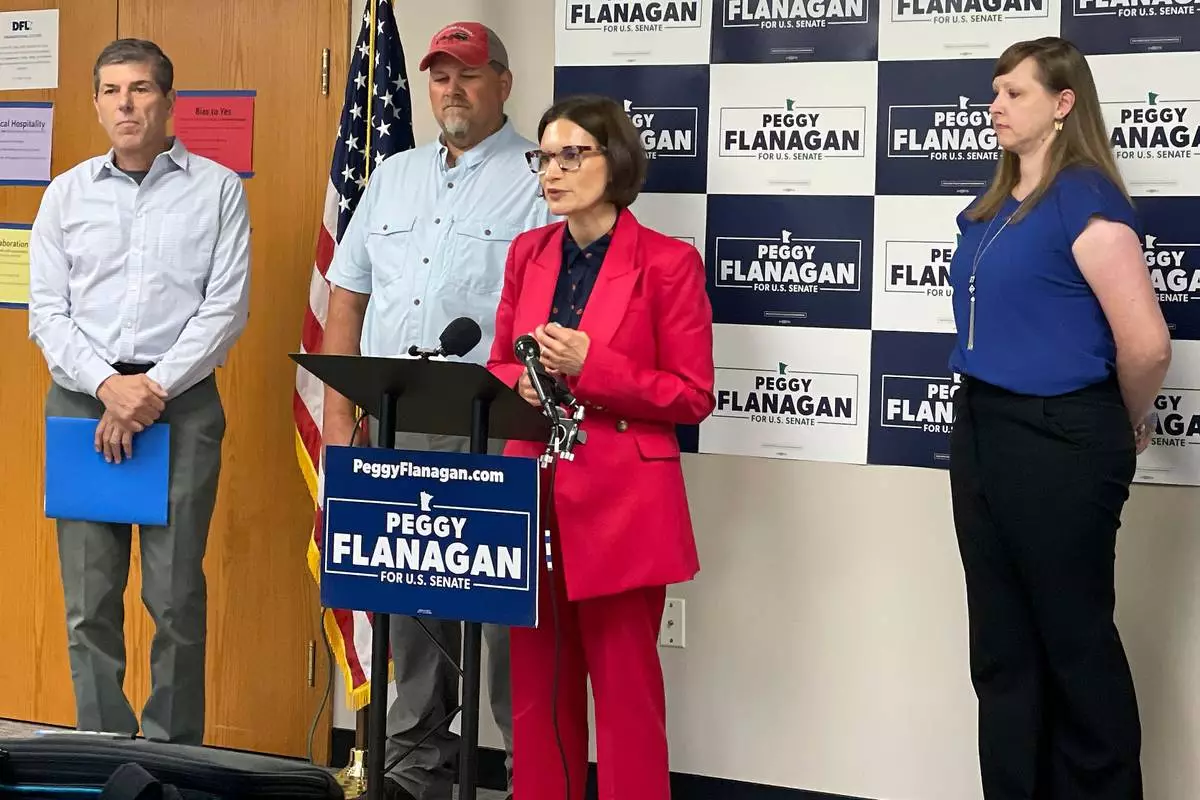
Minnesota Lt. Gov. Peggy Flanagan speaks during a press conference with political allies in St. Paul, Minn., Wednesday, July 8, 2026. (AP Photo/Matthew Brown)
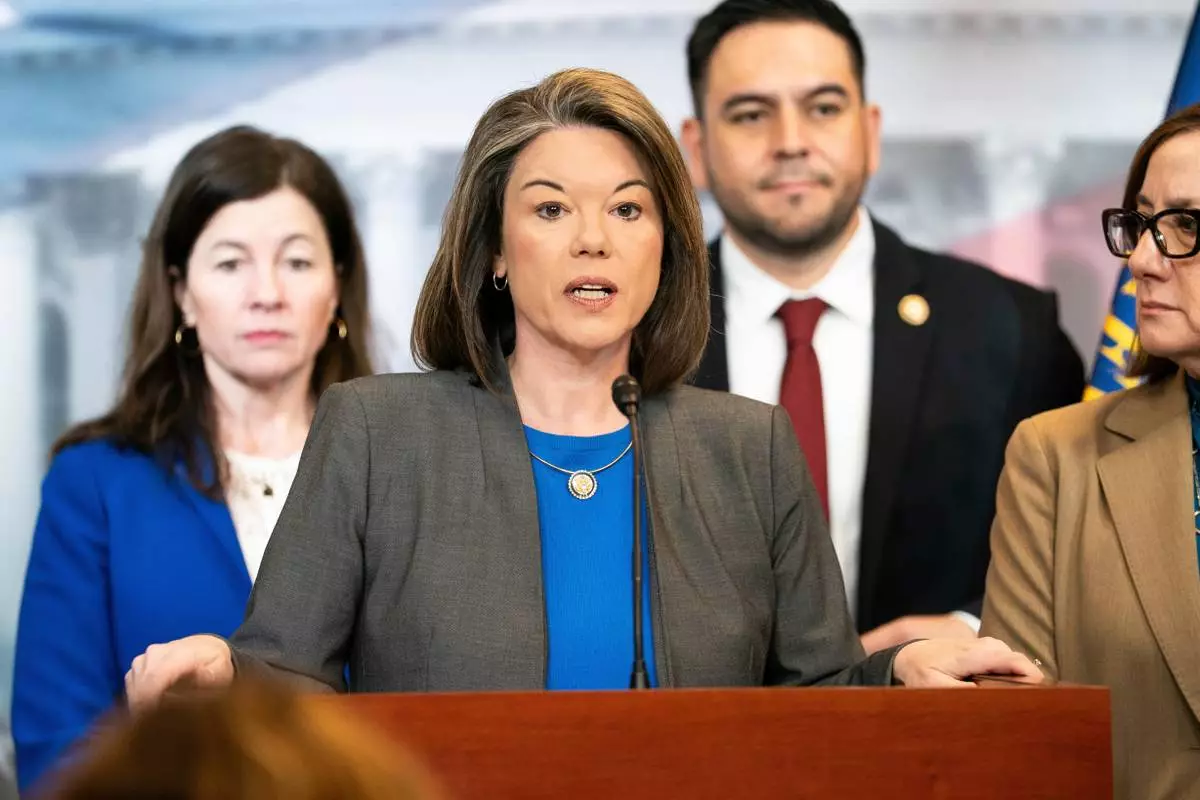
FILE - Rep. Angie Craig, D-Minn., speaks at a news conference at the Capitol, Jan. 15, 2026, in Washington. (AP Photo/Allison Robbert, File)
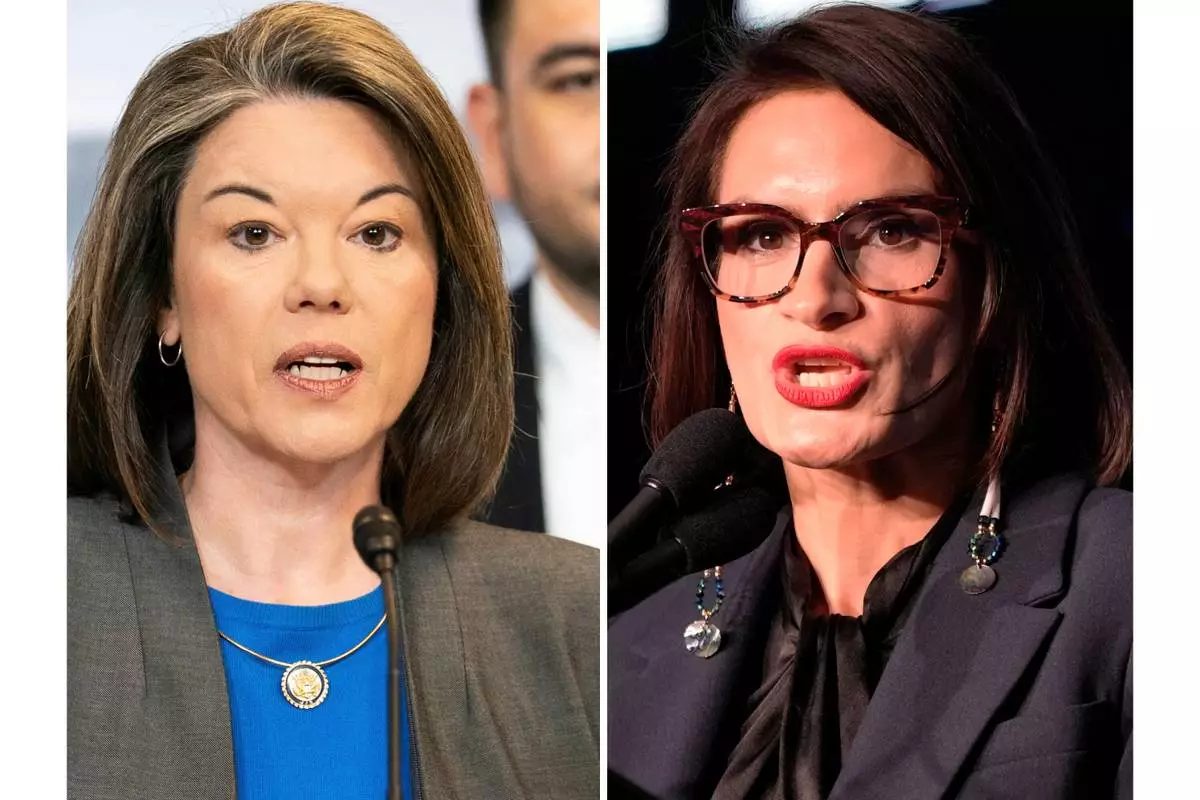
FILE - This photo combination shows Rep. Angie Craig, D-Minn., left, Jan. 15, 2026, in Washington and Minnesota Lt. Gov. Peggy Flanagan, Nov. 5, 2024, in St. Paul, Minn. (AP Photo/Allison Robbert, Abbie Parr, file)