Skip to Content Facebook Feature Image

What to know about Trump's order shrinking the size of 2 national monuments in Utah

News

What to know about Trump's order shrinking the size of 2 national monuments in Utah
News

News

What to know about Trump's order shrinking the size of 2 national monuments in Utah

2026-07-14 08:52 Last Updated At:09:00

SALT LAKE CITY (AP) — Revisiting actions from his first term that were reversed, President Donald Trump announced Monday that he will scale back the Bears Ears and Grand Staircase-Escalante national monuments in Utah.

The Republican’s actions undo proclamations from his predecessors who deemed the sites worthy of preservation under the Antiquities Act, a 1906 law that gives presidents power to protect areas of cultural, historic or scientific interest.

More Images
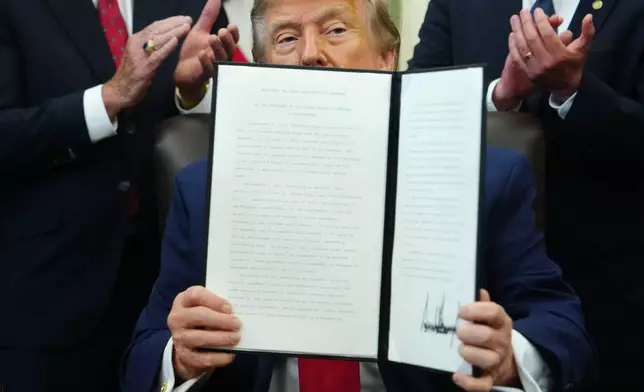
President Donald Trump holds an executive order modifying the Bears Ears National Monument in the Oval Office of the White House, Monday, July 13, 2026, in Washington. (AP Photo/Julia Demaree Nikhinson)
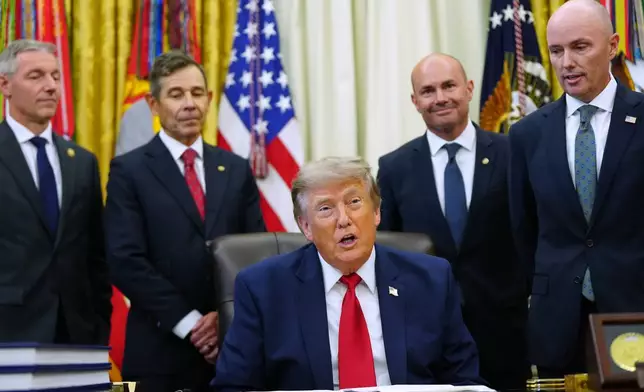
President Donald Trump holds an executive order modifying the Bears Ears National Monument in the Oval Office of the White House, Monday, July 13, 2026, in Washington. (AP Photo/Julia Demaree Nikhinson)
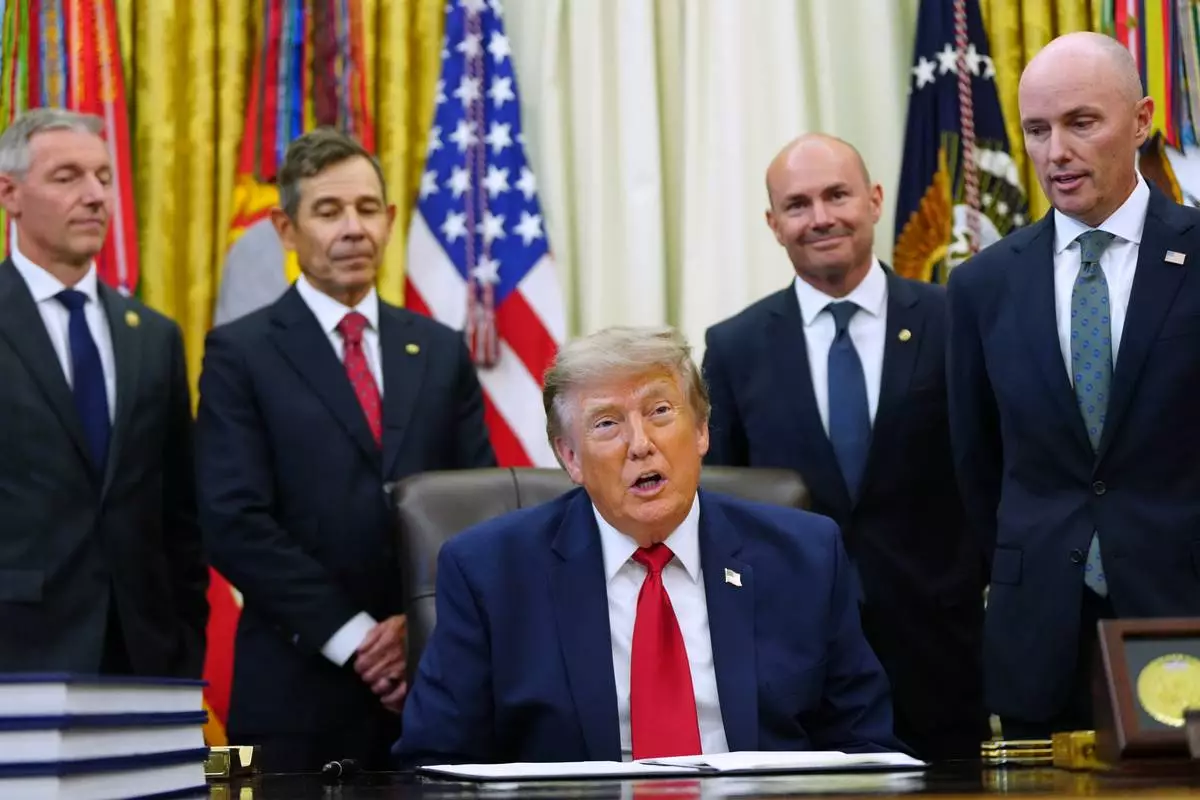
President Donald Trump speaks before signing executive orders modifying the Grand Staircase-Escalante National Monument and the Bears Ears National Monument in the Oval Office of the White House, Monday, July 13, 2026, in Washington. (AP Photo/Julia Demaree Nikhinson)

President Donald Trump speaks before signing executive orders modifying the Grand Staircase-Escalante National Monument and the Bears Ears National Monument in the Oval Office of the White House, Monday, July 13, 2026, in Washington. (AP Photo/Julia Demaree Nikhinson)

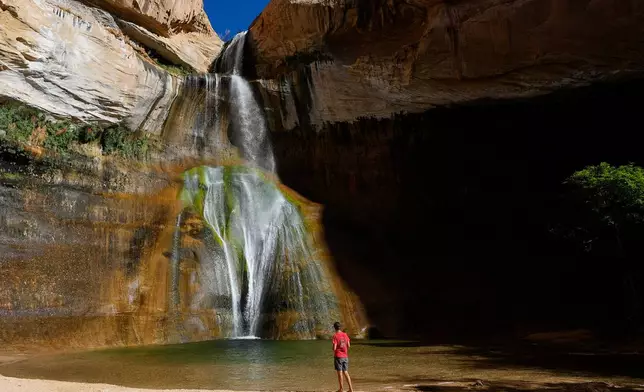
FILE - A hiker watches a waterfall at Lower Calf Creek Falls at Grand Staircase Escalante National Monument, July 12, 2023, in Escalante, Utah. (AP Photo/Ross D. Franklin, File)
FILE - A hiker watches a waterfall at Lower Calf Creek Falls at Grand Staircase Escalante National Monument, July 12, 2023, in Escalante, Utah. (AP Photo/Ross D. Franklin, File)

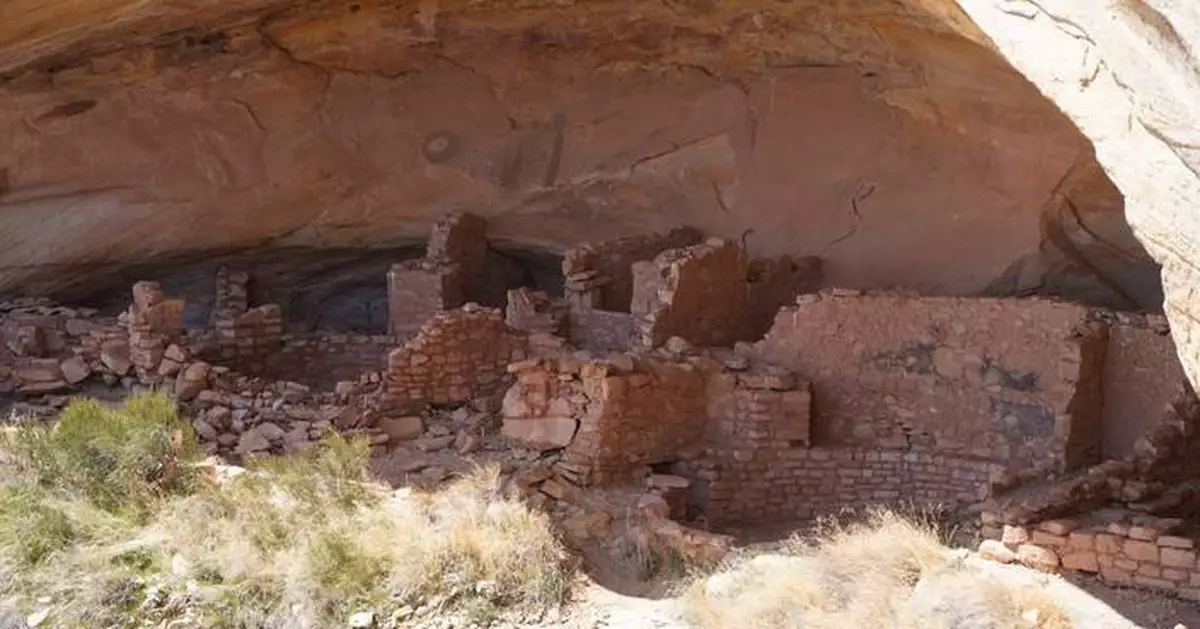
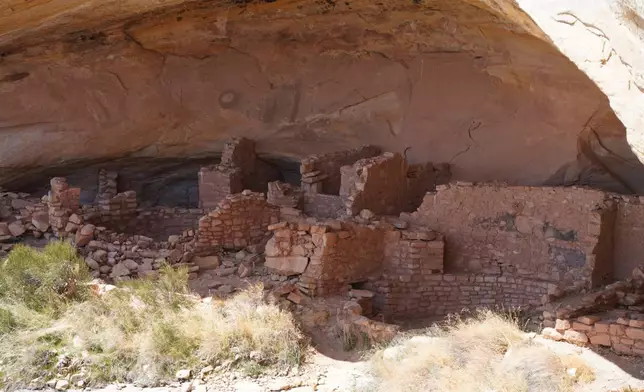
FILE - A section of ancient dwellings are seen during U.S. Interior Secretary Deb Haaland's tour along the Butler Wash trail at Bears Ears National Monument, April 8, 2021, near Blanding, Utah. (AP Photo/Rick Bowmer, Pool, File)

FILE - A section of ancient dwellings are seen during U.S. Interior Secretary Deb Haaland's tour along the Butler Wash trail at Bears Ears National Monument, April 8, 2021, near Blanding, Utah. (AP Photo/Rick Bowmer, Pool, File)

Trump made similar moves during his first term, but many were reversed by his successor, President Joe Biden.

The back-and-forth underscores how national monuments have become a flashpoint over the management of public lands. Trump is not the first president to reduce the size of monuments.

Here’s a look at U.S. national monuments and presidents who have created or reshaped them:

Trump made only a handful of Antiquities Act proclamations during his first term, including two that reduced the size of Bears Ears and Grand Staircase-Escalante monuments. The sprawling Utah monuments include stunning natural features and sites sacred to some Native American tribes. Grand Staircase-Escalante also holds large coal reserves, while the Bears Ears area has uranium.

Trump also dedicated the Camp Nelson National Monument in Kentucky — a Union Army hospital and recruiting center for African American troops during the Civil War.

Biden’s first use of the act was to restore the size of Bears Ears and Grand Staircase Escalante. He cited their spiritual, cultural and prehistoric legacy.

Biden established 10 new monuments, among them the site of a 1908 race riot in Springfield, Illinois, and a monument honoring Mamie Till-Mobley and her son, Emmett, a Black teenager from Chicago who was tortured and killed in 1955 after he was accused of whistling at a white woman in Mississippi. He also established monuments in the mountains of California and on a sacred Native American site near the Grand Canyon.

Proponents of the reductions said the protective boundaries stretched too far and hindered mining for essential minerals.

Combined, the two monuments spanned more than 3.2 million acres (13 million hectares), an area nearly the size of Connecticut. Trump reduced them Monday to less than 303,000 acres (123,000 hectares) combined — a greater reduction than his first term. He framed the move as giving back land to the people.

The order was applauded by Utah officials, who have long argued that the state should manage its own lands.

“The question has never been whether to protect them, but how to protect them best,” said Gov. Spencer Cox, a Republican. His office assured the lands left out of the modified boundaries “remain protected under existing federal and state law."

But some conservationists and citizens of local tribal nations warned the order opens the door to mining while disrespecting tribal co-stewardship. Bears Ears is jointly managed by an agreement between tribal nations and federal agencies.

“Our connection to this place cannot be erased by the stroke of a pen,” said Davina Smith-Idjesa, a citizen of the Navajo Nation and co-chair of the Bears Ears Inter-Tribal Coalition.

Environmental groups have argued the Antiquities Act is a one-way road that allows presidents to create but not undo monuments. But there’s a history of presidents taking actions similar to Trump’s.

Since 1912, presidents have issued more than a dozen proclamations that diminished monuments, according to a National Park Service database.

In Washington state, Woodrow Wilson reduced the acreage of Mount Olympus National Park — now Olympic National Park — by roughly half. Harry Truman did the same for Santa Rosa Island National Monument.

Dwight Eisenhower was most active in undoing proclamations of his predecessors as he diminished six monuments, including Arches in Utah, Great Sand Dunes in Colorado and Glacier Bay in Alaska, which have all since become national parks.

Unlike national parks, which are established by Congress, most of the more than 100 national monuments were created by presidents.

They’re governed by one or more agencies such as the National Park Service, Bureau of Land Management or National Oceanic and Atmospheric Administration.

A designation provides sweeping protections not just for significant geological features or artifacts but also for the surrounding landscape, banning drilling, mining and new construction.

The U.S. Forest Service was established in 1905 and has jurisdiction over some 300,000 square miles (775,000 square kilometers) of land, including 154 national forests and 20 national grasslands in 43 states.

Under federal law, the forest lands are managed for renewable resources — including timber, clean water, wildlife habitat, forage for livestock and recreation. Many forests overlay valuable minerals, and parcels can be leased by private companies for the extraction of nonrenewable resources such as oil, gas and coal.

National parks have some of the most stringent rules against development under a 1916 law known as the Organic Act. The law says the fundamental purpose of the parks is to conserve their scenery, nature, history and wildlife.

President Theodore Roosevelt signed the Antiquities Act after a generation of lobbying by educators and scientists who wanted to protect sites from commercial artifact looting and haphazard collecting by individuals. It was the first law in the U.S. to establish legal protections for cultural and natural resources of historic or scientific interest on federal lands.

On Sept. 24, 1906, Roosevelt used it to designate a national monument at Devils Tower — a giant rock butte in eastern Wyoming that later gained fame as the focus of the movie “Close Encounters of the Third Kind.”

All but three presidents have used the act to protect unique landscapes and cultural resources.

Brown reported from Billings, Mont.
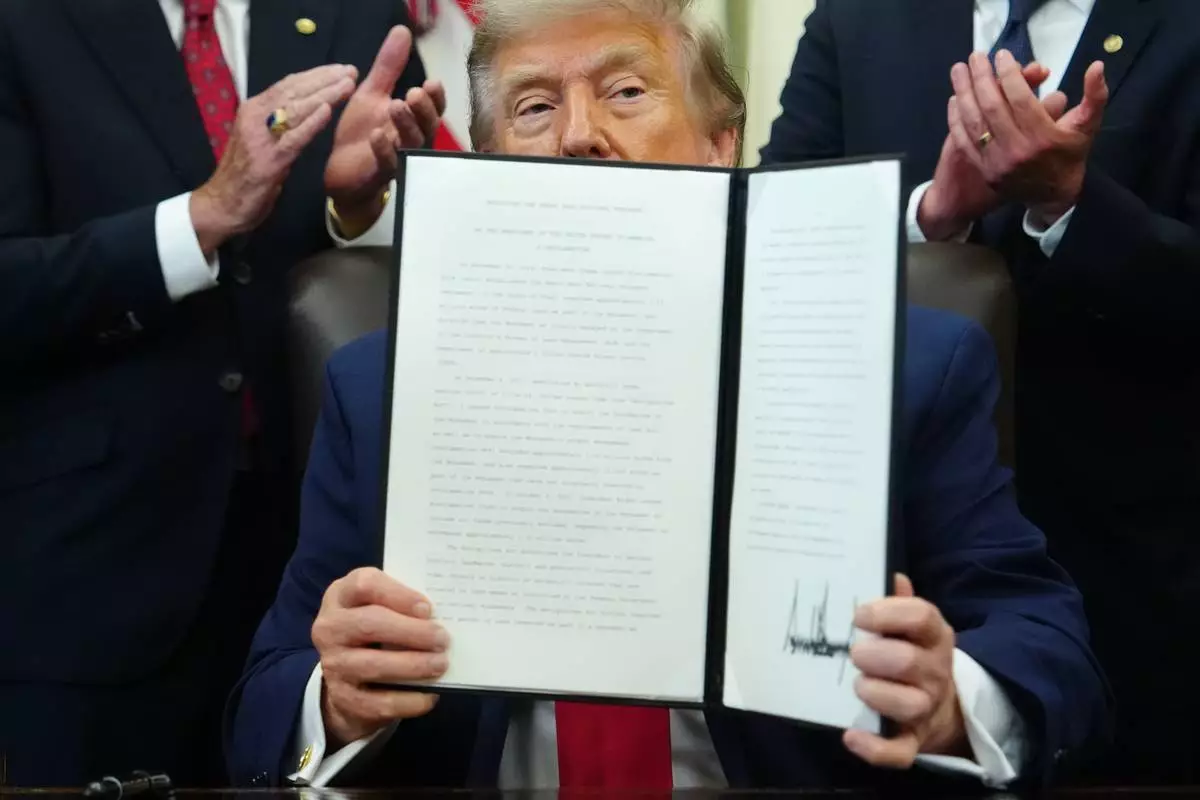
President Donald Trump holds an executive order modifying the Bears Ears National Monument in the Oval Office of the White House, Monday, July 13, 2026, in Washington. (AP Photo/Julia Demaree Nikhinson)
President Donald Trump holds an executive order modifying the Bears Ears National Monument in the Oval Office of the White House, Monday, July 13, 2026, in Washington. (AP Photo/Julia Demaree Nikhinson)
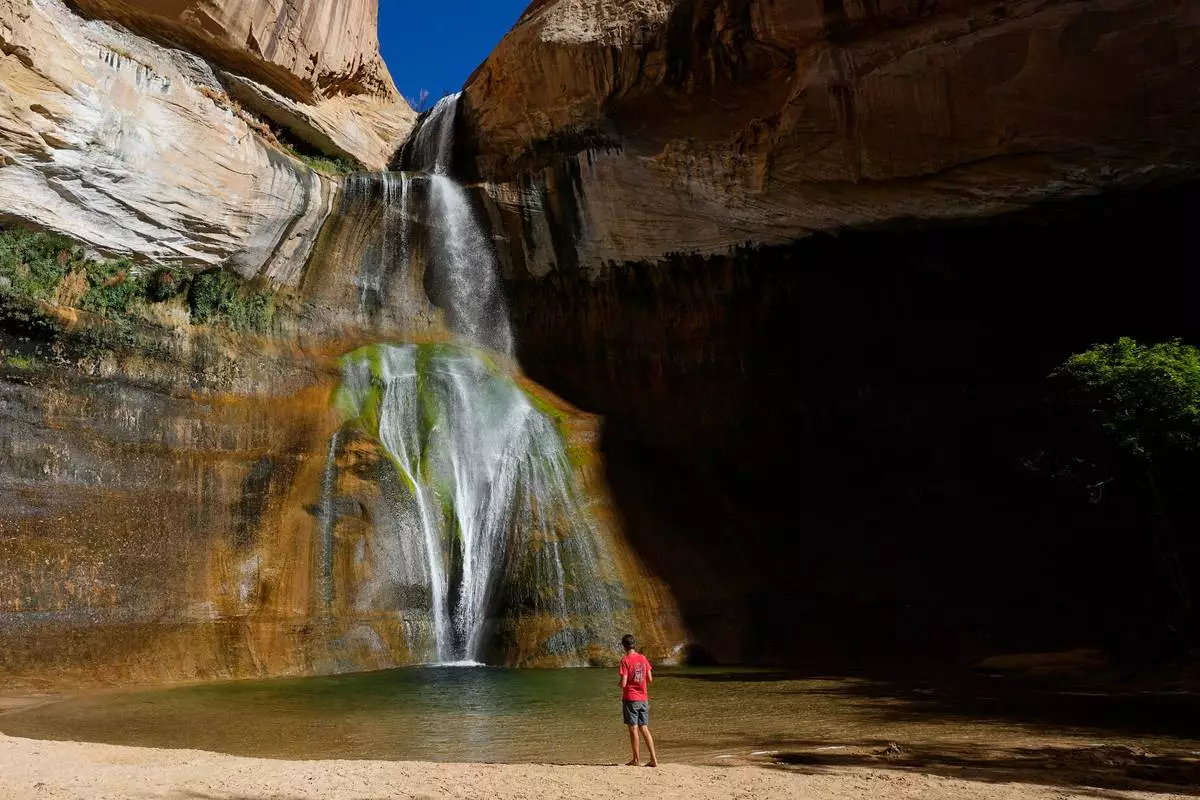
President Donald Trump speaks before signing executive orders modifying the Grand Staircase-Escalante National Monument and the Bears Ears National Monument in the Oval Office of the White House, Monday, July 13, 2026, in Washington. (AP Photo/Julia Demaree Nikhinson)

President Donald Trump speaks before signing executive orders modifying the Grand Staircase-Escalante National Monument and the Bears Ears National Monument in the Oval Office of the White House, Monday, July 13, 2026, in Washington. (AP Photo/Julia Demaree Nikhinson)

FILE - A hiker watches a waterfall at Lower Calf Creek Falls at Grand Staircase Escalante National Monument, July 12, 2023, in Escalante, Utah. (AP Photo/Ross D. Franklin, File)
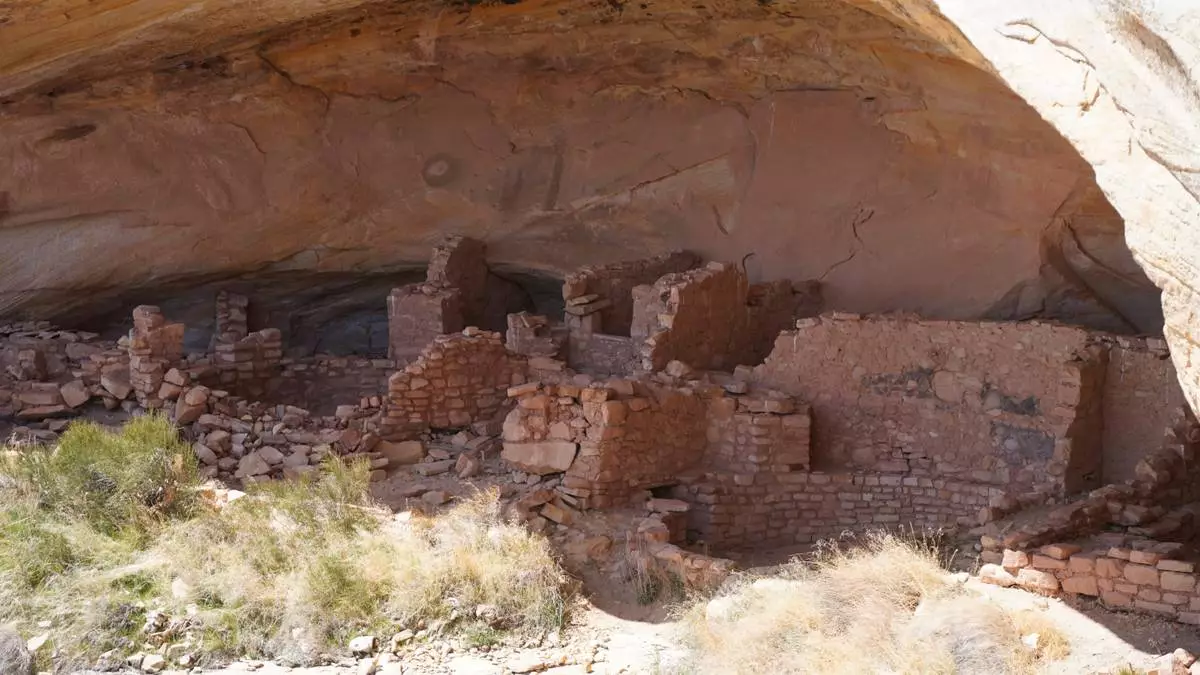
FILE - A hiker watches a waterfall at Lower Calf Creek Falls at Grand Staircase Escalante National Monument, July 12, 2023, in Escalante, Utah. (AP Photo/Ross D. Franklin, File)

FILE - A section of ancient dwellings are seen during U.S. Interior Secretary Deb Haaland's tour along the Butler Wash trail at Bears Ears National Monument, April 8, 2021, near Blanding, Utah. (AP Photo/Rick Bowmer, Pool, File)

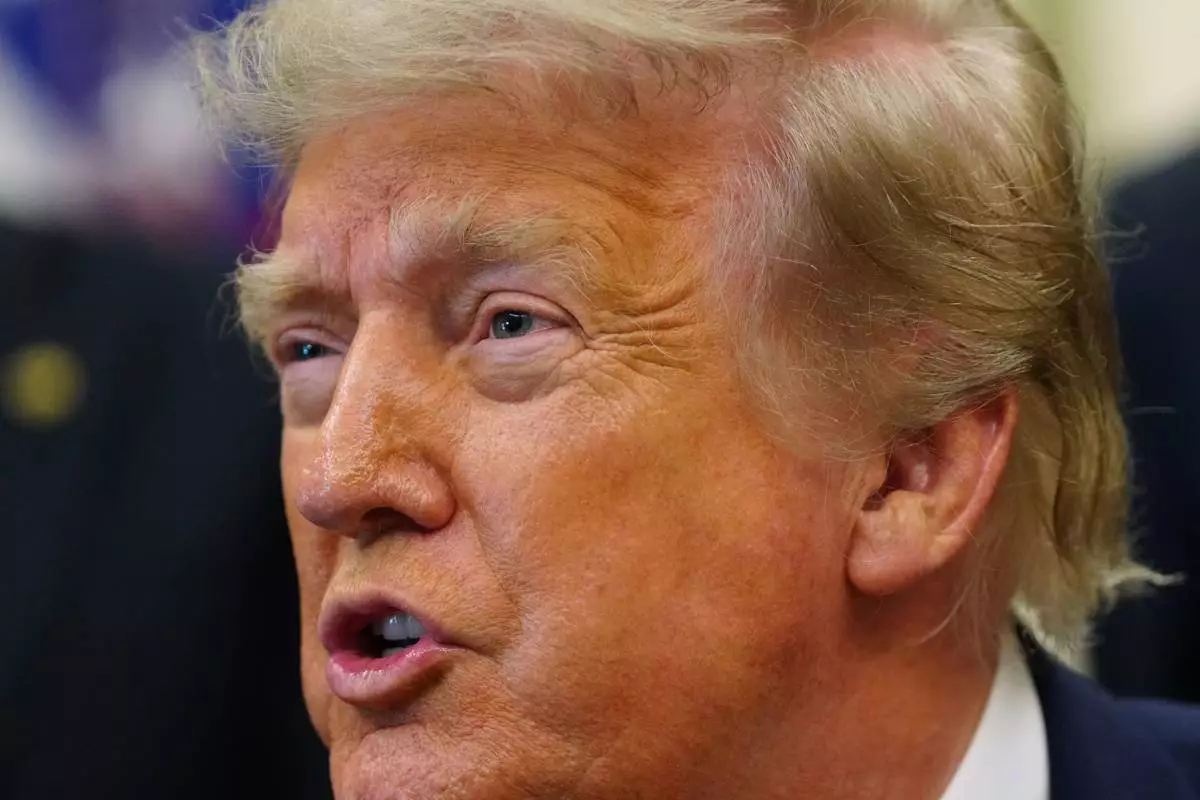
FILE - A section of ancient dwellings are seen during U.S. Interior Secretary Deb Haaland's tour along the Butler Wash trail at Bears Ears National Monument, April 8, 2021, near Blanding, Utah. (AP Photo/Rick Bowmer, Pool, File)
DUBAI, United Arab Emirates (AP) — The U.S. launched strikes on Iran early Tuesday morning, hours after President Donald Trump said Washington is “reinstating” a blockade on Iran in the Strait of Hormuz. Trump separately suggested the United States will charge other ships for safe passage, upending hundreds of years of American policy supporting freedom of navigation across the globe.

Iran responded with attacks targeting Bahrain and two tankers associated with the United Arab Emirates traveling through the strait, killing one mariner and wounding eight others. The Emirates threatened to retaliate against Iran, potentially drawing the nation home to Abu Dhabi and Dubai back into fighting with Tehran.

The attacks come as Iran and the U.S. both vie for control of the strait through which a fifth of all crude oil and natural gas once passed in peacetime. The price of benchmark Brent crude oil rose 7.8% to $81.92 a barrel, still well below the nearly $120 reached at the height of the war but threatening to make costs everywhere higher.

U.S. Central Command announced on social media that the U.S. military had begun another round of strikes against Iran.

“These strikes will continue imposing a heavy cost on Iranian forces and degrade their ability to attack innocent civilians and commercial shipping in the Strait of Hormuz,” the U.S. military said.

Moments after the military announced the new strikes, Trump called it “another major attack.”

“We’re hitting them very hard. And it’ll continue, and we’ll see what happens,” he told reporters in the Oval Office. “We’re knocking out all of their offensive capability and we’re controlling the straits. We’re putting the blockade back.”

Trump also provided new details on his administration doing an about-face and suggesting it will charge tolls for ships going through the strait, after previously suggesting that it wouldn’t.

“We’re protecting a very rich portion of the world,” he said. “We’re spending money. And so, what we’ve done is, we are going to be reimbursed for protection.”

It's a change in U.S. policy that, until now, said the strait should remain open to all without tolls — as it was before the U.S. and Israel attacked Iran on Feb. 28. Any attempt by the U.S. or Iran to charge fees would violate global norms on freedom of navigation and raise tensions, likely causing further economic disruption far beyond the region.

The United Arab Emirates’ Defense Ministry said early Tuesday that Iran attacked two tankers in the Strait of Hormuz, killing one mariner and wounding eight others.

The Emirati Defense Ministry said Iran launched two cruise missiles at the tankers Mombasa and Al Bahiyah.

The attacks set both tankers ablaze, though the fires were extinguished.

Bahrain also came under renewed attack early Tuesday morning as Iran retaliated over the latest round of U.S. airstrikes. Bahrain sounded its missile alert siren, urging the public to seek shelter. There was no word on any damage or casualties from the attack.

The Emirati Defense Ministry said the attack on the tankers killed one Indian national and wounded six Indians and two Ukrainians.

“The UAE reserves its full right to respond to this escalation and to take all necessary measures to protect its territory, its citizens and residents,” the Defense Ministry added.

The Emirates used similar language before launching attacks against Iran during the war. Fighter jets could be heard overheard Tuesday morning in Dubai.

Boak, Weissert and Toropin reported from Washington. Associated Press writers Mae Anderson in New York, Christopher Weber in Los Angeles, Kareem Chehayeb in Beirut, Munir Ahmed in Islamabad and Stella Martany in Irbil, Iraq, contributed to this report.

President Donald Trump speaks after signing executive orders modifying the Bears Ears National Monument and the Grand Staircase-Escalante National Monument in the Oval Office of the White House, Monday, July 13, 2026, in Washington. (AP Photo/Julia Demaree Nikhinson)

President Donald Trump speaks after signing executive orders modifying the Bears Ears National Monument and the Grand Staircase-Escalante National Monument in the Oval Office of the White House, Monday, July 13, 2026, in Washington. (AP Photo/Julia Demaree Nikhinson)

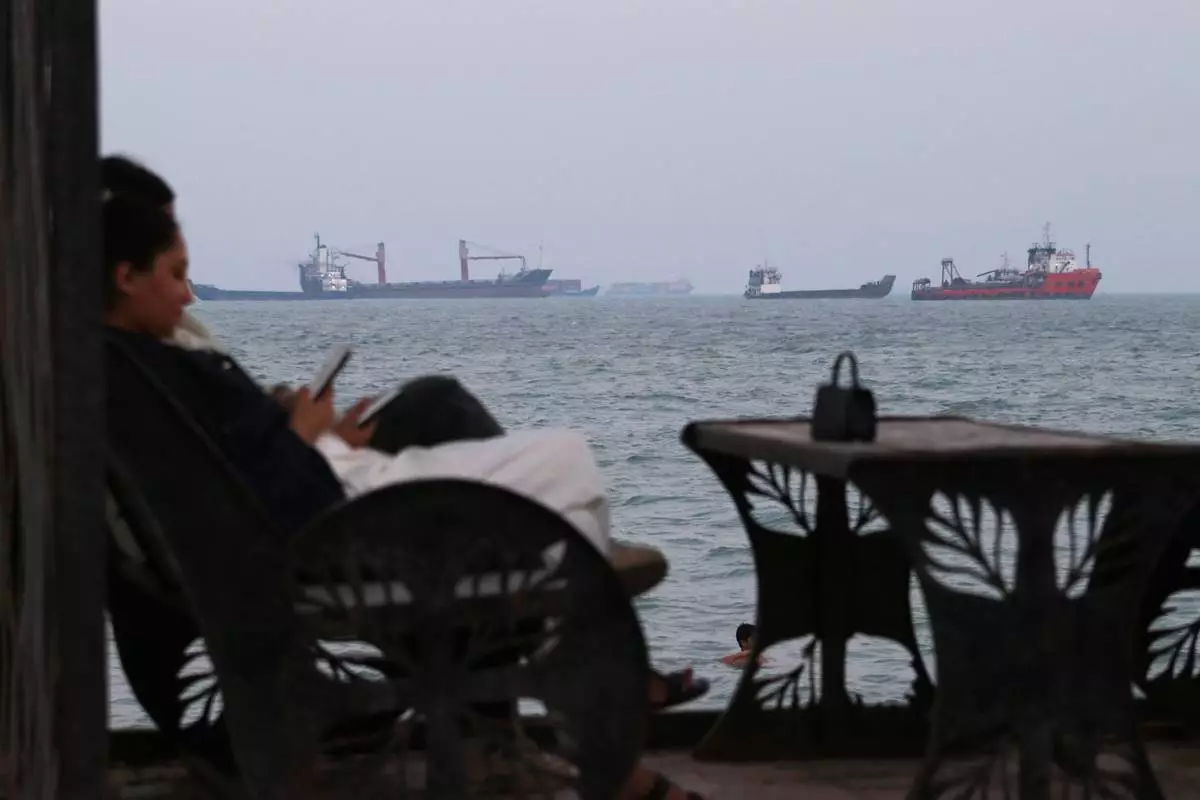
Residents check their cellphones as they sit at a cafe overlooking commercial vessels anchored in the Strait of Hormuz, off Bandar Abbas, Iran, Sunday, July 12, 2026. (Razieh Poudat/ISNA via AP)

Residents check their cellphones as they sit at a cafe overlooking commercial vessels anchored in the Strait of Hormuz, off Bandar Abbas, Iran, Sunday, July 12, 2026. (Razieh Poudat/ISNA via AP)

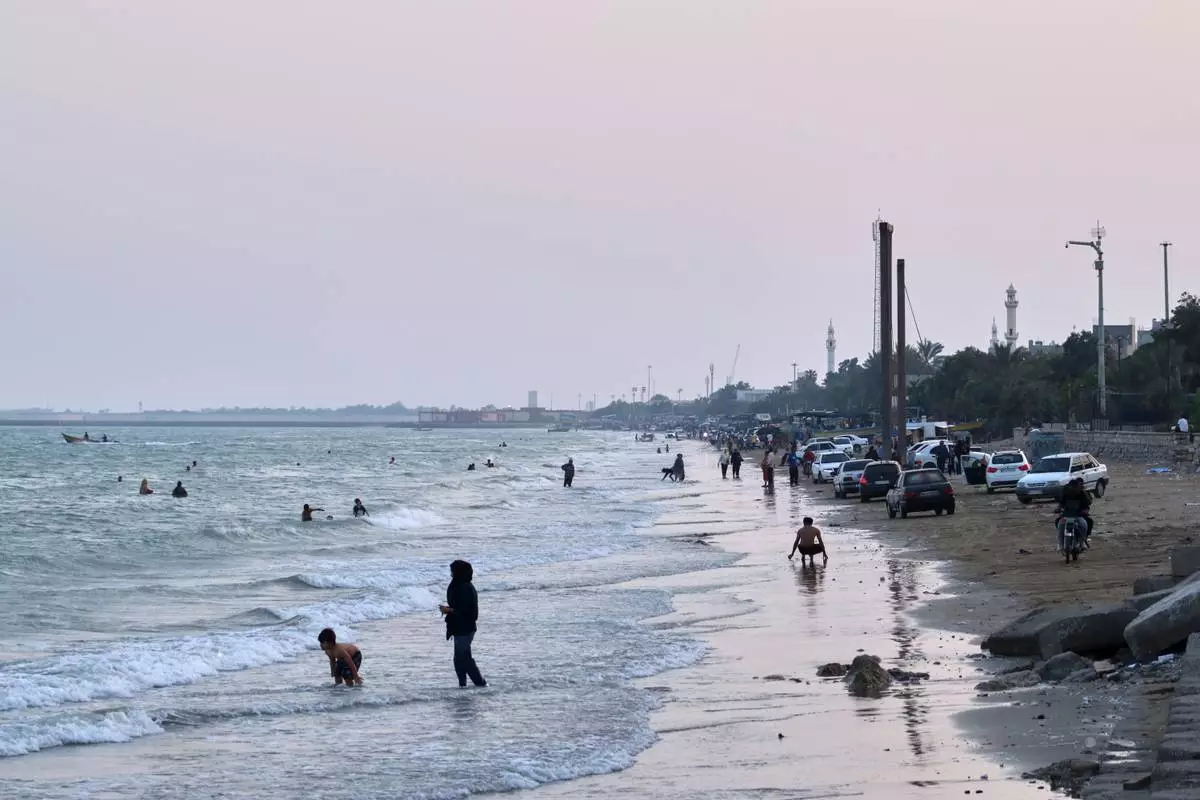
People swim and spend time along the shore of the Strait of Hormuz, off Bandar Abbas, Iran, Sunday, July 12, 2026. (Razieh Poudat/ISNA via AP)

People swim and spend time along the shore of the Strait of Hormuz, off Bandar Abbas, Iran, Sunday, July 12, 2026. (Razieh Poudat/ISNA via AP)

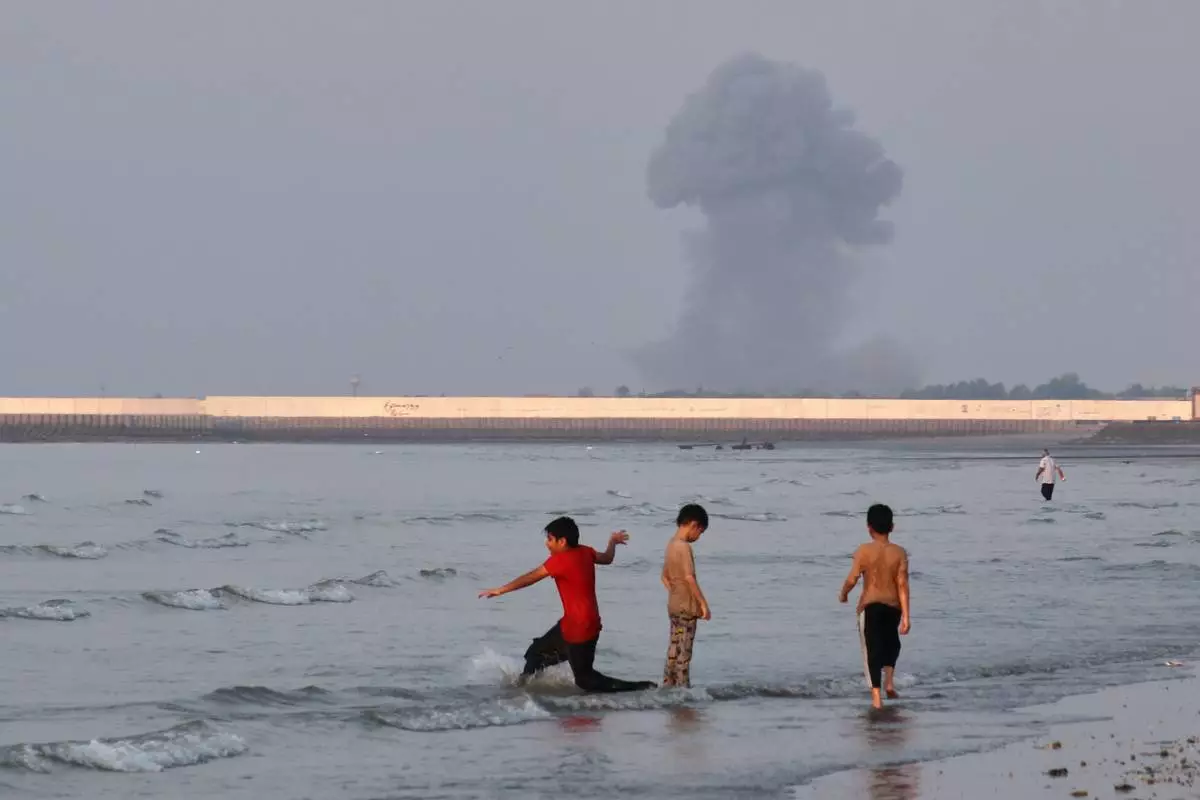
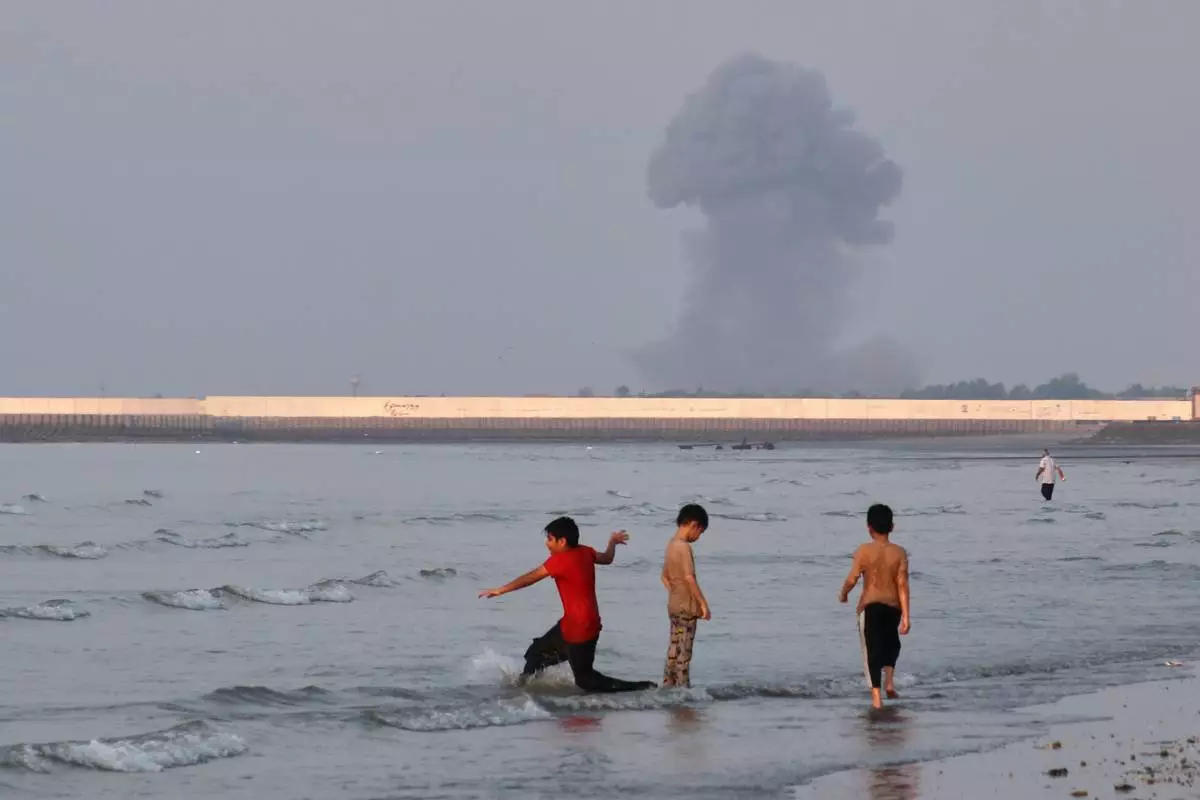
Three boys play in the shallow waters of the Strait of Hormuz, as a plume of smoke rises from an explosion in the background, off Bandar Abbas, Iran, Monday, July 13, 2026. (Razieh Poudat/ISNA via AP)

Three boys play in the shallow waters of the Strait of Hormuz, as a plume of smoke rises from an explosion in the background, off Bandar Abbas, Iran, Monday, July 13, 2026. (Razieh Poudat/ISNA via AP)

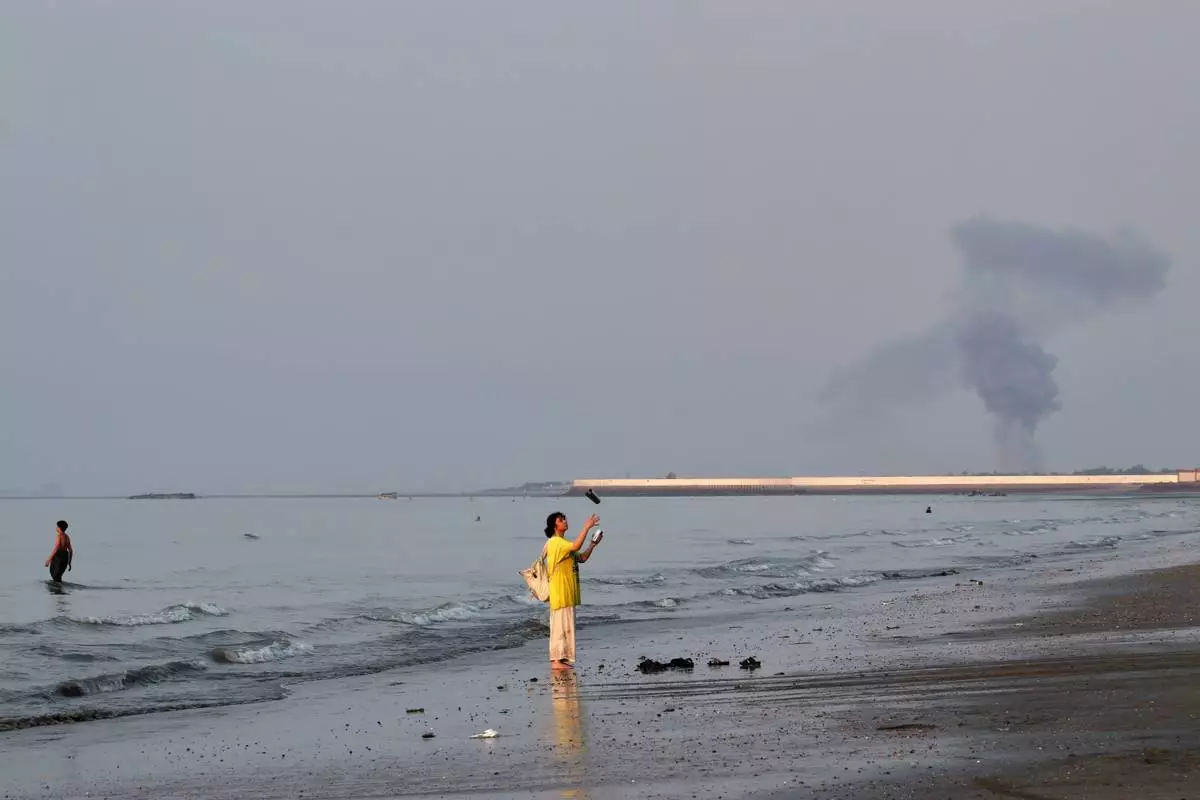
A woman stands at the water's edge along the Strait of Hormuz as a plume of smoke rises in the background following an explosion, off Bandar Abbas, Iran, Monday, July 13, 2026. (Razieh Poudat/ISNA via AP)

A woman stands at the water's edge along the Strait of Hormuz as a plume of smoke rises in the background following an explosion, off Bandar Abbas, Iran, Monday, July 13, 2026. (Razieh Poudat/ISNA via AP)

Three boys play in the shallow waters of the Strait of Hormuz, as a plume of smoke rises from an explosion in the background, off Bandar Abbas, Iran, Monday, July 13, 2026. (Razieh Poudat/ISNA via AP)

Three boys play in the shallow waters of the Strait of Hormuz, as a plume of smoke rises from an explosion in the background, off Bandar Abbas, Iran, Monday, July 13, 2026. (Razieh Poudat/ISNA via AP)

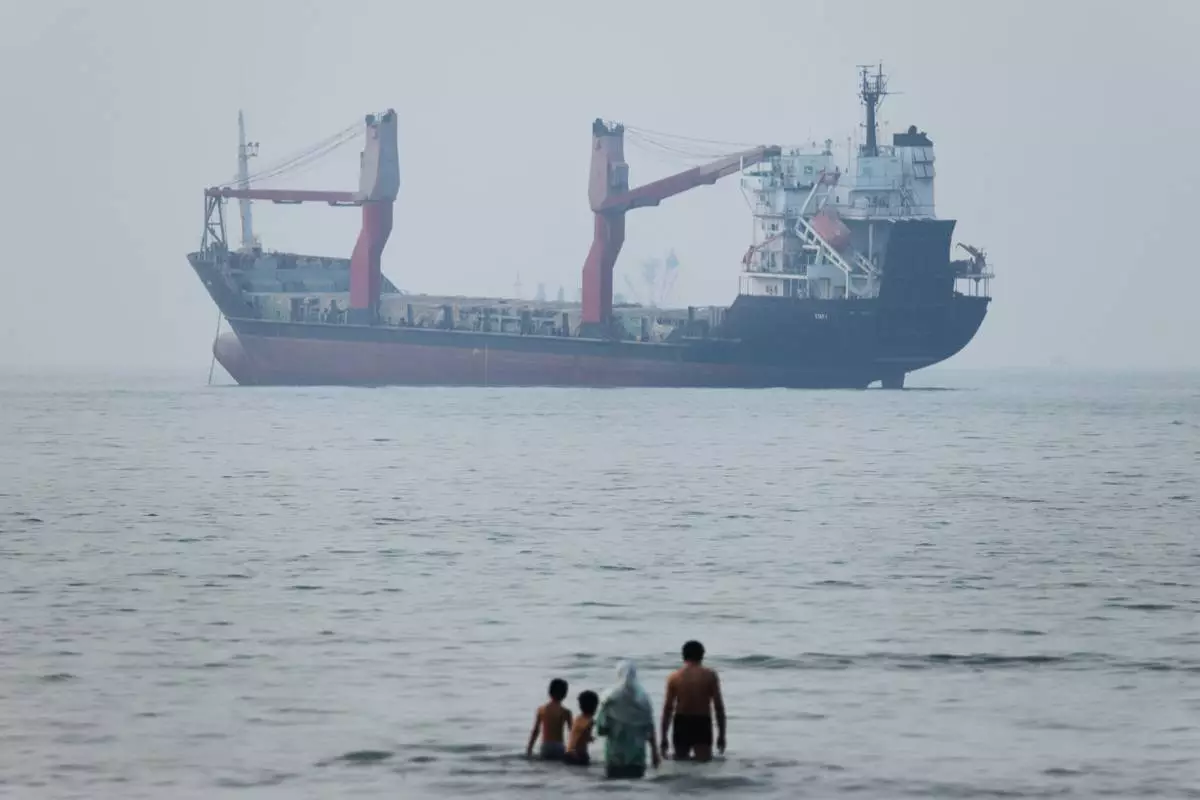
A group of people stands in shallow water as a cargo ship appears anchored in the Strait of Hormuz off Bandar Abbas, Iran, Tuesday, June 30, 2026. (Amirhosein Khorgooi/ISNA via AP)

A group of people stands in shallow water as a cargo ship appears anchored in the Strait of Hormuz off Bandar Abbas, Iran, Tuesday, June 30, 2026. (Amirhosein Khorgooi/ISNA via AP)

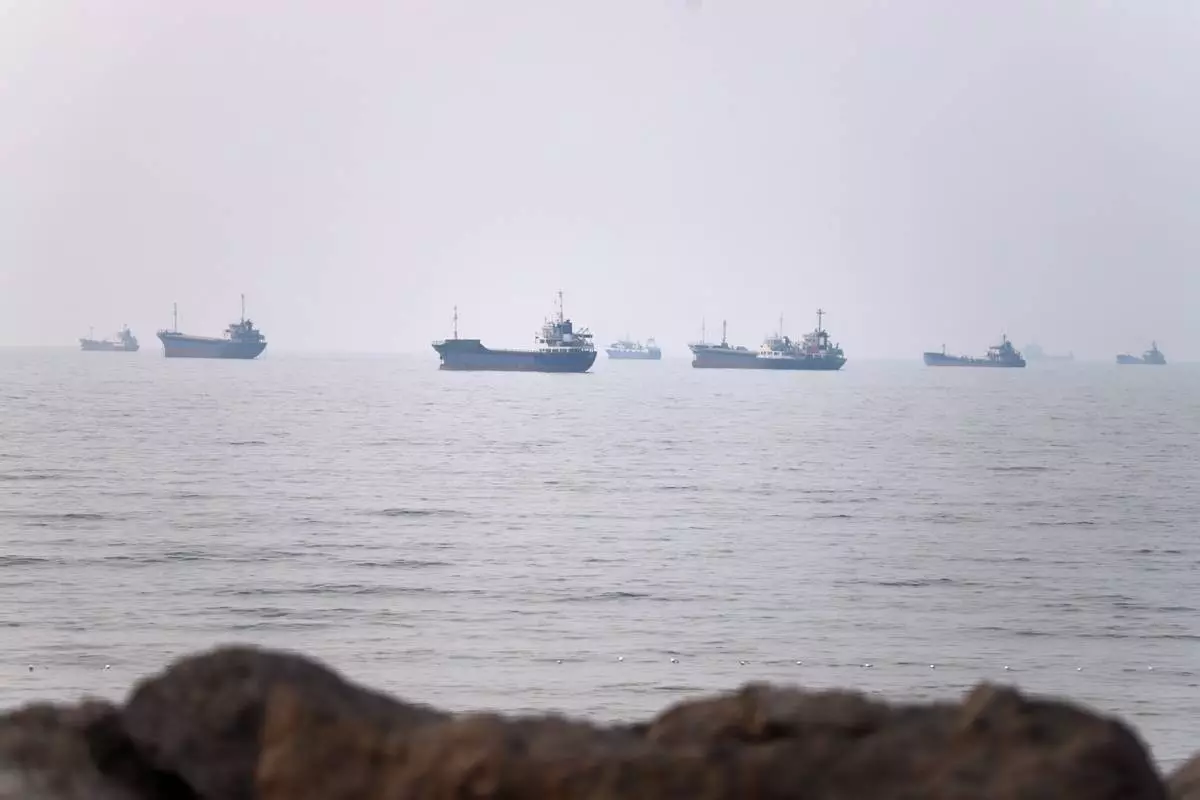
Commercial vessels are seen in the Strait of Hormuz off Bandar Abbas, Iran, Tuesday, June 30, 2026. (Amirhosein Khorgooi/ISNA via AP)

Commercial vessels are seen in the Strait of Hormuz off Bandar Abbas, Iran, Tuesday, June 30, 2026. (Amirhosein Khorgooi/ISNA via AP)

Recommended Articles