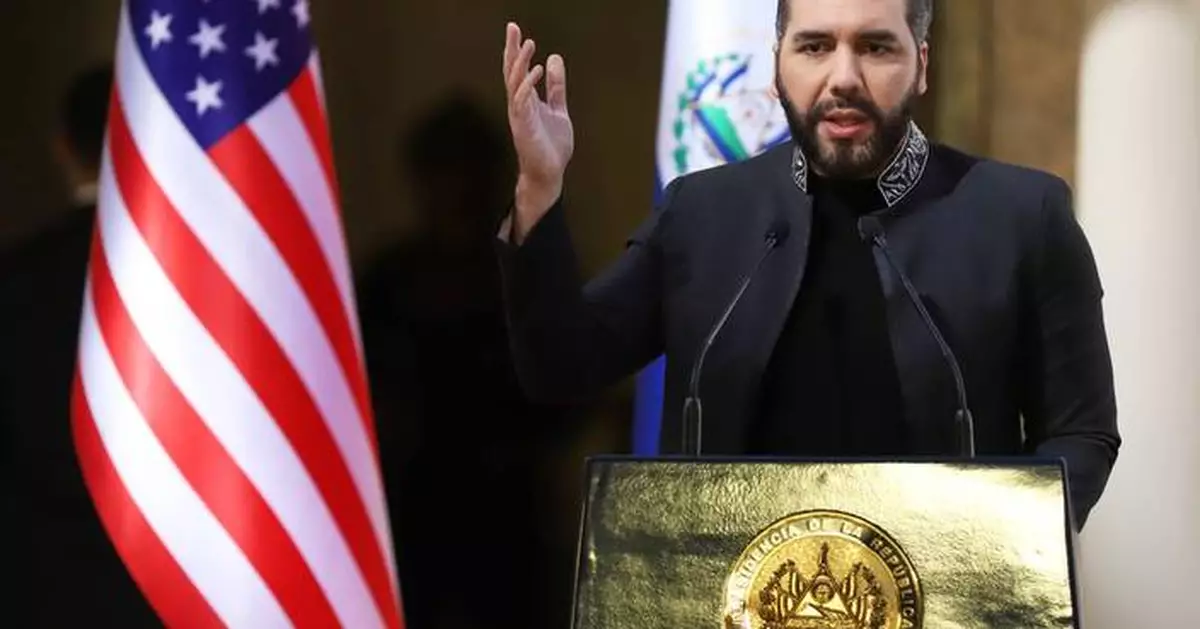
SAN SALVADOR (AP) — El Salvador's ruling party on Monday ratified President Nayib Bukele’s candidacy for February 2027 presidential elections, paving the way for a third consecutive term that has been highly criticized by lawyers and human rights advocates.
Bukele's party Nuevas Ideas, which holds a supermajority in the legislative assembly, held its internal elections Sunday and announced the results on Twitter on Monday. Vice President Félix Ulloa will once again be Bukele’s running mate.
Bukele, 44, took office in June 2019 as the region's youngest president and has continued to enjoy high approval ratings.
His February 2024 reelection — with nearly 85% of the valid votes — was highly criticized by constitutional scholars for violating a ban on consecutive reelection. They accuse Bukele of illegally replacing the country's constitutional Court judges and attorney general to concentrate his power.
“Remaining in power is to avoid accountability for grave acts of corruption and crimes against humanity,” said Ingrid Escobar, lawyer and director of Salvadoran group Humanitarian Legal Aid, who called seeking a third term unconstitutional.
A September 2021 ruling by the constitutional Court allowed presidential reelection “for one term only.”
The ruling-party controlled Legislative Assembly then approved a constitutional reform in July 2025 to allow indefinite presidential reelection. The reform eliminated the penalty of loss of citizenship rights for those who promoted presidential reelection and the ban on presidential candidacy for those who had served as president in the previous term.
This constitutional reform also extended the presidential term from five to six years and moved up the presidential elections to 2027. The constitution previously allowed reelection of a past president after 10 years out of office.
The president has defended the constitutional reforms approved by the legislative assembly.
Bukele stated that “90% of developed countries allow the indefinite reelection of their head of government and nobody bats an eye.” He added that when a small, poor country like El Salvador tries to do the same, “it suddenly becomes the end of democracy.”
Salvadorans credit the president's security policies, including a four-year state of emergency that has imprisoned more than 90,000 Salvadorans, for drastically reducing homicide rates and making them feel safer in the country.
In 2015, El Salvador registered one of its most violent years, with 6,656 murders and a homicide rate of 106 per 100,000 inhabitants.
The country ended 2025 with a record low in homicides — 82 cases — according to government statistics.
More than 500 people have died in prison since the state of emergency, mainly for health reasons but some related to violence, according to human rights organizations.
Follow AP’s Latin America coverage at https://apnews.com/hub/latin-america
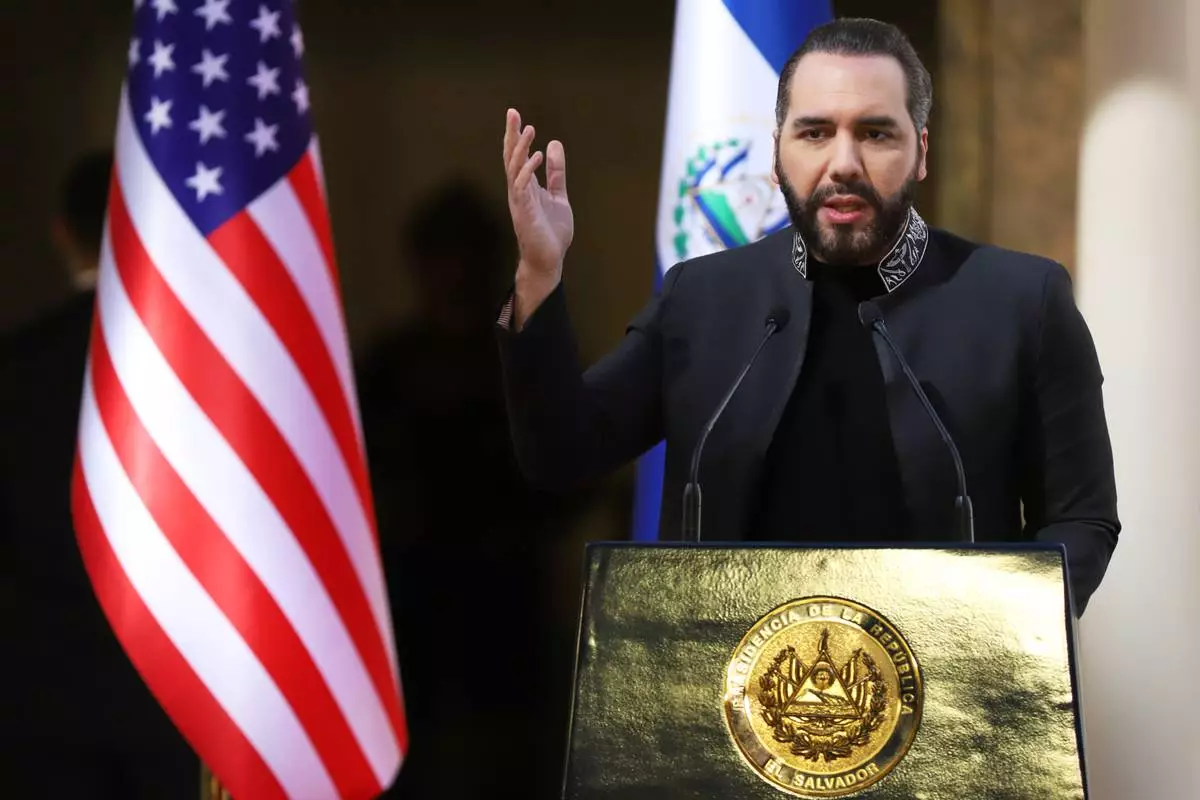
FILE - El Salvador's President Nayib Bukele speaks at the National Palace as he hosts a meeting with U.S. congresspeople in San Salvador, El Salvador, Jan. 19, 2026. (AP Photo/Salvador Melendez, File)
DUBAI, United Arab Emirates (AP) — The U.S. launched strikes on Iran early Tuesday morning, hours after President Donald Trump said Washington is “reinstating” a blockade on Iran in the Strait of Hormuz. Trump separately suggested the United States will charge other ships for safe passage, upending hundreds of years of American policy supporting freedom of navigation across the globe.
Iran responded with attacks targeting Bahrain and two tankers associated with the United Arab Emirates traveling through the strait, killing one mariner and wounding eight others. The Emirates threatened to retaliate against Iran, potentially drawing the nation home to Abu Dhabi and Dubai back into fighting with Tehran.
The attacks come as Iran and the U.S. both vie for control of the strait through which a fifth of all crude oil and natural gas once passed in peacetime. The price of benchmark Brent crude oil rose 7.8% to $81.92 a barrel, still well below the nearly $120 reached at the height of the war but threatening to make costs everywhere higher.
U.S. Central Command announced on social media that the U.S. military had begun another round of strikes against Iran.
“These strikes will continue imposing a heavy cost on Iranian forces and degrade their ability to attack innocent civilians and commercial shipping in the Strait of Hormuz,” the U.S. military said.
Moments after the military announced the new strikes, Trump called it “another major attack.”
“We’re hitting them very hard. And it’ll continue, and we’ll see what happens,” he told reporters in the Oval Office. “We’re knocking out all of their offensive capability and we’re controlling the straits. We’re putting the blockade back.”
Trump also provided new details on his administration doing an about-face and suggesting it will charge tolls for ships going through the strait, after previously suggesting that it wouldn’t.
“We’re protecting a very rich portion of the world,” he said. “We’re spending money. And so, what we’ve done is, we are going to be reimbursed for protection.”
It's a change in U.S. policy that, until now, said the strait should remain open to all without tolls — as it was before the U.S. and Israel attacked Iran on Feb. 28. Any attempt by the U.S. or Iran to charge fees would violate global norms on freedom of navigation and raise tensions, likely causing further economic disruption far beyond the region.
The United Arab Emirates’ Defense Ministry said early Tuesday that Iran attacked two tankers in the Strait of Hormuz, killing one mariner and wounding eight others.
The Emirati Defense Ministry said Iran launched two cruise missiles at the tankers Mombasa and Al Bahiyah.
The attacks set both tankers ablaze, though the fires were extinguished.
Bahrain also came under renewed attack early Tuesday morning as Iran retaliated over the latest round of U.S. airstrikes. Bahrain sounded its missile alert siren, urging the public to seek shelter. There was no word on any damage or casualties from the attack.
The Emirati Defense Ministry said the attack on the tankers killed one Indian national and wounded six Indians and two Ukrainians.
“The UAE reserves its full right to respond to this escalation and to take all necessary measures to protect its territory, its citizens and residents,” the Defense Ministry added.
The Emirates used similar language before launching attacks against Iran during the war. Fighter jets could be heard overheard Tuesday morning in Dubai.
Boak, Weissert and Toropin reported from Washington. Associated Press writers Mae Anderson in New York, Christopher Weber in Los Angeles, Kareem Chehayeb in Beirut, Munir Ahmed in Islamabad and Stella Martany in Irbil, Iraq, contributed to this report.
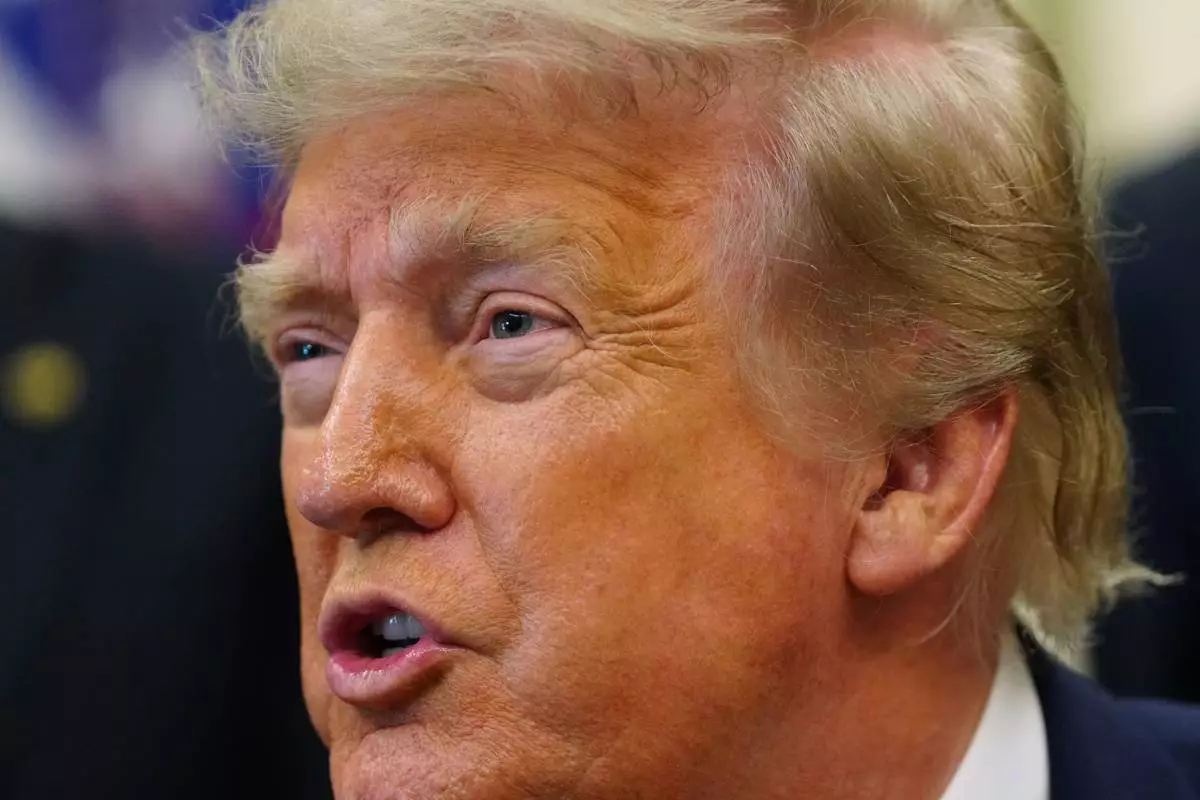
President Donald Trump speaks after signing executive orders modifying the Bears Ears National Monument and the Grand Staircase-Escalante National Monument in the Oval Office of the White House, Monday, July 13, 2026, in Washington. (AP Photo/Julia Demaree Nikhinson)
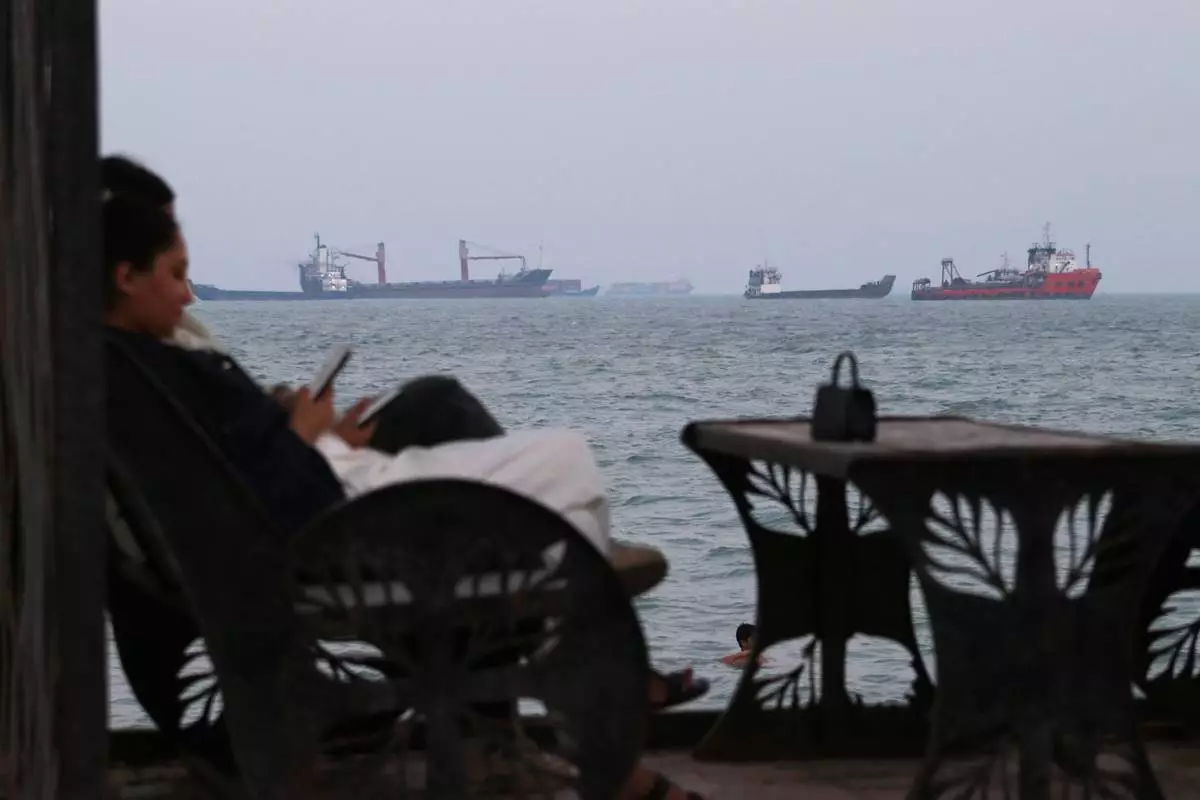
Residents check their cellphones as they sit at a cafe overlooking commercial vessels anchored in the Strait of Hormuz, off Bandar Abbas, Iran, Sunday, July 12, 2026. (Razieh Poudat/ISNA via AP)
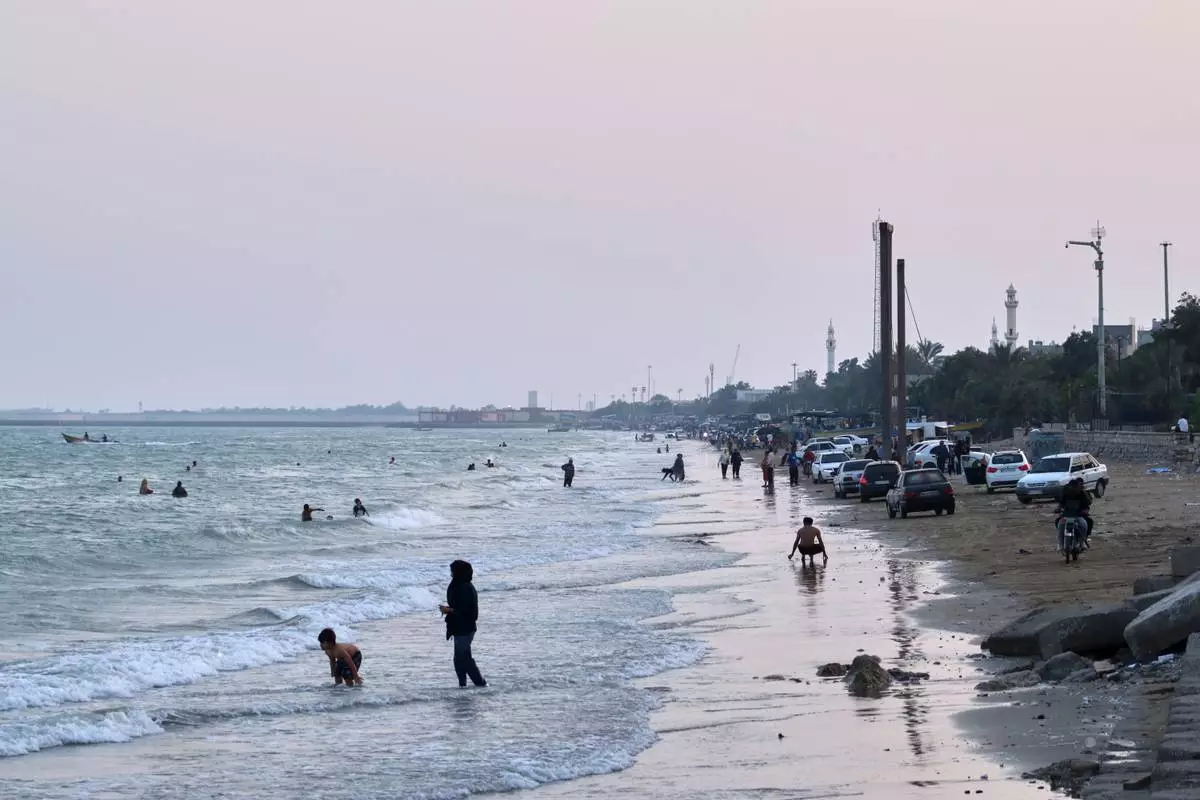
People swim and spend time along the shore of the Strait of Hormuz, off Bandar Abbas, Iran, Sunday, July 12, 2026. (Razieh Poudat/ISNA via AP)
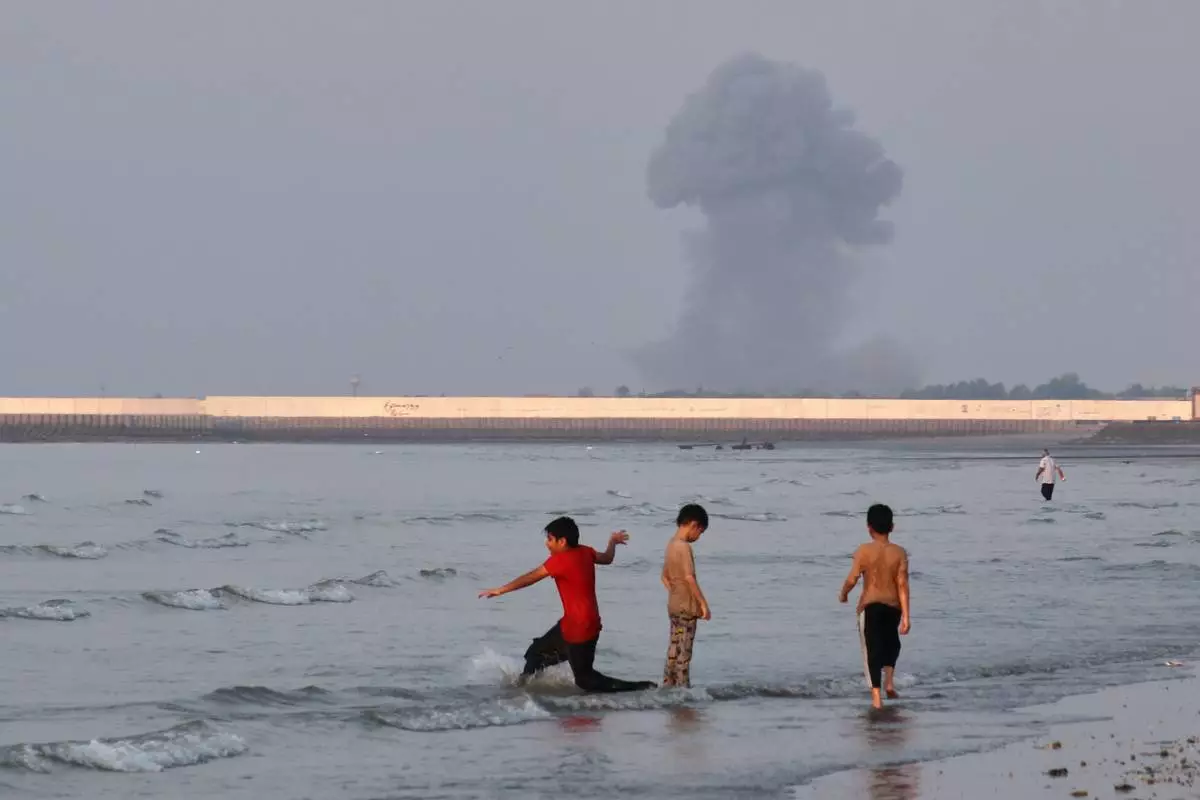
Three boys play in the shallow waters of the Strait of Hormuz, as a plume of smoke rises from an explosion in the background, off Bandar Abbas, Iran, Monday, July 13, 2026. (Razieh Poudat/ISNA via AP)
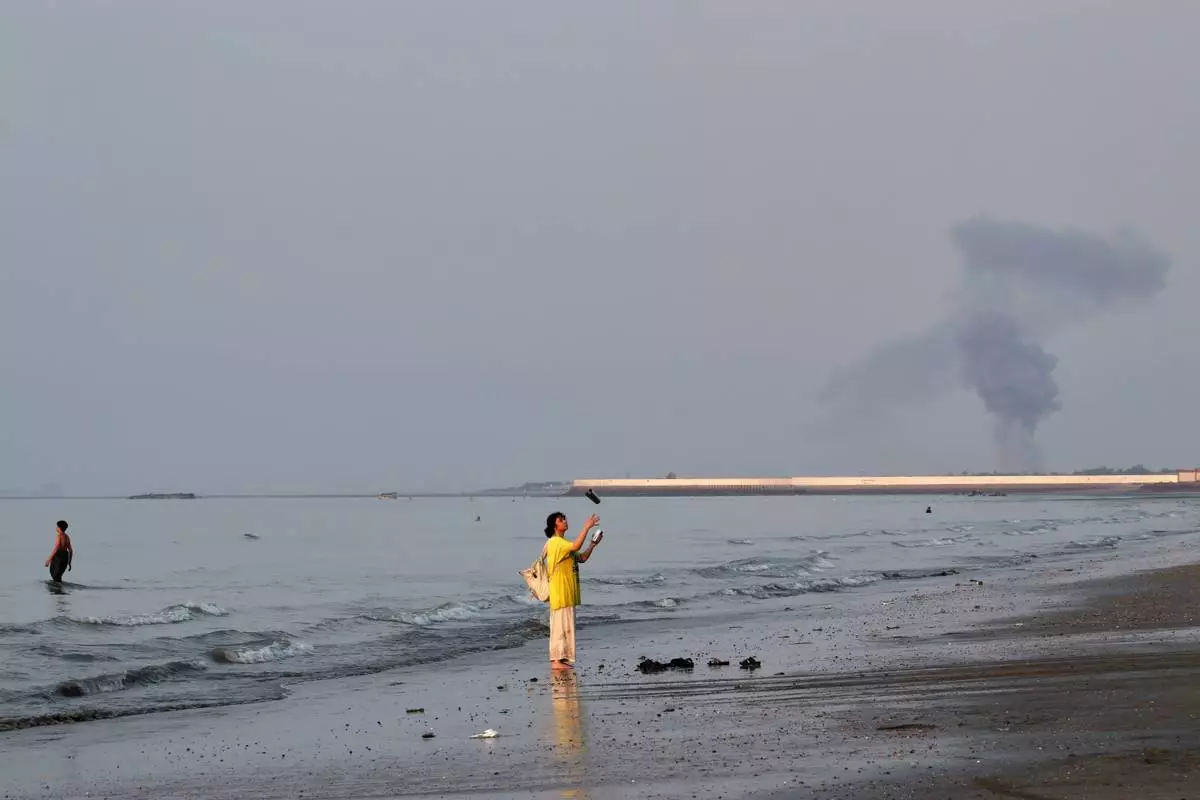
A woman stands at the water's edge along the Strait of Hormuz as a plume of smoke rises in the background following an explosion, off Bandar Abbas, Iran, Monday, July 13, 2026. (Razieh Poudat/ISNA via AP)
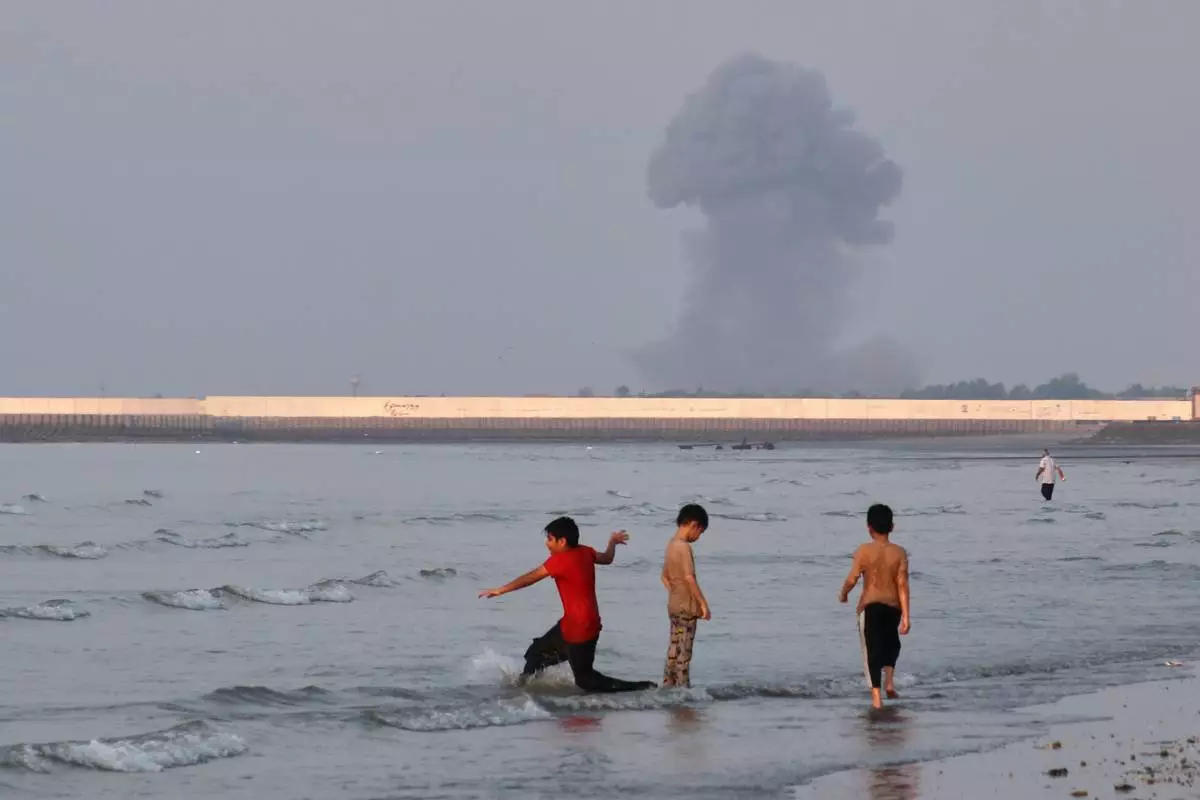
Three boys play in the shallow waters of the Strait of Hormuz, as a plume of smoke rises from an explosion in the background, off Bandar Abbas, Iran, Monday, July 13, 2026. (Razieh Poudat/ISNA via AP)
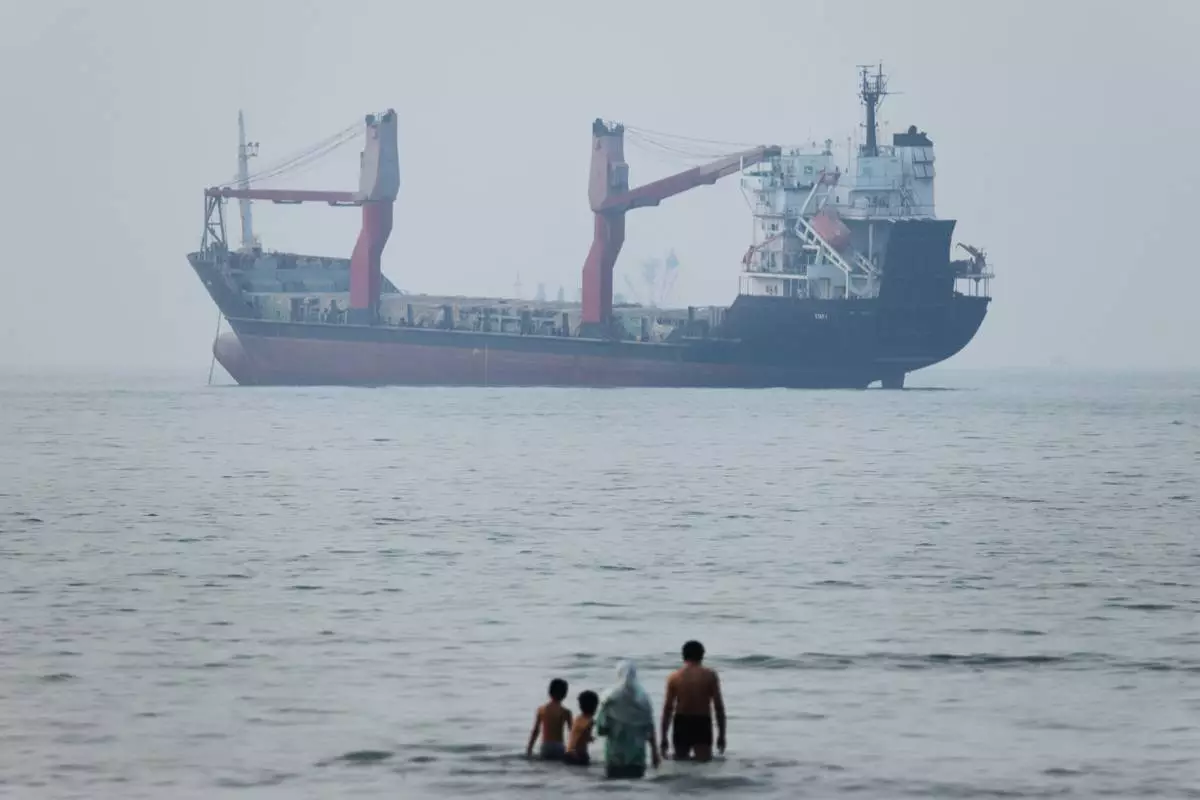
A group of people stands in shallow water as a cargo ship appears anchored in the Strait of Hormuz off Bandar Abbas, Iran, Tuesday, June 30, 2026. (Amirhosein Khorgooi/ISNA via AP)
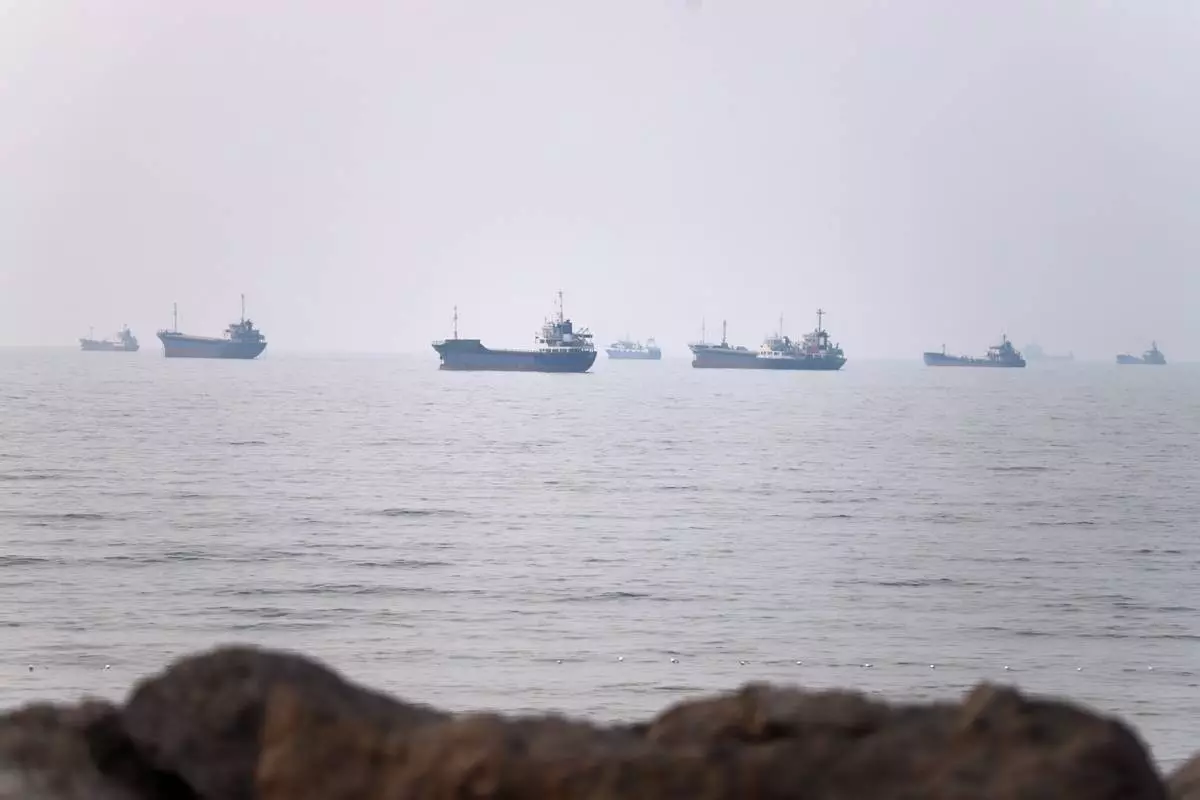
Commercial vessels are seen in the Strait of Hormuz off Bandar Abbas, Iran, Tuesday, June 30, 2026. (Amirhosein Khorgooi/ISNA via AP)