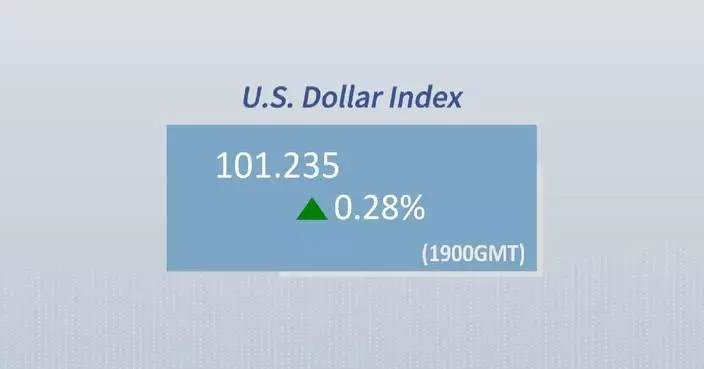
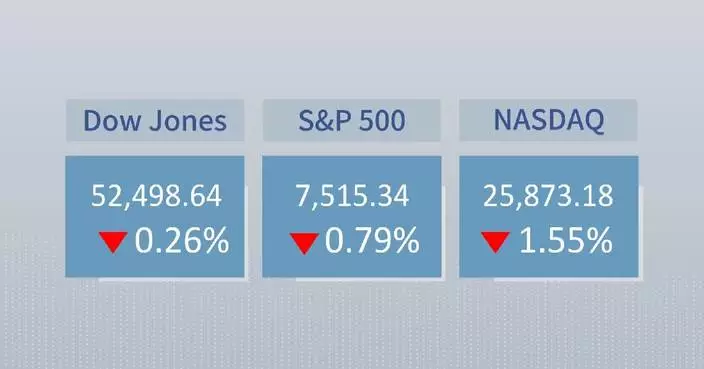
International gold and silver prices both dropped on Monday.
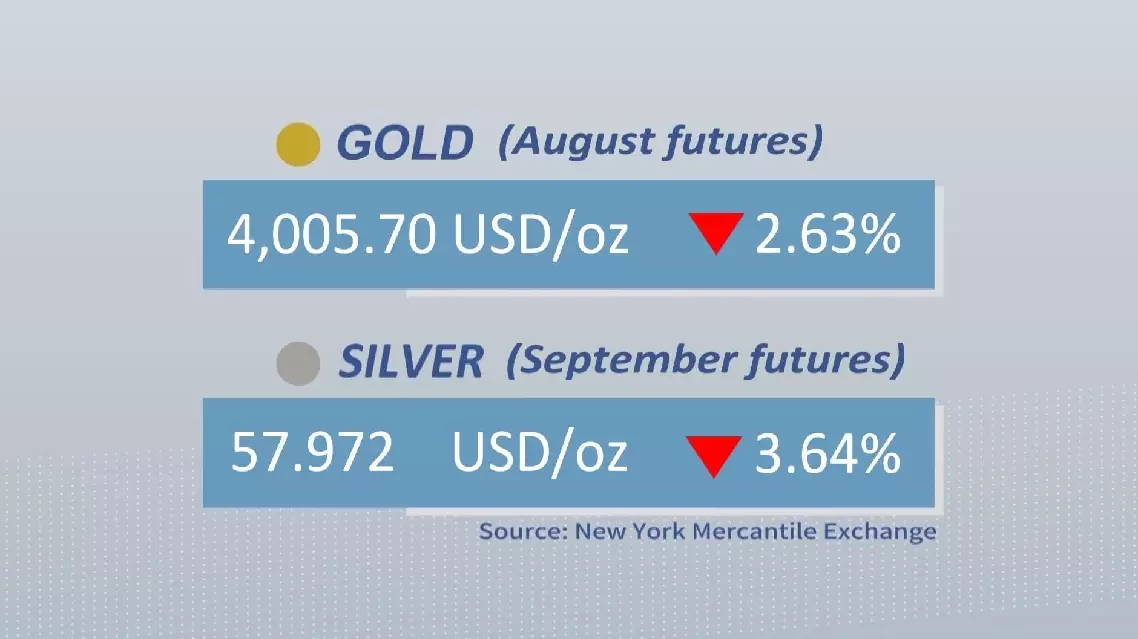
On the New York Mercantile Exchange, gold futures for August delivery fell 2.63 percent to settle at 4,005.70 U.S. dollars per ounce, while silver futures for September delivery dropped 3.64 percent to close at 57.972 dollars per ounce.
Gold, silver futures drop on Monday
An Iranian political analyst charges that the United States has never genuinely sought to implement the 2015 Iran nuclear deal or de-escalate tensions with Iran, but has instead used the agreement as a cover for containing Iran, leading Iranian society to realize that depending on the U.S. for resolving tensions is no longer feasible.
After nearly two years of intensive negotiations, Iran and world powers reached the historic Joint Comprehensive Plan of Action (JCPOA) nuclear agreement, commonly known as the Iran nuclear deal, on July 14, 2015.
The deal imposed restrictions on Iran's nuclear program, including scaling back uranium enrichment, reducing centrifuges, and accepting stricter international inspections, in exchange for sanction relief.
Following the deal, Iran once hoped for resolving the long-standing sanctions pressure through diplomacy to improve the economy and gradually restore economic cooperation with the rest of the international community.
"There were different thoughts in Iran. Some believed that there could be an agreement struck with the United States in order to do conflict resolution. Those who believed in conflict resolution, they expected the sanctions to be removed, and they expected normalization of the conditions or at least de-escalation. But it was proved at the end of the day that there was no de-escalation, that the U.S. was looking for containment," said Mostafa Khoshcheshm, a Tehran-based expert on politics and international affairs.
In January 2016, the International Atomic Energy Agency confirmed that Iran had implemented the nuclear measures required under the deal. The U.S. and the European Union subsequently announced the lifting of some sanctions, and the agreement entered its implementation phase.
However, this diplomatic achievement did not last long. In May 2018, U.S. President Donald Trump announced that the U.S. would withdraw from the Iran nuclear deal and reimpose sanctions on Iran, marking a turning point in the fate of the agreement.
Soon, the U.S. restored restrictions on sectors such as Iran's oil exports and financial transactions, exerting maximum pressure on Iran.
Iran believes that the U.S. unilateral withdrawal has undermined mutual trust between the two sides.
From 2019 onward, Iran gradually began scaling back some of its commitments under the deal, stating that the move was a response to the U.S. withdrawal from the deal and the restoration of sanctions. This pushed the agreement into a crisis.
"In all of them, Iran has always been in compliance. The Western countries should have done one single thing, that's removing sanctions, and they never did that. Everyone realized that you may never pin hope on the United States for conflict resolution, that they are looking for disintegration of Iran. So, the public changed side in their directions," Khoshcheshm said.
At present, the U.S. and Iran have yet to reach a full ceasefire. Iran's challenges now extend far beyond the nuclear issue. Against a backdrop of intertwined conflict and negotiation, the nuclear deal signed 11 years ago has once again become a major reference for Iranian society as it reflects on ties with the U.S.
"There is no way out but final war. Everyone can see that. If it was the nuclear issue, they could have resolved it in the last year talks. So, it's not about the nuclear issue. It's about Iran as a regional power. What they cannot tolerate is an independent Iran as a role model for other regional nations in the heartland of the world, that is the Middle East," Khoshcheshm said.
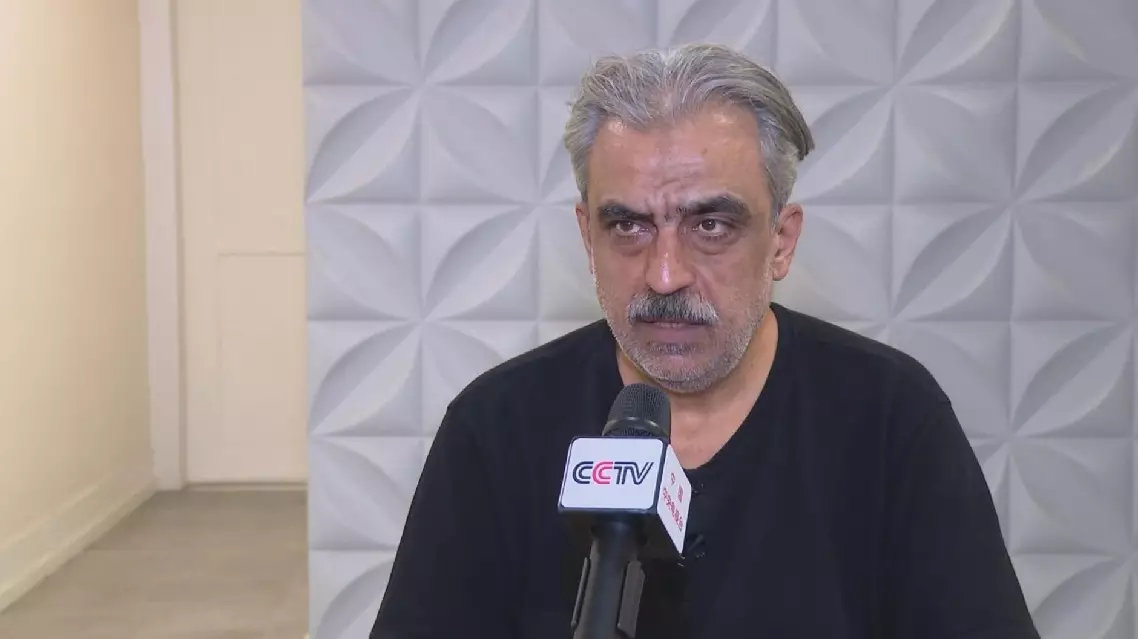
U.S. uses nuclear deal as cover to contain Iran: expert