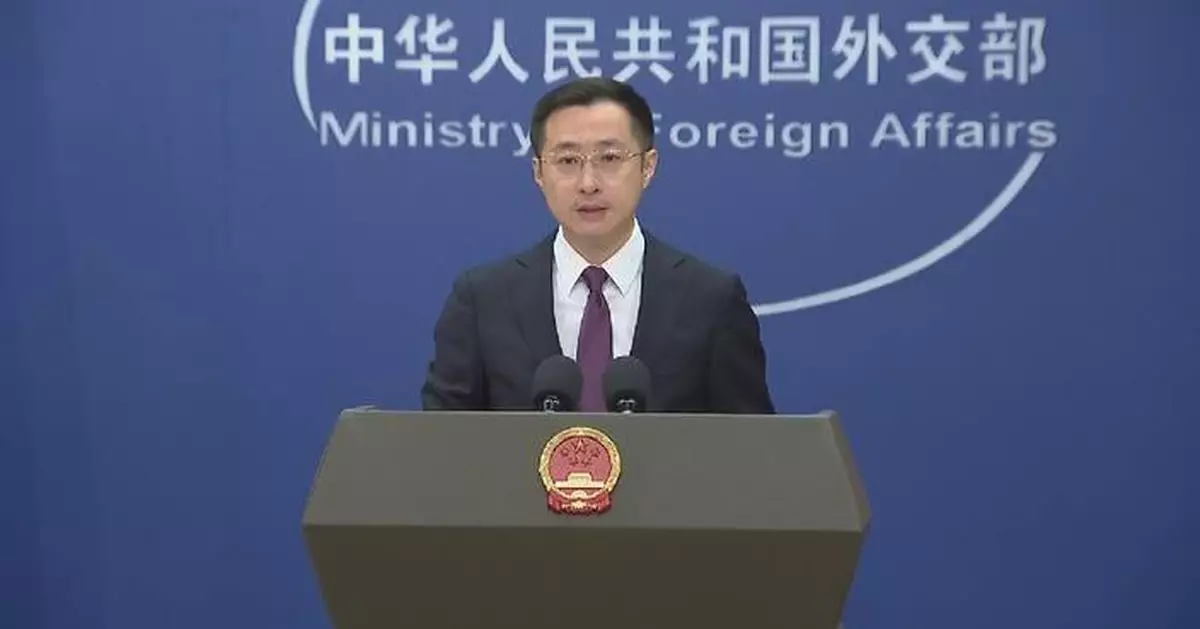
China is deeply concerned over the resurgence of military conflicts in the Gulf region, Chinese Foreign Ministry spokesman Lin Jian said at a regular press briefing in Beijing on Tuesday, urging relevant parties to exercise restraint and maintain the hard-won ceasefire.
Lin responded to a media query about the latest developments in the Middle East.
"China is deeply concerned over the resurgence of military conflicts in the Gulf region. China urges relevant parties to heed the strong calls of the international community and regional countries for peace and stability, remain rational, exercise restraint, maintain the hard-won ceasefire, and prevent the resumption of hostilities. Still less should any escalation be allowed to claim more innocent lives," he said.
"It is a shared aspiration of the international community to see the legitimate rights and interests of the coastal states over the Strait of Hormuz respected and normal safe passage through the strait restored as soon as possible. All parties concerned should work in the same direction and properly address the issue through dialogue and cooperation. China stands ready to continue upholding the spirit of the four-point proposition put forward by Chinese President Xi Jinping and make unremitting efforts to help de-escalate tensions and stabilize the situation in the Gulf and the wider Middle East," said Lin.
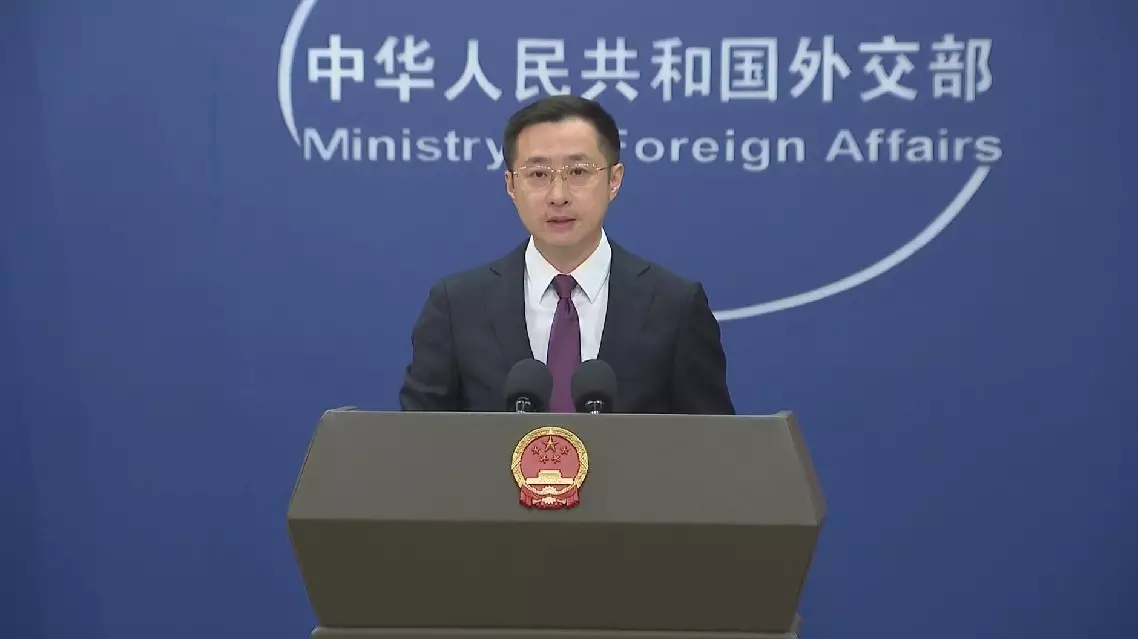
China voices concern over renewed Gulf conflict: spokesman
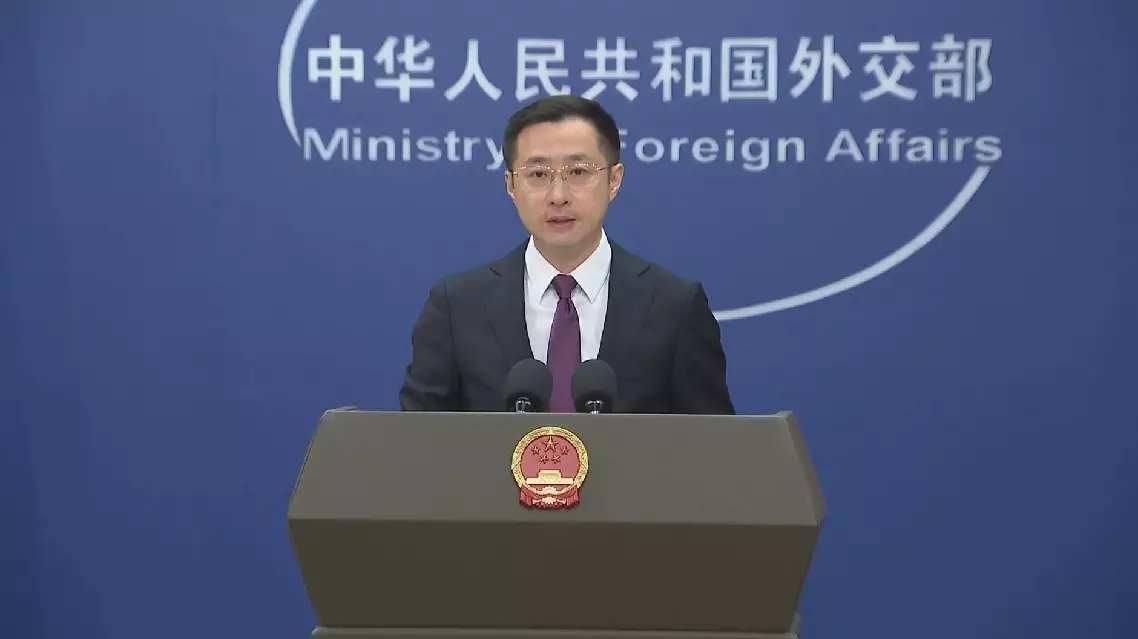
China voices concern over renewed Gulf conflict: spokesman
The ploy by the U.S. to cite "forced labor" in expanding tariffs is nothing more than a pretext to restrict market access and reshape the global economic order, said Mohammad Faisal, Executive Director of Indonesia's Center of Reform on Economics (CORE).
The U.S. recently broadened its tariff measures under a law banning imports made with forced labor, defined as work performed under coercion or threat without workers' consent.
While Washington presents the move as a human‑rights safeguard, critics have slammed it as a protectionist tool that risks squeezing investment and stalling industrialization in developing nations.
"This is I think is just the cover. So basically it is a way of the U.S. to control which countries that actually can get access to the market. Which means also indirectly actually to make a regulation and rules for the economic order," he said.
Faisal stressed that the United States' escalating trade restrictions are also creating new uncertainties for Indonesia's own development strategy. If external policies continue to tighten, Indonesia's space for attracting investment and developing its manufacturing sector will be squeezed.
"In my view, apart from textiles, many other sectors including the high tech, including the critical minerals, the downstreaming policy, which is the Indonesian priority policy, right now is in danger because of this," he said.
Faisal further noted that the United States' reinforced trade barriers are accelerating bloc‑based fragmentation in global trade and investment, posing fresh challenges to the stability of global industrial and supply chains.
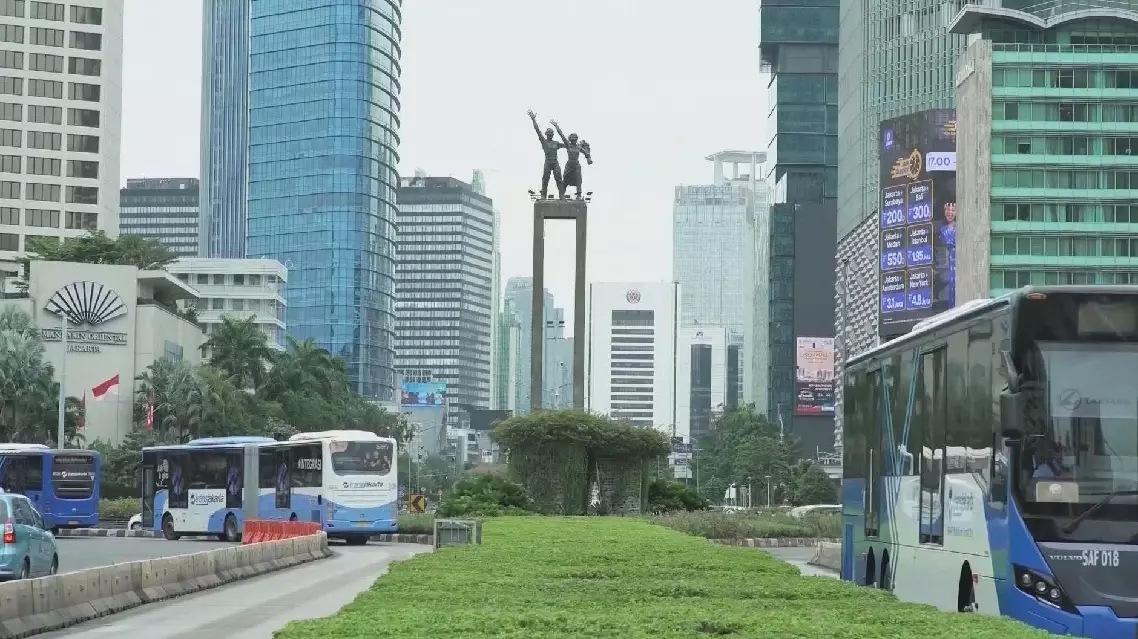
Indonesia economist slams US "forced labor" tariff ploy as protectionist