Skip to Content Facebook Feature Image

Tai chi practitioners seek balance and well-being in fast-paced Beijing

China

Tai chi practitioners seek balance and well-being in fast-paced Beijing
China

China

Tai chi practitioners seek balance and well-being in fast-paced Beijing

2026-07-15 09:06 Last Updated At:07-16 12:52

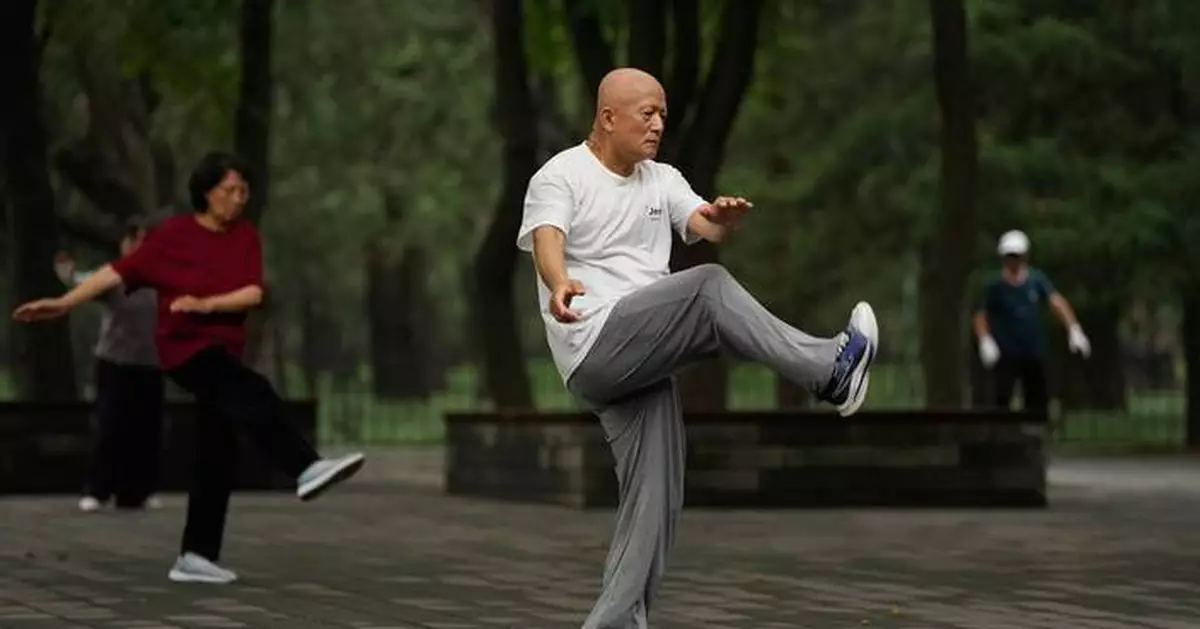
BEIJING (AP) — One arm raised and the other lowered, hundreds of people move every morning like birds spreading their wings at the heart of Beijing’s Temple of Heaven.

It’s a movement in tai chi, a physical and philosophical practice developed more than 300 years ago that continues to resonate in China today.

More Images
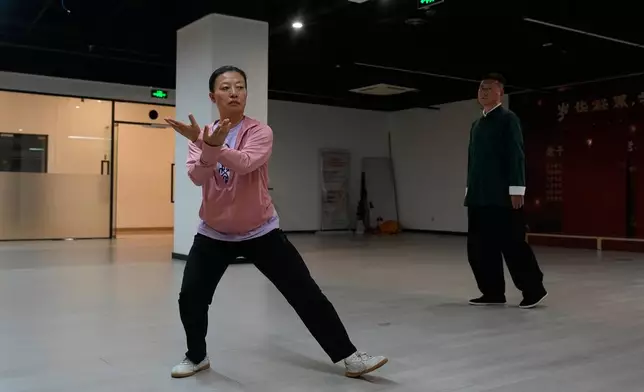
Chen Haitao, right, the 12th generation inheritor of Chen-style Tai Chi watches his student performs Tai Chi at a class in Beijing, Saturday July 11, 2026. (AP Photo/Andy Wong)
Chen Haitao, right, the 12th generation inheritor of Chen-style Tai Chi watches his student performs Tai Chi at a class in Beijing, Saturday July 11, 2026. (AP Photo/Andy Wong)

Women drink after practicing Tai Chi at a park near the Temple of Heaven in Beijing, Thursday July 9, 2026. (AP Photo/Andy Wong)
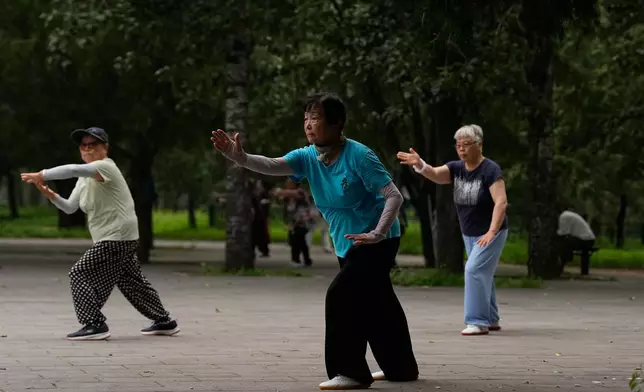
Women drink after practicing Tai Chi at a park near the Temple of Heaven in Beijing, Thursday July 9, 2026. (AP Photo/Andy Wong)
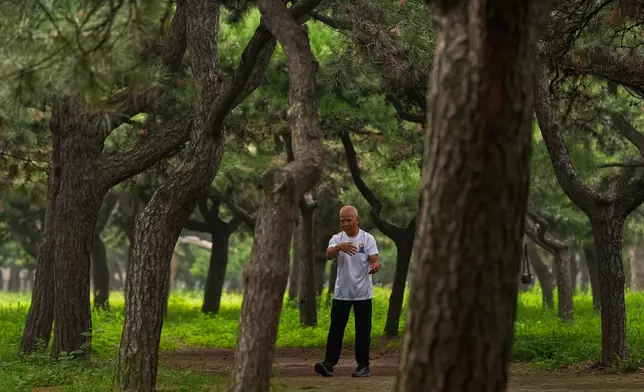
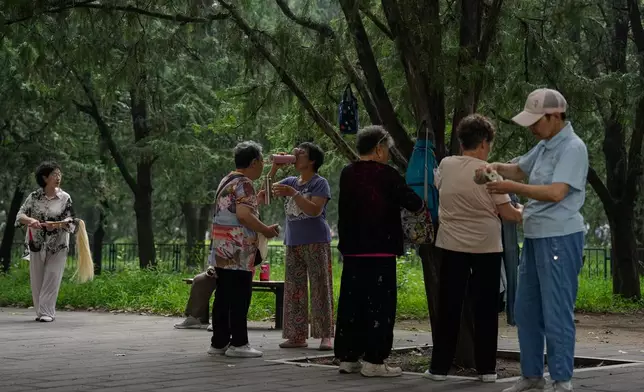
Women practice Tai Chi at a park near the Temple of Heaven in Beijing, Thursday July 9, 2026. (AP Photo/Andy Wong)

Women practice Tai Chi at a park near the Temple of Heaven in Beijing, Thursday July 9, 2026. (AP Photo/Andy Wong)

A man practices Tai Chi alone at a park near the Temple of Heaven in Beijing, Thursday July 9, 2026. (AP Photo/Andy Wong)

A man practices Tai Chi alone at a park near the Temple of Heaven in Beijing, Thursday July 9, 2026. (AP Photo/Andy Wong)

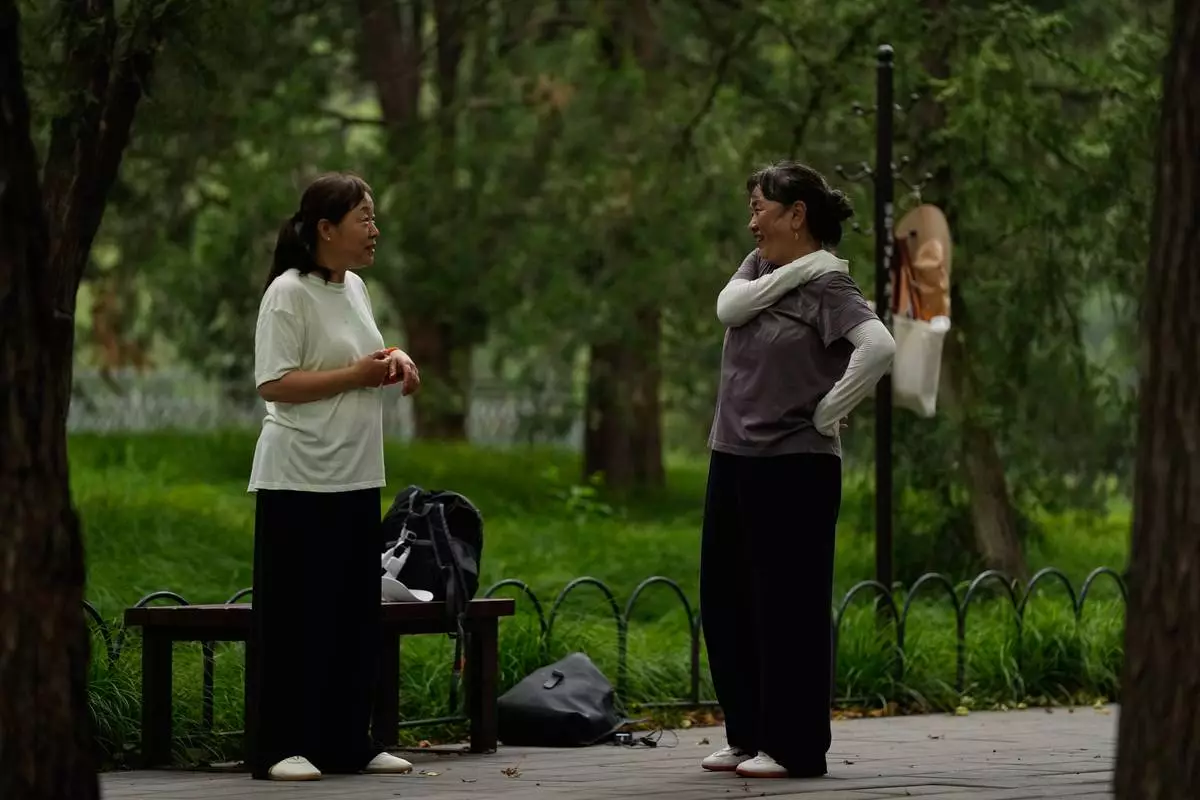
Ye Guirong, left, chats with Zu Hong after practicing Tai Chi at a park near the Temple of Heaven in Beijing, Thursday July 9, 2026. (AP Photo/Andy Wong)
Ye Guirong, left, chats with Zu Hong after practicing Tai Chi at a park near the Temple of Heaven in Beijing, Thursday July 9, 2026. (AP Photo/Andy Wong)

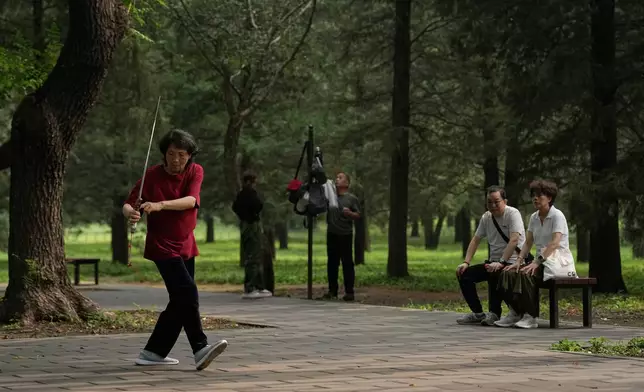
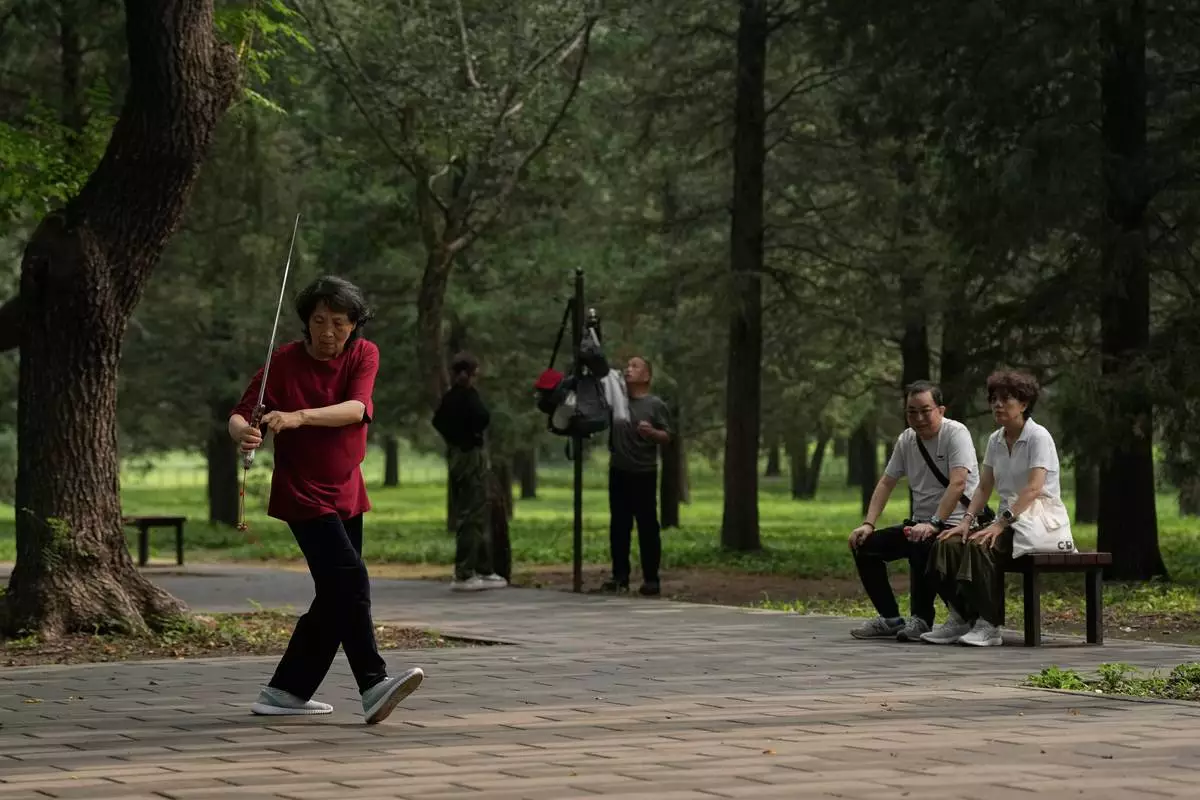
A couple watch a woman practice Tai Chi with a sword at a park near the Temple of Heaven in Beijing, Thursday July 9, 2026. (AP Photo/Andy Wong)
A couple watch a woman practice Tai Chi with a sword at a park near the Temple of Heaven in Beijing, Thursday July 9, 2026. (AP Photo/Andy Wong)

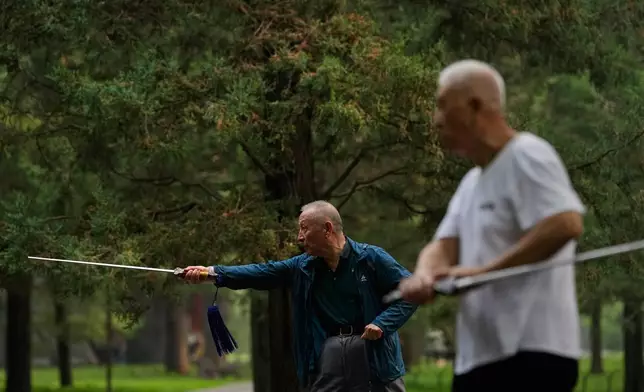
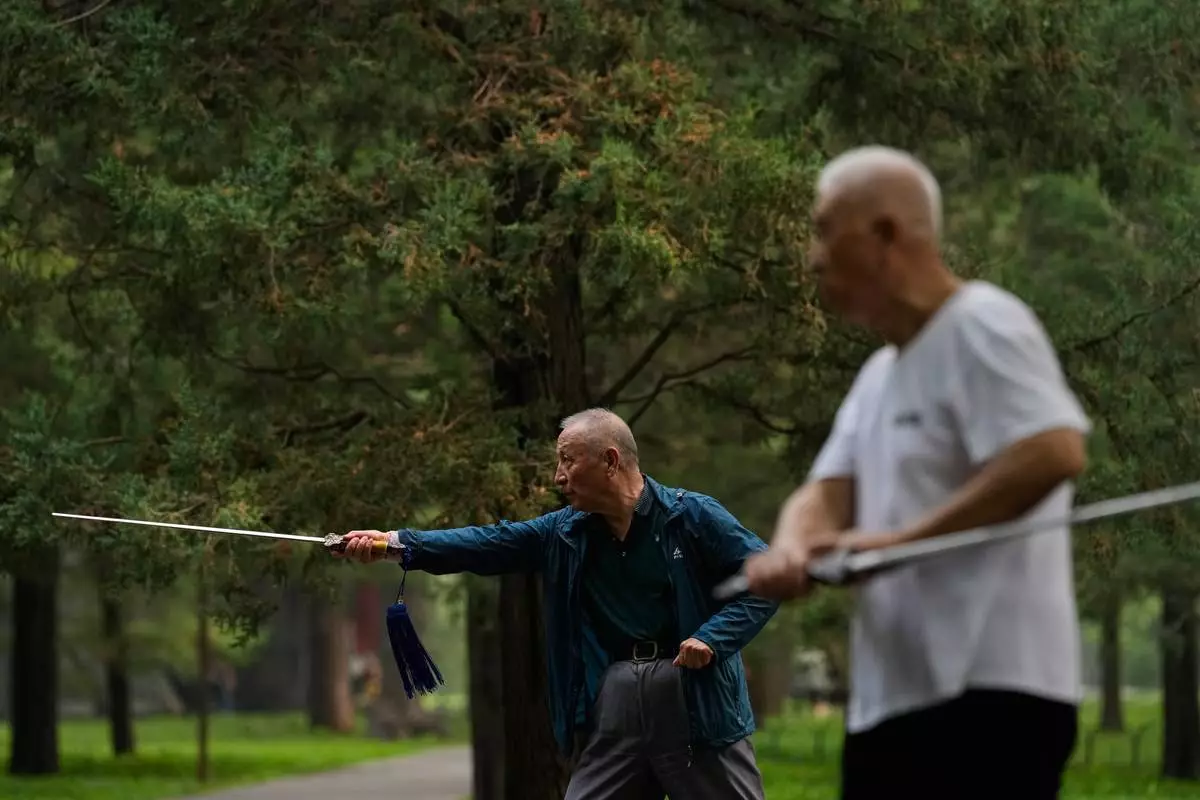
Elderly men practice Tai Chi with swords at a park near the Temple of Heaven in Beijing, Thursday July 9, 2026. (AP Photo/Andy Wong)
Elderly men practice Tai Chi with swords at a park near the Temple of Heaven in Beijing, Thursday July 9, 2026. (AP Photo/Andy Wong)
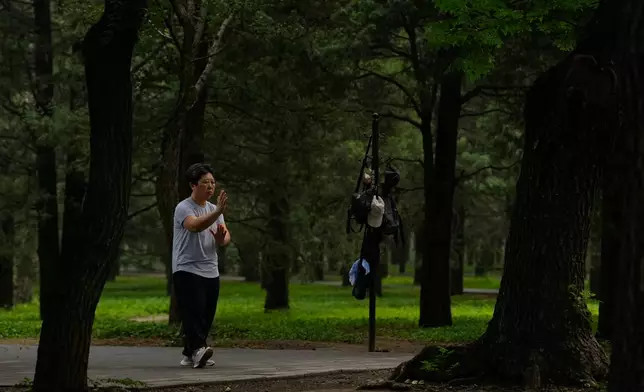
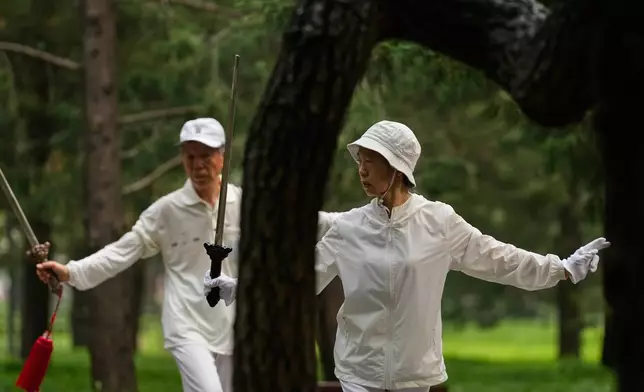
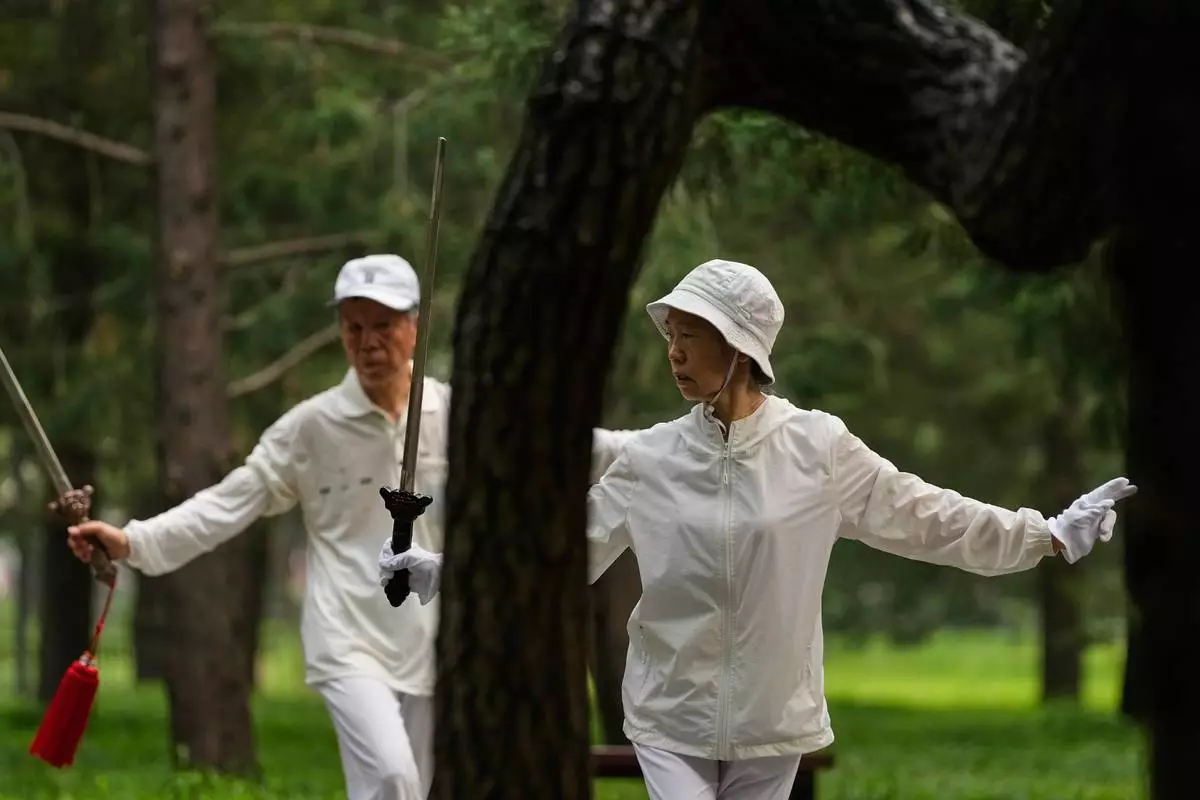
An elderly couple practice Tai Chi with swords at a park near the Temple of Heaven in Beijing, Thursday July 9, 2026. (AP Photo/Andy Wong)

An elderly couple practice Tai Chi with swords at a park near the Temple of Heaven in Beijing, Thursday July 9, 2026. (AP Photo/Andy Wong)

A woman practices Tai Chi at a park near the Temple of Heaven in Beijing, Thursday July 9, 2026. (AP Photo/Andy Wong)
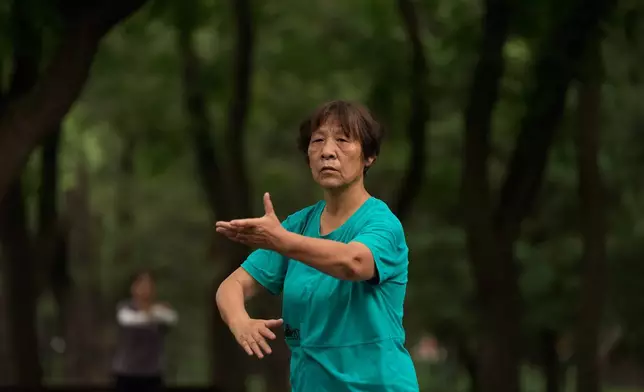
A woman practices Tai Chi at a park near the Temple of Heaven in Beijing, Thursday July 9, 2026. (AP Photo/Andy Wong)
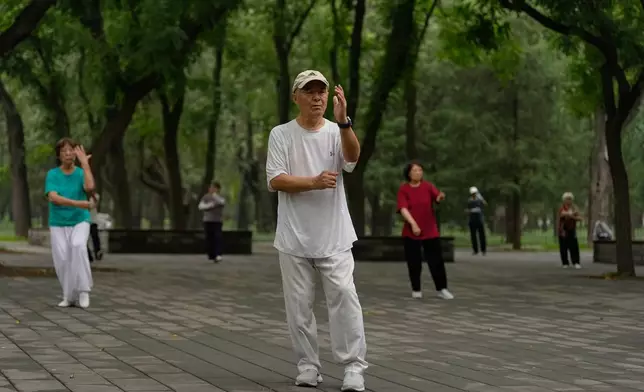
A woman practices Tai Chi at a park near the Temple of Heaven in Beijing, Thursday July 9, 2026. (AP Photo/Andy Wong)

A woman practices Tai Chi at a park near the Temple of Heaven in Beijing, Thursday July 9, 2026. (AP Photo/Andy Wong)

People practice Tai Chi at a park near the Temple of Heaven in Beijing Thursday July 9, 2026. (AP Photo/Andy Wong)
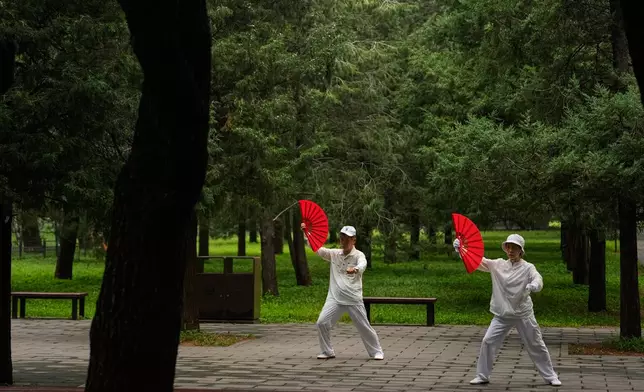
People practice Tai Chi at a park near the Temple of Heaven in Beijing Thursday July 9, 2026. (AP Photo/Andy Wong)

An elderly couple practice Tai Chi at a park near the Temple of Heaven in Beijing, Thursday July 9, 2026. (AP Photo/Andy Wong)
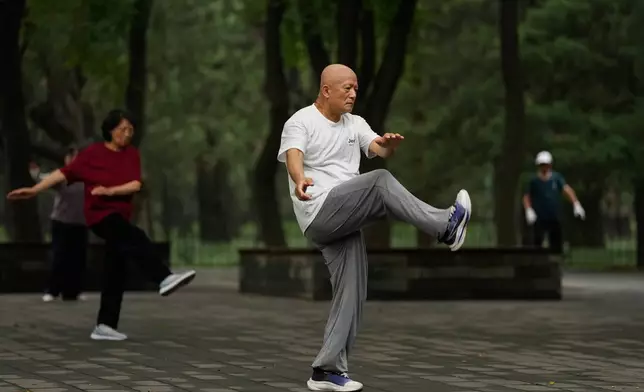
An elderly couple practice Tai Chi at a park near the Temple of Heaven in Beijing, Thursday July 9, 2026. (AP Photo/Andy Wong)

People practice Tai Chi at a park near the Temple of Heaven in Beijing, Thursday July 9, 2026. (AP Photo/Andy Wong)

People practice Tai Chi at a park near the Temple of Heaven in Beijing, Thursday July 9, 2026. (AP Photo/Andy Wong)

“The environment is great and the air is good too,” said Ye Guirong, 64. “You can see we’re surrounded by trees.”

Most practitioners are retirees in their 60s and beyond. Some exercise in groups while a speaker plays relaxing music in the background. Others move silently on their own.

Ye first encountered tai chi in 2010. Recently retired, she took walks across the city and one day spotted the group she now leads.

“I thought it looked good, so I started practicing,” Ye said.

Once a new member joins a group, its leader teaches the basic moves. The apprentice’s progress is reviewed and corrected periodically until a new level is achieved.

Among tai chi’s basic movements are “White Crane Spreads Its Wings,” in which one arm is raised while the other is lowered, and “Part the Wild Horse’s Mane,” a broad, fluid sequence in which the body weight shifts forward while the arms open gently in front of the chest.

“The movements have been passed down from one instructor to another,” Ye said.

Ye’s tai chi group, Cypress Grove, has around 30 people and recently welcomed its newest practitioner.

Zu Hong, 59, learned a 24-movement routine in about a month. Ye said she’s ready to take on the second set.

“I thought tai chi looked very beautiful,” Zu said. “I wanted to exercise, so I came here to the Temple of Heaven.”

Founded in the 15th century by a Ming dynasty emperor, the site is a complex of religious buildings symbolizing the relationship between heaven and earth.

Its most iconic building is the Hall of Prayer for Good Harvests. It served as the ceremonial site where emperors acted as intermediaries between humans and heaven, offering sacrifices and prayers for good harvests.

Today it serves primarily as a tourist attraction and its surrounding gardens remain open to the public.

Tai chi carries two meanings in China. It refers both to the martial art, or Taijiquan, and to the philosophical ideas behind it, or Taiji.

One of its key concepts is qi, or vital energy, which is understood as a life breath that flows through the body.

In traditional Chinese medicine, health depends on qi circulating through a network of pathways known as meridians, which are believed to connect the body’s organs, limbs and other parts. Acupuncture and other traditional treatments aim to regulate that flow.

“Practices like tai chi and qigong are all about activating, regulating or improving the flow of qi in the body,” said James Miller, a professor of Humanities at Duke Kunshan University in China’s Jiangsu province. “That’s something very key to Daoism (Taoism), but it’s also part of the broader Chinese conception of the body and of the world.”

Beyond the human body, qi is also believed to exist in nature. Mountains and rivers are understood to be animated by its flow.

“This is also why it’s traditional to establish temples on mountains,” Miller said. “They’re understood not just as beautiful or remote places, but because they’re closer to nature.”

There are several styles of tai chi, each with its own forms.

Ye’s group gathers every morning at 7:40 a.m. to practice Yang-style for about an hour and a half. The group rotates through different sets. Some consist of 24, 42 or 48 movements, while others incorporate swords or fans.

“Through exercising, everyone’s health has improved,” Ye said. “Our spirits are especially good.”

Chen-style is widely recognized as the oldest form of tai chi. It was developed in the 17th century by Chen Wangting, a military commander who later in life changed paths to embrace spirituality.

“He practiced Daoist (Taoist) methods of self-cultivation including meditation,” said Tai Chi master Chen Haitao. “Then one day he experienced a sudden awakening: the meridians throughout his body all opened, his mind became enlightened, and wisdom suddenly emerged.”

Chen Wangting’s experience was life-changing, said Chen Haitao. Dreaming of sharing the sensation with others, he found in movement the means to do so.

Both the martial art and the philosophy behind tai chi are meant to work together, Chen said. The movements provide the method while the philosophy gives them meaning.

“One of the great benefits of Taijiquan is that it is suitable for everyone,” Chen said. “As long as you learn the basic principles correctly and maintain proper alignment, whoever practices it will benefit from it.”

Associated Press religion coverage receives support through the AP’s collaboration with The Conversation US, with funding from Lilly Endowment Inc. The AP is solely responsible for this content.
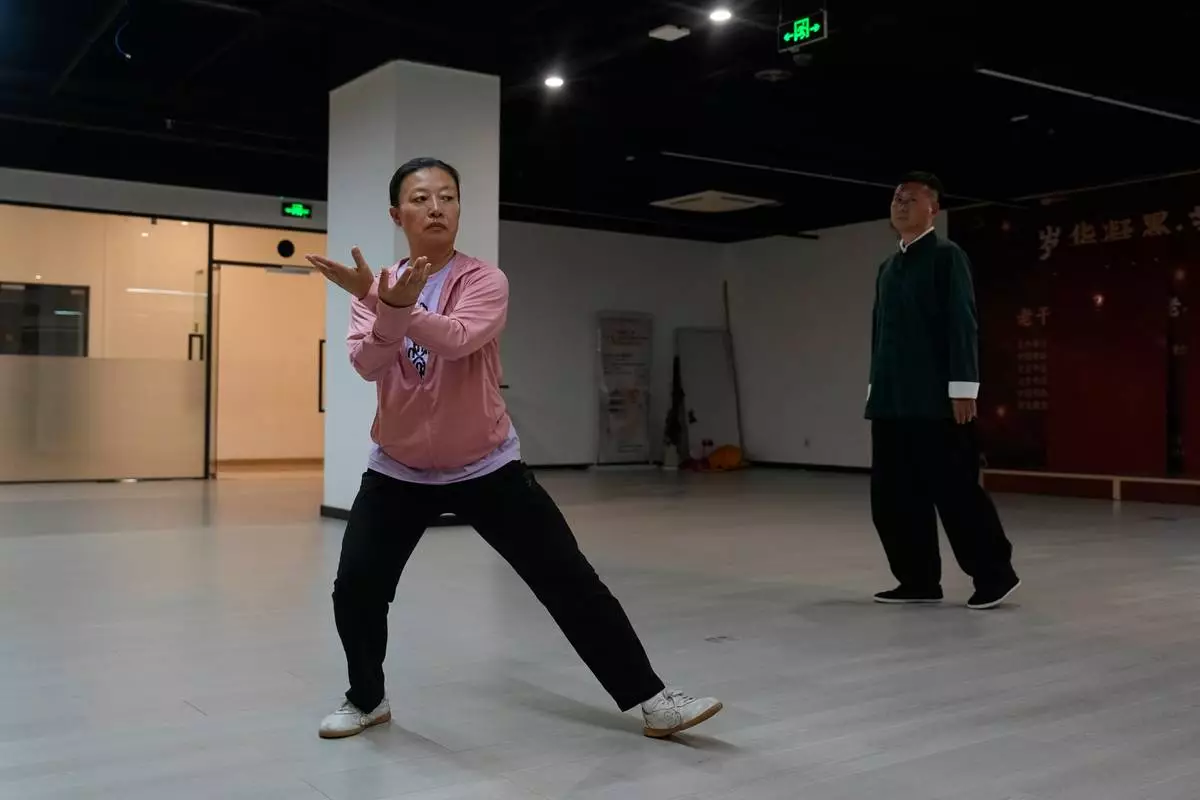
Chen Haitao, right, the 12th generation inheritor of Chen-style Tai Chi watches his student performs Tai Chi at a class in Beijing, Saturday July 11, 2026. (AP Photo/Andy Wong)

Chen Haitao, right, the 12th generation inheritor of Chen-style Tai Chi watches his student performs Tai Chi at a class in Beijing, Saturday July 11, 2026. (AP Photo/Andy Wong)

Women drink after practicing Tai Chi at a park near the Temple of Heaven in Beijing, Thursday July 9, 2026. (AP Photo/Andy Wong)
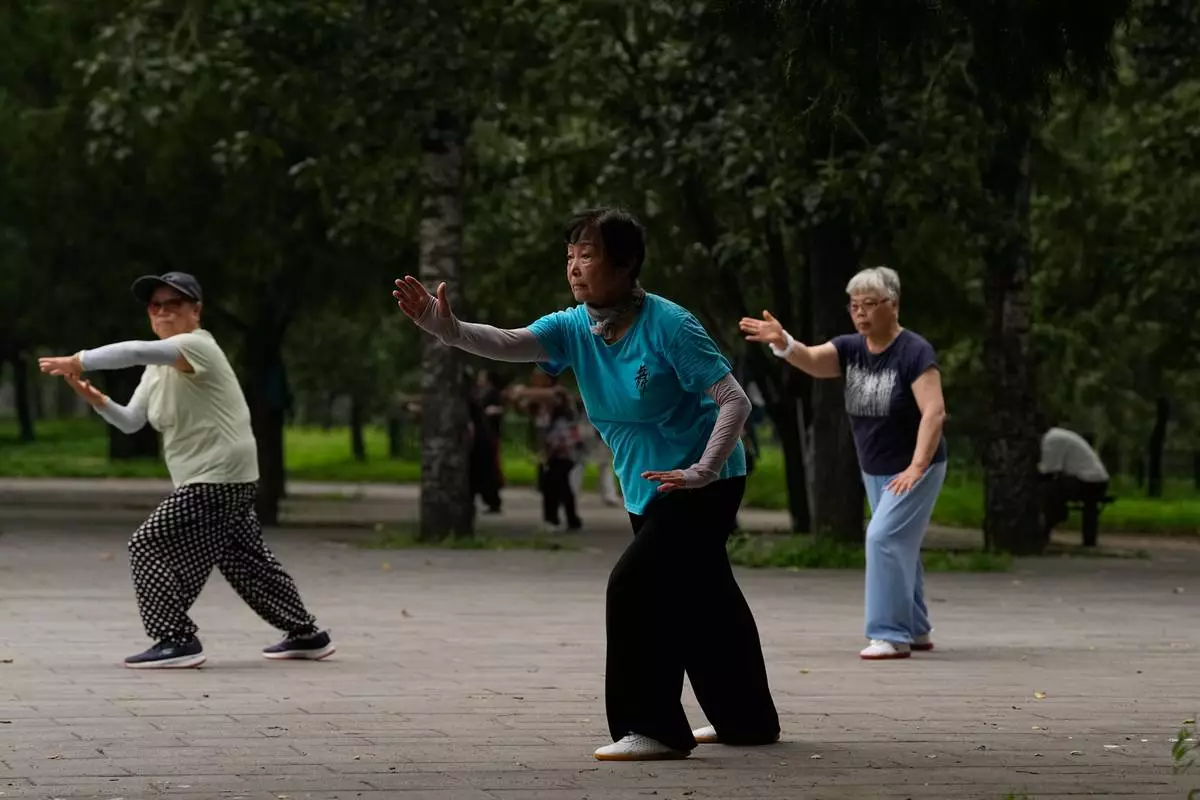
Women drink after practicing Tai Chi at a park near the Temple of Heaven in Beijing, Thursday July 9, 2026. (AP Photo/Andy Wong)
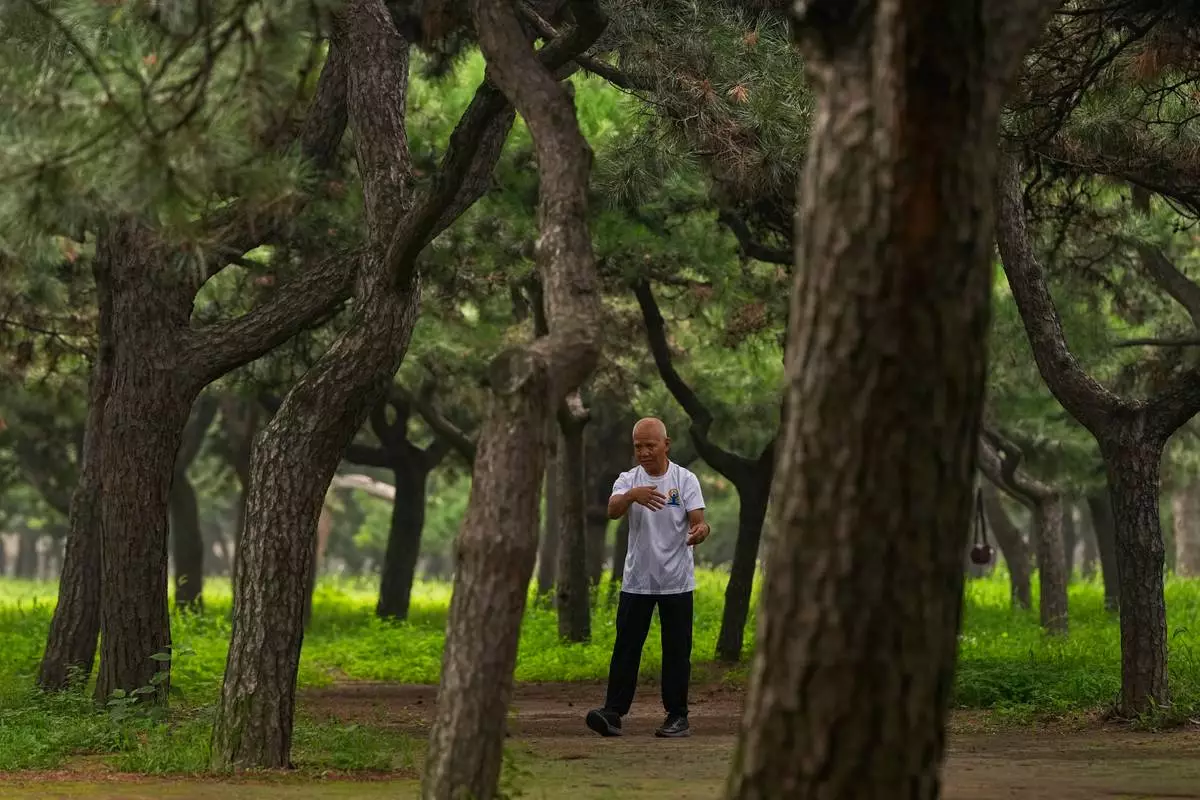
Women practice Tai Chi at a park near the Temple of Heaven in Beijing, Thursday July 9, 2026. (AP Photo/Andy Wong)

Women practice Tai Chi at a park near the Temple of Heaven in Beijing, Thursday July 9, 2026. (AP Photo/Andy Wong)

A man practices Tai Chi alone at a park near the Temple of Heaven in Beijing, Thursday July 9, 2026. (AP Photo/Andy Wong)
A man practices Tai Chi alone at a park near the Temple of Heaven in Beijing, Thursday July 9, 2026. (AP Photo/Andy Wong)

Ye Guirong, left, chats with Zu Hong after practicing Tai Chi at a park near the Temple of Heaven in Beijing, Thursday July 9, 2026. (AP Photo/Andy Wong)
Ye Guirong, left, chats with Zu Hong after practicing Tai Chi at a park near the Temple of Heaven in Beijing, Thursday July 9, 2026. (AP Photo/Andy Wong)

A couple watch a woman practice Tai Chi with a sword at a park near the Temple of Heaven in Beijing, Thursday July 9, 2026. (AP Photo/Andy Wong)
A couple watch a woman practice Tai Chi with a sword at a park near the Temple of Heaven in Beijing, Thursday July 9, 2026. (AP Photo/Andy Wong)

Elderly men practice Tai Chi with swords at a park near the Temple of Heaven in Beijing, Thursday July 9, 2026. (AP Photo/Andy Wong)
Elderly men practice Tai Chi with swords at a park near the Temple of Heaven in Beijing, Thursday July 9, 2026. (AP Photo/Andy Wong)
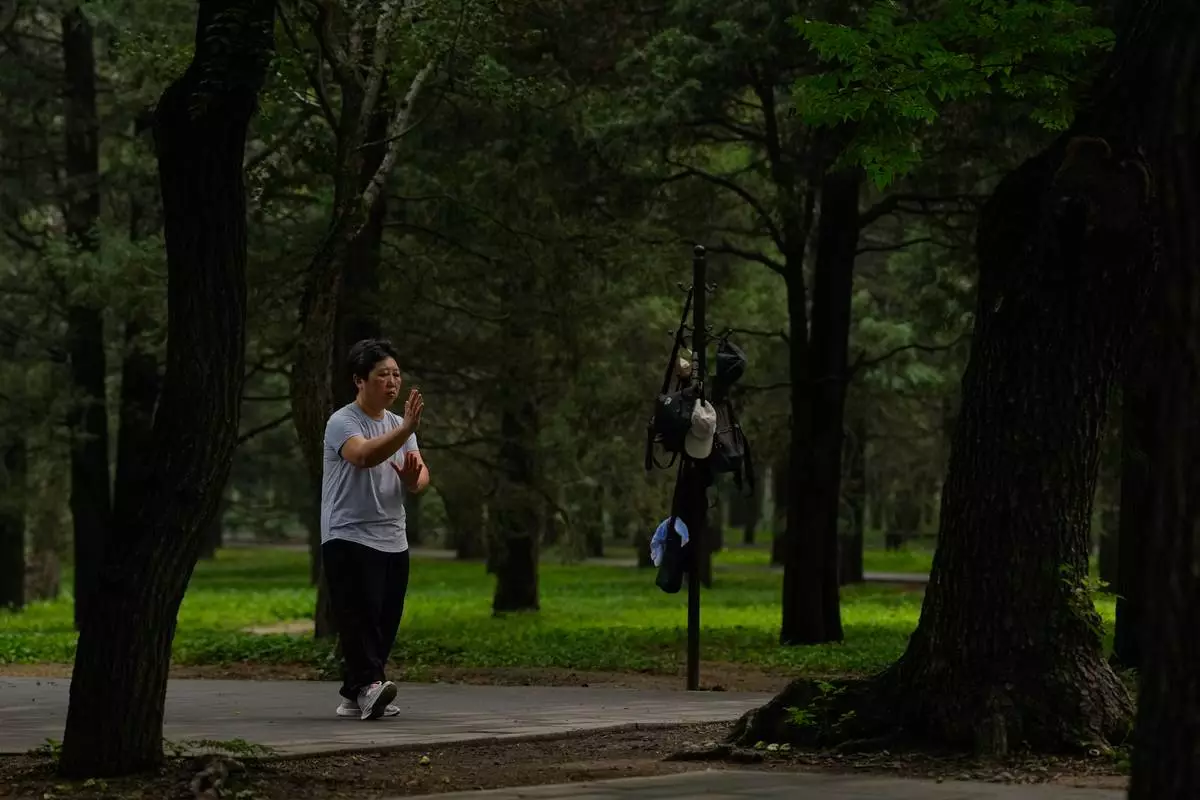
An elderly couple practice Tai Chi with swords at a park near the Temple of Heaven in Beijing, Thursday July 9, 2026. (AP Photo/Andy Wong)

An elderly couple practice Tai Chi with swords at a park near the Temple of Heaven in Beijing, Thursday July 9, 2026. (AP Photo/Andy Wong)

A woman practices Tai Chi at a park near the Temple of Heaven in Beijing, Thursday July 9, 2026. (AP Photo/Andy Wong)
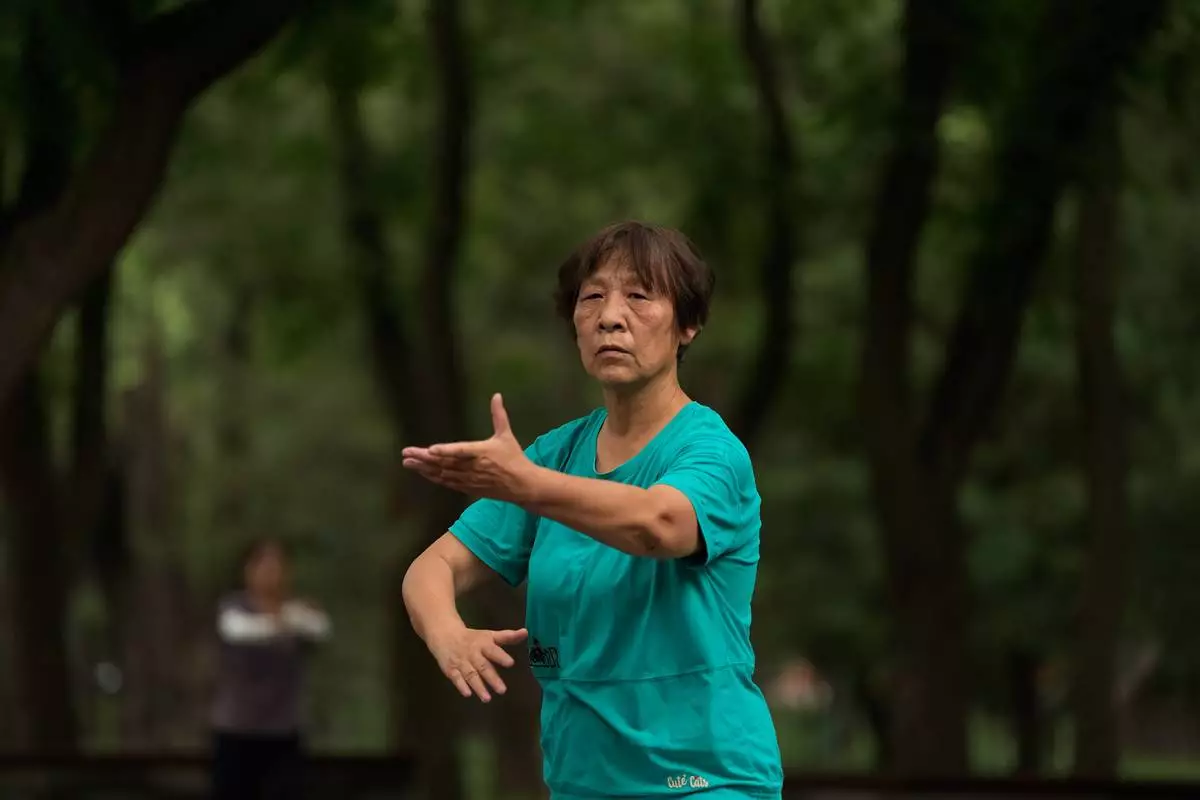
A woman practices Tai Chi at a park near the Temple of Heaven in Beijing, Thursday July 9, 2026. (AP Photo/Andy Wong)
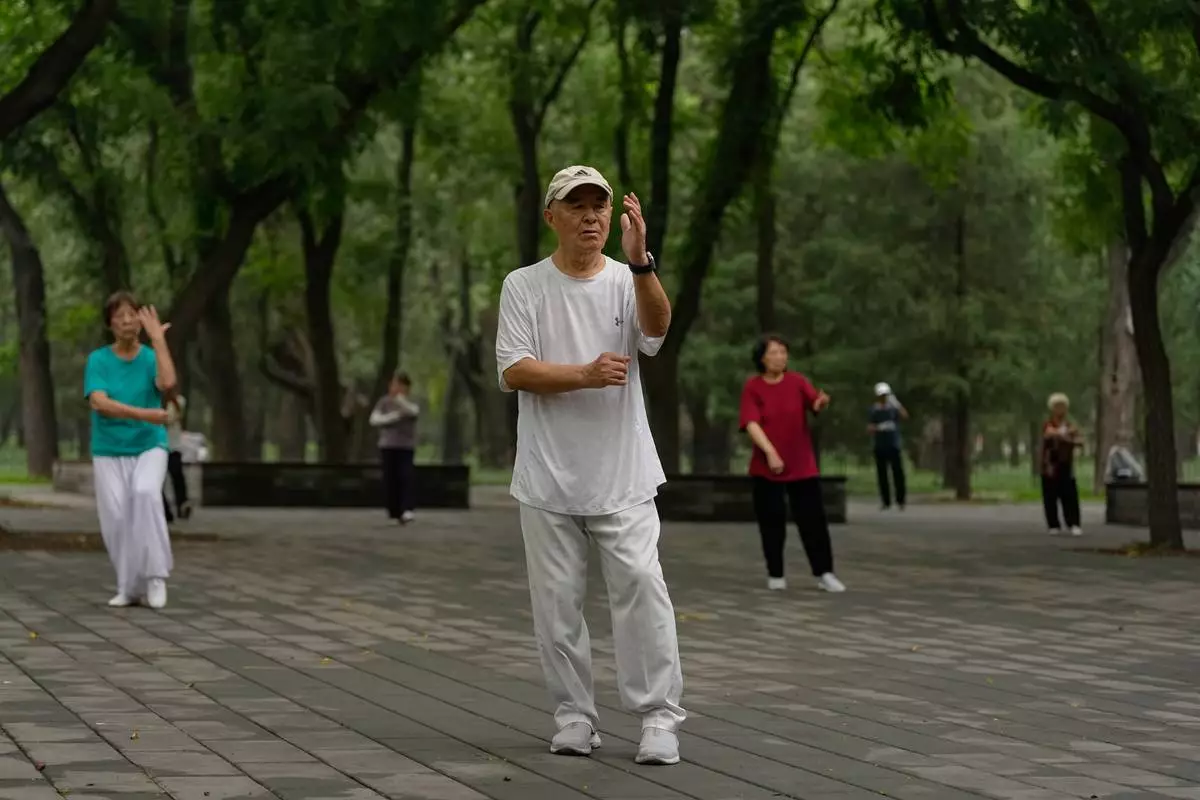
A woman practices Tai Chi at a park near the Temple of Heaven in Beijing, Thursday July 9, 2026. (AP Photo/Andy Wong)

A woman practices Tai Chi at a park near the Temple of Heaven in Beijing, Thursday July 9, 2026. (AP Photo/Andy Wong)

People practice Tai Chi at a park near the Temple of Heaven in Beijing Thursday July 9, 2026. (AP Photo/Andy Wong)
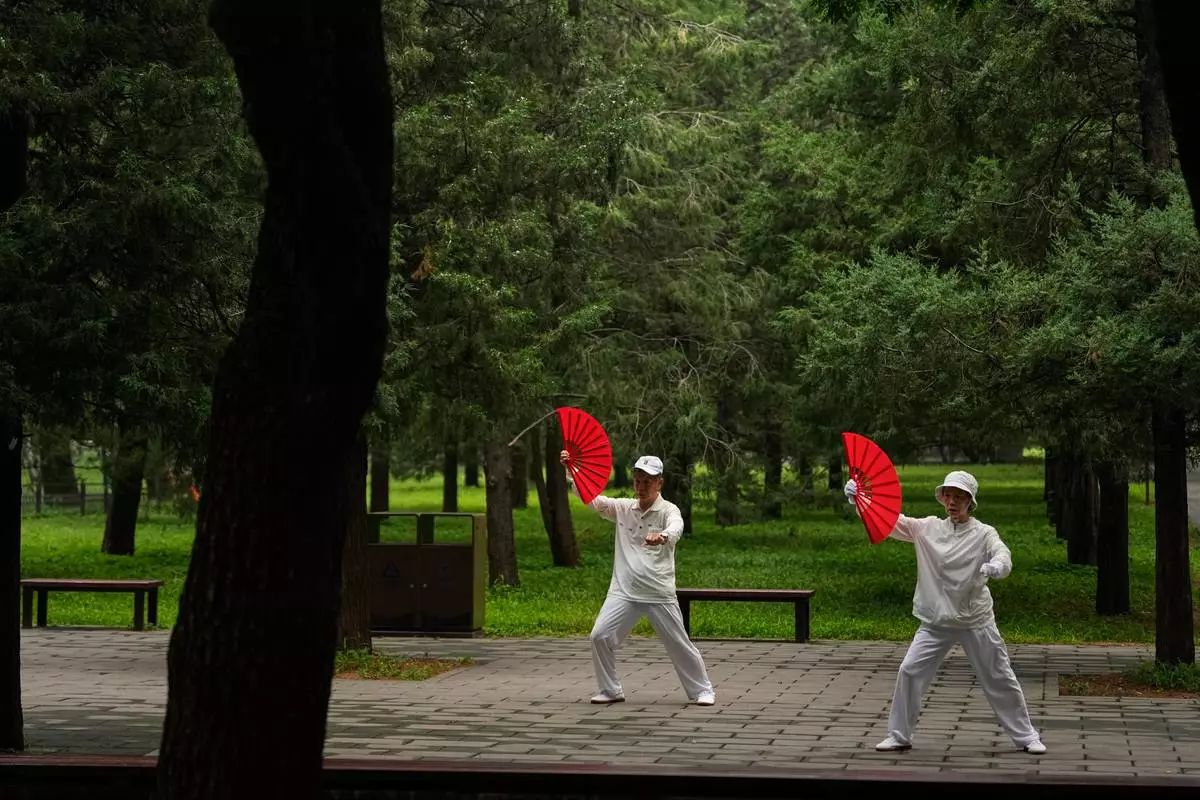
People practice Tai Chi at a park near the Temple of Heaven in Beijing Thursday July 9, 2026. (AP Photo/Andy Wong)

An elderly couple practice Tai Chi at a park near the Temple of Heaven in Beijing, Thursday July 9, 2026. (AP Photo/Andy Wong)
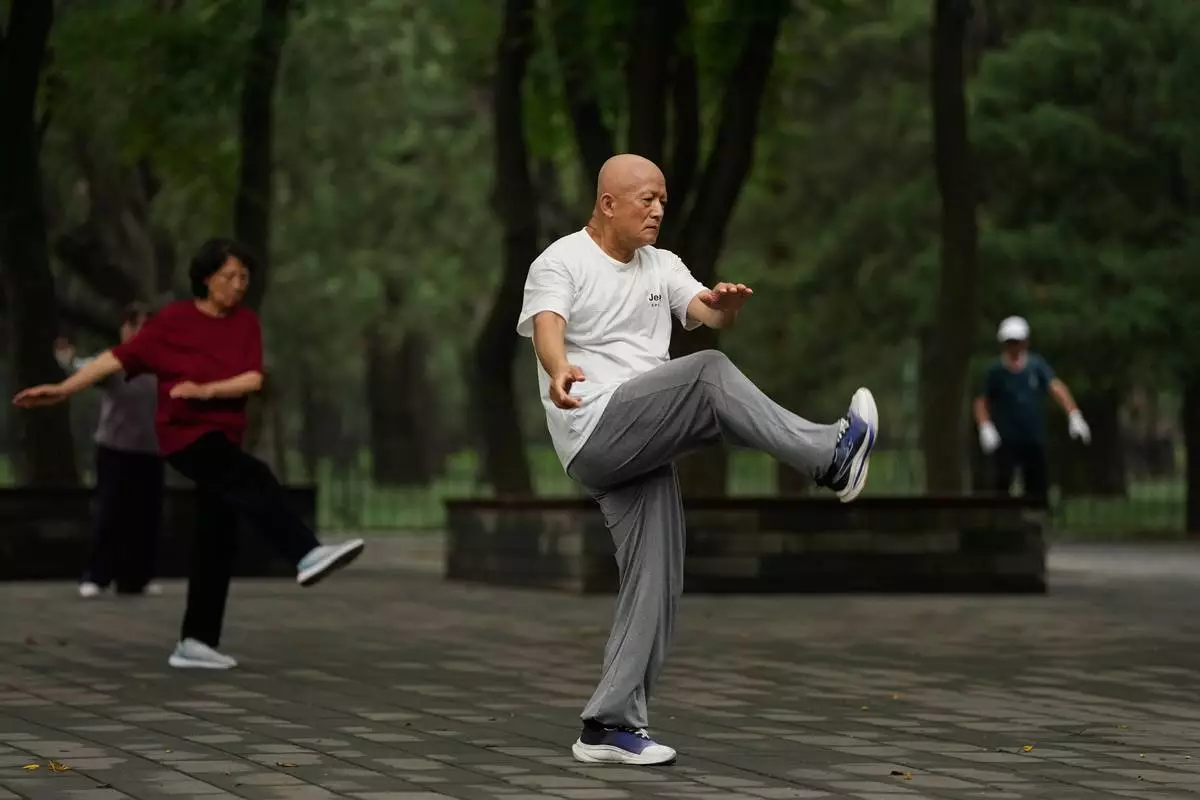
An elderly couple practice Tai Chi at a park near the Temple of Heaven in Beijing, Thursday July 9, 2026. (AP Photo/Andy Wong)


People practice Tai Chi at a park near the Temple of Heaven in Beijing, Thursday July 9, 2026. (AP Photo/Andy Wong)

People practice Tai Chi at a park near the Temple of Heaven in Beijing, Thursday July 9, 2026. (AP Photo/Andy Wong)

WASHINGTON (AP) — Less than two hours before President Donald Trump was set to impose 50% tariffs on $20 billion worth of Canadian imports, the United States and Canada reached a deal Tuesday that delays the sanctions, buying time for more negotiations and avoiding for now another strain in already-tense relations between the historic allies.

Trump posted late Tuesday on social media that he had paused the tariffs “based on the fact that Canada and the U.S.A., subject to the finalization of documents, have a DEAL!”

Trump’s import taxes would have hit about 5% of what Canada ships to the United States every year, including products ranging from hockey sticks to tongue depressors.

But the political impact would likely have been bigger than the economic one. Canada had threatened to retaliate against any new tariffs with levies of its own, aggravating a trade fight between countries that sold each other $880 billion worth of goods and services last year.

THIS IS A BREAKING NEWS UPDATE. AP’s earlier story follows below.

WASHINGTON (AP) — The U.S. and Canada are negotiating in an effort to reach a truce on tariffs before a 12:01 a.m. Wednesday deadline set by U.S. President Donald Trump.

If no deal is reached, Trump has threatened to impose 50% tariffs on $20 billion worth of Canadian products, ranging from hockey sticks to tongue depressors.

Canadian Prime Minister Mark Carney and Trump have spoken twice by phone in the past two days about the ongoing negotiations, including another call Tuesday afternoon, Carney’s office said, underscoring the last-minute push for a deal.

″We are negotiating,” Canadian Prime Minister Mark Carney told reporters Monday, speaking in French. “The negotiations are very intense and delicate. This is not the time to talk about negotiations in public.”

The two countries have wrangled for decades over trade, poking each other over sore spots like Canadian softwood lumber imports and U.S. access to Canada’s protected dairy market.

Somehow they still managed to remain friends, allies and trading partners. Canadian soldiers fought alongside Americans in Afghanistan after 9/11. The 5,525-mile U.S.-Canada border is undefended, and nearly 330,000 people and $2 billion worth of goods cross it every day; 800,000 Canadians live in the United States.

Trump’s approach to dealing with Canada marks an extraordinary departure from the traditionally cooperative relationship between the two countries. Trump has hit Canadian goods with tariffs — in a push to bring manufacturing back to the U.S. — and has repeatedly made inflammatory comments about turning Canada into America’s 51st state.

The Canadian public is fed up. A petition to expel the U.S. ambassador, a Trump ally, has collected nearly 218,000 signatures since July 21. It accuses Ambassador Pete Hoekstra of having “normalized’’ Trump’s talk of annexing Canada, among other complaints.

Nearly 72% of Canada's goods exports last year went to the United States. And the Trump administration might be wary of imposing a hefty new tariff — paid by U.S. importers who try to pass along the cost to consumers via higher prices — ahead of November’s midterm elections. U.S. voters are already frustrated with the high cost of living.

“I don’t think either side really wants these tariffs to come into effect,’’ said Ryan Majerus, a partner at King & Spalding and a former U.S. trade official. “There’s a pretty strong push on both sides to find an off-ramp here.’’

Majerus said the United States is aiming to get Canada to buy more U.S. military equipment, including F-35 fighters; to take part in Trump’s “Golden Dome’’ missile defense; and to give the United States more access to critical minerals, thereby reducing America’s reliance on tenuous supplies from its geopolitical rival, China.

The Canadians would like relief from U.S. tariffs on steel and aluminum as well as softwood lumber, which the U.S. says receives unfair government subsidies.

Trump has made tariffs the centerpiece of his second-term economic agenda. Last year, he imposed double-digit import taxes on almost every country, justifying them by declaring the longstanding U.S. trade deficit a national emergency. The Supreme Court in February ruled that he’d overstepped his authority, striking down those tariffs and setting the stage for the federal government to pay refunds to importers.

Trump immediately looked for other ways to rebuild his tariff wall. Last month, he imposed import taxes of 10% to 12.5% on 59 countries and the European Union — which together account for 99% of U.S. imports — for allegedly failing to have or to enforce restrictions on imports made from forced labor.

Then he reached back to the Great Depression to find a cudgel with which to whack Canada.

Trump invoked Section 338 of the Tariff Act of 1930 to impose 50% tariffs on products that account for about 5% of Canadian exports to the United States.

Nearly a century ago, with the U.S. and world economies in collapse, Congress passed the 1930 tariff law, imposing hefty taxes on imports from around the world. Known as the Smoot-Hawley tariffs, named for their congressional sponsors, they are notorious among economists and historians for limiting world commerce and making the Great Depression worse.

Section 338 tariffs have never been used before. U.S. trade negotiators traditionally have favored another tool, Section 301 of the Trade Act of 1974 — the provision Trump invoked to impose last month’s forced-labor tariffs.

Section 338 authorizes the president to impose tariffs of up to 50% on imports from countries that have discriminated against U.S. businesses. Unlike Section 301 sanctions, no investigation is required. Nor is there any limit on how long the tariffs can stay in place.

In announcing the Section 338 tariffs, Trump claimed that Canada discriminates against American exports of autos, alcohol and cheese. Trump is angry because Canada and China were the only countries that punched back with retaliatory tariffs of their own when he slapped levies on their products last year.

“If a country retaliates against us, we’re obviously not going to tolerate that,” U.S. Trade Representative Jamieson Greer told reporters Friday at the Iowa State Fair. “We’ll take action. My sense is the Canadians, they want to have a more conciliatory approach, but we’ll see.”

The U.S. is renegotiating a North American trade pact — the US-Mexico-Canada Agreement — that Trump strong-armed America’s neighbors into accepting in his first term. The threat of Section 338 tariffs gives the United States leverage to seek fresh concessions from Ottawa.

“From Carney's perspective, you need (USMCA) to be renegotiated," said Christopher Gundermann, a fellow in the economics program at the Center for Strategic and International Studies. "You can't renegotiate it with a massive trade war going on.''

But the Canadian public’s furor over Trump’s policies may limit Carney’s ability to cut a deal. Canada could retaliate again if the new 50% tariffs take effect, potentially aggravating a trade fight.

Canada’s government “cannot look like it is simply caving to the Trump administration’s demands,’’ said Daniel Béland, a political science professor at McGill University in Montreal.

“Making further concessions without getting something meaningful in exchange would probably lead to a strong backlash ... The risk is for the Carney government to make Canada look weak and, therefore, even more vulnerable to future trade and geopolitical bullying on the part of the Trump administration.”

Dominic LeBlanc, Canada’s minister for U.S. trade, met with Greer on Monday. He was tight-lipped afterward.

“The work is continuing,’’ he said. “We continue to do our job.’’

Gillies reported from Toronto.

Canada-U.S. Trade Minister Dominic LeBlanc makes brief comments to reporters outside the U.S. Department of Commerce following a meeting with U.S. Trade Representative Jamieson Greer and Commerce Secretary Howard Lutnick, in Washington, Monday, Aug. 17, 2026. (Kelly Geraldine Malone/The Canadian Press via AP)

Canada-U.S. Trade Minister Dominic LeBlanc makes brief comments to reporters outside the U.S. Department of Commerce following a meeting with U.S. Trade Representative Jamieson Greer and Commerce Secretary Howard Lutnick, in Washington, Monday, Aug. 17, 2026. (Kelly Geraldine Malone/The Canadian Press via AP)

United States Trade Representative Jamieson Greer, center, leaves the U.S. Department of Commerce following a meeting with Canadian officials, in Washington, Monday, Aug. 17, 2026. (Kelly Geraldine Malone/The Canadian Press via AP)

United States Trade Representative Jamieson Greer, center, leaves the U.S. Department of Commerce following a meeting with Canadian officials, in Washington, Monday, Aug. 17, 2026. (Kelly Geraldine Malone/The Canadian Press via AP)

Recommended Articles