CAIRO (AP) — A truce that ended nearly a decade of war in Yemen has mostly held since 2022. It is being severely tested four years later, as tensions tied to the war in Iran risk spilling over.
The civil war in Yemen that began in 2014 eventually pitted Iran-backed Houthi rebels against a Saudi-led coalition supporting the country’s government. While the Iran war that began on Feb. 28 reignited all sorts of regional rivalries, the peace between the Houthis and Saudis had mostly prevailed -- until Monday.
Click to Gallery
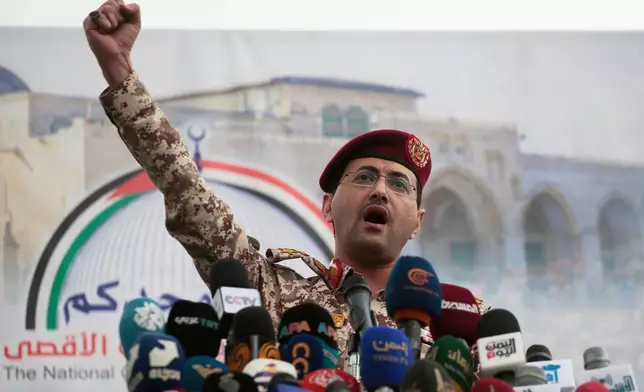
FILE - Houthi military spokesman Yahya Saree speaks at a rally against the U.S. and Israel in Sanaa, Yemen, April 18, 2025. (AP Photo/Osamah Abdulrahman, File)
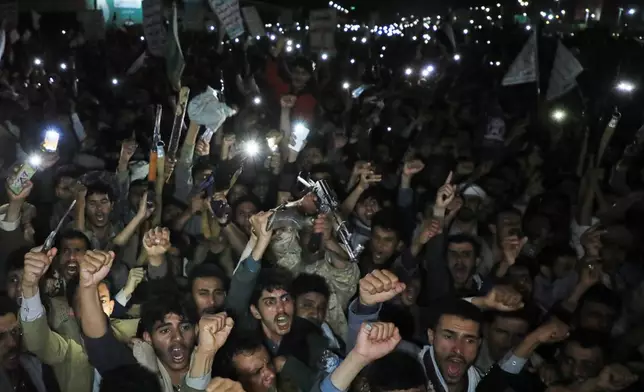
Houthi supporters shout slogans as they demonstrate against airstrikes on Sanaa International Airport in Sanaa, Yemen, Monday, July 13, 2026. (AP Photo/Osamah Abdulrahman)
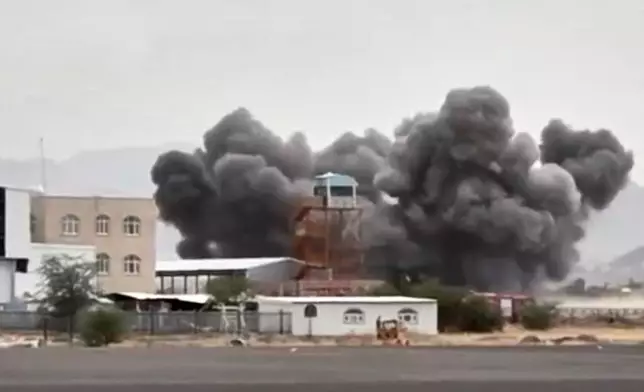
This image taken from video broadcast by Al-Masirah TV, a Houthi-controlled news channel, shows an explosion at the Sanaa International Airport compound during what the Iranian-backed Houthi rebels in Yemen said were several Saudi airstrikes in Sanaa, Yemen, Monday, July 13, 2026. (Al-Masirah TV via AP)
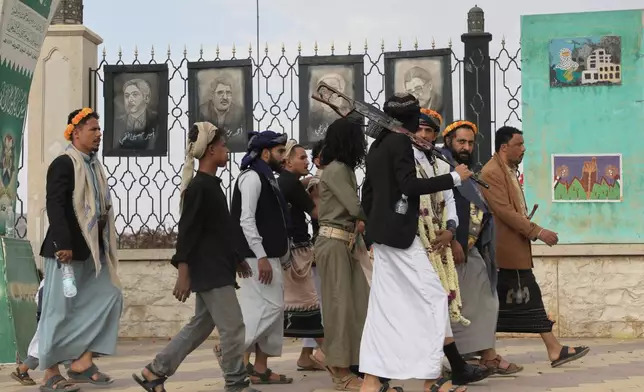
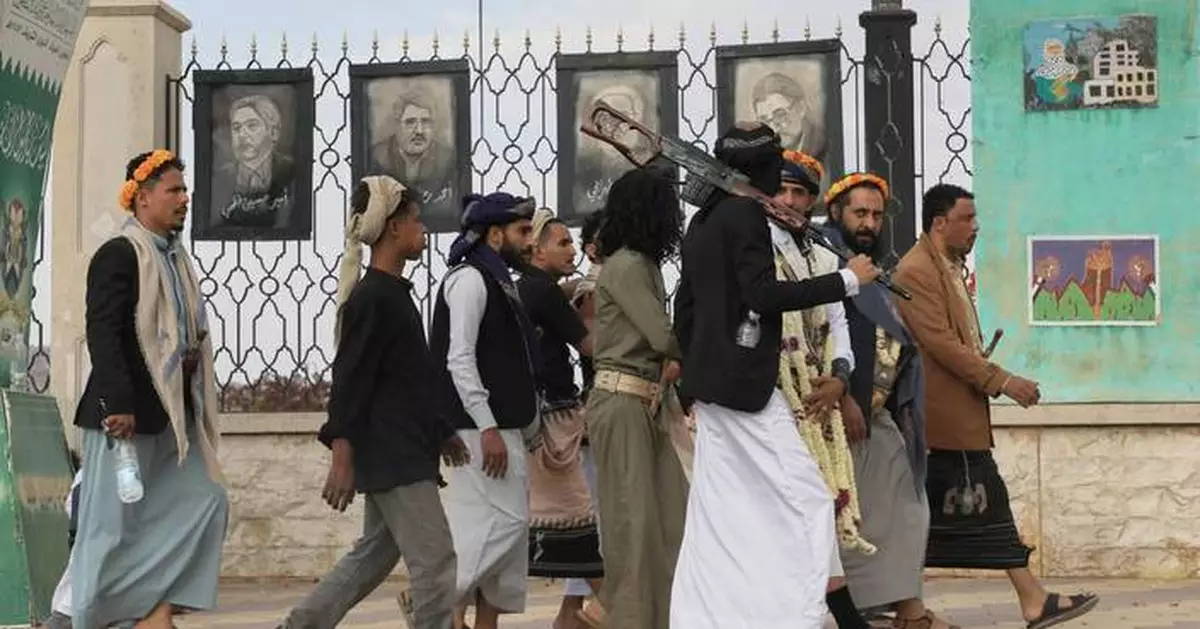
Houthi supporters walk in front of posters of some top Iranian scientists who have been killed in Israeli strikes, in Sanaa, Yemen, Monday, July 13, 2026. (AP Photo/Osamah Abdulrahman)
That’s when Houthis launched missiles and drones at Saudi Arabia’s Abha International Airport in response to airstrikes on Sanaa International Airport earlier in the day that they blamed on Saudi Arabia. No casualties were reported, but it was the most significant confrontation between these enemies in years, raising fears that they could be moving closer to another war.
Yemen, one of the world’s poorest countries, is still recovering from the civil war that plunged parts of the nation into famine.
Here’s a closer look at the renewed tensions:
Yemen’s civil war began in 2014 when the Houthis seized the capital, Sanaa, and much of northern Yemen and forced the government into exile.
A Saudi-led coalition intervened the following year to try to restore the government to power. The country is now divided between the Houthi-controlled north and a southern region mostly ruled by the internationally recognized government.
Tensions began to flare earlier this month when the Houthis accused Saudi Arabia of trying to prevent an Iranian plane from carrying a Houthi delegation to Tehran for the funeral of Iran’s Supreme Leader Ayatollah Ali Khamenei.
When the plane returned to Yemen on Monday, Saudi Arabia attacked the Sanaa airport to prevent it from landing, the Houthis said. The plane was diverted and landed safely at another airport.
Saudi Arabian officials did not respond to a request for comment about the airstrikes in Yemen.
Rashad al-Alimi, who leads Yemen’s internationally recognized government, said it had rejected a request from Iran to return the Houthi delegation. He accused the rebel group of receiving the Iranian flight “outside the legal and sovereign frameworks governing civil aviation.”
On Tuesday, Houthi military spokesman Brig. Gen. Yahya Saree said the Houthis are prepared to confront any violation of Yemen's airspace; he said on Telegram that the group downed a Saudi reconnaissance aircraft at dawn in Al Bayda province in central Yemen.
Ahmed Nagi, a senior Yemen analyst at the International Crisis Group, said Monday’s exchange of fire was about more than a single Iranian flight.
Saudi Arabia and Yemen’s internationally recognized government viewed the flight as an attempt to weaken their control over Yemen's airspace.
The Saudi-led coalition imposed an air and sea blockade on Yemen in 2015 to put pressure on the Houthis. By allowing a direct international flight to land without the approval of the Saudi-led coalition, the Houthis were seeking to establish a new reality in which they could independently make decisions over Yemen’s airspace and end what they view as a blockade of the international airport.
“The Houthis were testing a new red line. If they succeeded, they could become more emboldened, raise their demands, and seek to cross additional red lines,” Nagi said.
Farea al-Muslimi, a research fellow at the Chatham House think tank in London, said Saudi Arabia has so far shown restraint in the broader U.S.-Israeli war against Iran. But it is far less likely to stay on the sidelines when it perceives its influence in Yemen, which borders Saudi Arabia to the south, to be under threat.
It is too early to say whether Monday’s confrontation will lead to further escalation or was just an isolated incident.
But Abdel-Bari Taher, a political analyst in Yemen, said the country’s fragile security and economic landscape provides fertile ground for renewed conflict and regional power competition.
“The region now is in a state of an all-out confrontation," he said. "Yemen provides a conflict-prone environment because it’s divided with militias fighting each other and lacks full control over its maritime and airspace.”
Yemen also risks getting dragged into the broader conflict.
The Iran-backed Houthis have carried out numerous missile attacks against Israel throughout the war — and the rebel group has a history of attacking ships in the Red Sea, disrupting international trade.
Taher said Iran might try to use its Houthi allies as a way to gain negotiating leverage against the U.S. An interim ceasefire is on life support as the U.S. and Iran fight for control over the Strait of Hormuz, and the risks are rising of a return to all-out war.
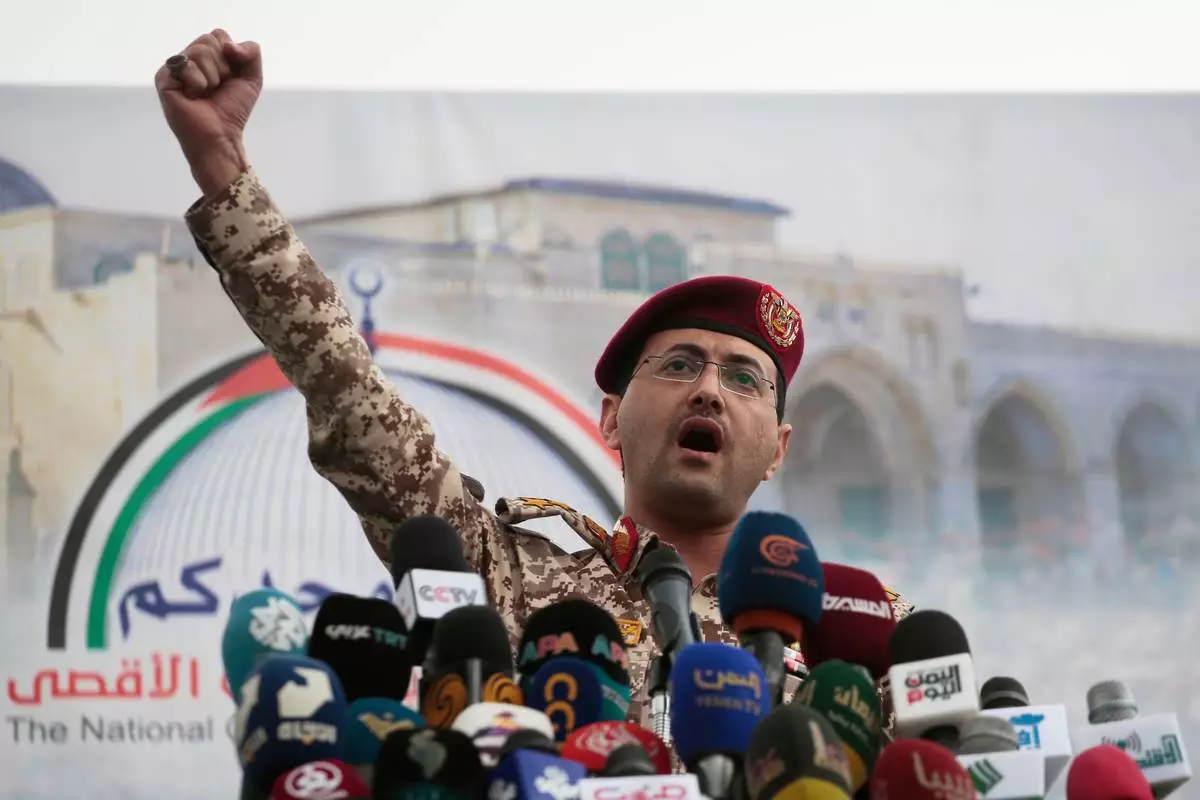
FILE - Houthi military spokesman Yahya Saree speaks at a rally against the U.S. and Israel in Sanaa, Yemen, April 18, 2025. (AP Photo/Osamah Abdulrahman, File)
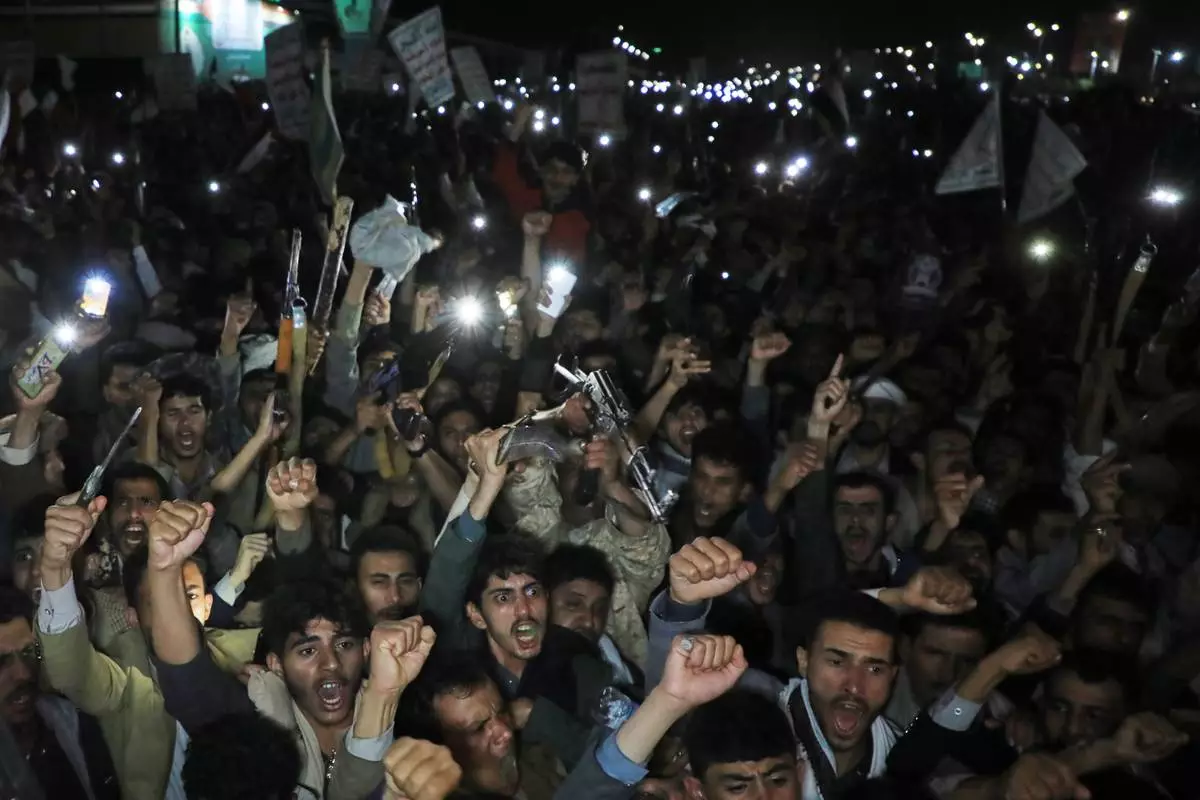
Houthi supporters shout slogans as they demonstrate against airstrikes on Sanaa International Airport in Sanaa, Yemen, Monday, July 13, 2026. (AP Photo/Osamah Abdulrahman)
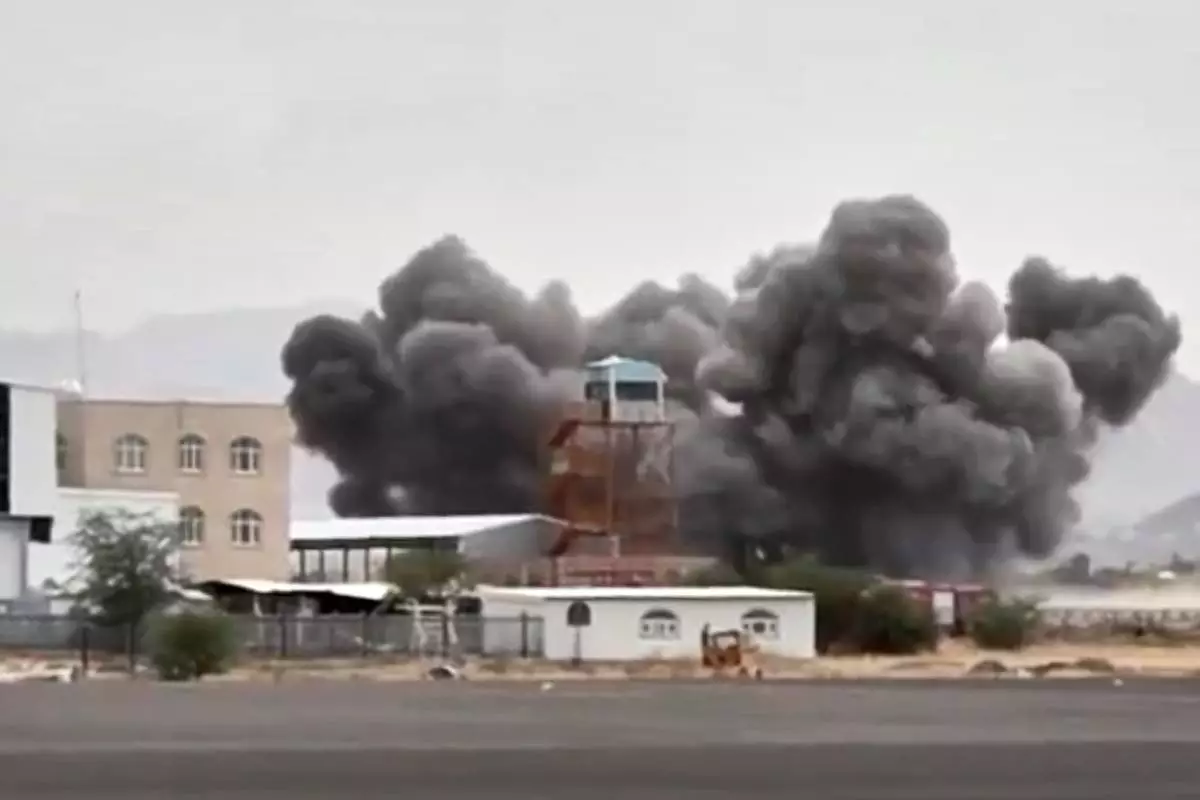
This image taken from video broadcast by Al-Masirah TV, a Houthi-controlled news channel, shows an explosion at the Sanaa International Airport compound during what the Iranian-backed Houthi rebels in Yemen said were several Saudi airstrikes in Sanaa, Yemen, Monday, July 13, 2026. (Al-Masirah TV via AP)
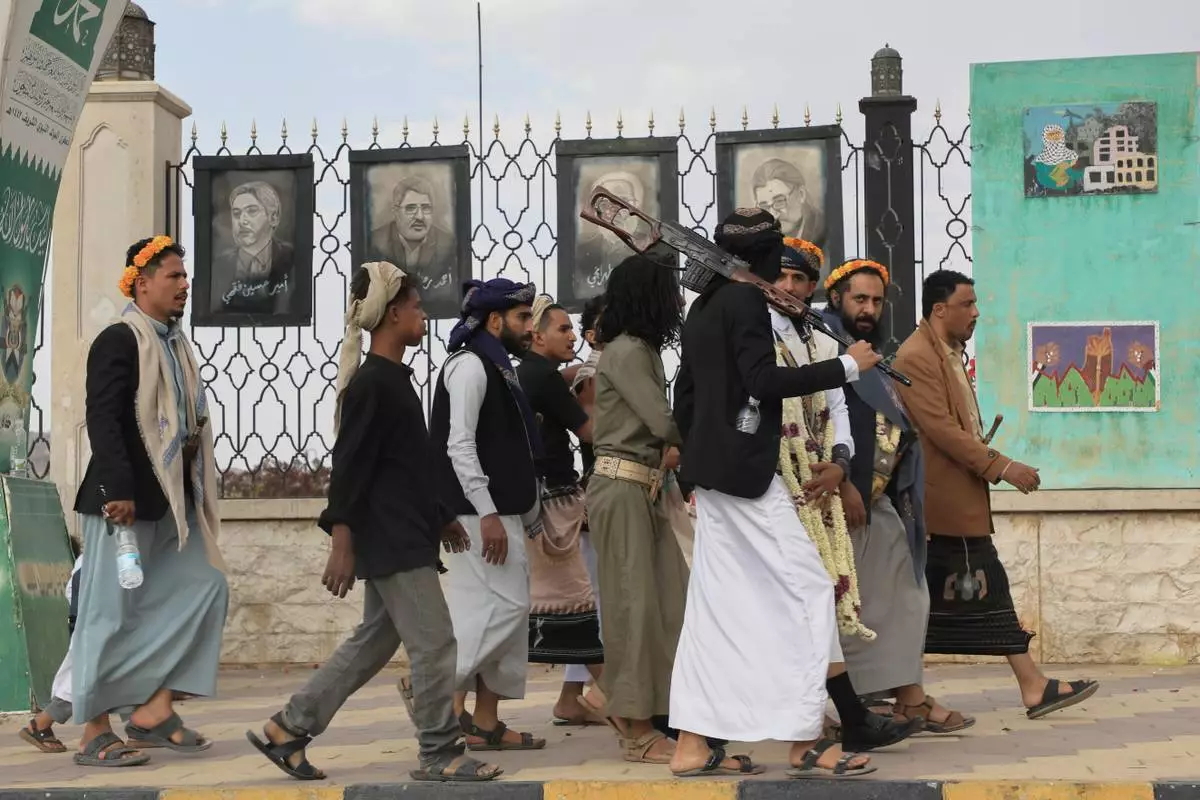
Houthi supporters walk in front of posters of some top Iranian scientists who have been killed in Israeli strikes, in Sanaa, Yemen, Monday, July 13, 2026. (AP Photo/Osamah Abdulrahman)