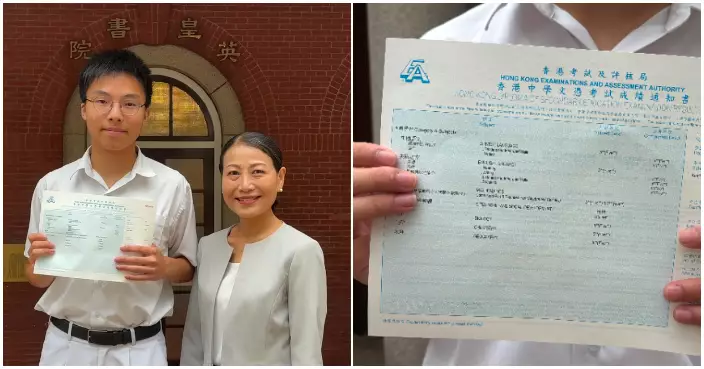
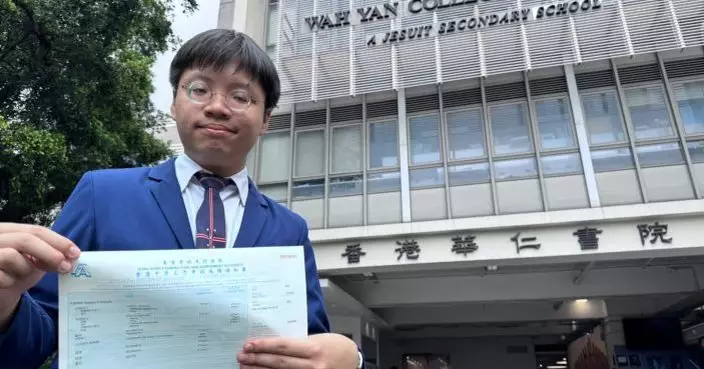
The 2026 DSE results were released today (July 15), with a record-breaking 24 top scorers (14 males and 10 females) coming from 15 schools. Two top scorers from Diocesan Girls' School- Helen Ching and Law Yi Ting- are taking different paths to their future careers, but share a common commitment to serving Hong Kong and the GBA.
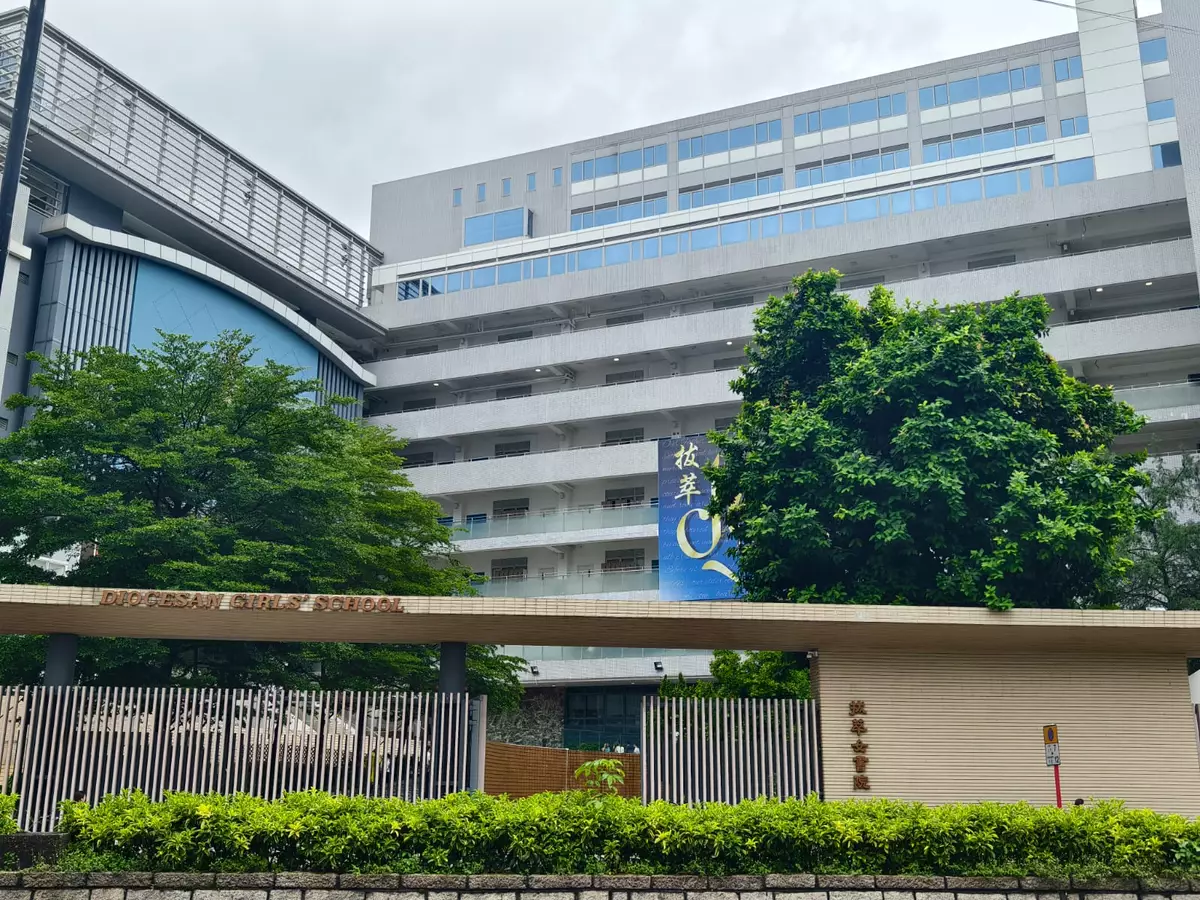
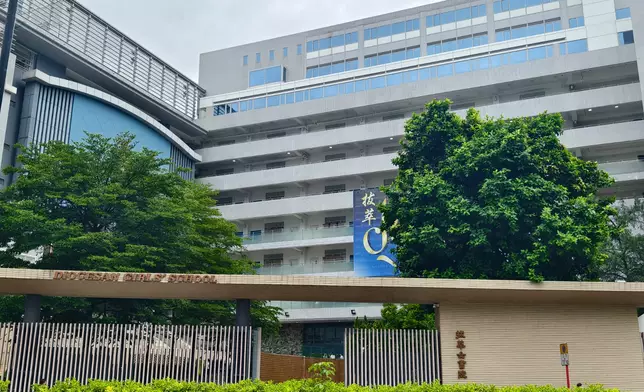
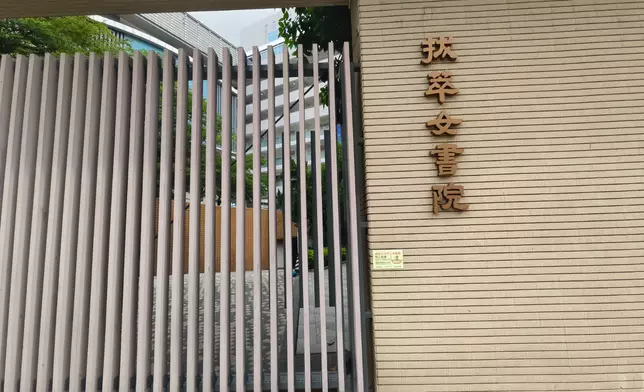
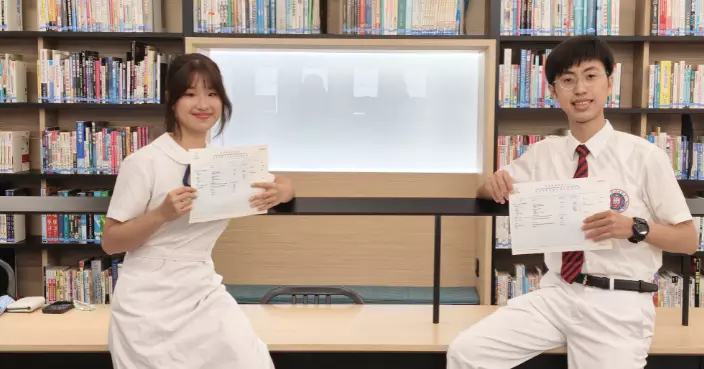
Diocesan Girls' School, Photo by Bastille Post
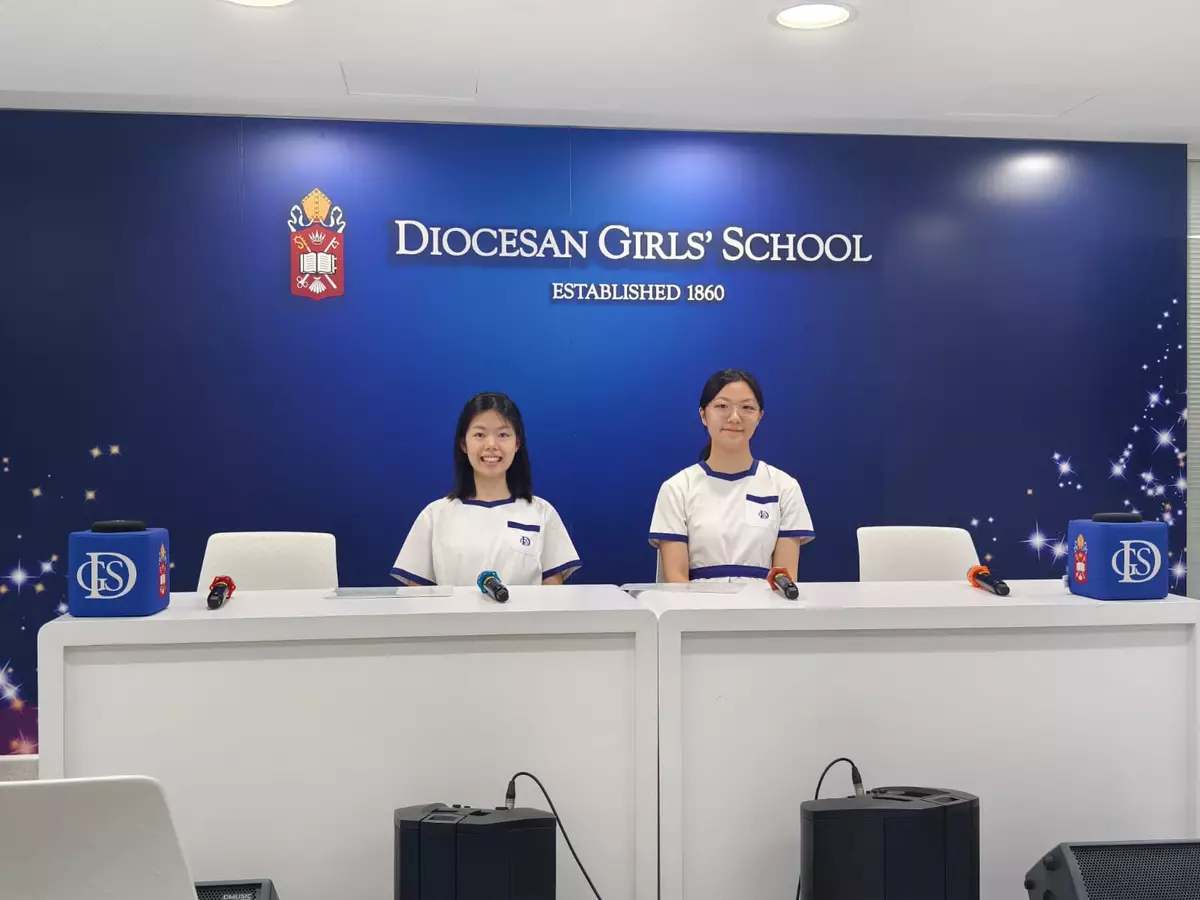
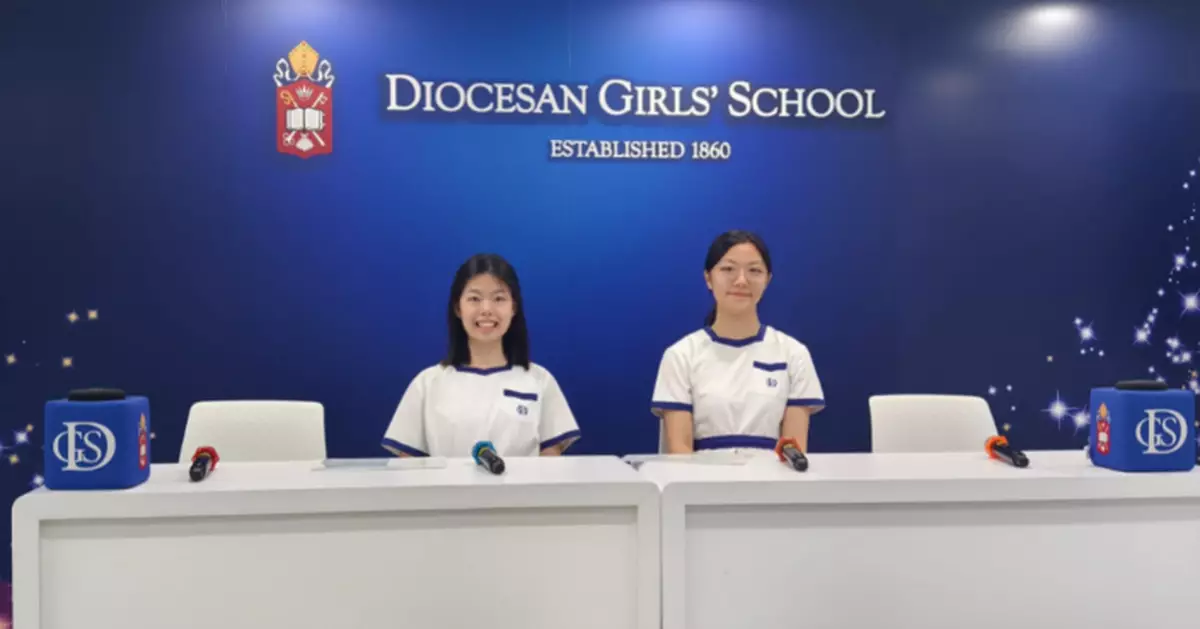
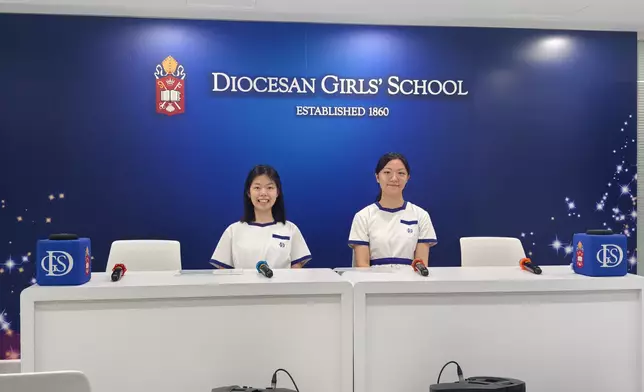
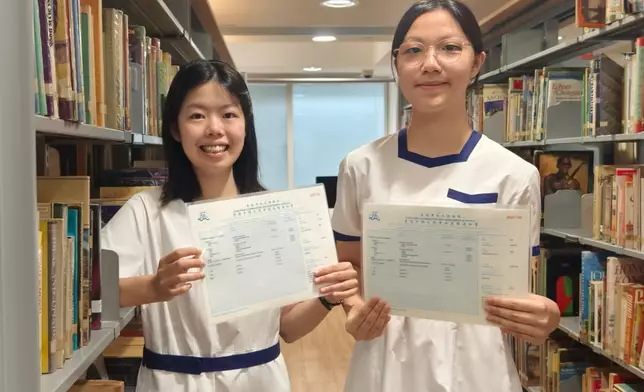
Law Yi Ting (left) and Helen Ching (right), Photo by Bastille Post
Helen Ching, who studied Biology and Physics, said she was pleasantly surprised by her results. "After the exam, I didn't feel particularly good, but I tried my best." In addition to studying, she is also a high jump member of the school's athletics team. She has to take time to practice after school every day. “With the support of teammates and classmates, plus I am also passionate about the sport, there is no problem with my time allocation,” she said in the interview. She credited AI as a valuable study companion, such as asking questions, correcting English essays through AI, and letting AI provide comments. "AI is my good partner. Before the exam, I use it to produce English questions and correct the essay. It is very helpful to improve my grades."
Click to Gallery
Diocesan Girls' School, Photo by Bastille Post
Law Yi Ting (left) and Helen Ching (right), Photo by Bastille Post
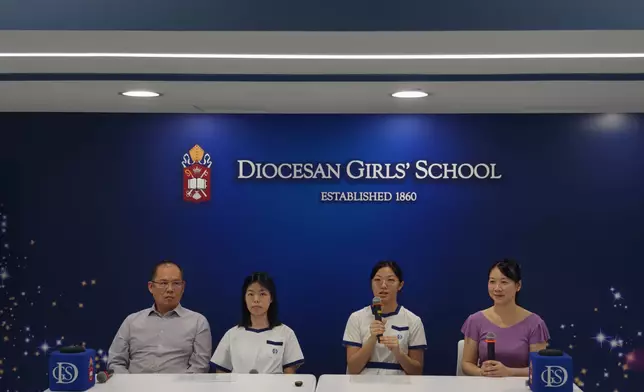
Law Yi Ting (seoncd from the left) and Helen Ching (second from the right) with their families, Photo by Bastille Post
Law Yi Ting (left) and Helen Ching (right), Photo by Bastille Post
Diocesan Girls' School, Photo by Bastille Post
Her interest in medicine was shaped early in life by her sister, who was born prematurely and has suffered from a long‑term illness, requiring hospitalisation for up to three years. Watching her sister go in and out of hospital from a young age gave Helen a deep appreciation for the care and dedication of medical staff, and ultimately inspired her to pursue a career in medicine. With rapid technological advances in recent years, she believes the medical field holds great potential for development, and she hopes to contribute to society through her studies.
Helen is currently considering which university to attend and has not yet decided on a specialty. She has been meeting with doctors over meals to better understand patients’ needs and prepare for her future path. When asked about studying medicine abroad, she said she has not given it serious thought. "Both medical schools in Hong Kong are excellent, offering ample opportunities for exploration and international exchange programs, making Hong Kong the preferred choice for further studies."
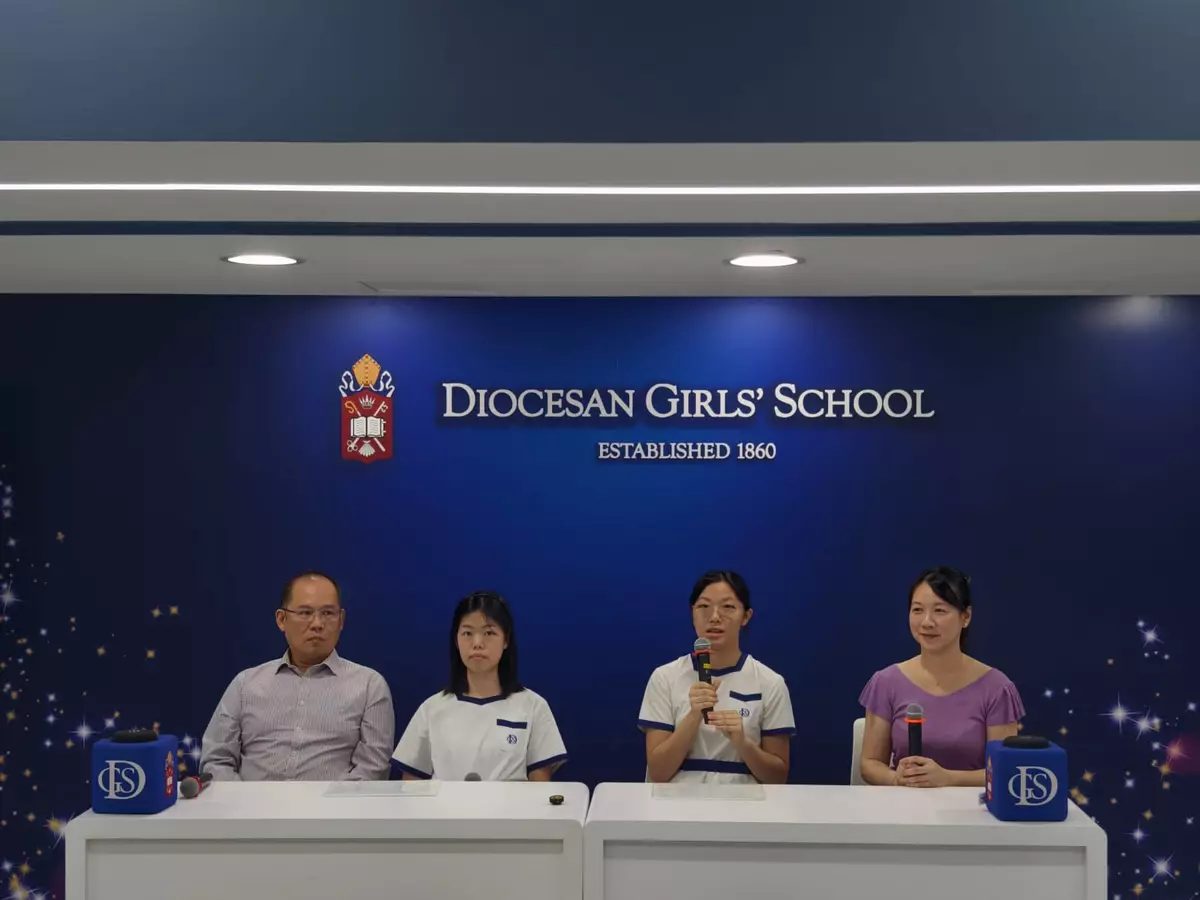
Law Yi Ting (seoncd from the left) and Helen Ching (second from the right) with their families, Photo by Bastille Post
Her family recalled that Helen was not particularly hard‑working in junior secondary school, but underwent a transformation in her final year of secondary school, becoming highly self‑disciplined and sticking to a strict schedule. Her parents noted that no one in the family works in the medical field, so they did not offer specific guidance on her subject choices and supported her decision.
Law Yi Ting, the other top scorer, will pursue Computer Science in the UK. She said she chose to study abroad to experience a different culture and broaden her horizons, with the ultimate goal of bringing her knowledge back to Hong Kong.
She shared her study approach: she makes it a habit to start reviewing immediately after school, and switches tasks when she feels bored to maintain full concentration on each activity, ensuring she focuses on completing one task at a time.
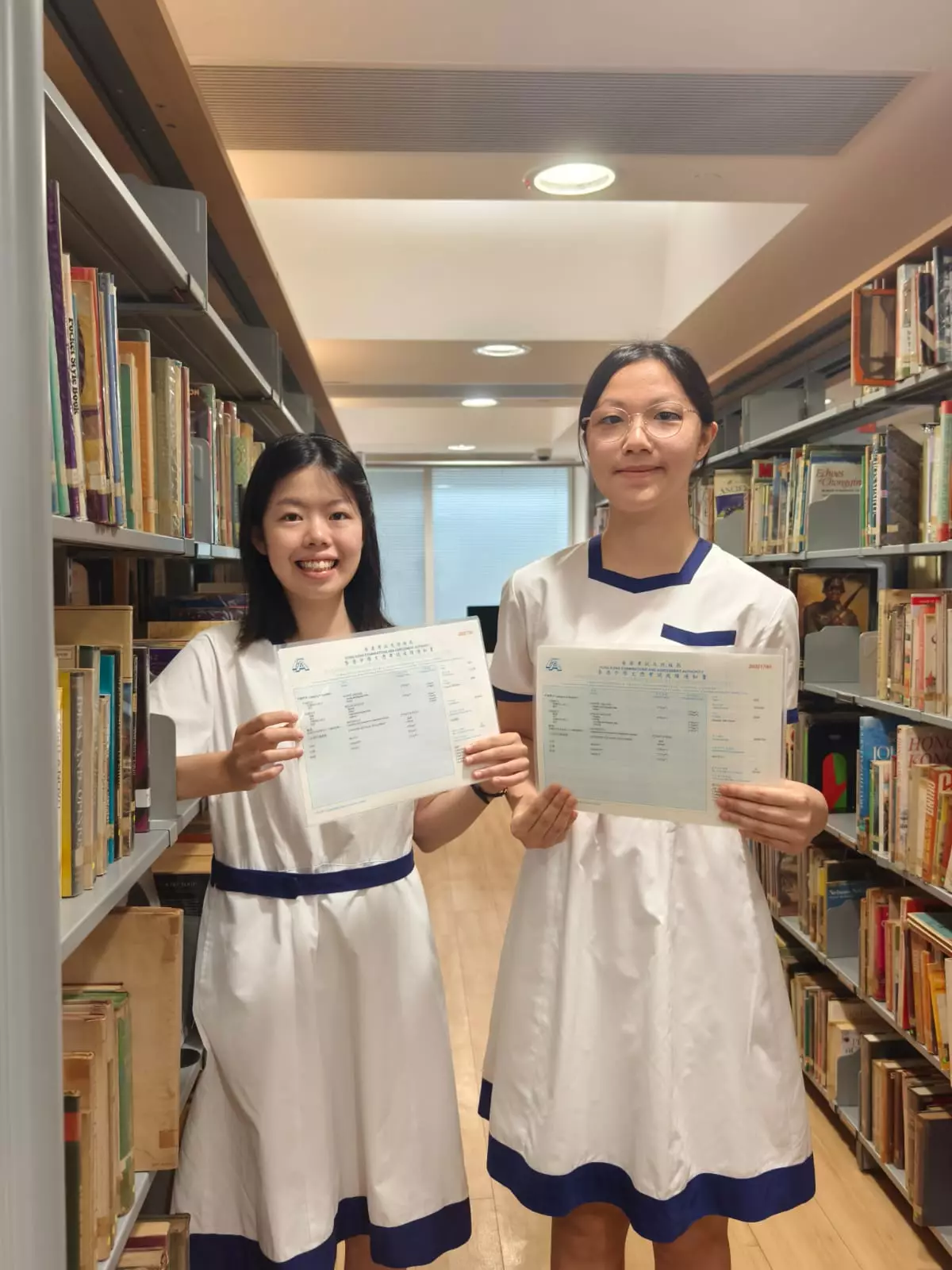
Law Yi Ting (left) and Helen Ching (right), Photo by Bastille Post
Law also uses AI to assist her learning, generating practice questions through AI tools. However, she has found that AI can sometimes produce errors, so she proactively checks with her teachers for confirmation.
Her parents said they fully support her interests and enthusiasm. Her mother taught her time management skills, while her father encouraged her to explore the world and expand her knowledge, without prescribing a specific career path.
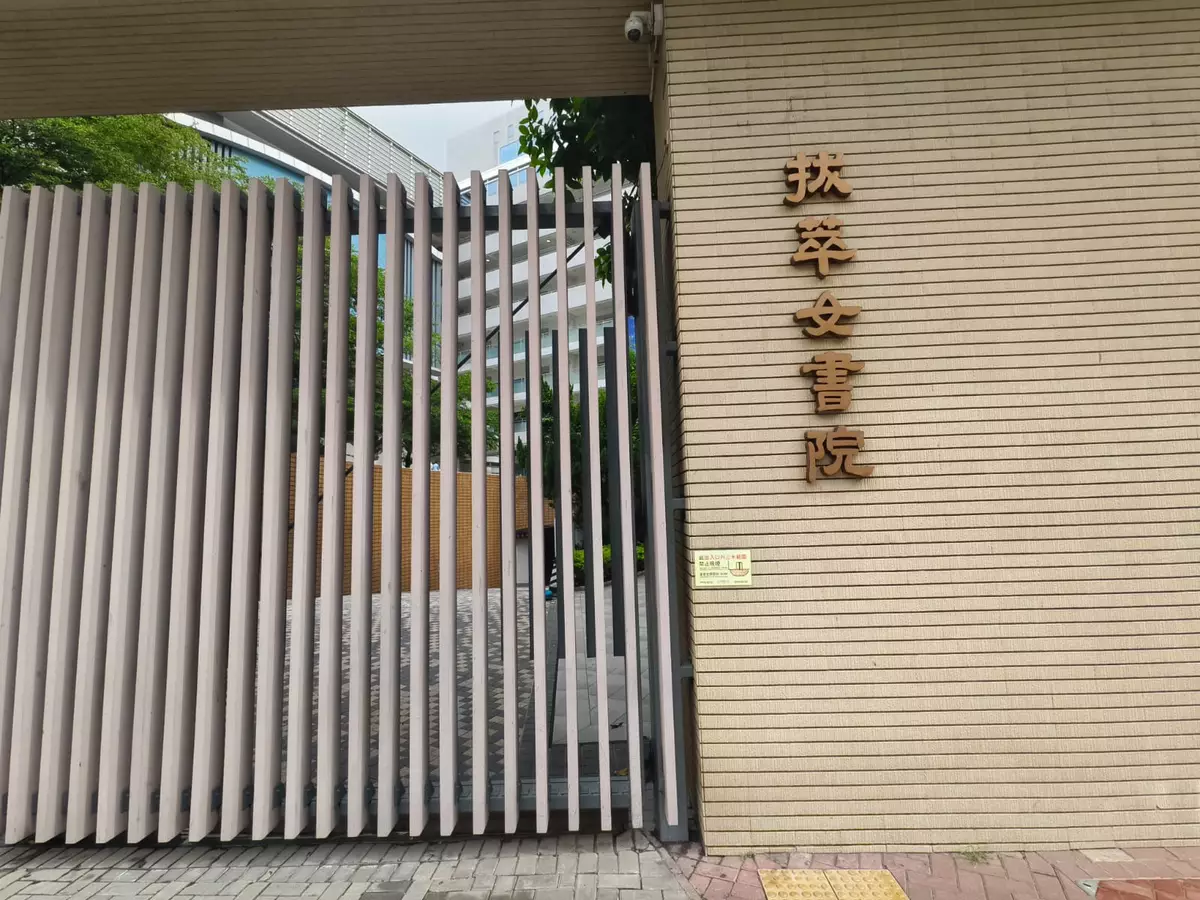
Diocesan Girls' School, Photo by Bastille Post
As Head Girl at her school, Law has helped teachers coordinate large‑scale events. She is passionate about both photography and programming. After completing her studies, she hopes to return to Hong Kong and explore opportunities in the Greater Bay Area.
“The Greater Bay Area has huge potential for Hong Kong‑Mainland cooperation. Young people should be more exposed to it. The Mainland can produce high‑quality AI at low cost. In the future, we can have more exchanges and help Hong Kong better understand the Mainland’s technological development,” she said.
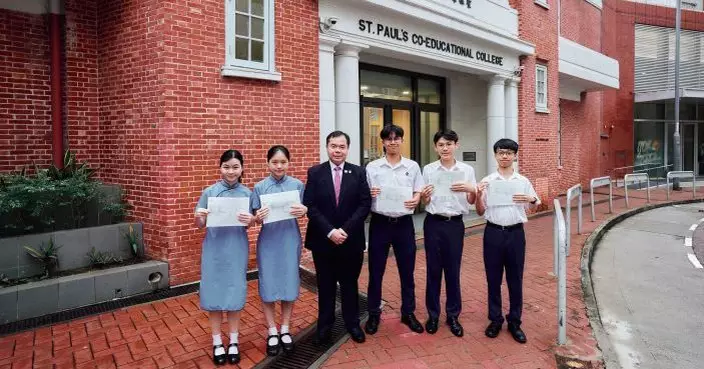
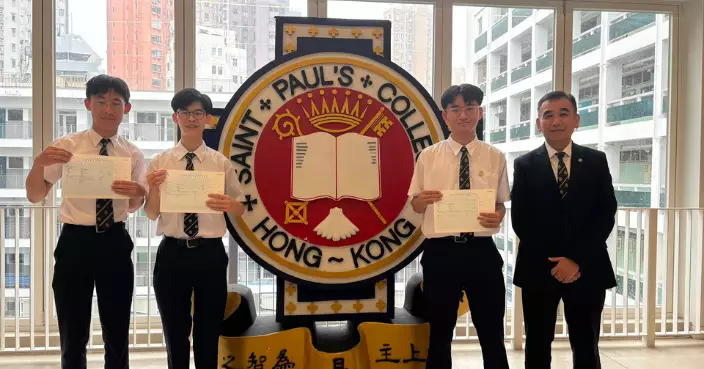
The 2026 HKDSE results were released today (July 15). St. Paul's College celebrated one top scorer and two runners-up, alongside another remarkable success: a visually impaired student who overcame significant challenges to achieve outstanding results.
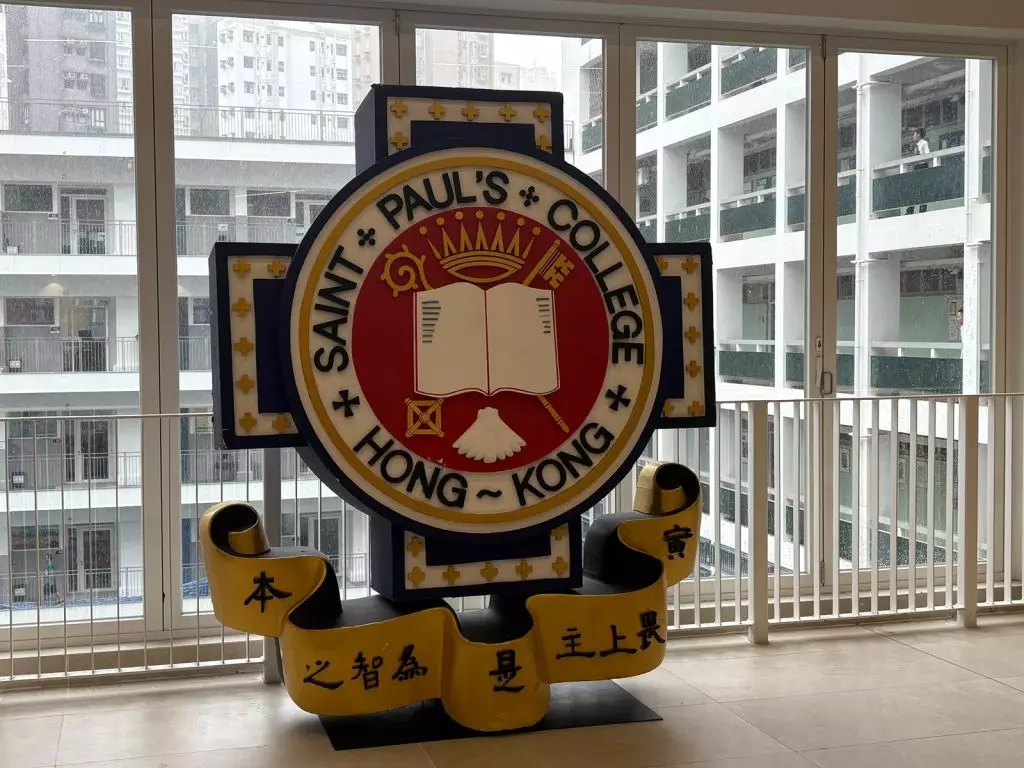
St. Paul's College, Photo by Bastille Post
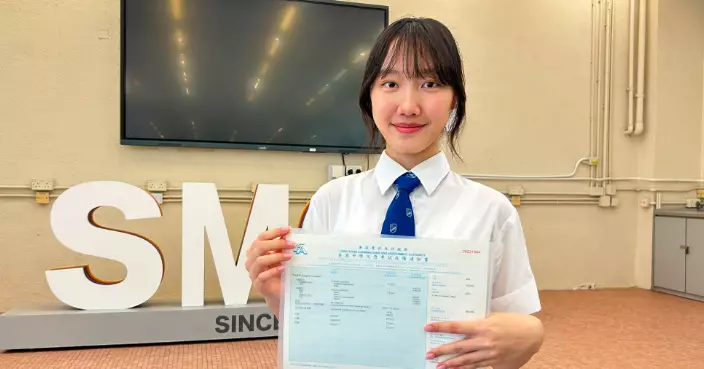
James Zheng studied Mathematics Extended Module 2 (M2), Business, Accounting and Financial Studies (BAFS), and Economics, and achieved 5** in both English and Information and Communication Technology (ICT). He has been admitted to the Bachelor of Arts and Sciences in Financial Technology programme at the University of Hong Kong through the School Nominations Direct Admission Scheme (SNDAS).
James's visual impairment is caused by a congenital developmental condition. He has also participated in support programmes at the Ebenezer School and Home for the Visually Impaired. He requires specialised computer equipment for learning and is granted extended time during examinations.
He admitted that some people questioned his ability to use a computer when he chose his subjects, but he persevered. "I feel that studying is my only way out," he said, expressing hope that entering a good university would open up more choices for him. He believes Hong Kong is generally tolerant towards visually impaired individuals, but acknowledges that prejudice still exists. He hopes that securing a place at a good university and finding a stable job will give him a "safety net."
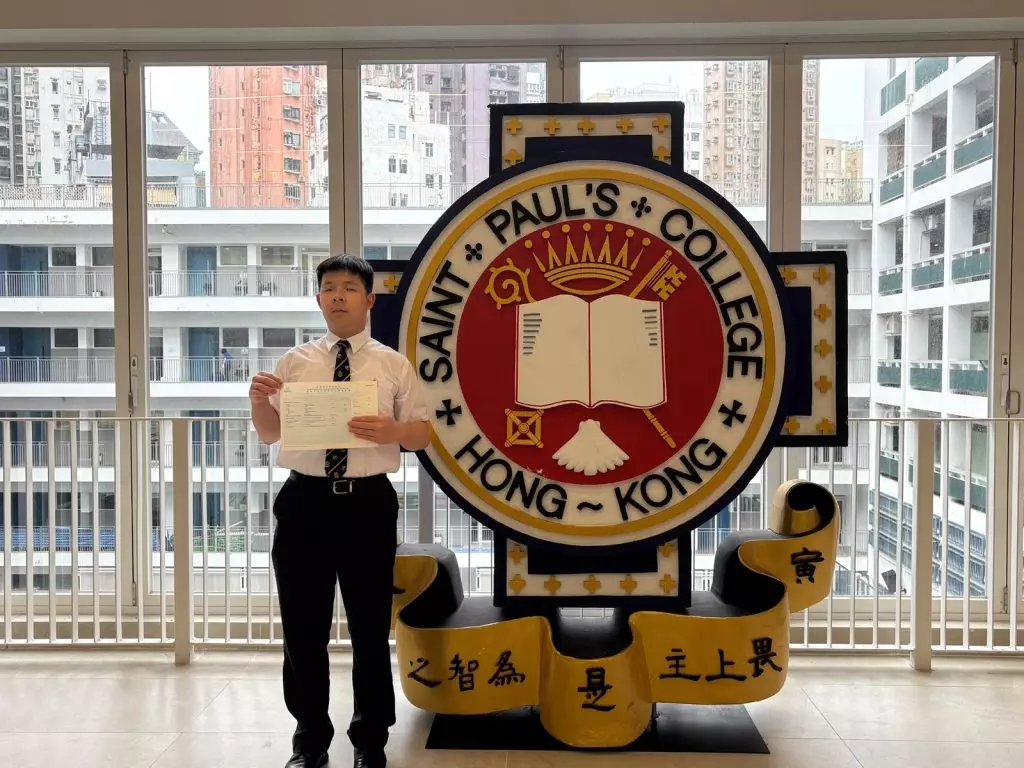
James Zheng, Photo by Bastille Post
James attended Toi Shan Association Primary School in Tuen Mun before studying at St. Paul's College. As for the college, it has a long-standing partnership with the Ebenezer School and Home for the Visually Impaired, which consistently provides strong support for visually impaired students. Initially, his grades were average. He ranked around 80th, and he struggled with English, though he could still see partially. He worked hard and gradually caught up.
However, in Form 4, he became almost completely blind. The transition required extensive rehabilitation and learning to live independently, making it difficult to focus on his studies. His grades plummeted. He decided to repeat a year, and after adapting to his new circumstances, he slowly regained his academic footing.
To improve communication efficiency with teachers, James wrote a programme that converts Braille mathematics directly into printed mathematical symbols, significantly reducing what had been a lengthy conversion process.
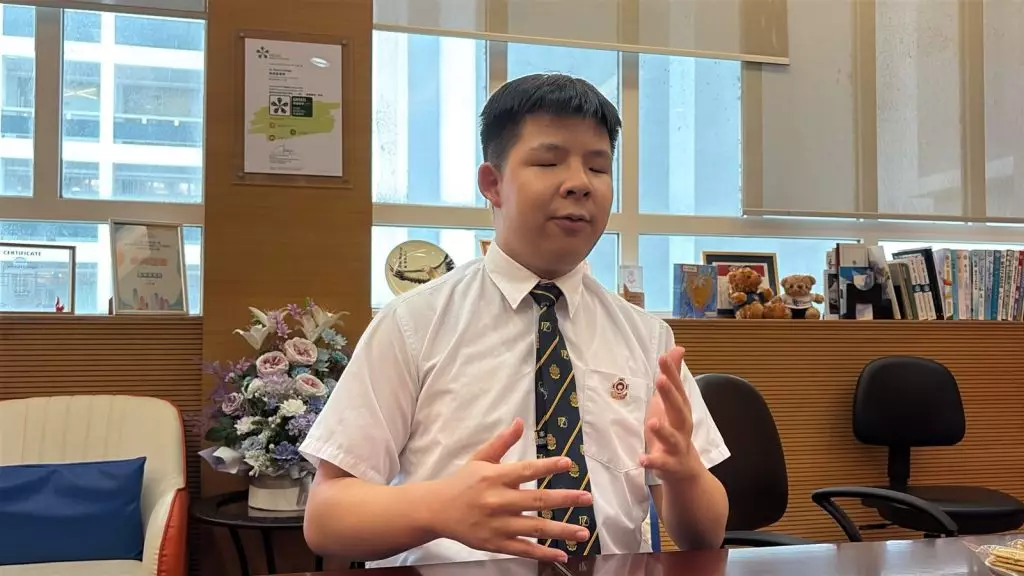
In Form 4, James became almost completely blind. Photo by Bastille Post
James is deeply grateful for the school's support, particularly his mathematics teacher, who dedicated time each week to help him study and later recommended him for HKU's admission programme. The school has also provided him with various opportunities, including camping trips and overseas competitions, ensuring his visual impairment does not limit his experiences. Last year, he even represented the school at a competition in Europe.
James was satisfied and happy with his DSE results, though he felt his Chinese exam performance was not ideal, and found the M2 paper particularly challenging due to the need for electronic devices. Although he was a little nervous the night before results day, he was not overly anxious, having already secured his offer from HKU.
He is deeply interested in AI applications, believing they can assist visually impaired individuals in daily life and studies - for example, by describing images or helping with study summaries. However, he has not yet tried technologies like OpenClaw, citing potential security risks. He hopes to use his programming skills in the future to help visually impaired people and others in need.
Immediately after completing the DSE, James immersed himself in tech and AI-related activities in Hong Kong, including presenting an open-source project at the Hong Kong Open Source Conference. He also interned at City University of Hong Kong, working on AI-related projects. He intends to pursue undergraduate research in AI and hopes to broaden his horizons through the university's exchange programmes.
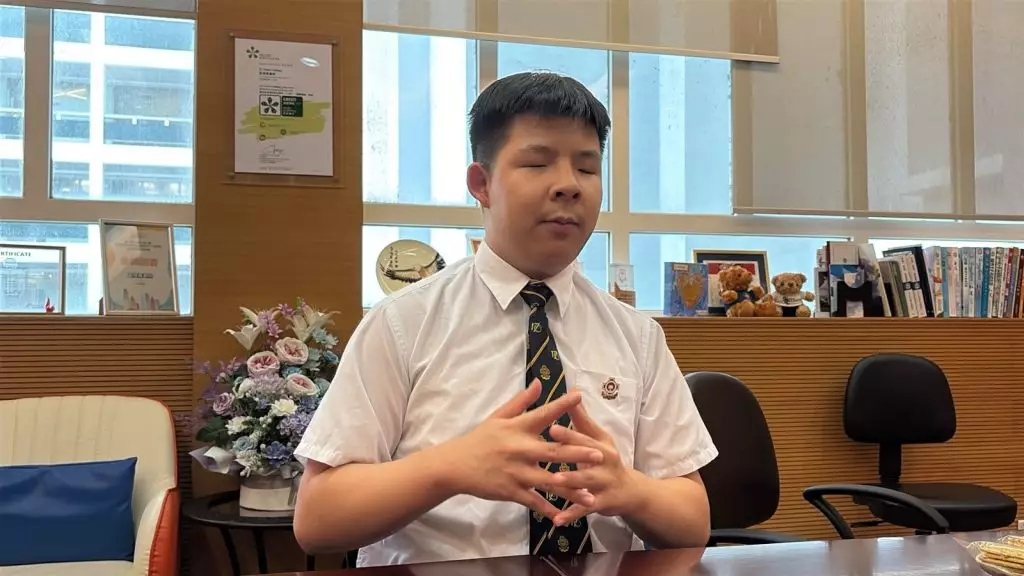
James Zheng, Photo by Bastille Post
He previously visited HKU and found the campus welcoming, and also has a strong interest in finance. He acknowledges that the job market changes rapidly and cannot predict his future career path with certainty.
James shared his learning philosophy: the earlier you prepare, the better. He read extensively in English during junior secondary school, building a strong language foundation. He rarely attended tutoring classes, only taking a few months of maths tuition between Form 5 and Form 6, and economics tuition a few months before the DSE. Instead, he prefers to study independently. He likes to take notes after reading, believing it enhances memory retention.
James hoped other visually impaired students would not care too much about others' opinions, even if some people hold stereotypes or try to discourage them. In his eyes, the most important thing is to pursue dreams. "As long as you are interested and feel capable, you should try — even if you fail, you won't regret it," he said.
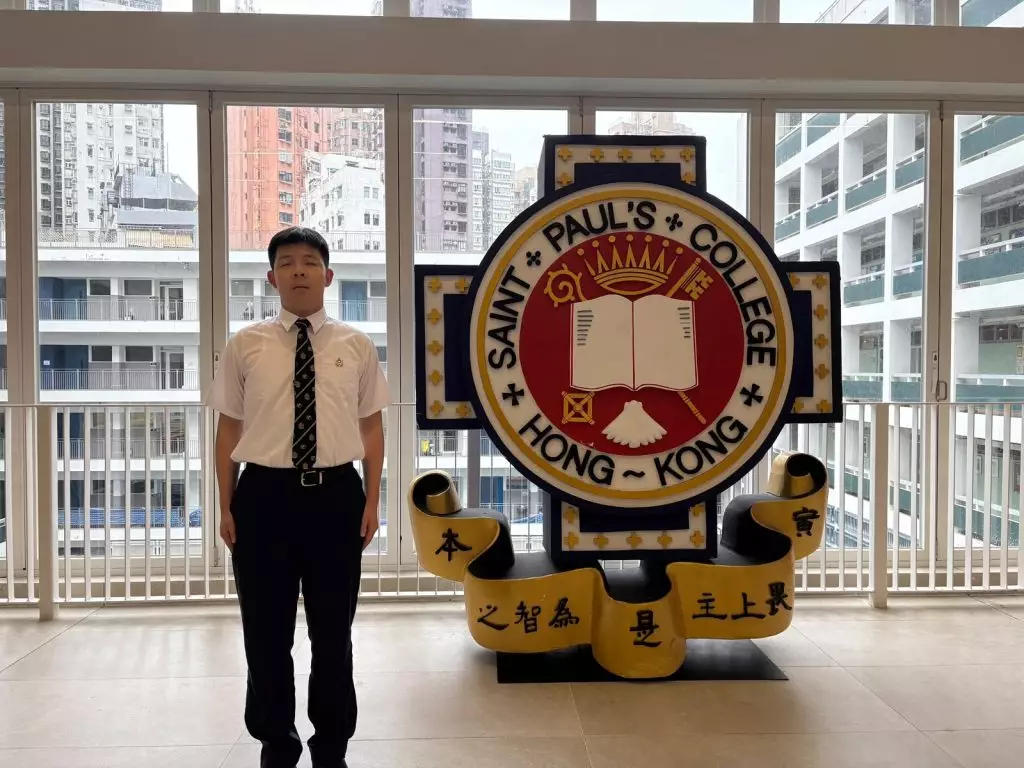
James hoped other visually impaired students would not care too much about others' opinions, even if some people hold stereotypes or try to discourage them. Photo by Bastille Post