Chinese President Xi Jinping on Wednesday visited a residential community in Shanghai's Huangpu District during an inspection trip to the city where he learned of the achievements made in urban renewal projects.
During the visit, Xi toured a local residential community where a series of buildings dating back nearly seven decades have been extensively renovated and upgraded in recent years, significantly improving the living conditions for residents.
The Shimin Xincun residential area in the Bansongyuan Road Subdistrict, where Xi visited, had four old buildings originally built back in 1957, but over time faced prominent problems such as structural safety hazards and lacked modern sanitation facilities.
However, the community was one of many residential areas to benefit from a comprehensive renovation project which was launched in Huangpu District in October 2022 with the aim of modernizing outdated buildings.
The large-scale initiative involved over 350 households and saw a combination of relocation, demolition and reconstruction efforts which sought to address housing safety issues and ensure each home had its own private kitchen and bathroom.
It also included the installation of elevators, new independent balconies, pocket gardens, underground parking, and other amenities in these residential areas, significantly improving people's living conditions. The project was completed in March this year, with 178 households having already moved back in.
This major housing renewal initiative set numerous city records for projects of a similar nature, including involving the highest resident participation as well as seeing the fastest overall relocation and construction progress.
During the inspection tour, Xi, who is also general secretary of the Communist Party of China Central Committee and chairman of the Central Military Commission, stressed the need to fully embrace the people-centered philosophy of urban development.
Urban renewal initiatives should be carried out in a thorough, meticulous and effective manner in a bid to continuously enhance the people's sense of fulfillment, happiness and security, Xi said.
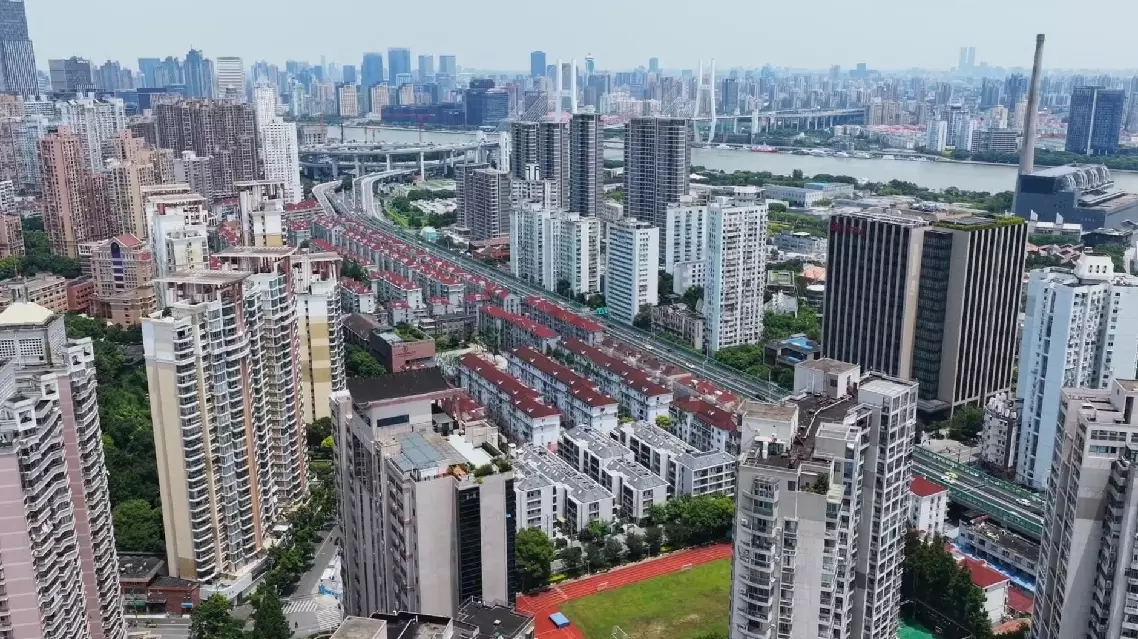
Xi visits residential community which benefited from urban renewal initiative in Shanghai
Serbian fruit farmers, celebrating a apricot harvest after years of crop failures, are now scrambling to sell their produce, as a searing heatwave threatens to spoil the bounty, leaving many with no choice but to sell high-quality fruit to processors at rock-bottom prices.
After several consecutive years of reduced yields due to extreme weather conditions such as frost and drought, orchards across the country are enjoying a bountiful harvest this year, with apricot production expected to reach a record 50,000 tonnes.
However, with a new wave of high temperatures setting in, local farmers are facing the challenge of harvesting and selling the fresh fruit in a timely manner.
Grocka is Serbia's largest and most important apricot-growing region.
After several consecutive years of drought and frost, this year's apricot crop has finally yielded a long-awaited bumper harvest.
Purchasers of a local purchasing station said that the daily sales of the fruit in recent days have stood at around 10 tonnes, but prices vary significantly depending on the destination of the fresh fruit.
"It is used as fresh fruit for export. It is also reused for industrial processing. First-class fruit intended for export has fetched prices this year ranging from 70 (about 68 U.S. cents) to 120 dinars (about 1.17 U.S. dollars) per kilogram of apricot," said Bojan Mitrovic, a fruit buyer.
However, the overall average purchase price is only 35 (about 34 U.S. cents) to 40 dinars (about 39 U.S. cents) per kilogram, he said.
With a new heatwave approaching, temperatures across most of Serbia are expected to exceed 35 degrees Celsius, with some areas projected to reach 40 degrees Celsius.
Fruits such as apricots have an extremely short shelf life.
With a large volume of fresh fruit from the harvest flooding the market within a short period, local cold storage and cold-chain logistics capacity cannot keep up.
Farmers must sell their produce quickly after harvest, forcing them to sell large quantities of high-quality apricots to processing plants at low prices.
Fruit cultivation in Serbia is still primarily carried out in small family orchards.
This fragmented production structure makes it difficult for individual farmers to bear the construction costs of modern cold storage facilities.
As farmers race against time and the weather to harvest and sell their fresh fruit, the Serbian government and the Chamber of Commerce and Industry of Serbia have also taken multiple measures to coordinate the various stages of harvesting, transportation and sales to help fruit farmers cope with the "sweet burden" brought on by the harvest.
"[There are] basically two streamlines. One is being distributed to the Ministry of Economy through the Development Agency, which every year has programs for supporting such endeavors. On the other hand, there is the support especially for the small farmers through national support -- through the Ministry of Agriculture. The Chamber of Commerce has founded the daughter company, which is called Serbia Export. Its main task is to aggregate the offer and to be the middleman in finding and aggregating the small production businesses in Serbia, or relatively small or even the bigger ones, so it can cooperate with, for instance, Chinese partners," said Veljko Jovanovic, an analyst of the Chamber of Commerce and Industry of Serbia.
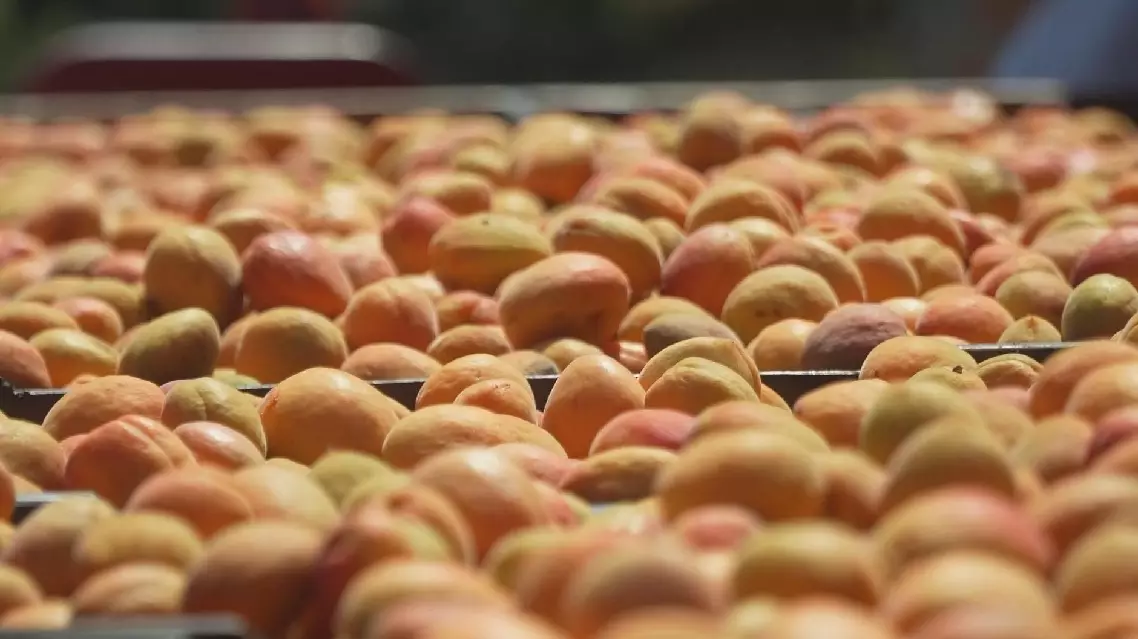
Serbia's apricot harvest turns sour as heatwave bites