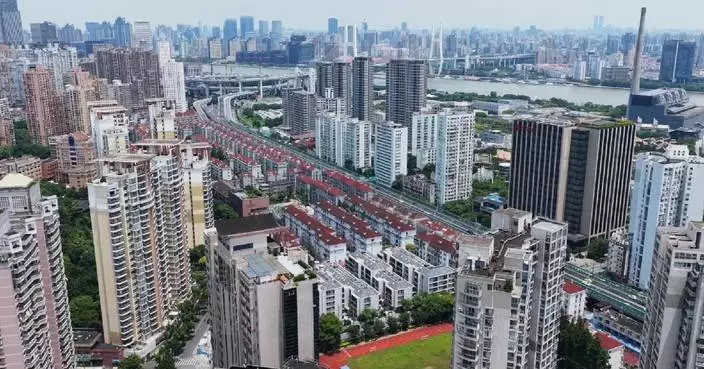
On the shores of the East China Sea, the megacity of Shanghai stands as China's pacesetter in reform and opening-up and a trailblazer in innovative development.
Chinese President Xi Jinping, also general secretary of the Communist Party of China Central Committee and chairman of the Central Military Commission, on Wednesday made an inspection tour of the city.
Covering an administrative area of 6,340.5 square kilometers, Shanghai is home to 24.85 million permanent residents by the end of 2025. In the first quarter of this year, Shanghai's gross domestic product reached 1.35 trillion yuan (199.4 billion U.S. dollars), up 5.9 percent year on year, outpacing the national average.
As China's largest economic hub, Shanghai continues to elevate its status as an international economic center through high-quality development.
Long a vanguard of opening-up, the city has reaped substantial gains in building itself into an international trade hub. Its container throughput has ranked the first globally for 16 consecutive years, and Shanghai has risen to second in global shipping center rankings. Led by the National Innovation Center par Excellence, the city is accelerating toward becoming a globally influential hub of science and technology.
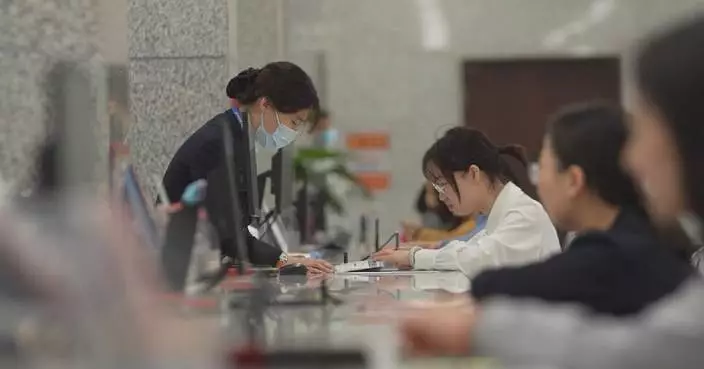
At the same time, Shanghai is also deeply committed to the philosophy of "people's city," advancing urban governance with painstaking precision. It is forging a new path for the modernization of megacity governance with Chinese characteristics.
With the overarching goal of building itself into a modern, socialist, international metropolis with global influence, Shanghai is fully leveraging its leading and exemplary role in advancing Chinese modernization.

Shanghai stands as beacon of reform, innovation, high-quality development
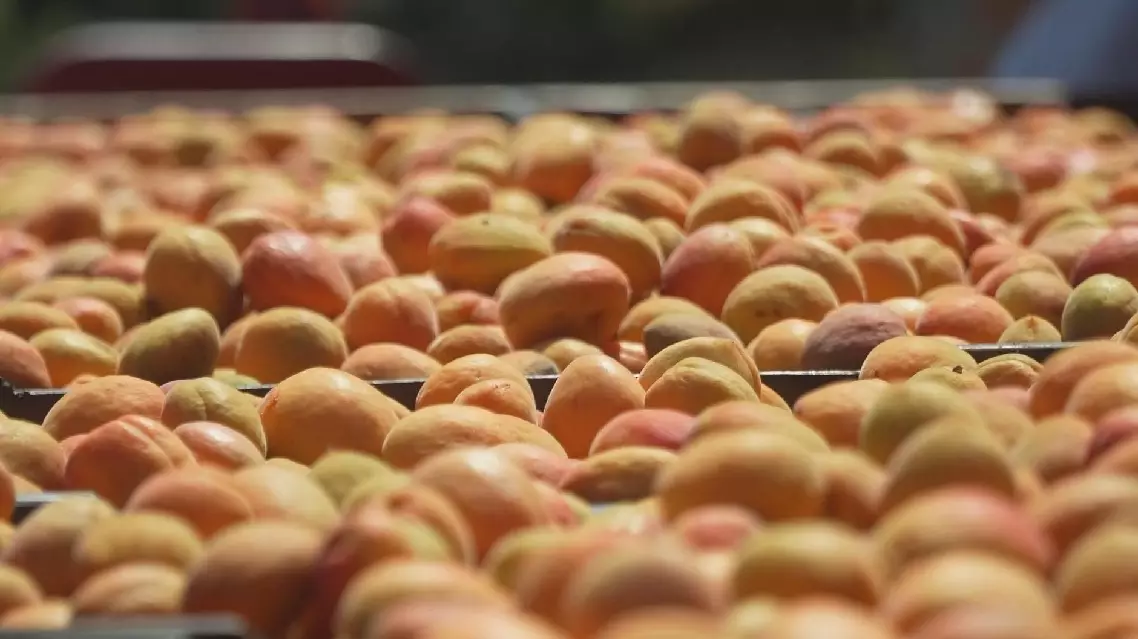
Serbian fruit farmers, celebrating a apricot harvest after years of crop failures, are now scrambling to sell their produce, as a searing heatwave threatens to spoil the bounty, leaving many with no choice but to sell high-quality fruit to processors at rock-bottom prices.
After several consecutive years of reduced yields due to extreme weather conditions such as frost and drought, orchards across the country are enjoying a bountiful harvest this year, with apricot production expected to reach a record 50,000 tonnes.
However, with a new wave of high temperatures setting in, local farmers are facing the challenge of harvesting and selling the fresh fruit in a timely manner.
Grocka is Serbia's largest and most important apricot-growing region.
After several consecutive years of drought and frost, this year's apricot crop has finally yielded a long-awaited bumper harvest.
Purchasers of a local purchasing station said that the daily sales of the fruit in recent days have stood at around 10 tonnes, but prices vary significantly depending on the destination of the fresh fruit.
"It is used as fresh fruit for export. It is also reused for industrial processing. First-class fruit intended for export has fetched prices this year ranging from 70 (about 68 U.S. cents) to 120 dinars (about 1.17 U.S. dollars) per kilogram of apricot," said Bojan Mitrovic, a fruit buyer.
However, the overall average purchase price is only 35 (about 34 U.S. cents) to 40 dinars (about 39 U.S. cents) per kilogram, he said.
With a new heatwave approaching, temperatures across most of Serbia are expected to exceed 35 degrees Celsius, with some areas projected to reach 40 degrees Celsius.
Fruits such as apricots have an extremely short shelf life.
With a large volume of fresh fruit from the harvest flooding the market within a short period, local cold storage and cold-chain logistics capacity cannot keep up.
Farmers must sell their produce quickly after harvest, forcing them to sell large quantities of high-quality apricots to processing plants at low prices.
Fruit cultivation in Serbia is still primarily carried out in small family orchards.
This fragmented production structure makes it difficult for individual farmers to bear the construction costs of modern cold storage facilities.
As farmers race against time and the weather to harvest and sell their fresh fruit, the Serbian government and the Chamber of Commerce and Industry of Serbia have also taken multiple measures to coordinate the various stages of harvesting, transportation and sales to help fruit farmers cope with the "sweet burden" brought on by the harvest.
"[There are] basically two streamlines. One is being distributed to the Ministry of Economy through the Development Agency, which every year has programs for supporting such endeavors. On the other hand, there is the support especially for the small farmers through national support -- through the Ministry of Agriculture. The Chamber of Commerce has founded the daughter company, which is called Serbia Export. Its main task is to aggregate the offer and to be the middleman in finding and aggregating the small production businesses in Serbia, or relatively small or even the bigger ones, so it can cooperate with, for instance, Chinese partners," said Veljko Jovanovic, an analyst of the Chamber of Commerce and Industry of Serbia.
Serbia's apricot harvest turns sour as heatwave bites