Skip to Content Facebook Feature Image

Hormuz delays raise freight costs at Rotterdam Port

China

China

China

Hormuz delays raise freight costs at Rotterdam Port

2026-07-16 20:48 Last Updated At:07-17 00:37

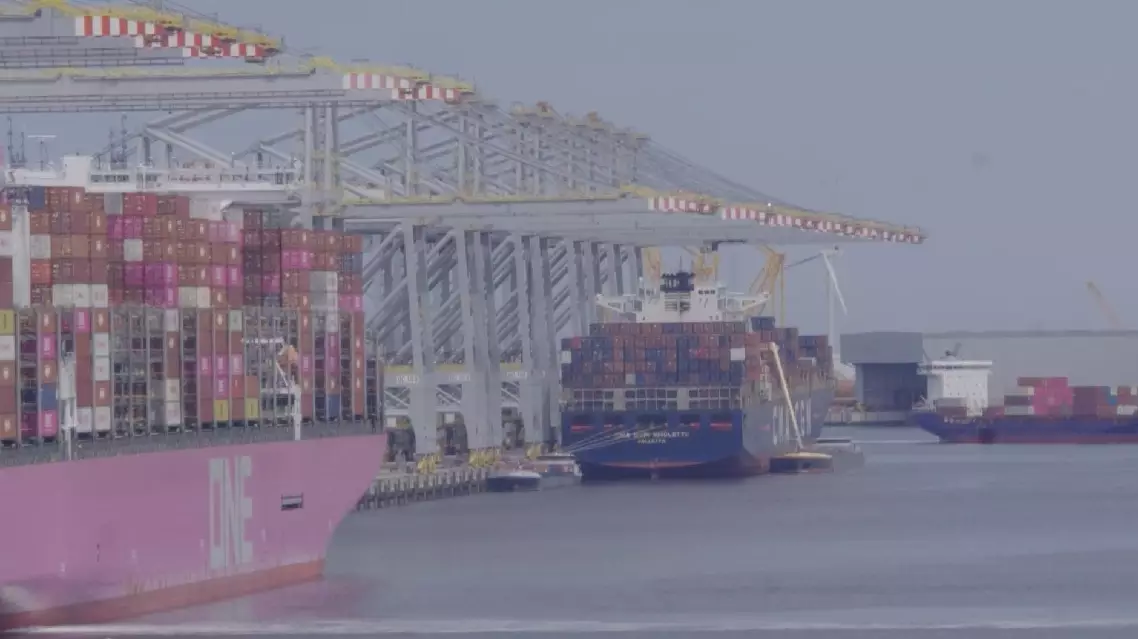
Disruptions in the Strait of Hormuz, the narrow Gulf passage through which a fifth of the world’s oil flows, are driving up freight costs and tightening shipping capacity at the Port of Rotterdam, Europe’s largest port, making global trade more costly and complicated.

Logistics companies operating in the region said higher bills and fewer shipping slots are creating headaches.

"We pay around 300 to 600 dollars extra on top of your normal fee. Besides this, this also has an influence on the capacity, which causes the price to increase. So yes, it's a hassle, let's say," said Dennis de Roo, founder of Spectre Warehousing and Logistics.

With fewer shipping slots available, companies are scrambling to adjust supply chains and keep goods moving.

"You'll notice immediately the price increase. You'll notice immediately that the capacity is tight. And then you need to react as they say. So then we get in contact with our agent and try to solve the problems in the supply chain," said de Roo.

So far, Rotterdam has avoided major shipping jams, but the risk for global markets remains.

"The indirect effects on the global market, the uncertainty, and the energy prices is quite big. So we don't know the definite impact because we have to see it, of course, [but] now it opens up hopefully a bit more again, [depending on] how the situation is now. But for now the impact is the indirect effects," said Mark Dijk, manager of External Affairs at the Port of Rotterdam.

Even as Rotterdam keeps goods flowing, higher costs and tighter space are adding new strains to global trade networks.
Hormuz delays raise freight costs at Rotterdam Port

Hormuz delays raise freight costs at Rotterdam Port

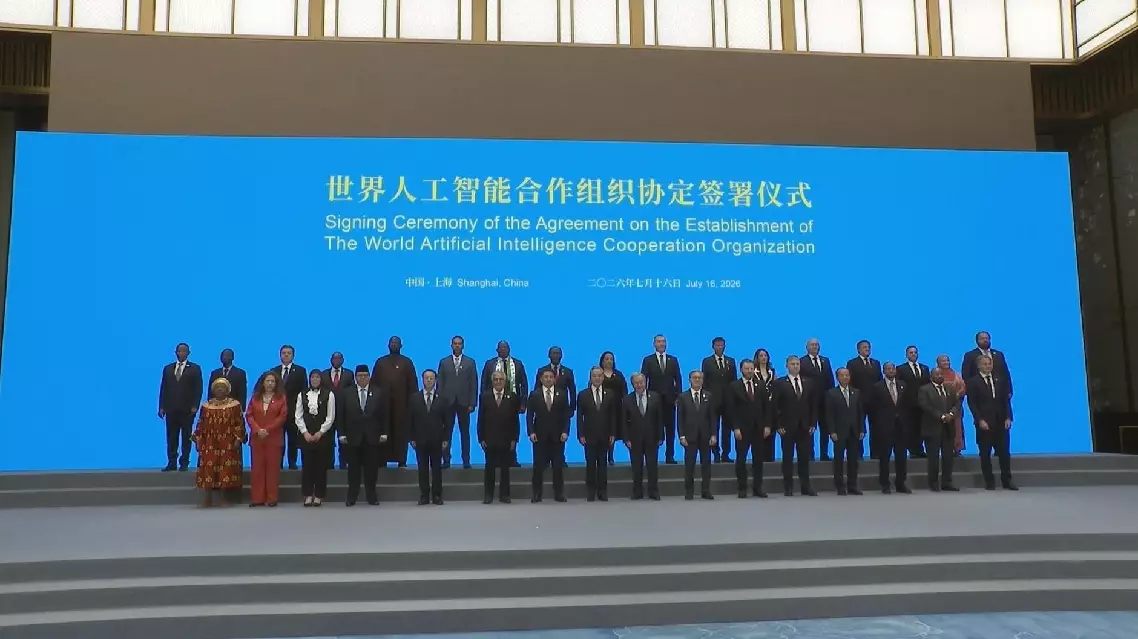
Twenty-nine countries on Thursday signed an agreement in Shanghai on establishing the World Artificial Intelligence Cooperation Organization (WAICO).

The WAICO will be an independent intergovernmental international organization headquartered in Shanghai, according to the agreement.

Chinese Foreign Minister Wang Yi, who is also a member of the Political Bureau of the Communist Party of China Central Committee, signed the agreement on behalf of the Chinese government.

Representatives from the 29 countries, including Kazakhstan, Laos, Pakistan, Russia and Indonesia, signed the agreement, making their countries the WAICO's founding members. The United Nations Secretary-General Antonio Guterres was among representatives from countries and international organizations present at the signing ceremony.

The organization will uphold the purposes of the UN Charter, be committed to extensive consultation and joint contribution for shared benefit and adhere to a people-centered approach, according to the agreement.

It aims to promote international cooperation and global governance on AI, ensuring that AI is beneficial, safe and fair, thereby promoting its healthy and orderly development to benefit all humanity.

29 countries sign agreement on establishing World AI Cooperation Organization

29 countries sign agreement on establishing World AI Cooperation Organization

Recommended Articles