The Yangtze River Delta center of the embodied intelligence testing laboratory, a key industrial technology testing facility under China's Ministry of Industry and Information Technology, was officially put into operation in Shangyu District, Shaoxing city, east China's Zhejiang Province on Wednesday.
Established with 12 dedicated testing scenarios across sectors including green chemicals, biopharmaceuticals and intelligent equipment, the center is capable of conducting comprehensive evaluations on embodied intelligent robots, covering their basic mobility, environmental adaptability and on-site operation capabilities.
It will provide technical support for the standardized testing and certification of such robots, helping accelerate their deployment in industrial application scenarios.
On its first day of operation, the center issued the first embodied intelligence benchmark testing certificate in the chemical industry, and reached preliminary cooperation intentions on testing services with several leading local enterprises.
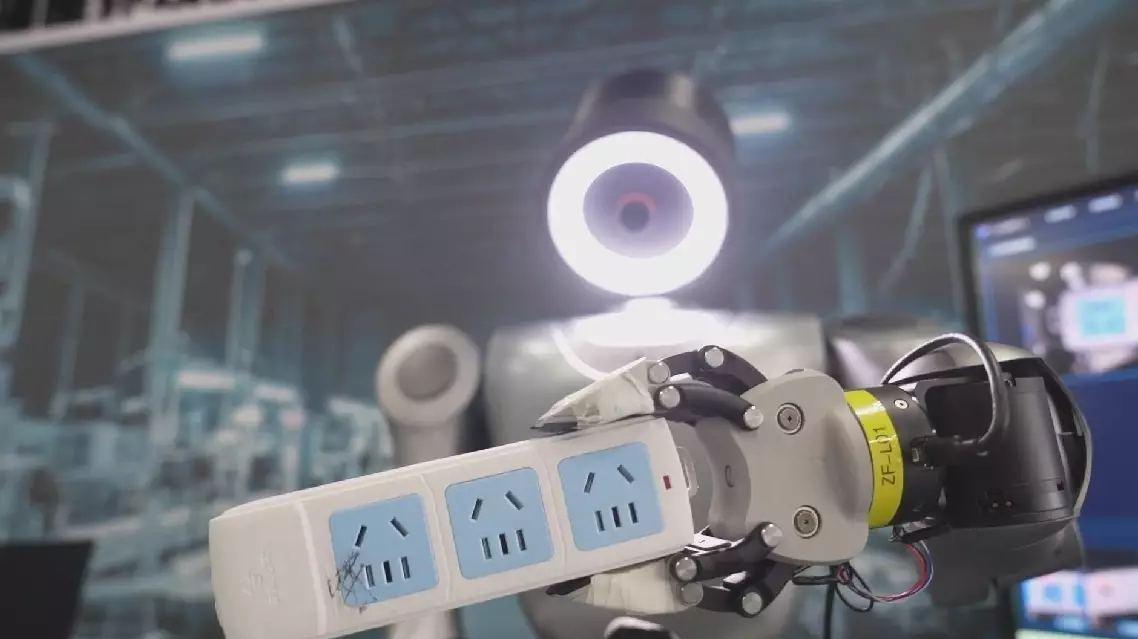
Embodied intelligence testing center in Yangtze River Delta starts operation
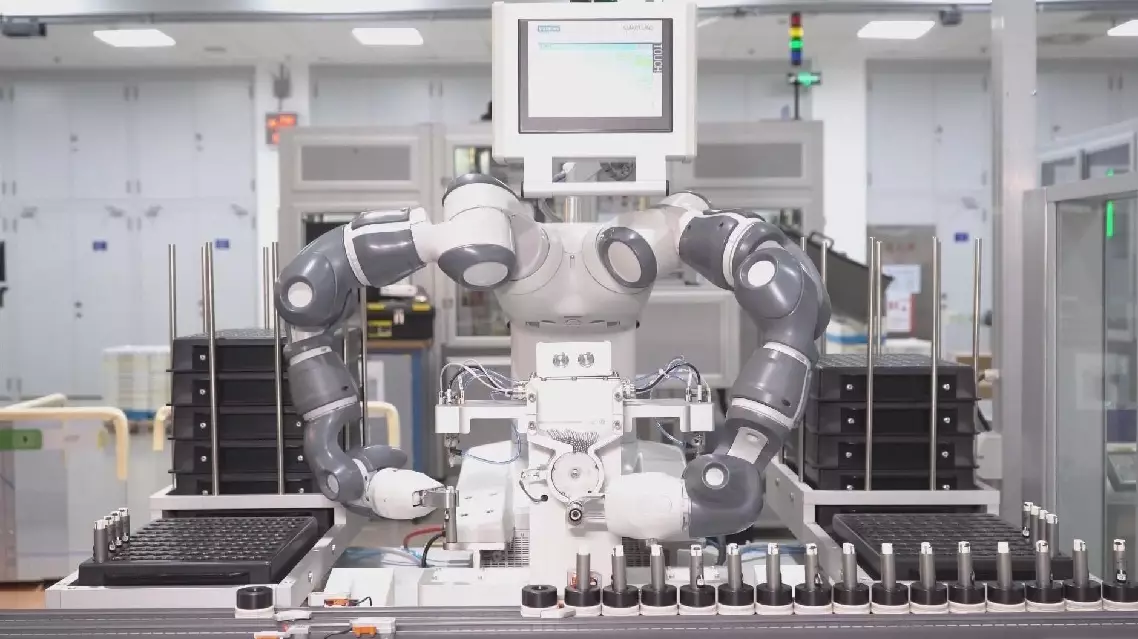
China witnessed a net increase of approximately 160 billion U.S. dollars in foreign capital inflows during the first five months of 2026, representing a marked improvement in the country's appeal to global investors, the State Administration of Foreign Exchange (SAFE) said on Friday.
"Balance of payments data showed that foreign investors' various types of investment in China recorded a net increase of about 160 billion U.S. dollars in the first five months of the year, significantly outperformed the same period last year. This includes direct investment, portfolio investment, and deposits and loans absorbed from abroad. China maintains its position as the world's second-largest destination for accumulated foreign investment stock," Zhao Yuchao, head of SAFE Balance of Payments Department, told reporters at a press briefing, adding that China maintains its position as the world's second-largest destination for accumulated foreign investment stock.
The SAFE data also showed China's foreign investment structure has continued to shift toward higher-value and more innovation-driven sectors.
"The SAFE cross-border receipts and payments data showed that in the first half of the year, foreign capital inflows into China's high-tech services and high-tech manufacturing sectors increased by 61 percent year on year, accounting for 36 percent of total capital inflows, up 11 percentage points from the same period last year. The data indicates foreign investment in China has gradually shifted in recent years, from seeking the cost and scale advantages of 'Made in China', to jointly participating in the development of 'Created in China'," Zhao said.
Foreign investment into China sees 160-bln-USD net increase in Jan-May period: SAFE