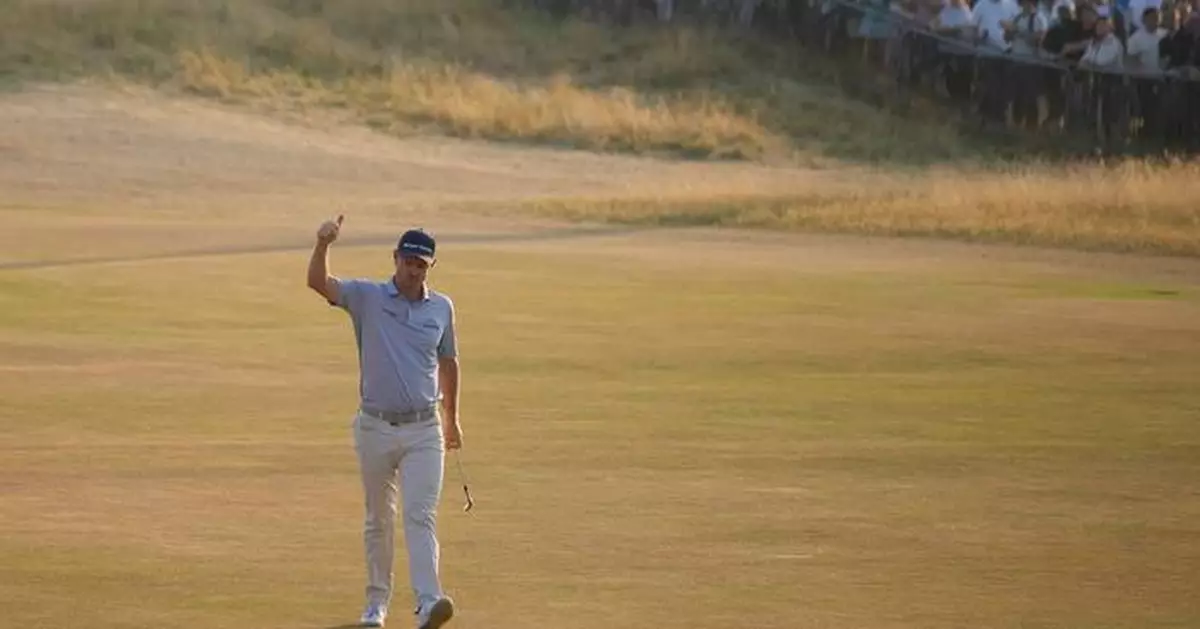
SOUTHPORT, England (AP) — Justin Rose could feel the warmth and adulation as he walked up the 18th hole Friday in the British Open. He just wishes he could have changed the day of the week.
Rose had left himself too big of a hole and didn't make nearly enough putts to make the cut at Royal Birkdale. He closed with a 2-under 68 — he shot 76 in the first round — and his exit was more ceremonial than it was a celebration.
Click to Gallery
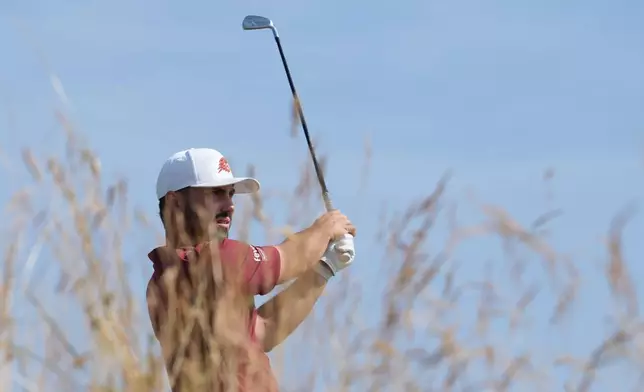
Jose Luis Ballester of Spain plays a short on the 11th tee during the second day of the British Open Golf championships at Royal Birkdale golf club, in Southport, England, Friday, July 17, 2026. (AP Photo/Jon Super)
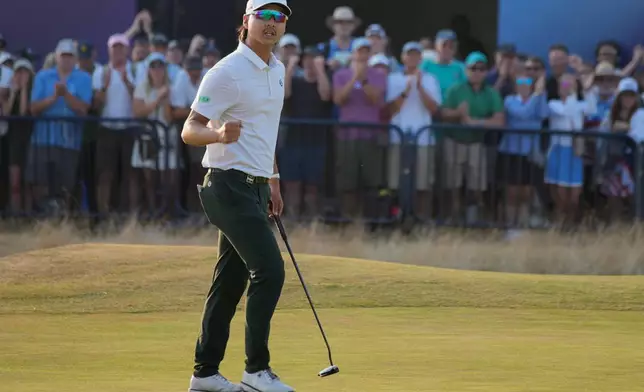
Min Woo Lee of Australia reacts after putting on the 18th green during the second day of the British Open Golf championships at Royal Birkdale golf club, in Southport, England, Friday, July 17, 2026. (AP Photo/David Goldman)
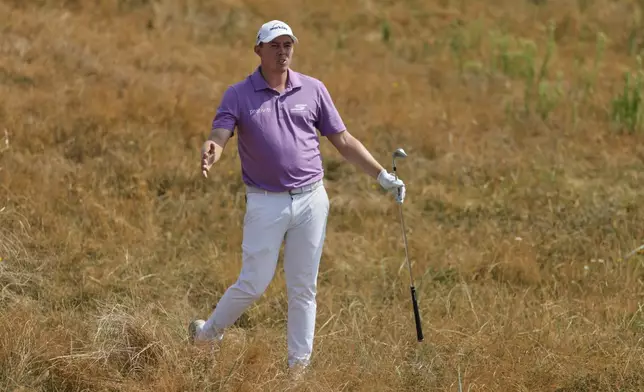
Matt Fitzpatrick of England reacts after playing from the rough on the 6th hole during the second day of the British Open Golf championships at Royal Birkdale golf club, in Southport, England, Friday, July 17, 2026. (AP Photo/Peter Morrison)
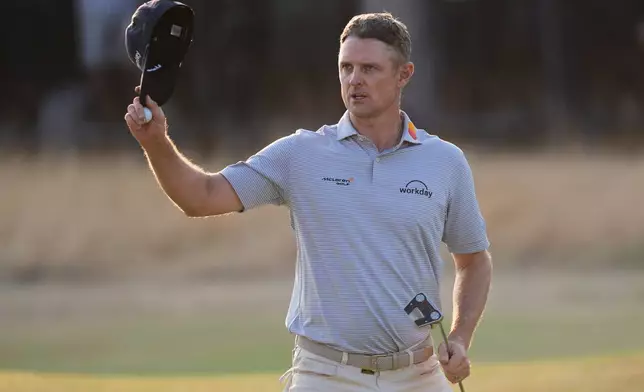
Justin Rose of England acknowledges the crowd after completing his second round on the 18th green during the second day of the British Open Golf championships at Royal Birkdale golf club, in Southport, England, Friday, July 17, 2026. (AP Photo/David Goldman)
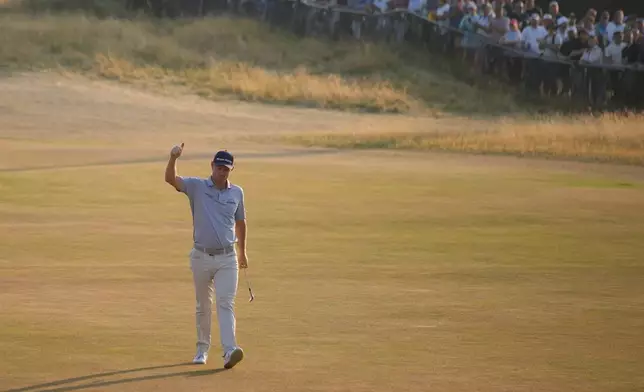
Justin Rose acknowledges the crowd as he walks onto the 18th green during the second day of the British Open Golf championships at Royal Birkdale golf club, in Southport, England, Friday, July 17, 2026. (AP Photo/David Goldman)
“I was trying to get out of my own head at that point and just enjoy the glorious walk that an Open Championship 18th hole is,” Rose said.
He knows from experience, particularly at Royal Birkdale. It was in 1998 when Rose, the 17-year-old amateur, chipped in on the final hole to tie for fourth. He's not been able to capture that moment since then, but the adoring spectators sounded just as loud.
“I could feel that they wanted it for me,” Rose said. “I think up 18, it was just about the warm reception. Obviously, I think people often remember yesteryear, me walking up that hole at Birkdale, but I think it’s a lot of appreciation for the career I’ve had since then, and I just really wanted to enjoy it with them.”
English hopes were high for this British Open because of players like Rose, at No. 10 in the world, and Matt Fitzpatrick with three wins this year and rising to No. 3 in the world.
Fitzpatrick also missed the cut — his younger brother, Alex, goes into the weekend four shots behind — and the frustration was evident with every missed putt. He often gave a pronounced thumbs-up over his misses. Fitzpatrick chalked it up to the quirks and bounces of links golf.
“I’ve hit decent shots, gotten no luck and come away with 4-over par. That’s the way links golf is,” Fitzpatrick said. “You need to have that rub of the green sometimes, and I didn’t have it this week.”
Low scoring at Royal Birkdale — highlighted by the record-tying 62s by Lucas Herbert and Sam Burns — put the cut at 1-over 141. It was the second straight year that 1-over par made the cut (it was 143 at Royal Portrush, which plays to a par 71).
Jordan Spieth, who won at Royal Birkdale in 2017, made a pair of birdies early to raise hopes he would make it to the weekend. But then he three-putted from 4 feet on No. 7. He three-putted from 8 feet on No. 14. He made a 9 on the 17th hole. It added to a 77 and he finished at 10-over 150 to miss the cut by nine shots.
Masters champion Rory McIlroy (139) was the only major champion this year who will be around for the weekend. PGA champion Aaron Rai (142) and U.S. Open champion Wyndham Clark (143) both missed the cut.
And then were was Harry Hall of England, who opened with a 77 and had a 68 that left him three shots outside the cut. He became the only player to miss the cut in all four majors this year.
There were some late heroics, with Min Woo Lee and Josele Ballester each making birdie on the 18th hole — the hardest on the course — to make the cut on the number.
“Just making cuts is not the big picture, but moments like that when you need to, I think that will help in the long run,” Lee said. “It would have been a bit of a bummer to pack my bags and go home. I'm excited for tomorrow. Hopefully we get good conditions in the morning and can put a low one there.”
Cameron Smith, who won the Open at St. Andrews in 2022 a few months before he bolted for LIV Golf, missed the cut in three of the four majors this year — he missed all four of them in 2025.
Smith even went to a mallet putter, a surprise move for someone reputed to be among the best. His problem was before he got to the green as he was unable to give himself a birdie look inside 20 feet on the entire back nine in his round of 69. He missed the cut by one shot.
AP golf: https://apnews.com/hub/golf
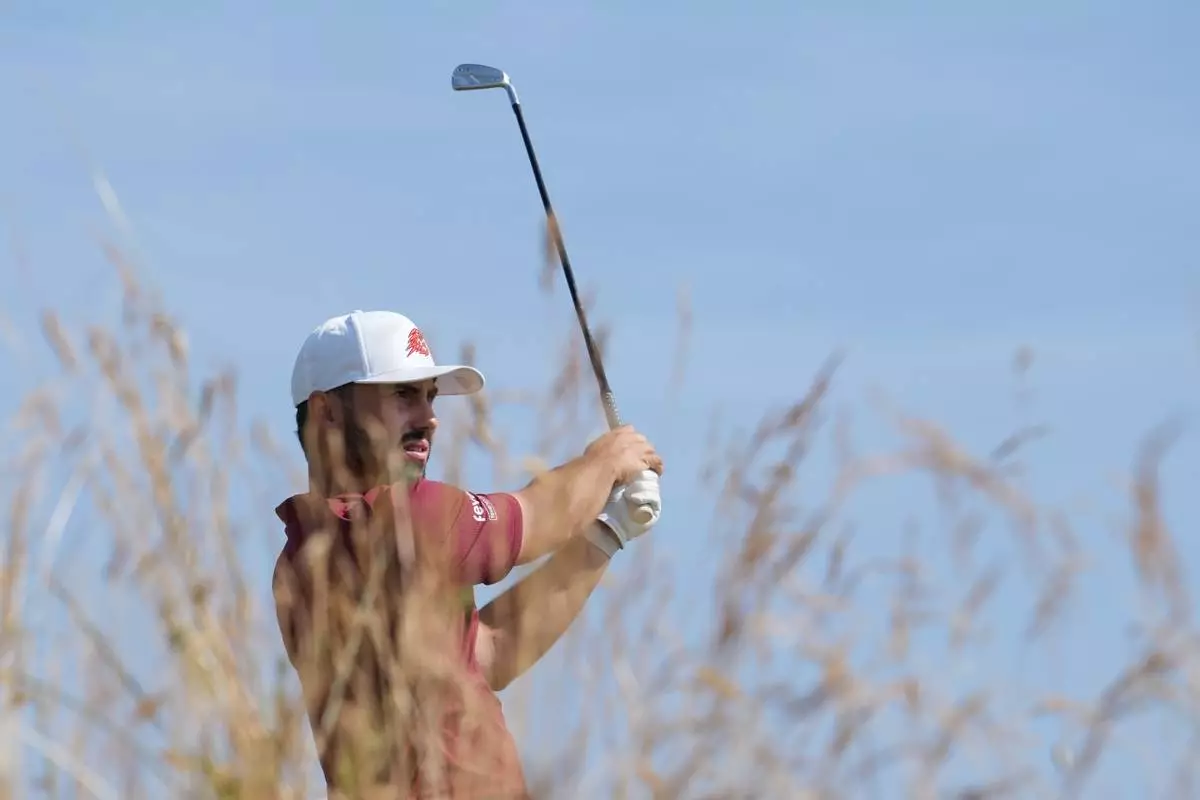
Jose Luis Ballester of Spain plays a short on the 11th tee during the second day of the British Open Golf championships at Royal Birkdale golf club, in Southport, England, Friday, July 17, 2026. (AP Photo/Jon Super)
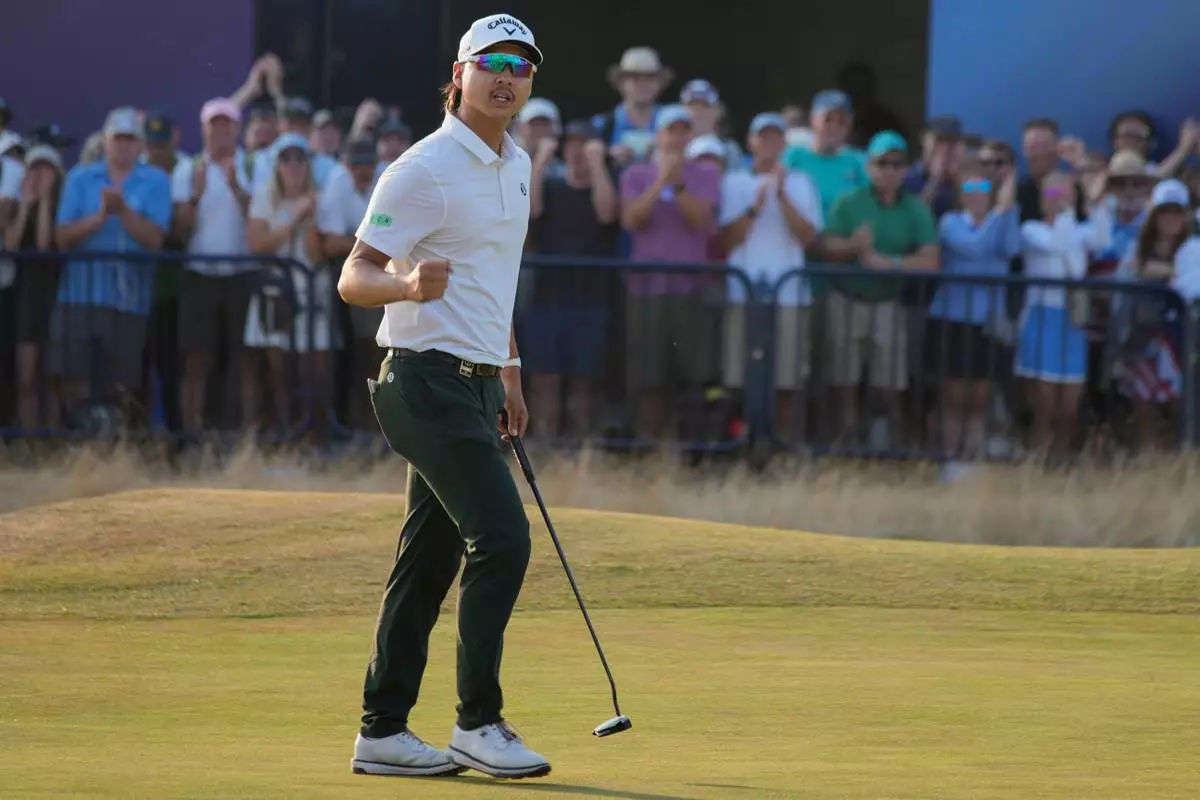
Min Woo Lee of Australia reacts after putting on the 18th green during the second day of the British Open Golf championships at Royal Birkdale golf club, in Southport, England, Friday, July 17, 2026. (AP Photo/David Goldman)
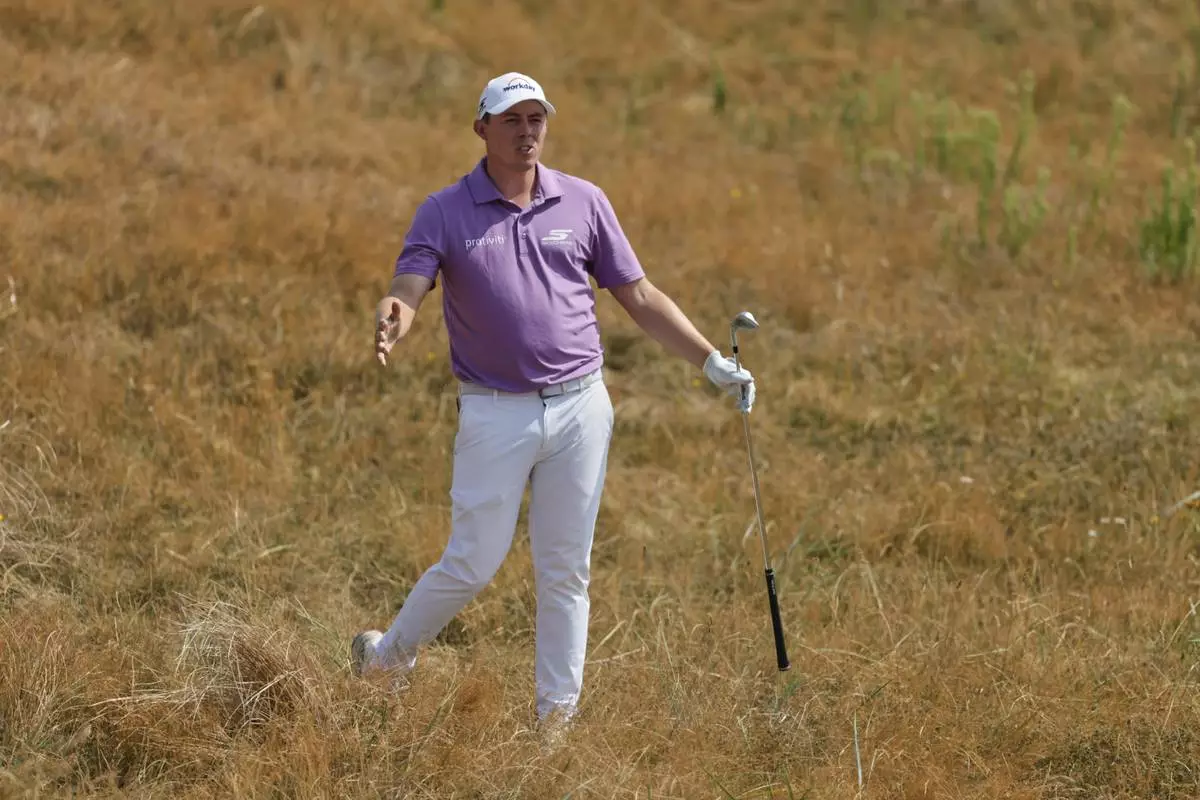
Matt Fitzpatrick of England reacts after playing from the rough on the 6th hole during the second day of the British Open Golf championships at Royal Birkdale golf club, in Southport, England, Friday, July 17, 2026. (AP Photo/Peter Morrison)
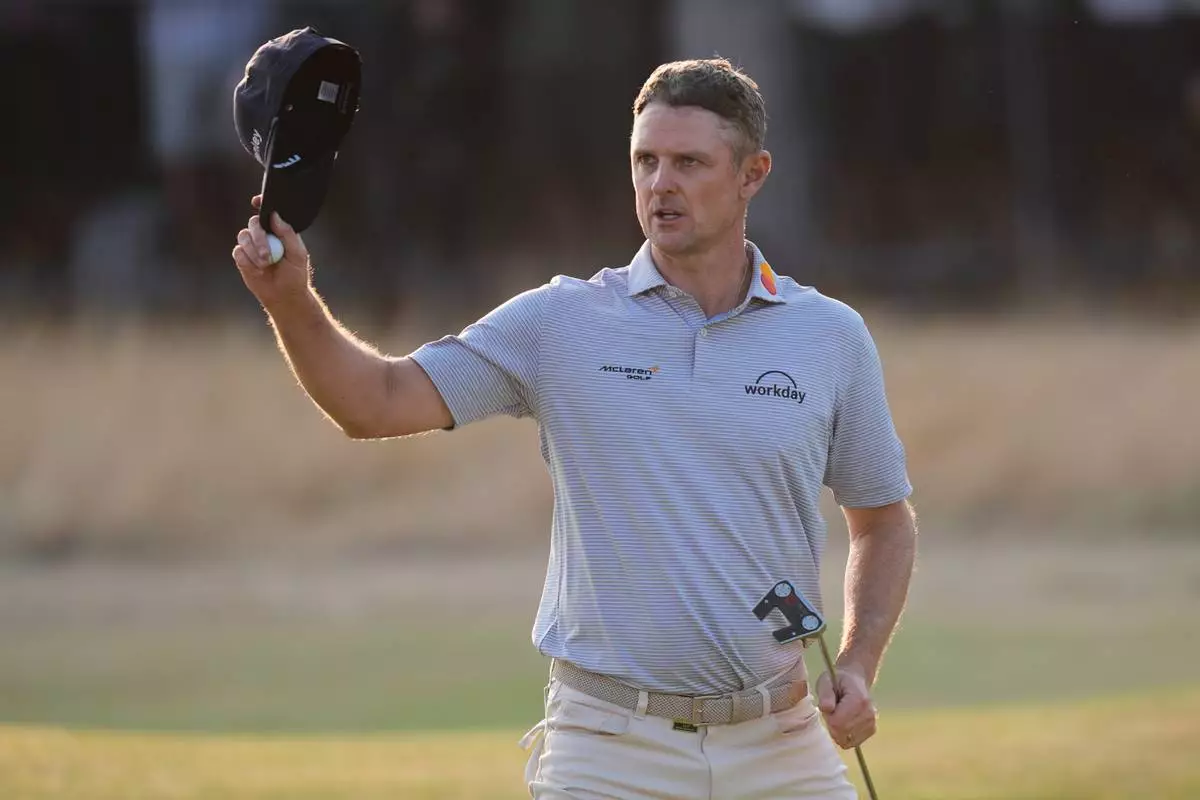
Justin Rose of England acknowledges the crowd after completing his second round on the 18th green during the second day of the British Open Golf championships at Royal Birkdale golf club, in Southport, England, Friday, July 17, 2026. (AP Photo/David Goldman)
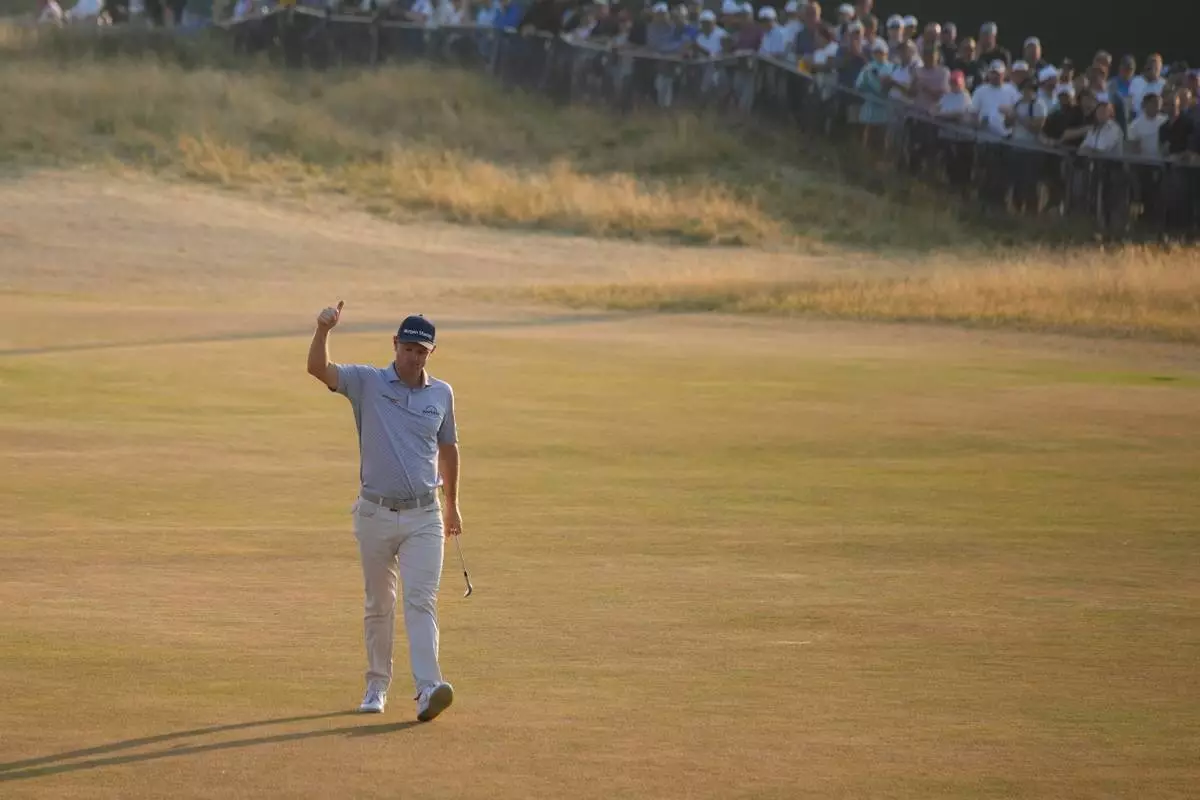
Justin Rose acknowledges the crowd as he walks onto the 18th green during the second day of the British Open Golf championships at Royal Birkdale golf club, in Southport, England, Friday, July 17, 2026. (AP Photo/David Goldman)