European Union (EU) negotiations on the 21st round of sanctions against Russia are currently deadlocked, with Greece demanding changes to an agreed ban on Russian liquefied natural gas (LNG), sources familiar with the discussions said on Friday.
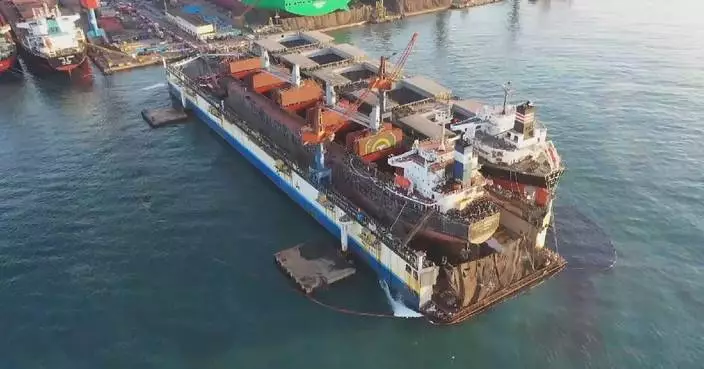
At the center of the deadlock is Greece's push for exemptions that would allow its shipping fleet to continue transporting Russian LNG to countries outside the EU, despite a bloc-wide prohibition set to take effect in 2027.
Under the rules approved by the EU last year, from January 1, 2027, all EU operators will be banned from directly or indirectly purchasing, importing, or transferring Russian-origin LNG. The ban also applies to EU companies providing shipping or transshipment services for Russian LNG destined for third countries.
Greece is now seeking to reopen the regulation and insert exemption clauses that would permit its domestic shipowners to keep carrying Russian LNG for non-EU buyers.
EU ambassadors are scheduled to meet on Wednesday to make a renewed push for the adoption of the new sanctions package.
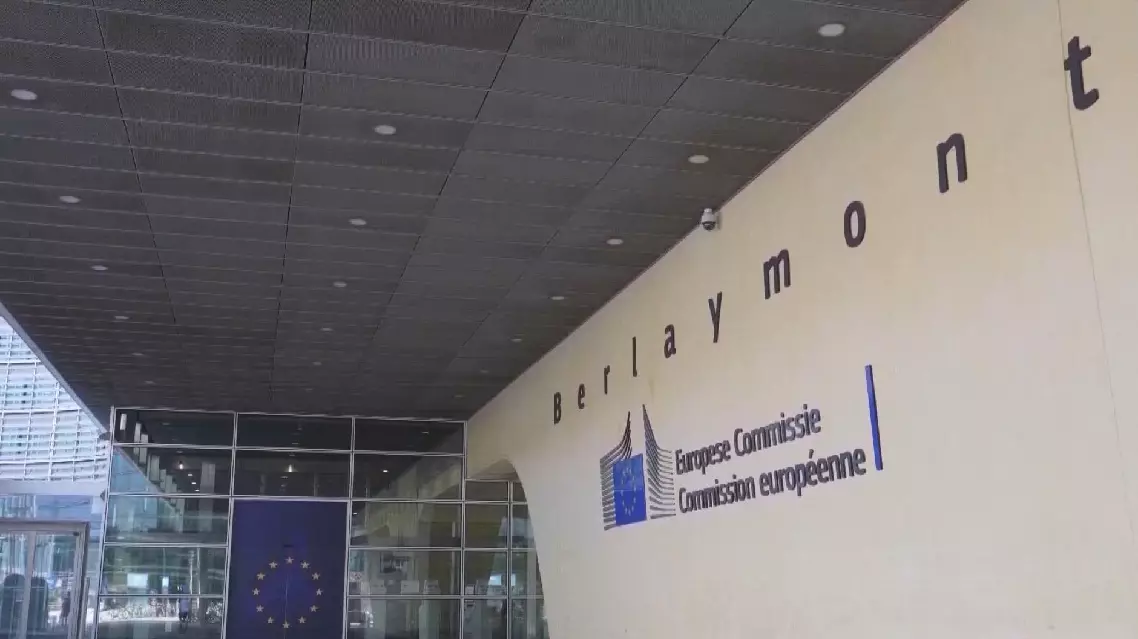
The development comes after European Commission President Ursula von der Leyen announced on June 9 that the EU's executive arm had proposed a 21st sanctions package against Russia, targeting key sectors including energy, financial services and crypto, trade and, for the first time, fisheries.
The proposal includes restrictions on ports, airports and refineries involved in trading or processing Russian oil. The sale of LNG tankers to Russia would also be restricted.
The proposal still requires approval by all 27 EU member states before it can enter into force.
EU talks on Russia sanctions hit deadlock over Greek shipping exemption demand