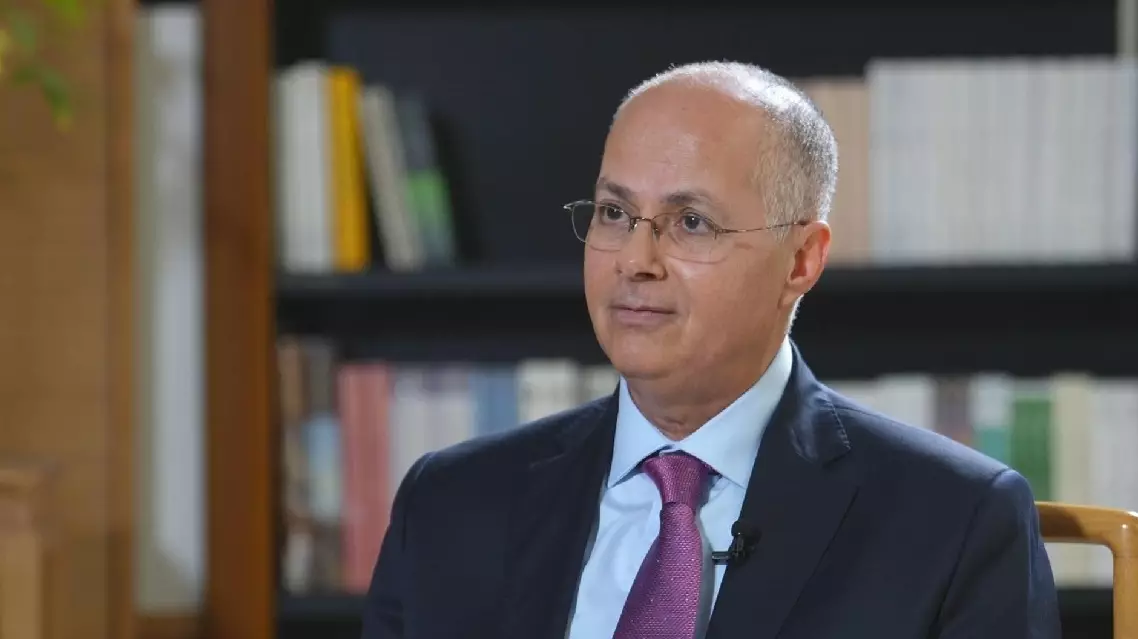
Artificial intelligence must be developed as a global public good that benefits developing nations rather than a tech monopoly, leading computer scientist Andrew Chi-Chih Yao said, calling for global collaboration to bridge the widening digital divide.
In an interview with China Media Group (CMG) on the sidelines of the 2026 World AI Conference that opened in Shanghai on Friday, Yao, a Turing Award recipient and dean of Tsinghua University's College of AI, said human-AI collaboration is becoming a new normal and is shaping ways of learning and research.
Yao emphasized that universities must provide advanced tools, platforms and resources for AI research and formulate flexible policies to foster interdisciplinary cooperation.
"The most imperative task for us is to have AI to empower students and researchers, helping them achieve breakthroughs in their respective fields. This is what I think is imperative, because the world is trying to make this happen in different areas and in different countries. So, there is a competition in this field," Yao said.
"However, I think we cannot be too impetuous in the AI plus education reform. We cannot rashly determine a direction to follow it through. I think the development of AI in this endeavor require the test of time," Yao continued.
The rapid advancement of AI has sparked global concerns that a handful of economies could monopolize the technology's benefits, leaving other countries further behind in economic and technological development.
To counter this, Yao said, the development of AI must fundamentally be in adherence to the principles of public good and social benefit. He called for international cooperation vital for developing nations to share equitably in the tech boom.
"Our goal is not to monopolize resources or simply leave others behind. Instead, we must open this door first by ourselves and position us as leaders. Only then will we have the capacity to assist others, help those in the Global South, and ensure they can integrate into this AI-empowered world," Yao said.
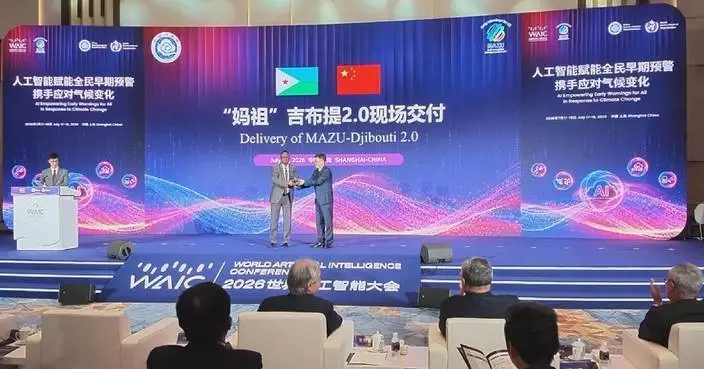
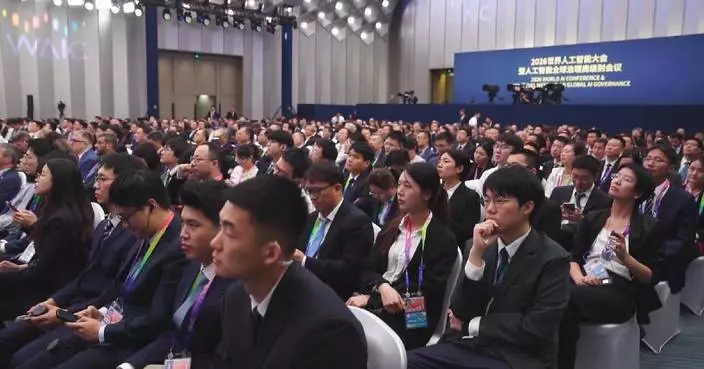
Scheduled to run until Monday and themed "AI Partnership for a Brighter Future," the 2026 World AI Conference includes more than 140 forums, bringing together 1,400 guests from home and abroad.
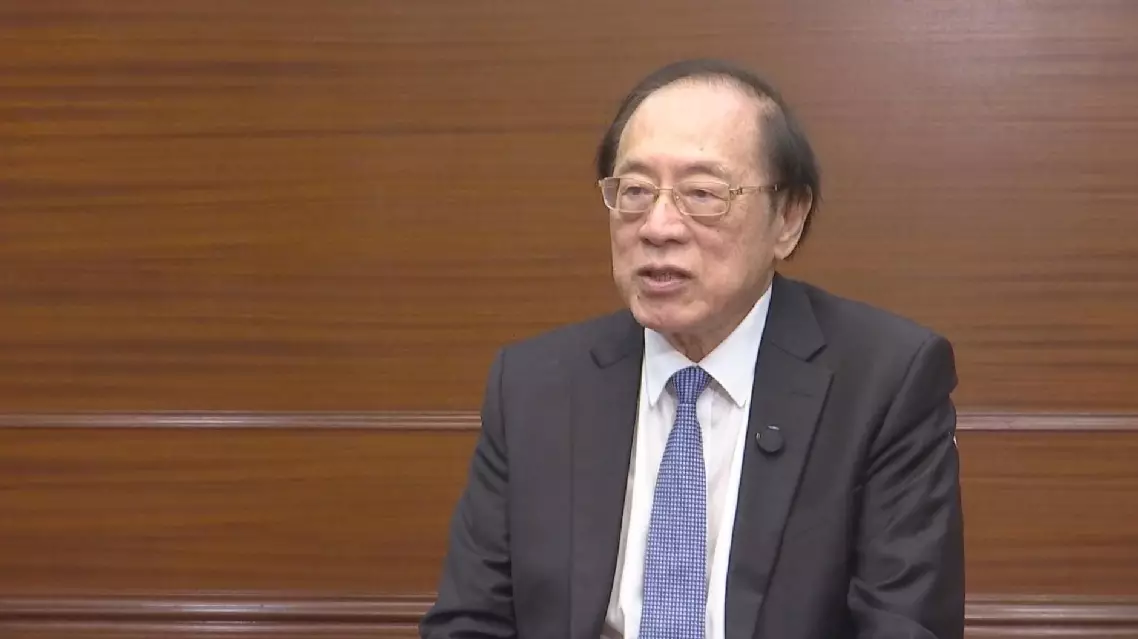
Turing laureate Yao says AI must serve public good, calls for global collabration