More than 10,000 China-Europe freight trains have passed through Alashankou and Horgos -- the two major railway ports in northwest China's Xinjiang Uygur Autonomous Region -- so far in 2026, setting a new record for the corresponding period of the past 15 years since the entry into operation of the cross-border China-Europe freight train service in 2011.
The milestone train marking the 10,000th train trip, loaded with machinery and electronic products, departing for Malaszewicze, Poland on Friday.
Port operations have seen a significant efficiency boost, driven by smart port modernization and streamlined customs protocols. Import cargo clearance has been slashed from two to three days to under 16 hours, while export processing has been reduced from six hours to just one hour.
The two Xinjiang ports now handle more than 50 China-Europe (Central Asia) freight train trips per day on average, a clear sign that the westward overland cross-border corridor is operating with far greater efficiency.
Alashankou, also known as Alataw Pass, now hosts 129 China-Europe freight train routes leading to 21 other countries, while the Horgos railway port operates 91 such routes leading to 18 other countries. Together, they handle more than 200 types of cargo -- from auto parts and machinery to electronics and daily consumer goods.
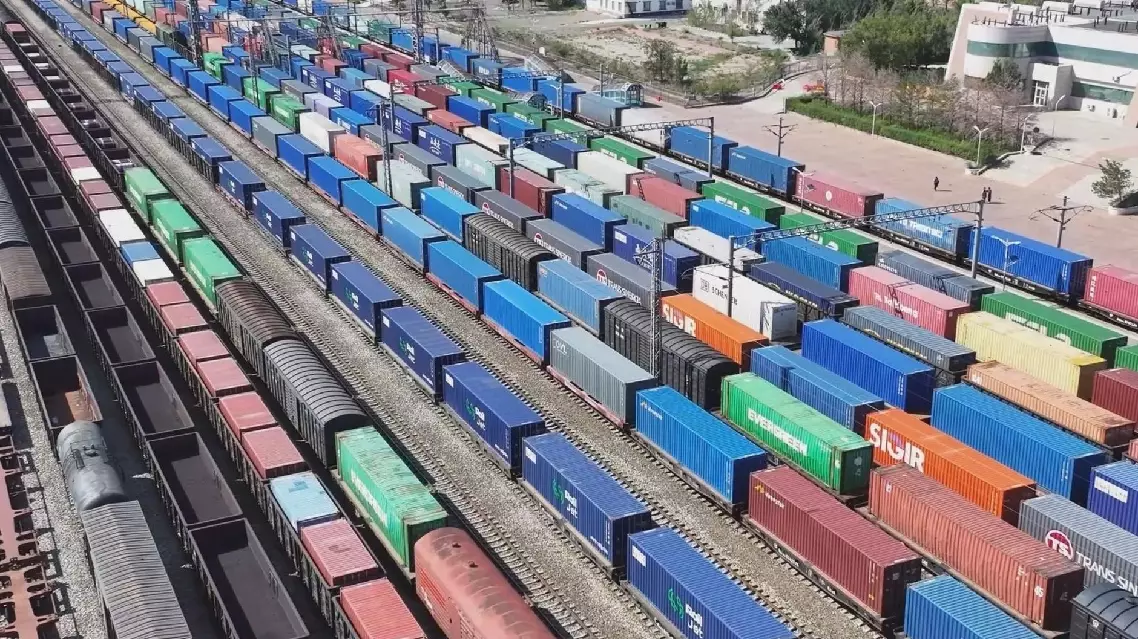
Railway ports in Xinjiang see surge in China-Europe freight train trips
China's emergency management authorities on Saturday called for stronger flood prevention and control as well as disaster response measures as heavy rainfall continues to affect multiple parts of the country.
The country's State Flood Control and Drought Relief Headquarters and the Ministry of Emergency Management held a joint consultation meeting with the China Meteorological Administration and other central government agencies in the day to assess recent rainfall and flood conditions.
The meeting pointed out the main rain belt has shifted south again, bringing heavy rainfall to southwest China, the middle and lower reaches of the Yangtze River and south China. Meanwhile, north China, south central parts of northeast China, the Huanghuai region (encompassing parts of Henan, Anhui, Jiangsu, and Shandong) and eastern Inner Mongolia are expected to see frequent showers and thunderstorms, keeping the flood control situation severe and complex.
At the meeting, authorities urged local governments to fully recognize the severity of potential disasters, remain on high alert, fully implement flood prevention and control measures and promptly evacuate residents if signs of danger emerge.
They also called for stepped-up efforts for flood prevention and control along rivers with water levels above warning thresholds, strengthened monitoring of mountain torrents, geological disasters, small and medium-sized rivers, reservoirs with safety risks, and urban waterlogging, and timely reductions in reservoir water levels after flood regulation in case of possible future flooding.
Authorities also urged local governments to accelerate post-disaster recovery, restore essential services including electricity and water supply, telecommunications and transport, strengthen epidemic prevention and control measures, and ensure that the basic needs of affected residents are met.
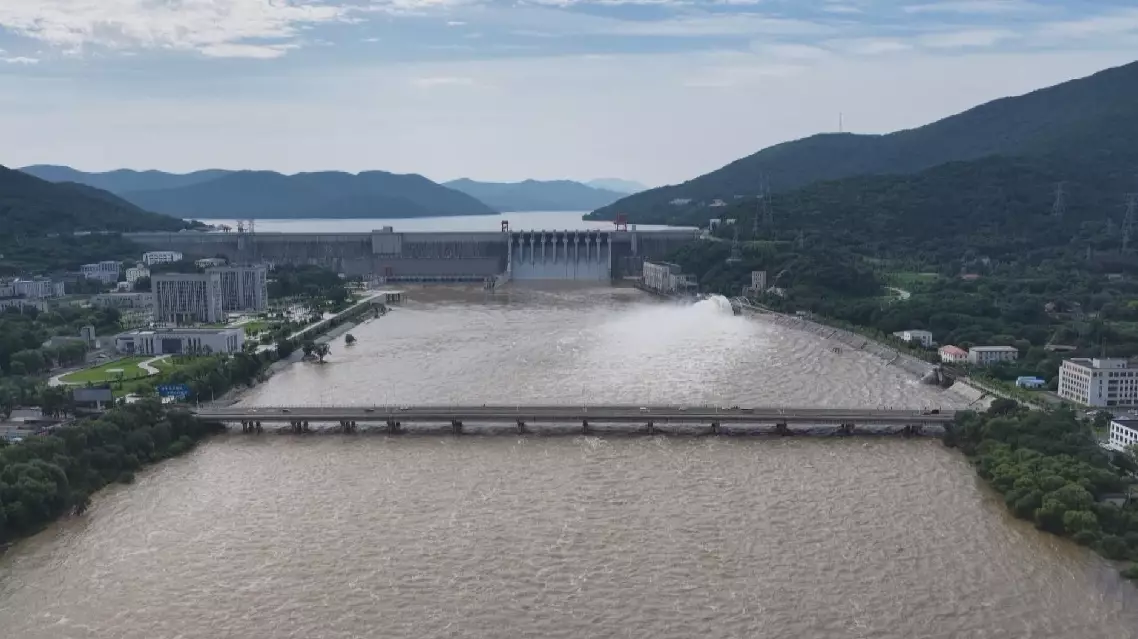
Authorities urge stronger flood preparedness amid complex rain outlook in China