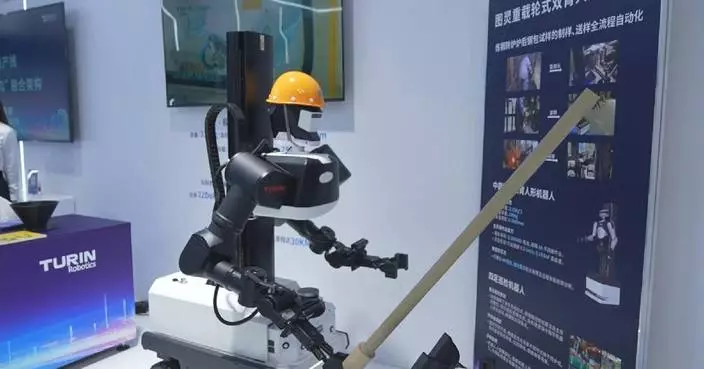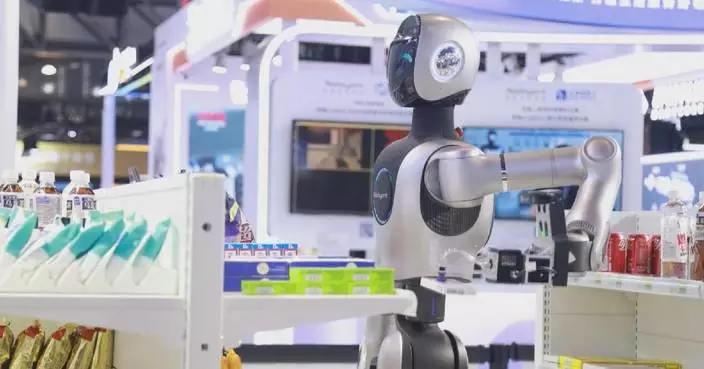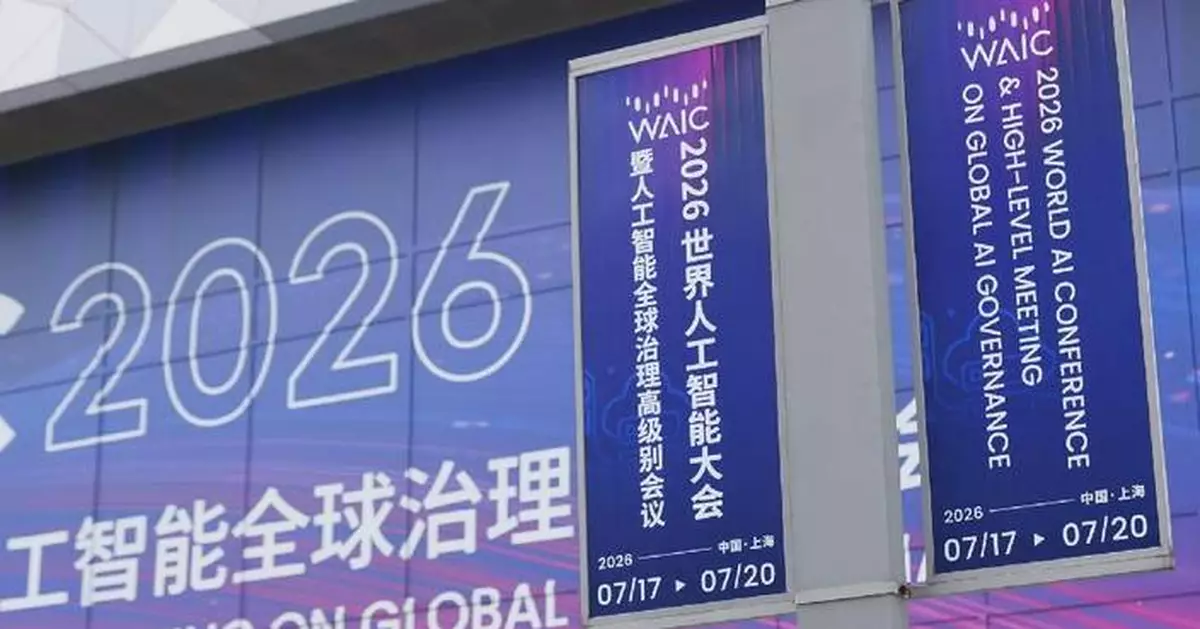
International attendees at the 2026 World AI Conference and High-Level Meeting on Global AI Governance in Shanghai shared a sense of hope for a more open future of AI, highlighting the urgent need for cohesive global governance to guide the technology's development.
Business leaders, academics, and officials from around the world said AI is entering a new era of rapid industrial adoption, making responsible governance, unified standards, and international cooperation more vital than ever.
Chinese President Xi Jinping addressed the opening ceremony on Friday, receiving a warm welcome from international delegates.
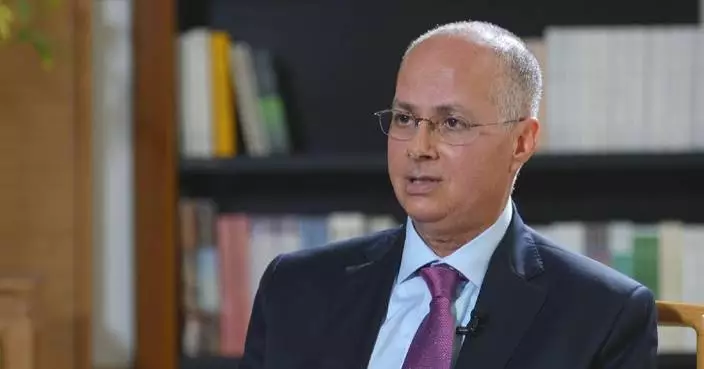
"It's important that we have a clear framework in place to support those countries that need it the most. They need principles. They need a way to help and support them, bring in that governance because we want to convert people from being afraid of this technology to embracing it for ourselves. That's where the UN can provide guardrails, can be that trusted part. I think that was one of the key messages that came out from President Xi when he talked about the important role of the United Nations in this initiative. That's what I see our critical job is to do, is to bring the confidence to those countries that this is something that they can trust, a process that they can trust," said Jason Slater, chief AI, Innovation and Digital officer at UNIDO.
"We know that we have in front of us many challenges, many new things, many new issues, and nobody alone can do the governance of such an important thing as AI. And also I think President Xi Jinping sent a signal that AI can be and should be a bridge. It should not be another area which creates a new division and that is very central in his speech," said Luigi Gambardella, president of ChinaEU.
Several experts highlighted the importance of international collaboration and the evolving impact of AI across different regions, emphasizing that both developed and developing nations must have a voice in shaping the rules and driving innovation.
"The idea of this conference bringing together people from around the world to talk about the development of AI, I think is brilliant and very valuable. I worry about conferences within countries where countries see themselves as adversaries with other countries around the development of technology. So again, I'm from Silicon Valley and we are very competitive in Silicon Valley, but we are also very interested in global outreach and connectivity. So in addition to being very competitive, we also like to be very collaborative. So that's our hope, is that we can maintain and develop a more open minded global AI environment," said Bill Reichert, general partner of Pegasus Tech Ventures.
"Everything that I've seen is on-mark. It's a pretty interesting because we all need a framework on how to not just think about regulation, but think about how to foster the development of AI in general, especially when thinking about Global South, especially how the AI moment is happening. So it's changing everything, it's changing the work, it's changing how we code, for instance, in the past two years, rather than thinking just in technology, rather than thinking how we create better models, we have to come together as one, especially in the global South," said Rodrigo Scotti, co-founder and president of the Brazilian Association of Artificial Intelligence.
The 2026 World AI Conference and High-Level Meeting on Global AI Governance runs from Friday to Monday, bringing together official representatives, business leaders, scholars and researchers from more than 100 countries and international organizations.
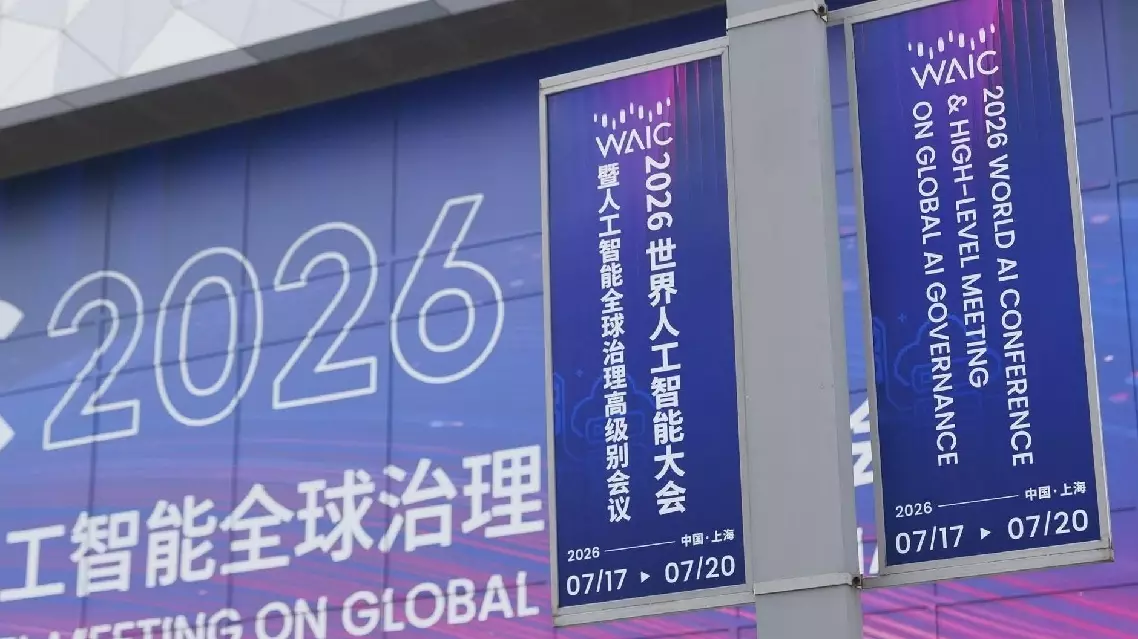
Int'l WAIC attendees underscore hope for trust-backed global AI governance