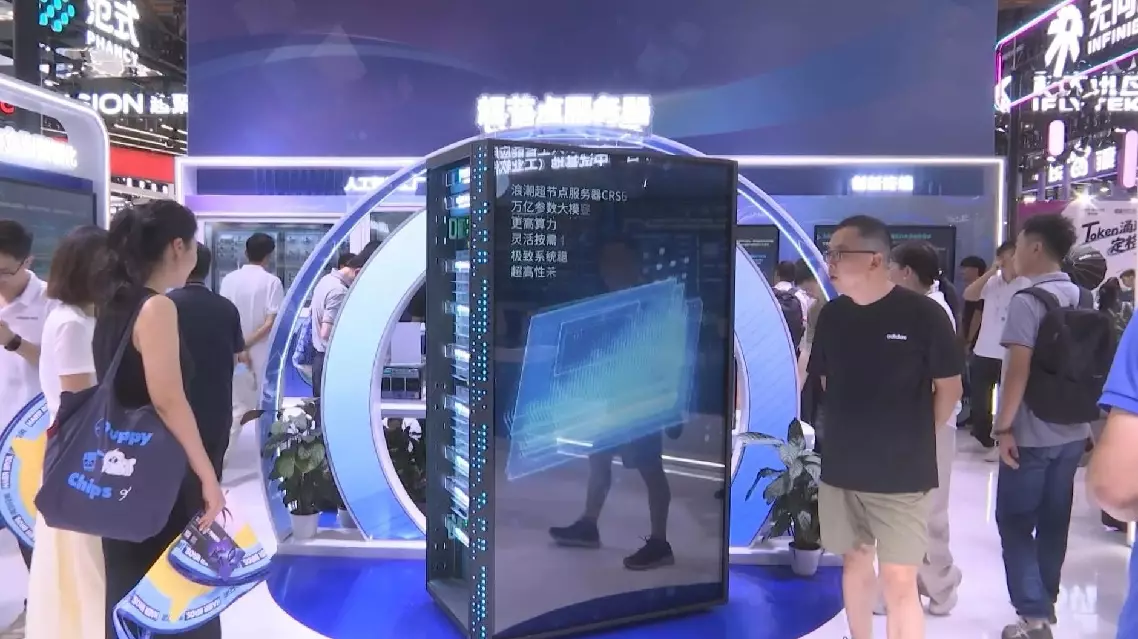
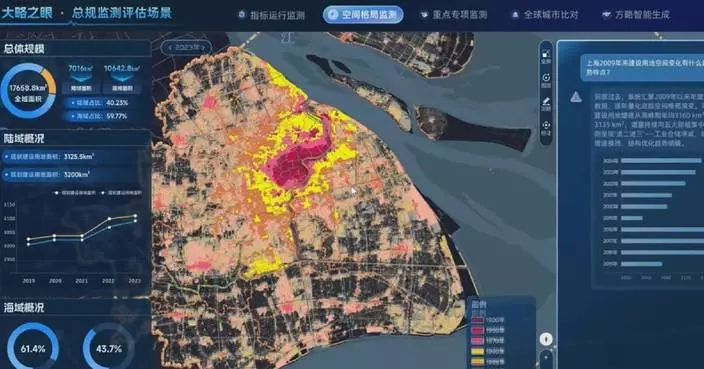
While a dazzling array of AI terminals captivated visitors at the 2026 World AI Conference (WAIC), industry attention has shifted decisively from mere technology showcases to their real-world applications in production and daily life. Data scale, evaluation standards, and network collaboration -- these behind-the-scenes tasks determine whether AI can truly move from the exhibition booth into factories and homes, according to industrial insiders.
An exhibitor at the event said that their company don't produce robots, but rather provide the data fuel for embodied intelligence. Through head and hand sensors worn by staff, every movement and detail of a person making coffee is collected and processed into data that robot can learn from. This human data, along with simulation data, is used for model training.
"We are building a school that provides [embodied intelligence] students with teaching materials, which are our data; it also provides exams -- our assessment capabilities. We are establishing a complete chain from data simulation and evaluation to deployment, forming a system for continuous learning and improvement," said Yang Haibo, co-founder of Lightwheel.
To raise the limited computing power of embodied intelligent robots, telecom operators are focusing on leveraging the advantages of network connectivity and cloud computing to develop cloud-based brains and remote computing support technologies for embodied intelligence. "Many complex tasks require cloud computing power, so we rely on our computing network brain to achieve edge-device collaboration. Each robot is equipped with a three-in-one module that supports communication, navigation, and AI-SIM identity card, giving each robot its own unique identifier," said Yin Yaoyao, manager of technology research division of science and technology innovation department of China Mobile.
As experts pointed out, embodied intelligence technology is still in its early stages. Currently, many embodied intelligence application demonstration tasks are still in the demonstration phase, achieving a success rate of over 90 percent. However, to truly enter application scenarios, a success rate of 99 percent or 99.9 percent or even higher is required.
"The mass production of robots across the industry has reached a critical point. Robot data, including data collection through methods such as data acquisition and crowdsourced data collection, is expected to accumulate millions of hours of high-quality data for the entire industry this year. Based on this foundation, we believe that embodied intelligence models will experience a qualitative leap in the next two years," said Bai Chenjia, director of the embodied intelligence research center of the Institute of Artificial Intelligence of China Telecom.
The 2026 World AI Conference and High-Level Meeting on Global AI Governance runs from Friday to Monday, bringing together official representatives, business leaders, scholars and researchers from more than 100 countries and international organizations.
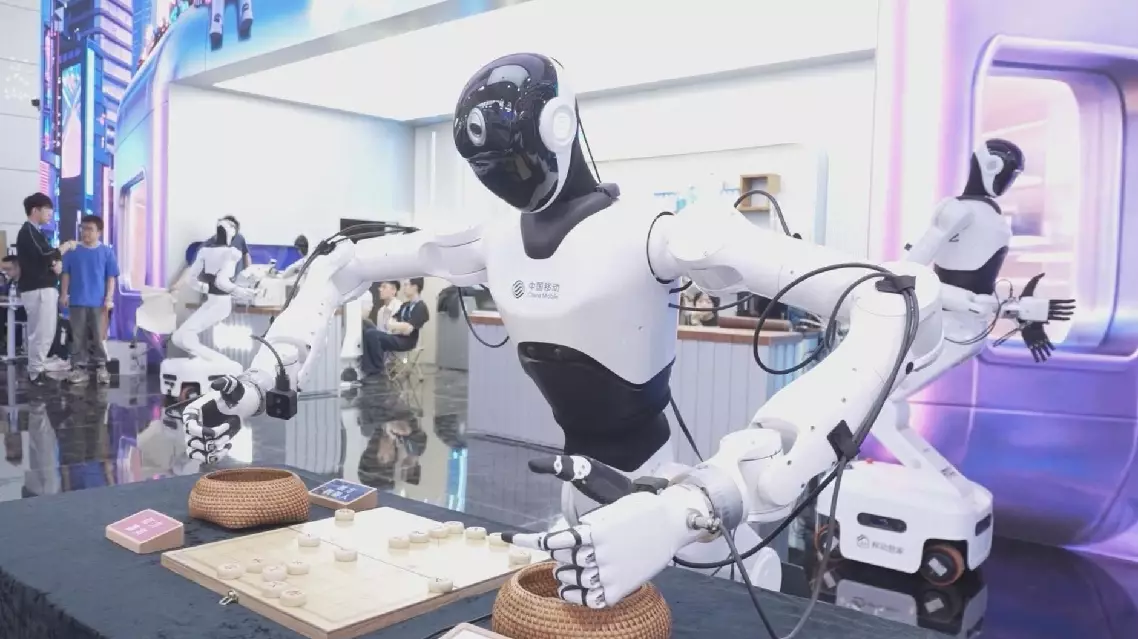
Practical application of embodied AI robots shine at 2026 World AI Conference