Skip to Content Facebook Feature Image

Rising measles cases strain Yemen's hospitals, leaving young patients, families in desperate struggle

HotTV

HotTV

HotTV

Rising measles cases strain Yemen's hospitals, leaving young patients, families in desperate struggle

2026-07-20 01:32 Last Updated At:12:01

With measles cases continuing to rise and hospitals stretched to the limit in war-ravaged Yemen, young patients and their families are facing an increasingly desperate ordeal.

In a ward at the Yemen-Sweden Children's Hospital in Taiz, 18-month-old Jarrah Ahd is fighting for his life after contracting measles. What initially appeared to be a routine fever worsened dramatically within days. Doctors are now trying to save him, while his family struggles to cover the mounting cost of his care.

"There is almost nothing available in the hospital. Whenever we ask for medicine, we're told there isn't any. We have to buy everything ourselves -- medicine, food, even the basic supplies for the person accompanying the patient. How long can anyone keep paying for treatment, accommodation and food? Honestly, this has gone far beyond what people can bear," said Jarrah's mother.

According to Yemen's health ministry, in the first half of 2026, 14,470 suspected measles cases and 87 related deaths were recorded in government-controlled areas.

The ministry attributed the worsening outbreak to years of conflict, which have driven down vaccination rates, left some areas difficult to access, and severely strained funding and resources.

"The Ministry of Public Health and Population had set a strategic goal to eliminate measles by 2015. But unfortunately, the war led to the strong return of this disease," said Abdullah Al-Qiyadi, deputy director of Taiz's Public Health and Population Office.

While authorities continue to roll out response plans, hospitals are struggling with growing numbers of patients and severely limited resources. Doctors said many children arrive in critical condition, making treatment more difficult and increasing the risk of complications.

"First, we need to raise public awareness. Second, we must expand vaccination campaigns to ensure parents get their children immunized. And third, communities, organizations, and the state must step up to support these cases," said Dr. Sami Al-Sharabi, director of the Yemen-Sweden Children's Hospital.

Behind the rising case numbers are Yemeni families living in daily fear for their children's lives. Like Jarrah, young Jawad Al-Sabri is enduring a difficult treatment journey, while his mother waits anxiously for any sign of recovery.

"My heart is breaking. He wasn't like this before. Now he can't eat or drink anything. I hope the necessary support is provided to hospitals and doctors, so they can provide care for their patients," said the boy's mother.

Doctors emphasized that containing this measles outbreak requires more than treating the sickest children -- it also requires expanding vaccination coverage, strengthening medical and public health services, and ensuring timely access to care. Their goal, they said, is to protect every child in Yemen.
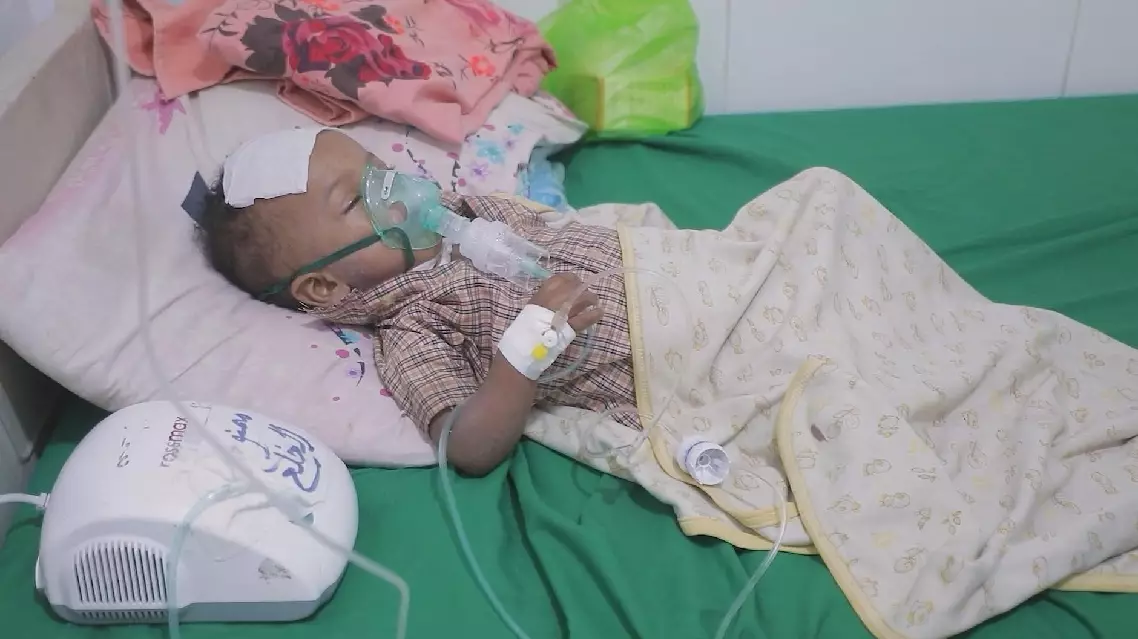
Rising measles cases strain Yemen's hospitals, leaving young patients, families in desperate struggle

Rising measles cases strain Yemen's hospitals, leaving young patients, families in desperate struggle

Iranian President Masoud Pezeshkian said on Monday that his country is engaged in a "full-scale war" with the United States, stressing the importance of maintaining economic stability during wartime.

"Today's war is not a war of merely missiles. The enemy has come to the conclusion that it cannot force the Iranian nation to surrender with military strikes," Pezeshkian said at a meeting of the High Council of the Judiciary in Tehran, according to a statement published on the website of his office.

He said that the "enemy" has waged a "hybrid war" against Iran, describing the economy and the people's livelihood as the most important areas of confrontation with the "enemy," and highlighting the necessity to maintain economic stability and protect social assets as two priorities of "the system of governance during wartime."

Pezeshkian added that his government "fully protected" Iran's national rights and interests in negotiations with the United States, including in the memorandum of understanding (MoU) signed on June 18.

Iran has received proposals from mediators, Foreign Ministry spokesman Esmaeil Baghaei said on Monday, amid continued tit-for-tat strikes between Iran and the United States.

Baghaei made the remarks at a weekly press conference in Tehran without giving details, when asked whether he could confirm reports about new proposals by Qatar for the revival of U.S.-Iran negotiations and a 10-day ceasefire.

Baghaei stressed that Iran's diplomatic apparatus remains active alongside its military responses to U.S. attacks, while condemning recent U.S. strikes against civilian infrastructure, including bridges and medical centers, as violating "people's rights to life, security and human dignity."

On the peace memorandum of understanding signed with Washington on June 18, he said the agreement's "text is completely clear," and Washington has no pretext to breach its promises under it.

He said Tehran adhered to a "commitment for commitment" principle until Washington repeatedly violated its commitments, prompting Tehran to cease its own obligations.

On the Strait of Hormuz, he affirmed Iran's resolve to exercise its sovereignty over the waterway and prevent any "misuse" against its interests.

The United States has launched multiple strikes on Iran's southern provinces over the past week, saying they were aimed at "degrading Iran's ability to threaten commercial shipping."

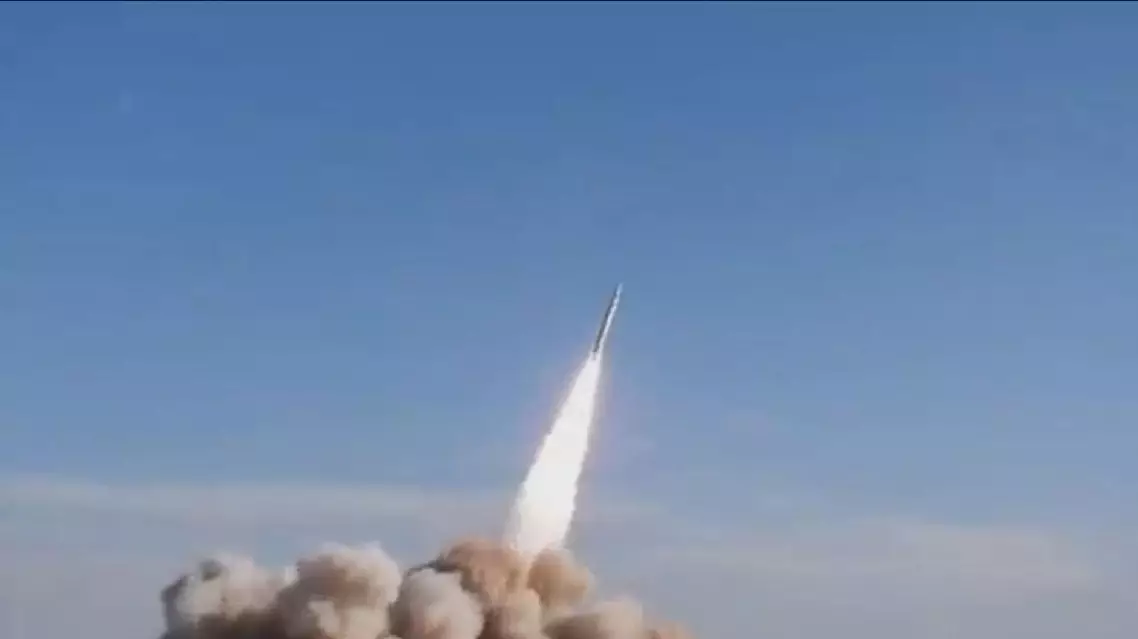
Iran has responded with waves of missile and drone attacks targeting U.S. military bases and facilities in regional countries, including Kuwait, Bahrain, and Jordan.

The escalation comes as the two sides, under their MoU, were scheduled to hold negotiations within a 60-day period to reach a final agreement.

Iranian president says his country in "full-scale war" with U.S.

Iranian president says his country in "full-scale war" with U.S.

Recommended Articles