With average temperatures below 20 degrees Celsius in July and August, the city of Xining in northwest China's Qinghai Province has seen a notable influx of international tourists since June to experience the unique plateau summer, with arrivals starting about a month earlier than in previous years.
Data shows that since the beginning of June this year, the number of foreign passengers arriving at Xining Railway Station has increased by 5 percent year on year, with large groups of tourists from European countries including France, Germany, and the United Kingdom coming to escape the heat.
"Compared with previous years' passenger flow patterns, this year's change is very obvious. In the past, the station would usually not see a peak in foreign tourist arrivals until mid-to-late July. But this year, starting in June, we have seen many foreign tourists arriving in groups or individually. There have also been more foreign passengers coming to inquire about ticketing, transfer routes, and plateau travel-related questions," said Li Jia, station attendant at Xining Railway Station.
In the city's Chengdong District, the century-old Xiananguan Street, known for its local specialty snacks, has attracted not only domestic visitors but also many international tourists who have come specifically to stroll through the street and immerse themselves in the city's vibrant life.
"It tastes very nice. It is cold. It's like the nice weather here. In summer, it's not very hot. That's very nice and agreeable," said a tourist from Switzerland.
"The weather in Xining is very good. It's a relief after we have the heat of other places," said a tourist from Poland.
In addition to exploring the food scene, foreign tourists have also been visiting trendy night markets, as well as hiking in the mountains and camping on the city's outskirts, taking advantage of the comfortable climate for outdoor sports and leisure activities.
"Since the start of this summer season, we have received more than 70 inbound tour groups, an increase of about 10 percent year on year. Many foreign tourists are drawn to Qinghai's cool climate, its good ecological environment, and its diverse culture," said Zhong Qi, a professional in Qinghai tourism and culture industry.

Foreign tourists flock to Xining for cool summer getaway
Iranian President Masoud Pezeshkian said on Monday that his country is engaged in a "full-scale war" with the United States, stressing the importance of maintaining economic stability during wartime.
"Today's war is not a war of merely missiles. The enemy has come to the conclusion that it cannot force the Iranian nation to surrender with military strikes," Pezeshkian said at a meeting of the High Council of the Judiciary in Tehran, according to a statement published on the website of his office.
He said that the "enemy" has waged a "hybrid war" against Iran, describing the economy and the people's livelihood as the most important areas of confrontation with the "enemy," and highlighting the necessity to maintain economic stability and protect social assets as two priorities of "the system of governance during wartime."
Pezeshkian added that his government "fully protected" Iran's national rights and interests in negotiations with the United States, including in the memorandum of understanding (MoU) signed on June 18.
Iran has received proposals from mediators, Foreign Ministry spokesman Esmaeil Baghaei said on Monday, amid continued tit-for-tat strikes between Iran and the United States.
Baghaei made the remarks at a weekly press conference in Tehran without giving details, when asked whether he could confirm reports about new proposals by Qatar for the revival of U.S.-Iran negotiations and a 10-day ceasefire.
Baghaei stressed that Iran's diplomatic apparatus remains active alongside its military responses to U.S. attacks, while condemning recent U.S. strikes against civilian infrastructure, including bridges and medical centers, as violating "people's rights to life, security and human dignity."
On the peace memorandum of understanding signed with Washington on June 18, he said the agreement's "text is completely clear," and Washington has no pretext to breach its promises under it.
He said Tehran adhered to a "commitment for commitment" principle until Washington repeatedly violated its commitments, prompting Tehran to cease its own obligations.
On the Strait of Hormuz, he affirmed Iran's resolve to exercise its sovereignty over the waterway and prevent any "misuse" against its interests.
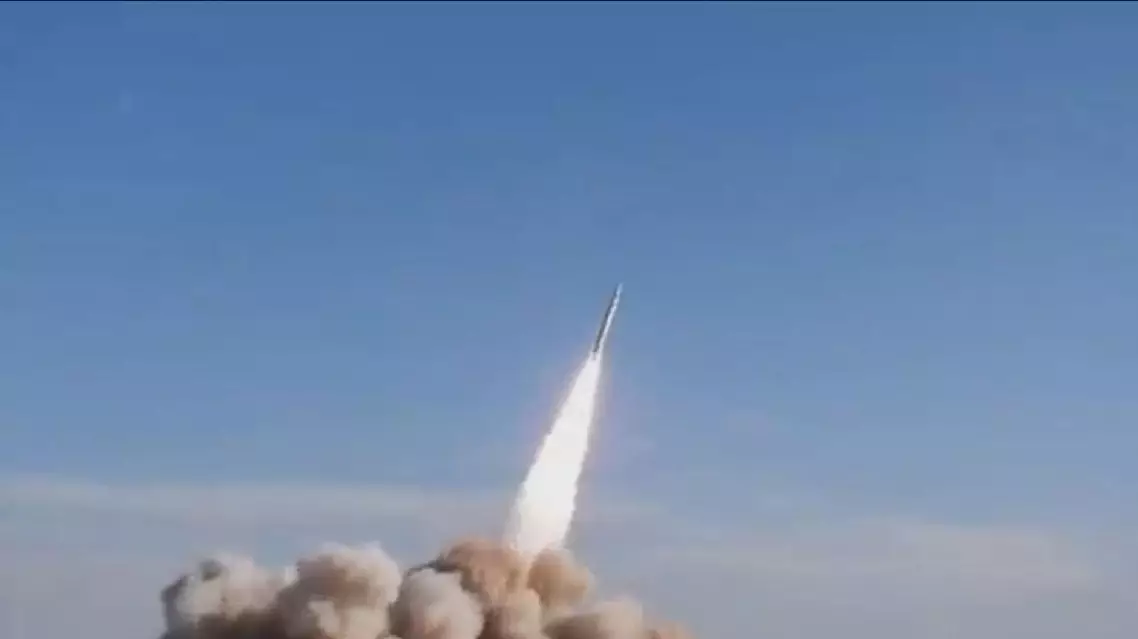
The United States has launched multiple strikes on Iran's southern provinces over the past week, saying they were aimed at "degrading Iran's ability to threaten commercial shipping."
Iran has responded with waves of missile and drone attacks targeting U.S. military bases and facilities in regional countries, including Kuwait, Bahrain, and Jordan.
The escalation comes as the two sides, under their MoU, were scheduled to hold negotiations within a 60-day period to reach a final agreement.
Iranian president says his country in "full-scale war" with U.S.