Shanghai is accelerating its transformation into a premier global consumption hub by fostering a better business ecosystem and providing necessary policy support.
Along with Beijing, Guangzhou, Tianjin, and Chongqing, Shanghai is striving to build itself into a globally attractive consumption hub. The initiative aims to create a world-class consumption environment, expand domestic demand, and promote high-standard opening-up.
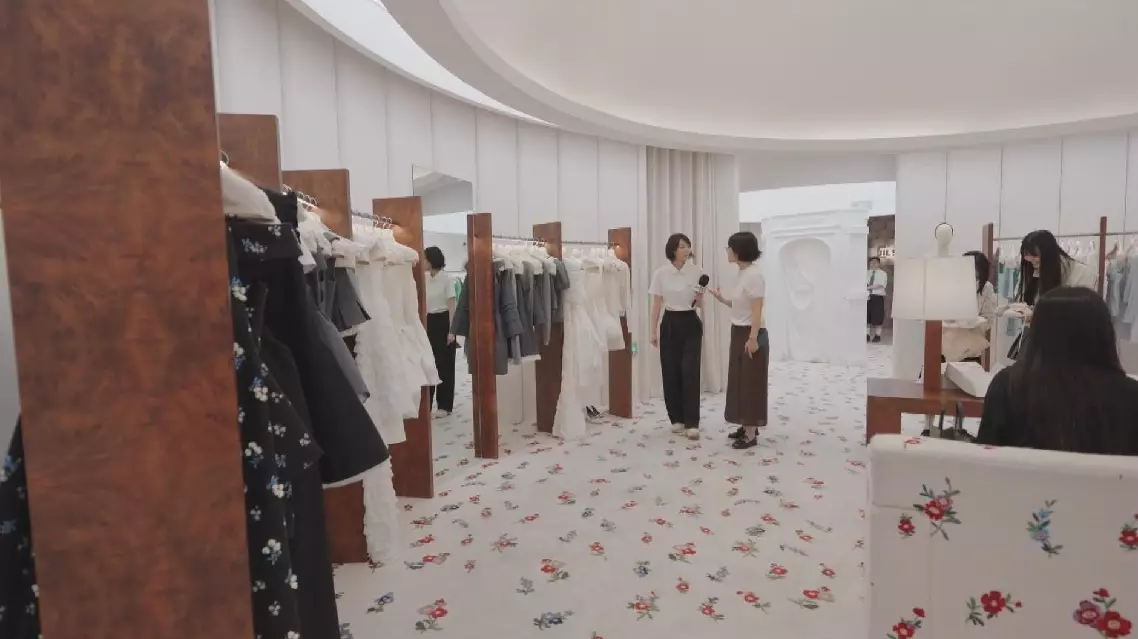
By actively promoting the debut economy, Shanghai is drawing numerous fashion designers with its premier innovation atmosphere and vast consumer base.
"As an international metropolis, Shanghai not only has top domestic designer brands, but also has a huge overseas customer base, which helps to improve the international reputation of our brand," said Fan Lina, owner of a leather designer brand.
To further nurture original designers, the city has established designer incubators that provide a complete ecosystem covering pattern making, cutting, sewing, and other essential processes, encouraging emerging talents to set up workshops and develop their own brands.
"We've only moved in for a week and the building was just renovated. There is a support program for us, so we don't need to pay rent for the first year. There is a common space upstairs, a photography studio, and prefabricated houses downstairs, which is very convenient," said Cai Jia'en, a fashion designer.
These incubators not only offer young designers workspace and business resources, but also regularly host fashion events and industry salons to cultivate domestic original brands.
"A crucial point for independent designers using this incubator is that it not only provides their own studio space, but also a surrounding ecosystem. This includes stylists, photographers, makeup artists, and so on. This is a vital ecosystem that helps their brands grow," said Peng Yaodong, head of a designer incubation platform.
Liu Min, deputy director of the Shanghai Municipal Commission of Commerce, said that the city aims to introduce original Chinese brands to the global stage as part of its vision to become an international consumption center.
"The growth of these brands requires the collaboration of multiple departments. This includes the strategic planning and implementation by industry departments, and the active role of the commerce department in enhancing market influence through relevant policies on the debut economy and brands building," said Liu.
Liu said that both policies and activities have played a vital role in positioning Shanghai as a global fashion powerhouse. During this year's summer international consumption season, the city plans to expand the tax-refund-upon-departure policy to 3,000 stores, while also making relevant services available to customers on online shopping platforms.
Shanghai accelerating its transformation into premier global consumption hub