Sudan is enduring its most brutal summer heat as more than three years of conflict have shattered electricity and water networks, leaving civilians to battle daily against scorching temperatures, power cuts, and water scarcity.
Since fighting erupted between the Sudanese Armed Forces and the Rapid Support Forces in April 2023, multiple power plants, substations, and transmission lines have been severely damaged or destroyed, plunging most regions into chronic blackouts.
Even in the relatively stable eastern port city of Port Sudan, many neighborhoods endure outages exceeding five hours a day. With night-time temperatures offering little relief, residents often sleep outdoors to escape the stifling indoor heat.
"The power supply here has never been reliable. Sometimes it goes out for over eight hours. On better days, it's still four or five hours. But the cuts come without warning. There's no way to prepare," said a local resident.
The intermittent electricity is not only a daily nuisance but also a heavy blow to businesses that depend on steady power for production.
"The outages have hit our operations hard. Almost everything we do needs electricity. When it cuts, we have to shut down. But we still have to pay wages, workshop rent, and other overheads," said a local shop owner.
To keep basic operations running, many factories and shops have resorted to purchasing private generators, a costly stopgap that further strains their finances.
"The price of generators has become extremely high, prompting many to consider switching to solar power. However, solar systems are also expensive, affordable only for a small number of institutions, businesses, and well-off households. The vast majority of Sudanese families are very poor and cannot afford them," said a local resident.
With power cuts come water cuts, forcing families to fetch water from nearby rivers by horse-drawn carts or buy it from vendors.
"Our water supply runs on electricity. When the power goes out, the water supply is also interrupted. The shortage is now critical. For many families, just buying water has become a huge financial strain," said a local resident.
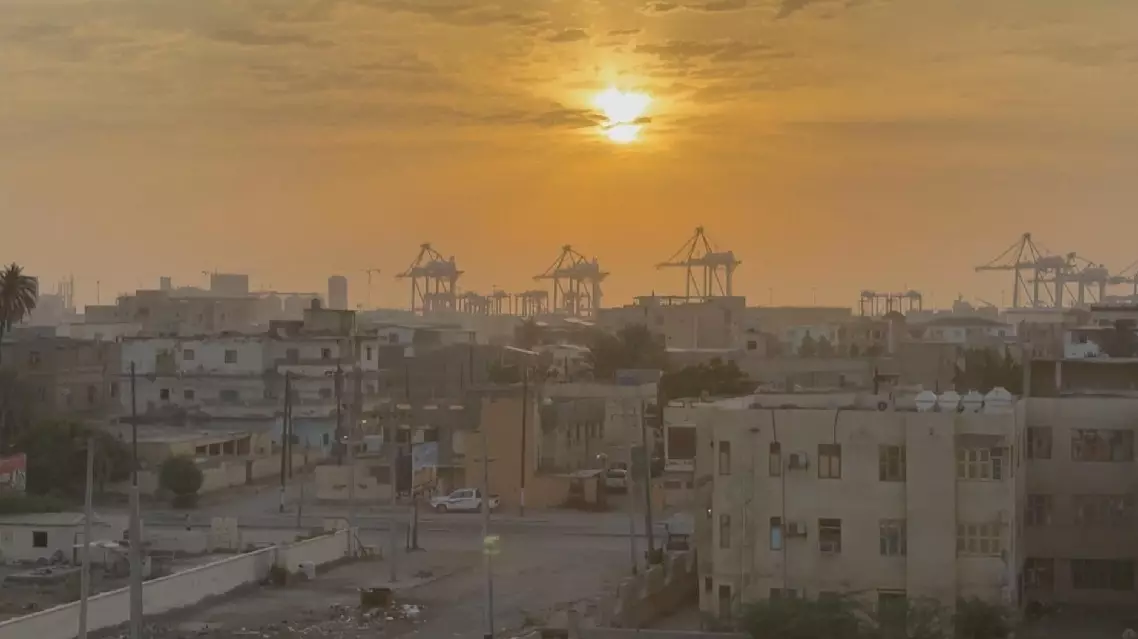
War-damaged utilities leave Sudanese facing deadly summer heat
Iranian President Masoud Pezeshkian said on Monday that his country is engaged in a "full-scale war" with the United States, stressing the importance of maintaining economic stability during wartime.
"Today's war is not a war of merely missiles. The enemy has come to the conclusion that it cannot force the Iranian nation to surrender with military strikes," Pezeshkian said at a meeting of the High Council of the Judiciary in Tehran, according to a statement published on the website of his office.
He said that the "enemy" has waged a "hybrid war" against Iran, describing the economy and the people's livelihood as the most important areas of confrontation with the "enemy," and highlighting the necessity to maintain economic stability and protect social assets as two priorities of "the system of governance during wartime."
Pezeshkian added that his government "fully protected" Iran's national rights and interests in negotiations with the United States, including in the memorandum of understanding (MoU) signed on June 18.
Iran has received proposals from mediators, Foreign Ministry spokesman Esmaeil Baghaei said on Monday, amid continued tit-for-tat strikes between Iran and the United States.
Baghaei made the remarks at a weekly press conference in Tehran without giving details, when asked whether he could confirm reports about new proposals by Qatar for the revival of U.S.-Iran negotiations and a 10-day ceasefire.
Baghaei stressed that Iran's diplomatic apparatus remains active alongside its military responses to U.S. attacks, while condemning recent U.S. strikes against civilian infrastructure, including bridges and medical centers, as violating "people's rights to life, security and human dignity."
On the peace memorandum of understanding signed with Washington on June 18, he said the agreement's "text is completely clear," and Washington has no pretext to breach its promises under it.
He said Tehran adhered to a "commitment for commitment" principle until Washington repeatedly violated its commitments, prompting Tehran to cease its own obligations.
On the Strait of Hormuz, he affirmed Iran's resolve to exercise its sovereignty over the waterway and prevent any "misuse" against its interests.
The United States has launched multiple strikes on Iran's southern provinces over the past week, saying they were aimed at "degrading Iran's ability to threaten commercial shipping."
Iran has responded with waves of missile and drone attacks targeting U.S. military bases and facilities in regional countries, including Kuwait, Bahrain, and Jordan.
The escalation comes as the two sides, under their MoU, were scheduled to hold negotiations within a 60-day period to reach a final agreement.
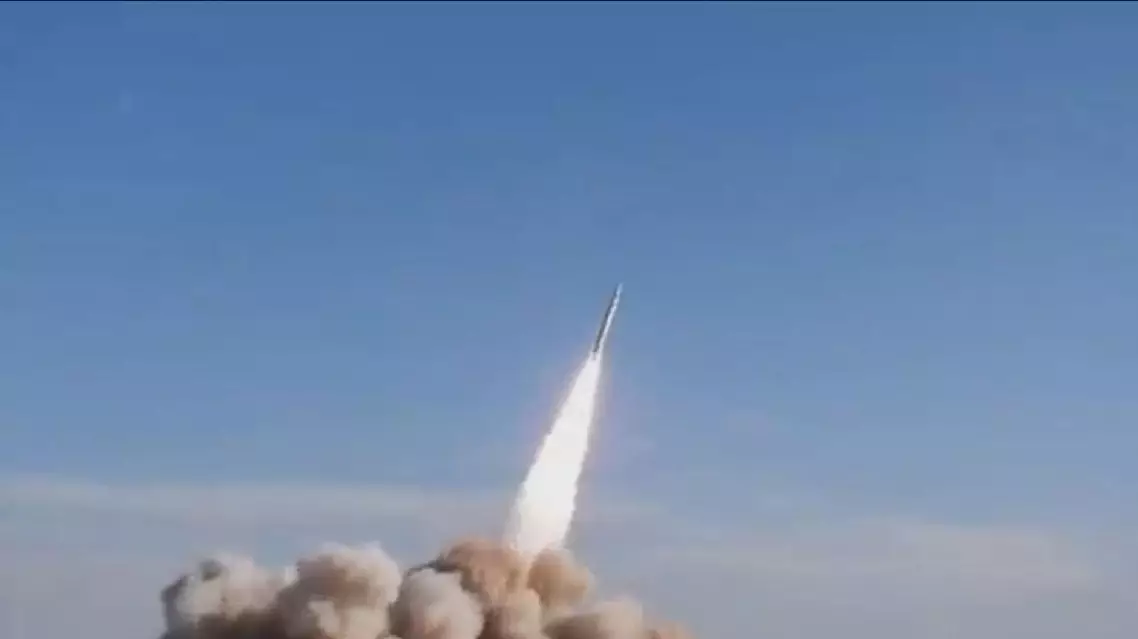
Iranian president says his country in "full-scale war" with U.S.