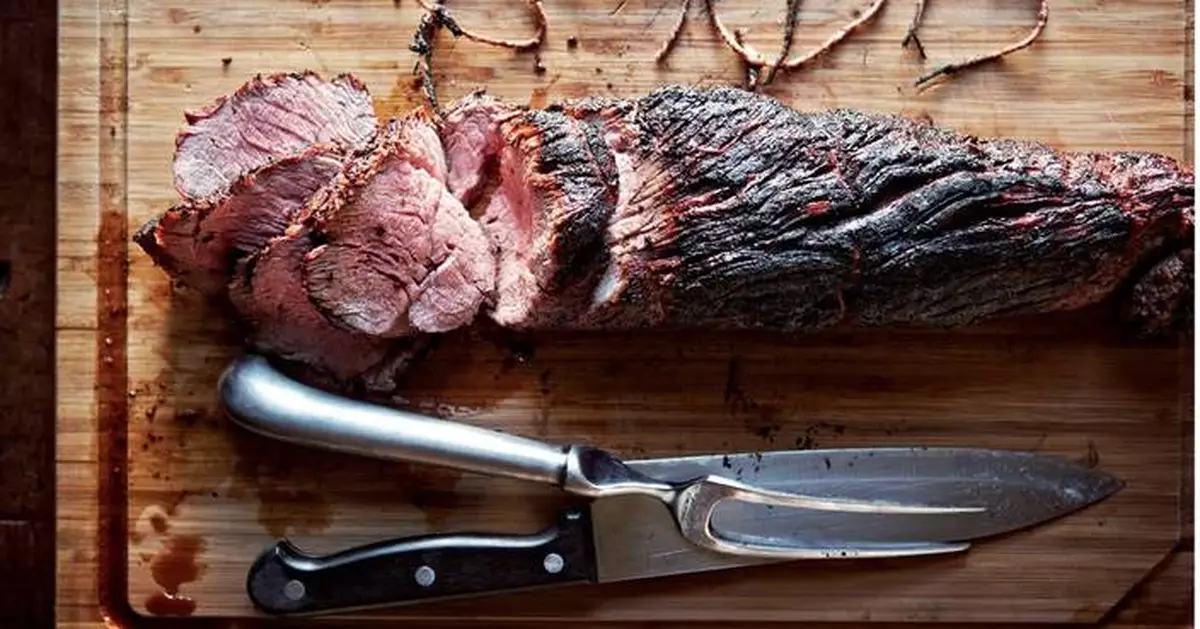
We love the lively heat and distinctive smokiness from cooking over a bed of glowing red and white-hot coals any time of the year, which is why we have a whole chapter on grilling in our cookbook “Canal House: Cook Something.”
We are partial to charcoal grilling in a kettle grill, but if we are short on time or feeling a little lazy, we’ll fire up the gas barbie (less fun, less flavor, but more controllable). Either way we follow a few basic tenets when we get our grill on.
Stick by the grill and pay close attention. Flare-ups happen fast, and the black carbon coating from grilling directly over fire tastes acrid. Tame unwanted flames not with a water spray bottle, but by moving the food to a cooler spot on the grill, or by taking it off the grill until the coals quiet down. Resist fussing with food on the grill until grill marks are well established; this helps reduce sticking. Grilling well requires making friends with fire and being a good companion.
When we’re grilling a hunk of meat, we usually keep the seasonings quite simple to begin, then slather on some flavorful compound butter at the end.
Serves 12
Compound Herb Butter:
½ pound (2 sticks) room-temperature salted butter
½ cup chopped fresh herbs (one or a combination of your favorite herbs)
1 small finely chopped shallot or trimmed scallion
1 minced garlic clove
Salt
Freshly ground black pepper
Grilled Tenderloin:
1 whole beef tenderloin, 6 to 7 pounds
1 to 2 tablespoons extra-virgin olive oil
2 to 3 tablespoons coarsely ground black pepper
Salt
Beat the butter in a medium bowl with a wooden spoon until smooth and creamy. Add the herbs, chopped shallot or scallion, and minced garlic. Season with salt and freshly ground black pepper, and stir until well combined. You should have about 1 cup of herb butter.
Pat the tenderloin dry with paper towels. Using a sharp knife, trim off any fat. Slide the blade under the long silvery membrane, trimming it off. Fold under about 6 inches of the thin end of the meat, which should make it about as thick as the rest of the filet so it will cook evenly. Tie the tenderloin into a neat package with kitchen string, then rub it all over with oil. Rub with pepper, pressing it into the meat, and season with salt.
Prepare a medium-hot charcoal or gas grill. Grill the filet over the hottest part of the grill, turning it once a brown and charry crust develops. Brown all over, then move it to a cooler spot on the grill to finish cooking until the internal temperature reaches 120°F for rare and 130°F for medium-rare. Grilling time will vary depending on your grill and the heat. Start checking the internal temperature after 20 minutes.
Let the tenderloin rest on a cutting board for 15 minutes. Snip off the string, slice the meat and serve warm with a smear of Compound Herb Butter. Or let it cool, wrap and refrigerate for up to 3 days before serving it cold and sliced.
Melissa Hamilton is a food stylist and cofounder of Canal House. She previously worked at Saveur as the test kitchen director and food editor, and worked in the kitchens of Martha Stewart Living and Cook’s Illustrated. She was the cofounder and first executive chef of Hamilton’s Grill Room in Lambertville, New Jersey.
Christopher Hirsheimer is an award-winning photographer and cofounder of Canal House. Her experience includes establishing a publishing venture, running a culinary and design studio, and publishing an annual series of three seasonal cookbooks titled Canal House Cooking.
Excerpted from “Canal House: Cook Something” by Christopher Hirsheimer & Melissa Hamilton. Used with permission of Voracious, an imprint of Little, Brown and Company. New York, NY. All rights reserved.
https://www.hachettebookgroup.com/titles/melissa-hamilton/canal-house-cook-something/9780316268257/plens=voracious

This image released by Voracious shows the cookbook "Canal House: Cook Something: Recipes to Rely On" by Christopher Hirscheimer & Melissa Hamilton. (Voracious via AP)
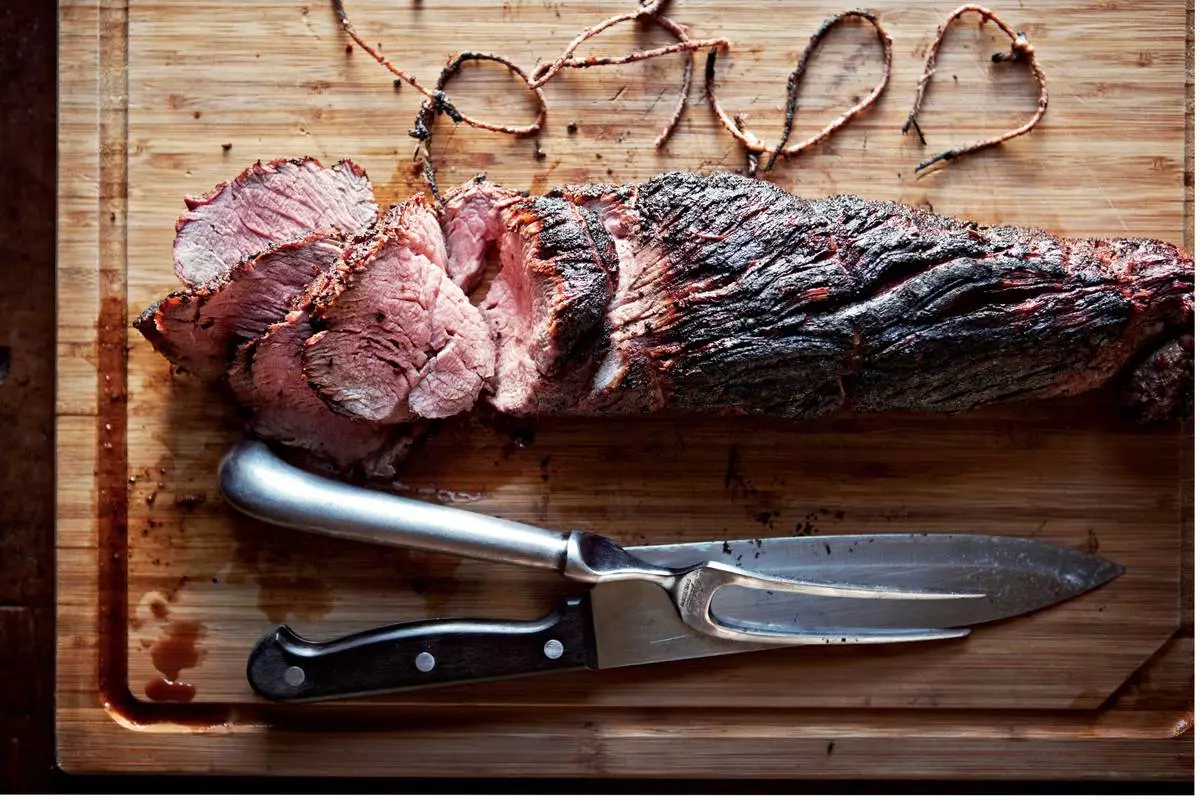
This image released by Voracious shows a recipe for beef tenderloin from "Canal House: Cook Something: Recipes to Rely On" by Christopher Hirscheimer & Melissa Hamilton. (Voracious via AP)