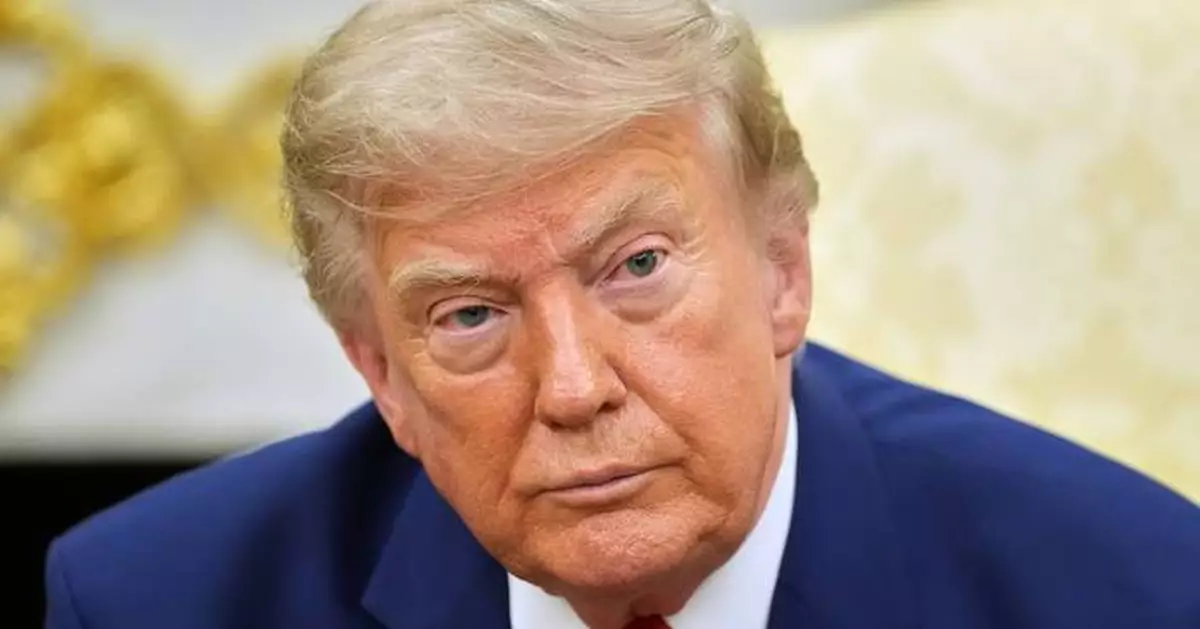
WASHINGTON (AP) — President Donald Trump is attending the dignified transfer Wednesday of four U.S. service members killed in the Middle East.
Trump will be at Dover Air Force Base in Delaware when the remains of the troops killed in action are returned to their families, the White House said. The ritual is one of the most somber duties of a commander-in-chief. It will be the third that Trump has attended since he launched the war in Iran in February.
Click to Gallery
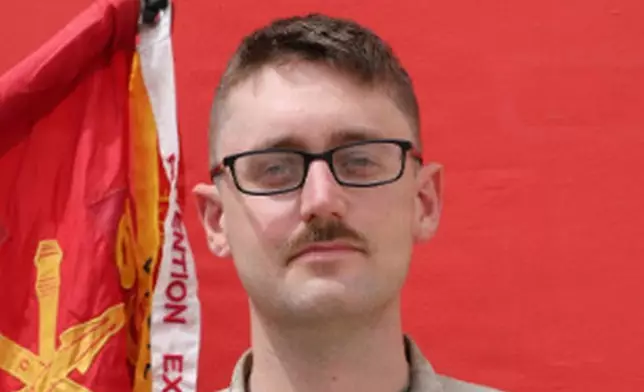
This undated photo provided by the U.S. Army Space and Missile Defense Command shows 1st Lt. Tyler James Feehan. (U.S. Army Space and Missile Defense Command via AP)
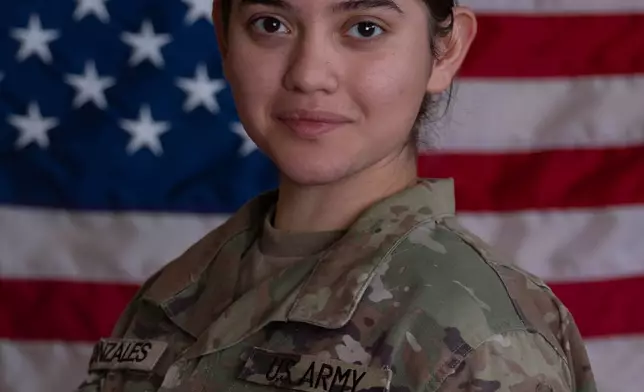
This undated image provided by the U.S. Army shows Pvt. Isabella Gonzales, 19, of Carrollton, Texas. (U.S. Army via AP)
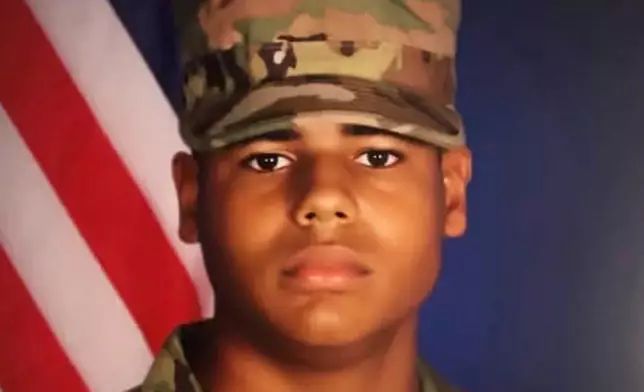
This undated photo provided by the U.S. Army Space and Missile Defense Command on Tuesday, July 21, 2026, shows Army Sgt. Michael Emmanuel Swinton. (U.S. Army Space and Missile Defense Command via AP)
Lebanese President Joseph Aoun listens as he meets with President Donald Trump in the Oval Office at the White House, Tuesday, July 21, 2026, in Washington. (AP Photo/Mark Schiefelbein)
Speaking to reporters on his way to Dover, Trump called it “one of the hardest things to do as a president.” His message to grieving families, he said, will simply be “we love you, we love your child.”
“There’s no games, there’s no nothing — that’s their child,” Trump said. “And all you can do is throw out your heart.”
Two U.S. Army soldiers killed in Iranian missile and drone attacks in Jordan will be returned during the dignified transfer, according to an administration official who was not authorized to discuss it publicly and spoke on condition of anonymity.
The remains of a third service member who is believed to be the soldier missing after the Jordan attacks will also be returned, the official said, as well as the remains of a soldier killed in Iraq during a detonation of an Iranian drone.
The soldiers killed in Jordan were identified by the Defense Department as Tyler James Feehan, 25, of Ewa Beach, Hawaii, and Isabella Gonzales, 19, of Carrollton, Texas. The soldier who disappeared after the Jordan attacks and is now believed to be deceased is Angel S. Rampersad, 28, of Ozone Park, New York, the Defense Department said.
The soldier killed in Iraq was identified as Michael Emmanuel Swinton, 30, who lived in Spring Lake, North Carolina.
“We feel very badly, but you know, those great people, those great patriots were out there fighting so that Iran cannot have a nuclear weapon,” Trump told reporters on Sunday. He added that the U.S. was striking Iran “in honor” of the fallen troops.
The U.S. has launched multiple retaliatory strikes against Iran as an interim agreement to end the war falls apart. Trump on Monday said that every time Iran kills an American soldier, “they will pay for that killing many times over!”
Since the war began on Feb. 28, 18 U.S. service members have been killed.
Trump on Tuesday said that while almost all the incoming fire in Jordan was stopped, some made it through.
“They did slip something through in Jordan,” he said. “If we had other operators, you know, it would have not happened, unfortunately.”
He went on: “We’ve stopped almost everything, but when you let other people do your job with the United States — we let other people do the job — and sometimes it doesn’t work out so well.”
Trump did not elaborate on his comments, and it was not immediately clear who he was saying was responsible for protecting U.S. forces in Jordan.
Trump attended two previous dignified transfers since the outset of the war, most recently in March.
During the ritual, transfer cases draped with the American flag and holding the remains of the fallen soldiers are carried from the military aircraft that transported them to an awaiting vehicle to take them to the mortuary facility at the base. There, the service members are prepared for their final resting place.
Feehan, a first lieutenant who was killed Saturday, will be posthumously promoted to the rank of captain and awarded the Bronze Star, Purple Heart and Combat Action Badge. He was assigned out of Fort Bragg, North Carolina, to the 32nd Army Air and Missile Defense Command.
Gonzales, who was killed Friday, was a private with the 10th Army Air and Missile Defense Command in Ansbach, Germany. She graduated last year from Hebron High School in Carrollton, near Dallas, school officials said.
Rampersad, a sergeant who was believed to have been killed in Friday's attacks, was assigned to the 57th Air Defense Artillery Regiment, 52nd Air Defense Artillery Brigade, 10th Army Air and Missile Defense Command in Ansbach, Germany.
Swinton, a sergeant who was killed Sunday, will receive a Bronze Star, Purple Heart and Combat Action Badge, and will be promoted to staff sergeant. He enlisted in the Army in 2017 and was assigned to the 55th Air Defense Artillery Regiment, 108th Air Defense Artillery Brigade, out of Fort Bragg, North Carolina.
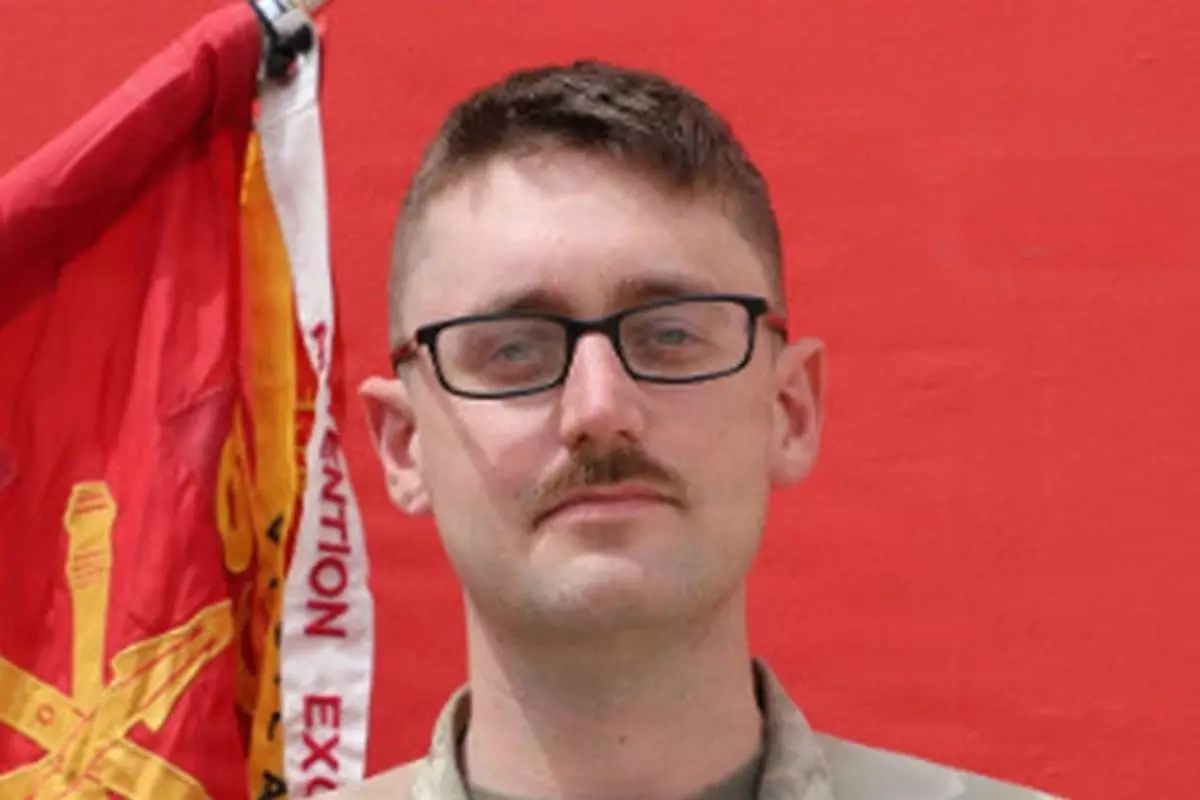
This undated photo provided by the U.S. Army Space and Missile Defense Command shows 1st Lt. Tyler James Feehan. (U.S. Army Space and Missile Defense Command via AP)
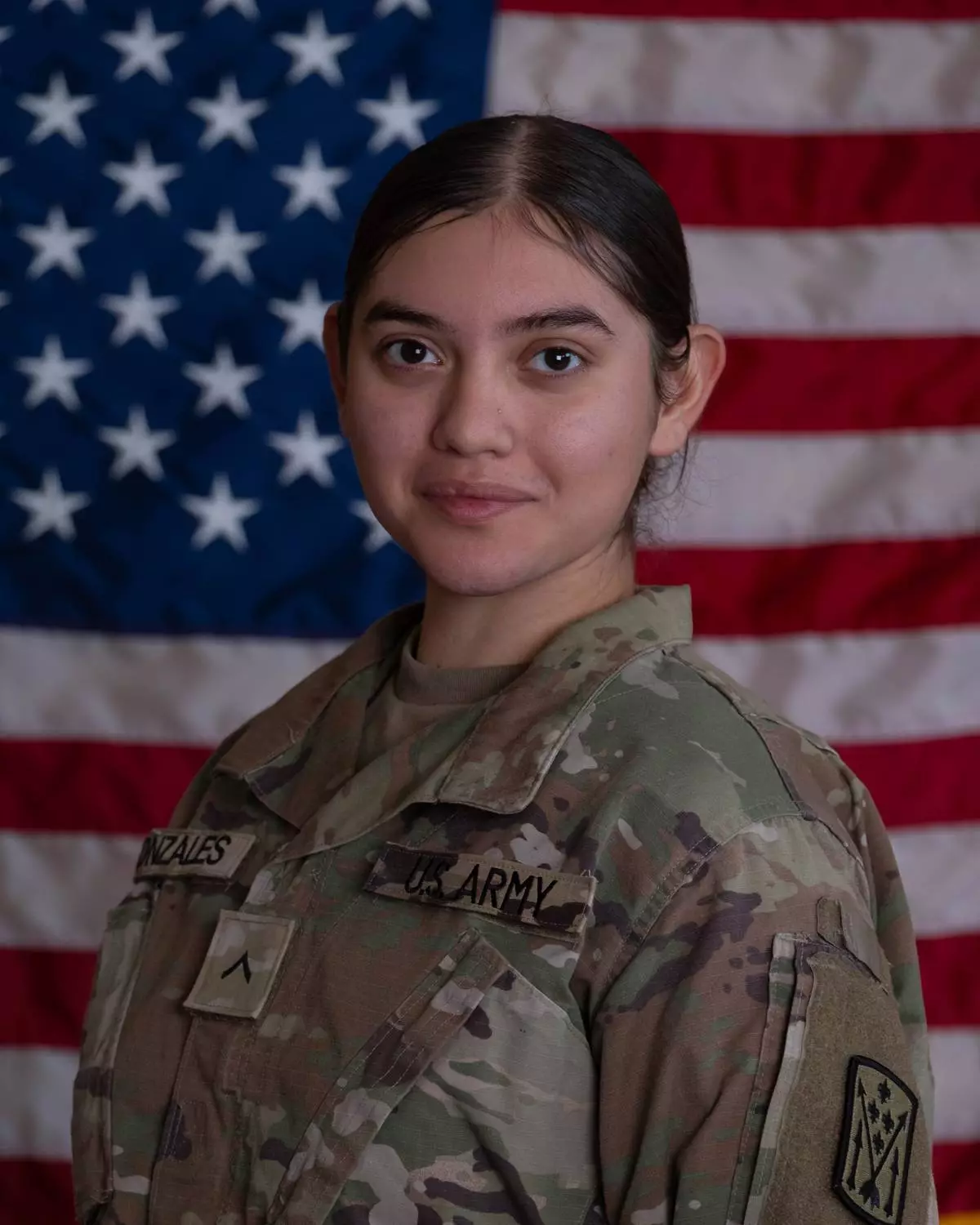
This undated image provided by the U.S. Army shows Pvt. Isabella Gonzales, 19, of Carrollton, Texas. (U.S. Army via AP)
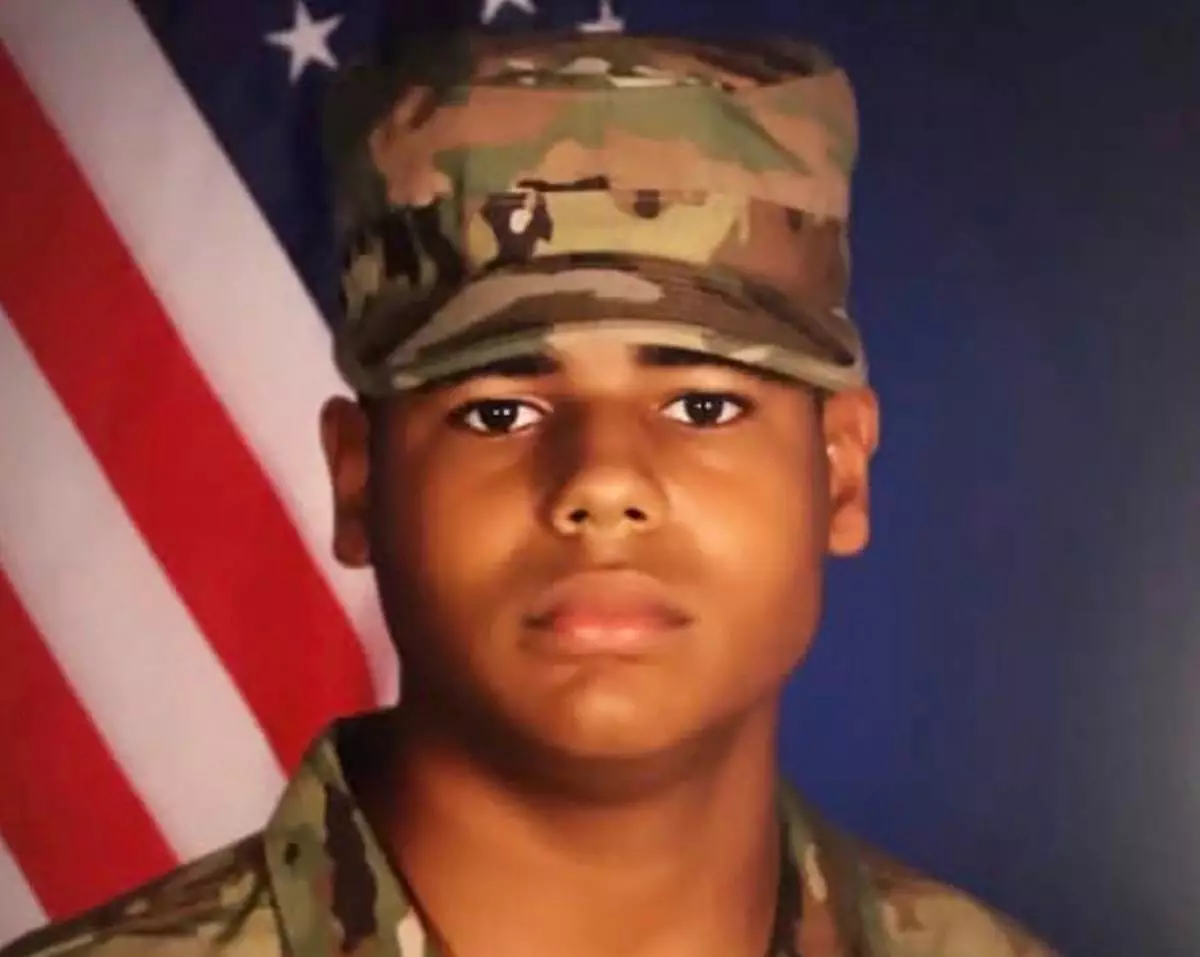
This undated photo provided by the U.S. Army Space and Missile Defense Command on Tuesday, July 21, 2026, shows Army Sgt. Michael Emmanuel Swinton. (U.S. Army Space and Missile Defense Command via AP)
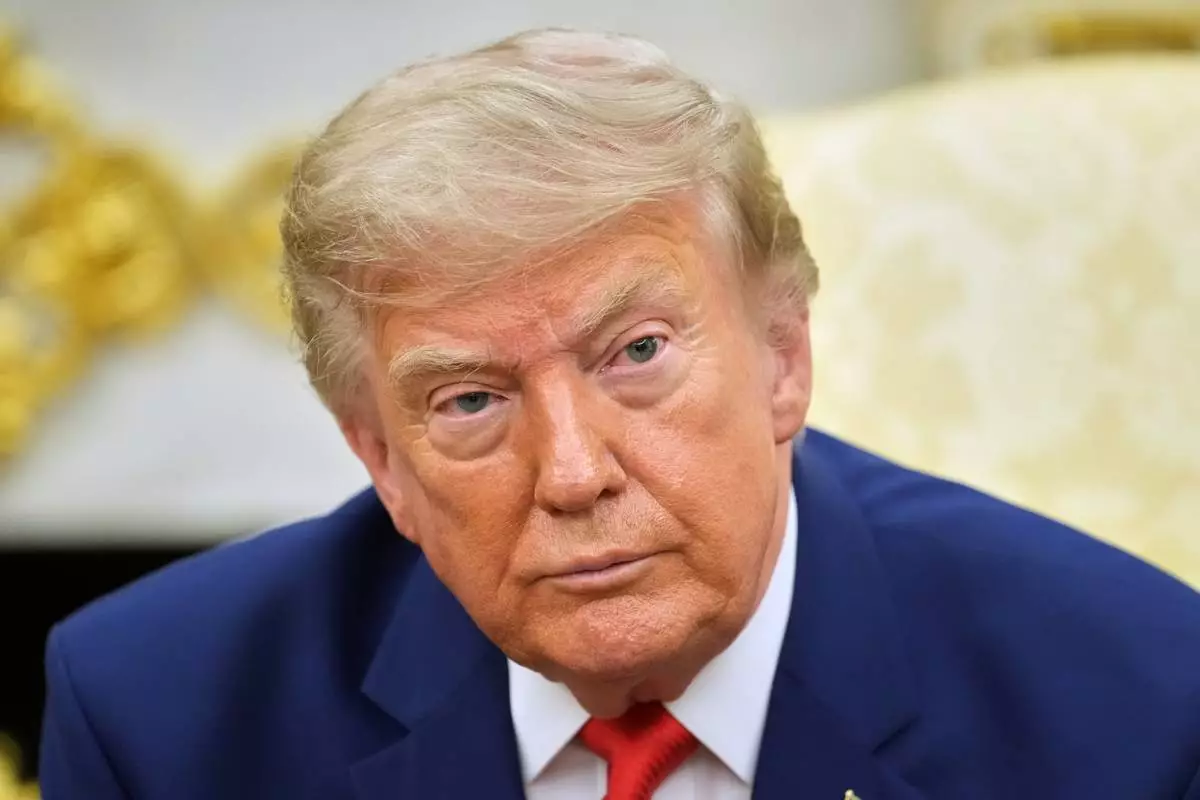
Lebanese President Joseph Aoun listens as he meets with President Donald Trump in the Oval Office at the White House, Tuesday, July 21, 2026, in Washington. (AP Photo/Mark Schiefelbein)
NEW YORK (AP) — When midterm campaigning began, each major political party had a clear game plan. Republicans would emphasize border security and an economy that was finally shaking off years of high inflation. Democrats would focus attention on a deeply unpopular President Donald Trump to energize their voters.
It hasn't worked out that way. With a little more than three months to go, both parties are grappling with self-inflicted wounds and messy missteps that have complicated their paths to victory in key races.
Trump steered the country into a war against Iran with no end in sight, disrupting the global flow of oil and spiking prices at the pump. He remains fixated on purging his party of dissent and relitigating his election defeat six years ago.
On the other side of the aisle, Democrats are in the throes of an internal civil war between moderates and progressives, as democratic socialists successfully oust incumbents. Some candidates have imploded in spectacular fashion, jeopardizing races the party had expected to win.
The drama has turned existential as each party faces a moment of reckoning. Democrats remain shaken by Trump being elected again and are desperately searching for a path back to power. Republicans are beginning to contemplate a post-Trump era even as the president maintains an iron grip on the party.
Frank Luntz, a longtime pollster, said the year has been consumed by “a sense of chaos and confusion.”
“We really do not know what’s going to happen in November," he said.
Democrats' latest turmoil has unfolded in Wisconsin, one of the most narrowly divided battleground states.
Lt. Gov. Sara Rodriguez abandoned her bid for governor after a campaign finance scandal just as she seemed to be consolidating support. Now the party establishment is concerned her departure will elevate Francesca Hong, a democratic socialist who's viewed by party leaders as a potentially weak opponent against U.S. Rep. Tom Tiffany, the likely Republican nominee.
“If we lose, Trump’s most loyal lackey in Congress takes control of Wisconsin, and that’s turned regular Democratic angst into flop sweats,” said longtime Wisconsin liberal activist Scot Ross. Still, he predicted that once the focus moves past the primary fight, Democratic voters would unite behind the party's candidate.
Then there's Maine, where the party is eager to defeat Republican Sen. Susan Collins as part of a nationwide push to regain control of the chamber.
Graham Platner, an oyster farmer and political outsider, rode a wave of grassroots energy to the Democratic nomination, only to drop out after an allegation of sexual assault, which he denies.
Supporters had hoped Platner would be the kind of candidate who could win white working-class voters back to the party, despite controversies including a tattoo widely recognized as a Nazi symbol and a history of inflammatory social media posts. Democrats are holding a convention this weekend to choose a replacement candidate.
Celinda Lake, a Democratic pollster and consultant, said activists and voters have been willing to overlook potential vulnerabilities while supporting outsiders for office.
“There is something in the air that has made these candidates incredibly reckless and thinking that they can get away with it," she said, pointing to the president as a potential explanation. “I think Trump has kind of created a high-risk environment."
Marc Short, the former chief of staff to Trump's first-term vice president, Mike Pence, said the dynamic was reminiscent of 2010 when the tea party ushered in a wave of unvetted Republican candidates who famously beat establishment figures in primaries but lost in November, costing Republicans the Senate even as they made gains in the House.
The shoe, he said, is now on the other foot.
“I feel like when there is a lot of energy on one side that you can tend to nominate candidates that create hurdles for you and limit what your gains could be,” he said.
Other races are forcing Democrats to confront some of their deepest divisions.
In Michigan, Senate candidate and progressive favorite Abdul El-Sayed has worried party leaders like Senate Democratic leader Chuck Schumer who fear he's too far left to win in the seat, which Democrats will need to hold onto if they want a shot at winning the majority this year. Supporters point to the enthusiasm he's garnered as a way forward for the party.
The primary also highlights a schism over Israel. El-Sayed has described Israel’s military campaign in Gaza as a genocide, an accusation rejected by Israel and the White House. In response, the American Israel Public Affairs Committee, or AIPAC, and its affiliated groups have spent close to $30 million backing primary rival Haley Stevens.
Adam Green, co-founder of the Progressive Change Campaign Committee, said it's clear voters across the country are rebelling against a political system they see as rigged and are yearning for candidates willing to fight on their behalf.
He said candidates like El-Sayed would serve as proof of concept going into 2028 that “bold, shake-up-the system economic fighters" are more electable in purple and red states than "stale, status quo corporate-aligned Democrats.”
In Washington, Sen. Chris Murphy, D-Conn., downplayed the idea the ideological divisions would endanger Democrats.
“A healthy party is a party that has arguments," he said. “I think our party should be debating ideas. We should be having hotly contested primaries."
Republicans are facing their own challenges as they try to buck historical precedent and maintain congressional control.
Trump reshaped this year’s Senate map by sidelining some Republican incumbents and promoting loyalists to replace them. That includes in Texas, where he ousted longtime Sen. John Cornyn and endorsed Ken Paxton, a fiery conservative with a lengthy history of corruption allegations.
Republican leaders had warned his nomination would put the state in play and force the party to spend millions of dollars defending what would have otherwise been a safe seat.
Others chose to leave the party. In North Carolina, Sen. Thom Tillis declined to run for reelection after feuding with Trump. Democrats hope to flip the seat with former Gov. Roy Cooper.
Whit Ayres, a longtime Republican pollster and strategist, said Trump “has exacerbated the problem” of a political culture that has produced more extreme candidates on both sides of the aisle thanks to closed primaries.
Republicans have historically struggled when Trump isn't on the ballot. But he also risks weighing candidates down.
Just 37% of U.S. adults approve of how he's handling the presidency, according to the most recent AP-NORC poll, which shows deep dissatisfactions over his handling of the economy and other issues.
But instead of staying focused on lowering prices, Trump has continued his bombardment of Iran in a struggle for control over the Strait of Hormuz, a critical waterway for global oil supplies. He also delivered a primetime address in which he continued to dispute his 2020 loss in an appeal for more restrictive voting laws.
“Trump is our biggest ally," said Lake, the Democratic pollster and consultant. “He’s the best things that Democrats have going. And it’s the gift that keeps on going."
But Jenny Beth Martin, chair of the grassroots conservative group Tea Party Patriots Action, disagreed.
“President Trump is the single greatest advantage Republicans have in the midterm elections," she said in a statement. “The energy and enthusiasm he generates is incomparable, and we’re counting on him to motivate his supporters to go to the polls.”
Associated Press writers Scott Bauer in Madison, Wis., and Steven Sloan in Washington contributed to this report.
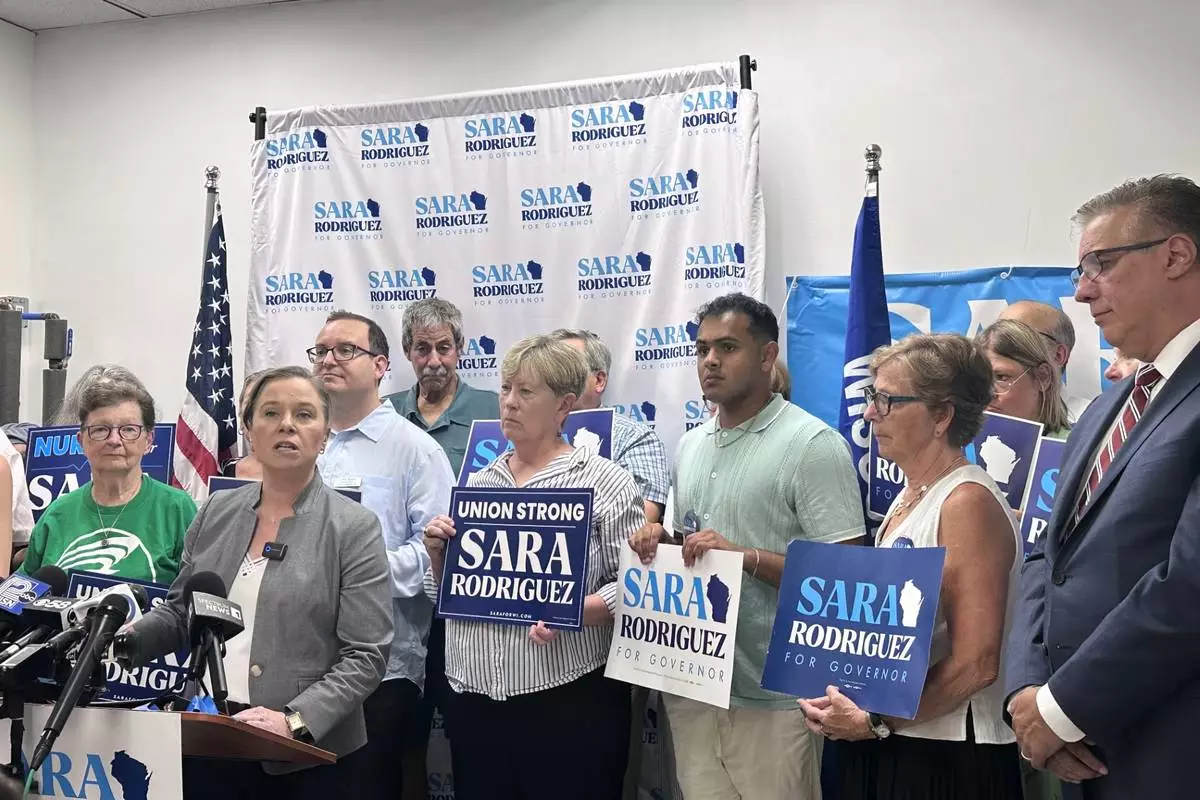
Democratic candidate for Wisconsin governor Sara Rodriguez speaks to supporters, Monday, July 13, 2026, in Madison, Wis. (AP Photo/Scott Bauer)
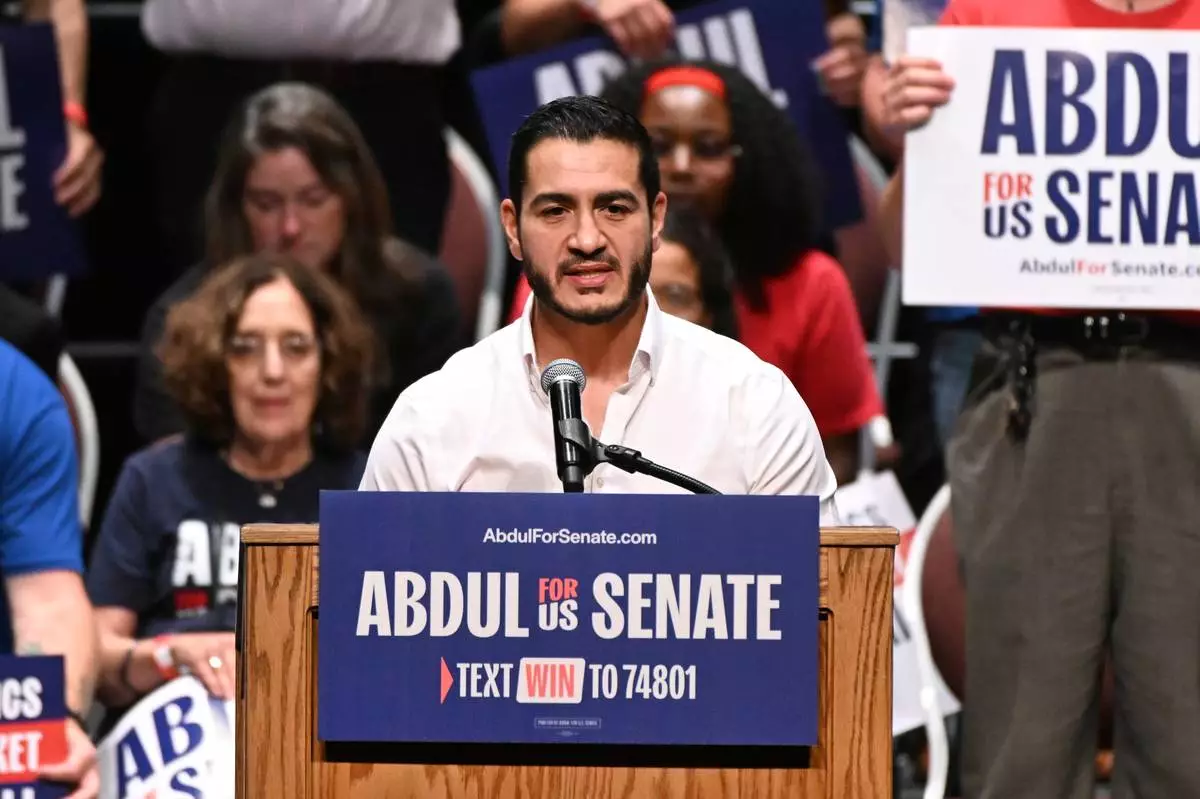
Michigan Democratic U.S. Senate primary candidate Abdul El-Sayed addresses the crowd during a campaign rally, Saturday, July 18, 2026, in Detroit. (AP Photo/Jose Juarez)
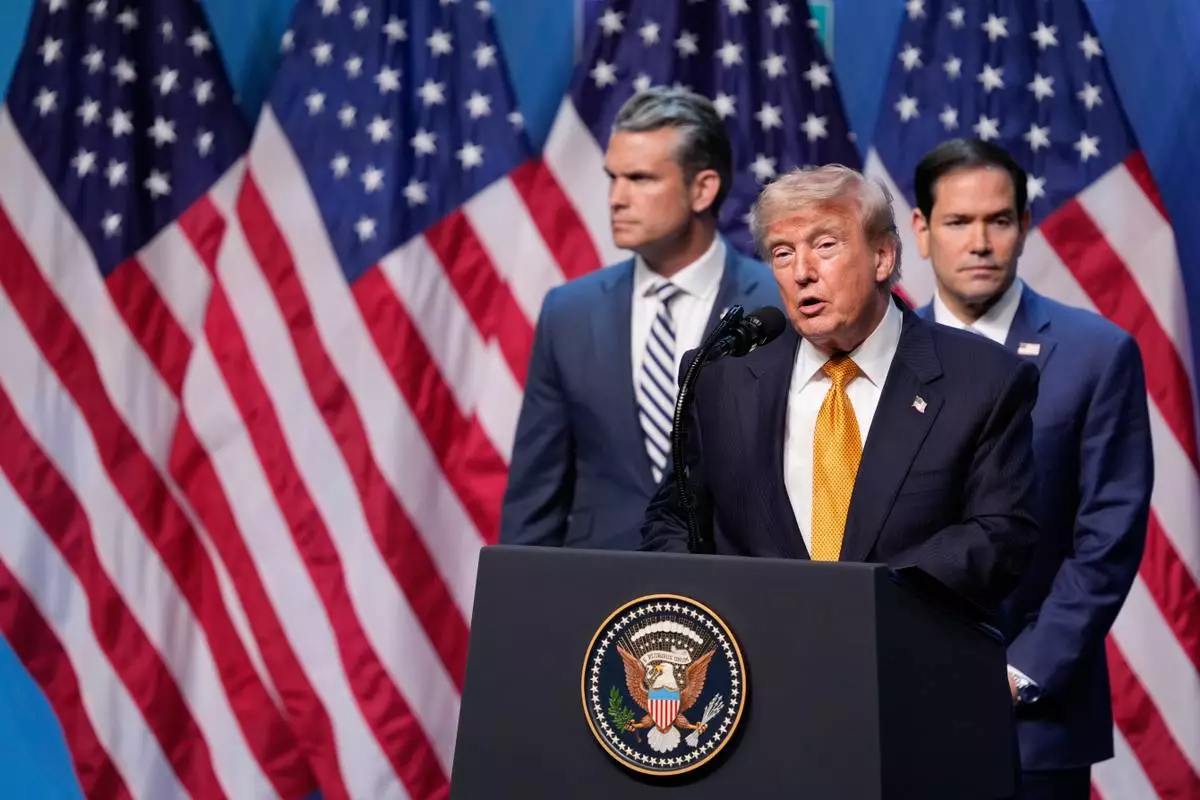
President Donald Trump speaks during a media conference, flanked by U.S. Defense Secretary Pete Hegseth and U.S. Secretary of State Marco Rubio, at the NATO summit in Ankara, Turkey, Wednesday, July 8, 2026. (AP Photo/ Emrah Gurel)
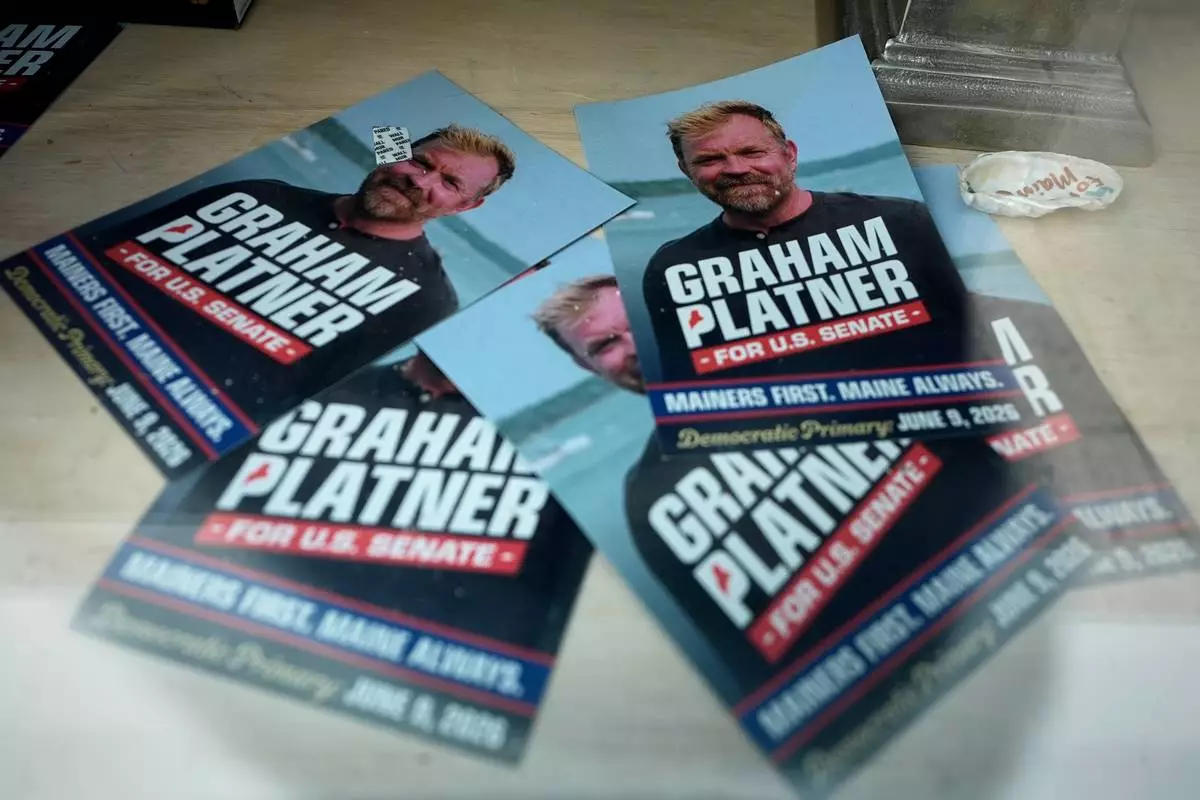
Campaign flyers for former Democratic candidate for U.S. Senate Graham Platner are seen at his headquarters Thursday, July 9, 2026, in Ellsworth, Maine. (AP Photo/Robert F. Bukaty)