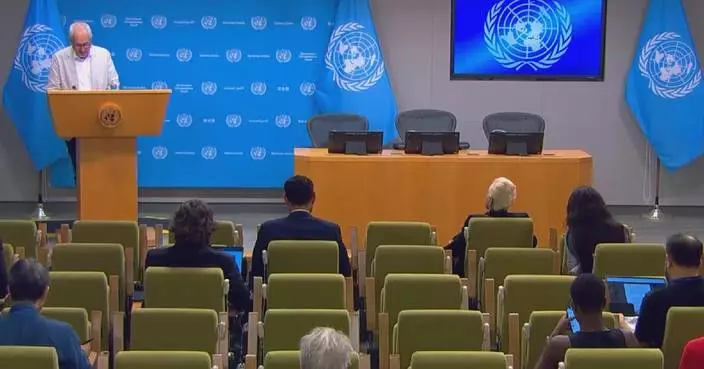
The Bundibugyo virus behind the latest Ebola outbreak in the Democratic Republic of the Congo (DRC) is expanding to new areas in the eastern region of Ituri, but some areas have shown signs of stabilization, the World Health Organization (WHO) said on Tuesday.
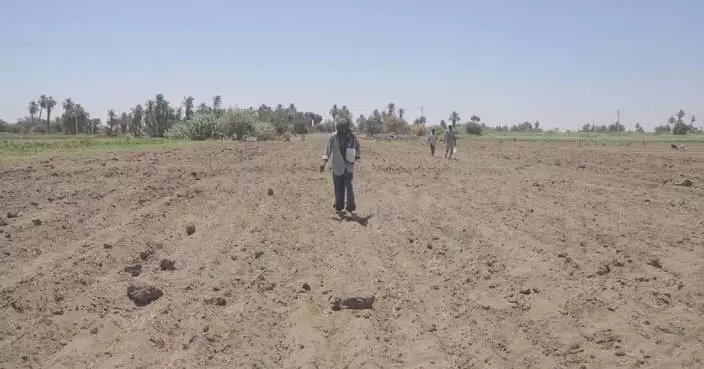
Chronic instability and the threat of conflict have combined with highly mobile and often displaced populations to create ideal conditions for the infection to spread, WHO incident manager Thierno Balde told journalists in Geneva from Bunia, capital of Ituri.
"This outbreak remains ahead of us, and we are still in the phase of catching up," Balde said.
WHO teams continue to engage actively with communities to mobilize and encourage them to accept treatment and follow-up care, the WHO official said, adding the main strategy is to contain the affected areas.
As of Sunday, the government of DR Congo had recorded 2,423 confirmed cases, including 967 deaths and 469 recoveries.
In an update, health authorities of the DR Congo said 734 patients remained in quarantine or treatment as of Sunday.
The virus has also infected 121 frontline health workers in Ituri province, including 36 deaths.
Health authorities also reported a newly affected health zone, Adja, in Ituri province, bringing the total to 47 across five provinces, of which 46 remain under active transmission.
The outbreak, caused by the Bundibugyo ebolavirus, was declared on May 15. The province of Ituri has been the epicenter of the outbreak, accounting for more than 90 percent of cases and also 80 percent of deaths.
Population movements, insecurity, artisanal mining activities and cross-border exchanges with Uganda and South Sudan continue to facilitate transmission.
The DR Congo and Uganda have lately conducted a joint technical assessment of a mobile laboratory in Kasenyi near the border to strengthen cross-border surveillance.
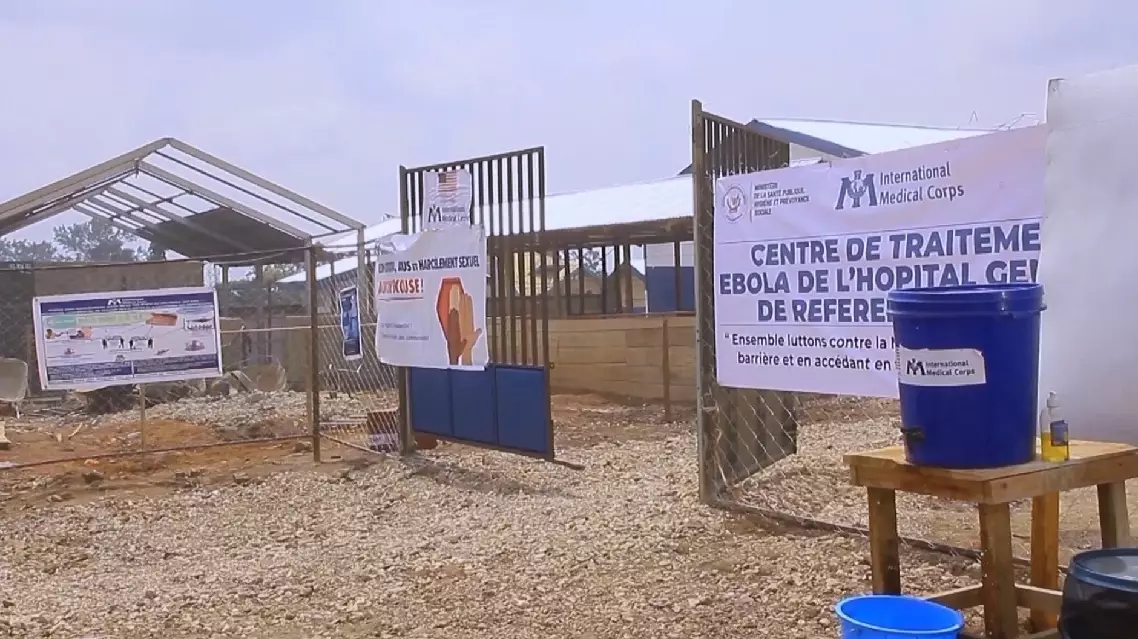
Ebola outbreak expands in DR Congo as WHO sees signs of stabilization
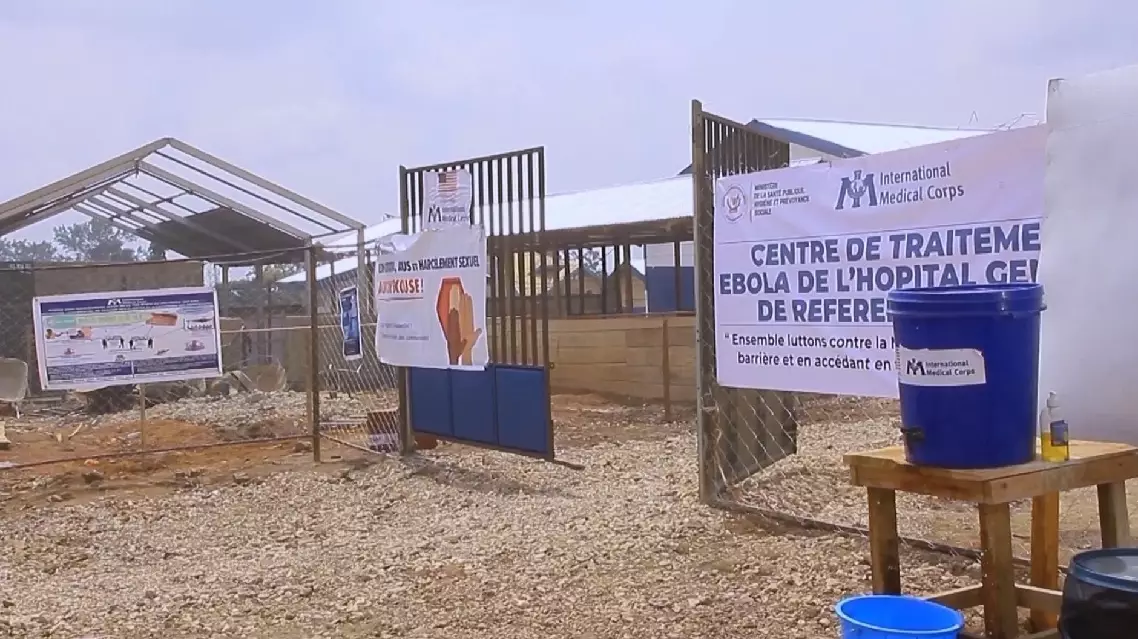
Ebola outbreak expands in DR Congo as WHO sees signs of stabilization