Foreign direct investment (FDI) into China maintained steady growth in the first half of the year, with foreign investors recognizing the potential of the country's innovation-driven development strategy and looking to further tap into China's high-tech industries.
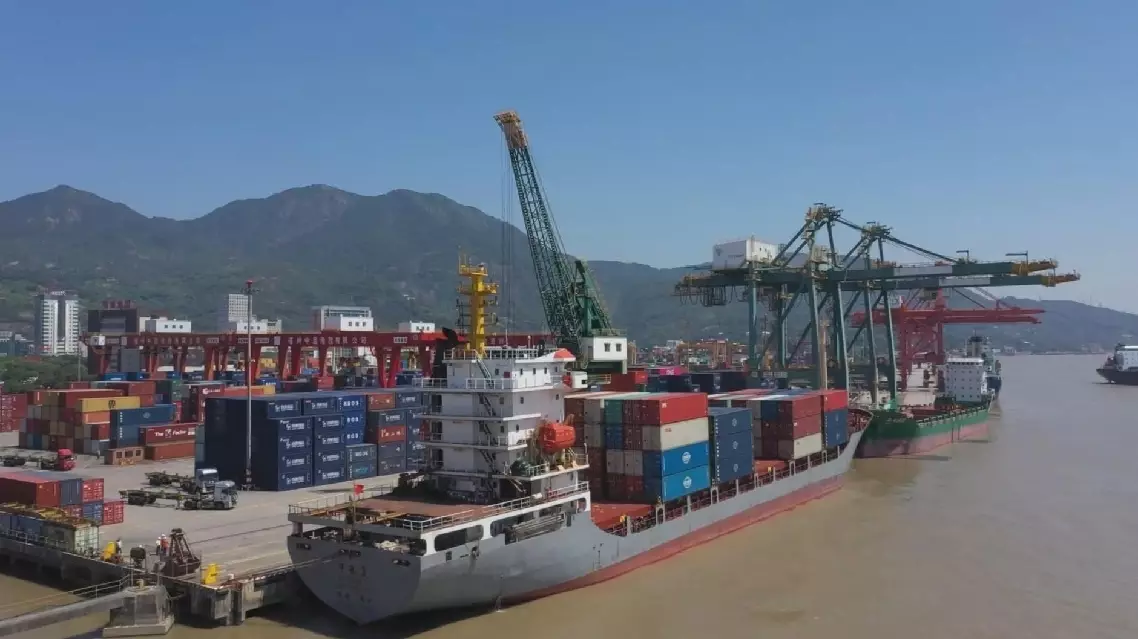
This trend is evident in Taicang, a county-level city in east China's Jiangsu Province, which is located just an hour's drive north of Shanghai.
Over the years, Taicang has gained a reputation as the "hometown of German enterprises" in China after becoming an unlikely hub for hundreds of German businesses and thousands of German workers.
With a population of under 1 million people, the city, which sits along the Yangtze River estuary is now home to more than 1,800 foreign-invested enterprises, of which the reinvested profits surged 69 percent from January to June.
As it looks build on the recent momentum, the local government has been hosting regular exchange events which provide a platform for foreign businesses and local firms to discuss industrial trends and build partnerships.
"We are paying attention to China's new energy, energy storage, and solar industries. Apart from seeking expansions in the existing markets, we also see huge opportunities in industries that we have not ventured into before," said Wang Hao, director of the German Weber Group's manufacturing base in Taicang.
The goals set out in China's 15th Five-Year Plan (2026-2030), a key blueprint mapping out the country's development priorities for the years ahead, emphasizes advancing technological and industrial innovation, an area that many firms say they are keen to explore.
"Our headquarters in Germany has asked us to develop in accordance with China's [latest] Five-Year Plan. For example, through data centers," said Li Huaizhou, general manager of the Innomatec China Test and Special Equipment (Taicang) Company, a subsidiary of German leak test equipment manufacturer Innomatec.
Meanwhile, German company Burkle, seen as a "hidden champion" in providing laminating lines for the production of printed circuit boards, reinvested 5 million U.S. dollars of its profits in the first half of the year to expand capacity and upgrade automated production lines, so as to meet surging demand from AI servers and data centers across China.
"China is not only one of our largest markets. China is also one of our most important innovation partners. Most of the modern innovation is shaped or developed here in China," said Benedikt Wagner, general manager of Burkle Machinery Taicang.
In a further sign of deepening commitment, U.S.-based commercial vehicle components maker Commercial Vehicle Group (CVG) recently launched its Chinese headquarters in Taicang, which is dedicated to further expanding collaboration with local intelligent vehicle manufacturers.
"Our presence here is kind of the forefront of the leadership for our team globally to help us drive innovation to the customers and also for us to invest in the growth of our facility and presence in Asia," said Russell Ketteringham, president of global seating at CVG.
As foreign-funded firms deepen their integration into China's industrial upgrading and innovation-driven growth, local authorities are playing an active role in connecting them with domestic businesses, looking to land more foreign-invested projects and deliver tangible results.
"We are making continuous efforts to cultivate a good service ecosystem for foreign enterprises, to promote collaboration between foreign-invested and private firms in industrial and supply chains, and to help foreign enterprises identify and seize new opportunities in industrial and supply chains, aiming to spur fresh investment with new development. By providing a favorable business environment and thoughtful supporting services, we hope that more foreign enterprises will come, stay, and thrive," said Zhang Luoyin, deputy director of the China-Germany office of the Taicang High-tech Zone Administrative Committee.
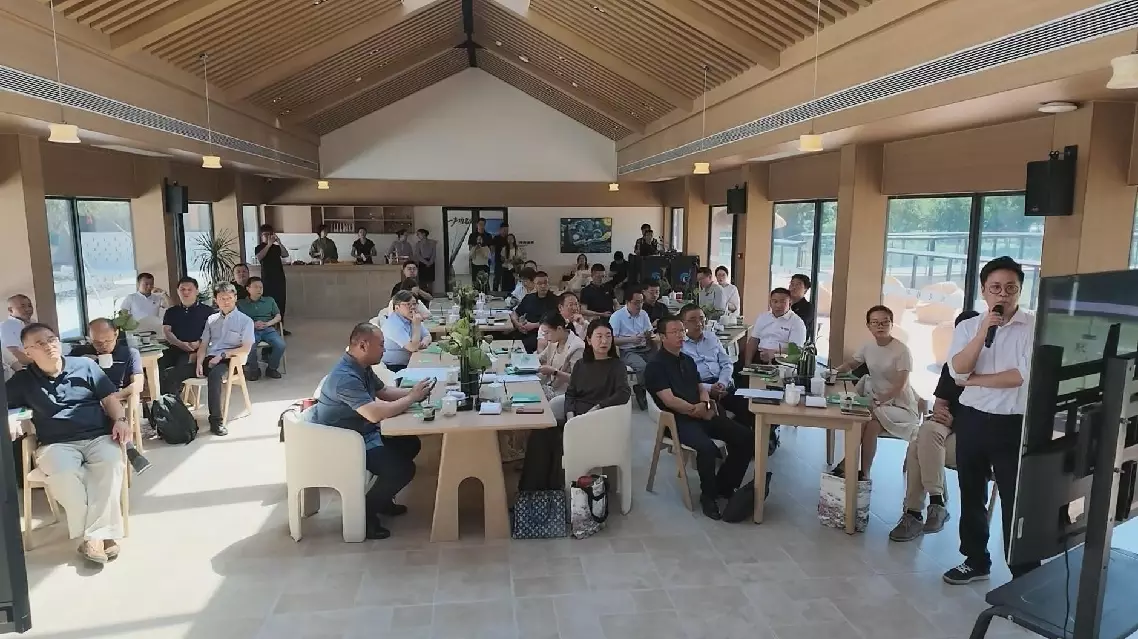
Foreign investors look to double down on China’s high-tech industries