China has expanded its zero-tariff treatment to 63 countries, implementing regulatory measures and green channels to boost bilateral trade, the General Administration of Customs (GAC) said on Wednesday.
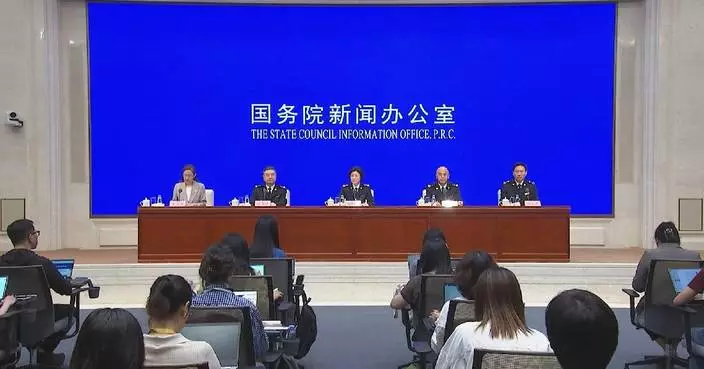
Speaking at a press conference held by the State Council Information Office in Beijing, GAC head Sun Meijun outlined China's targeted regulatory measures to facilitate the implementation of the zero-tariff policy.
"We have advanced the effective implementation of policies for voluntary and unilateral opening up. In May this year, China fully implemented its zero-tariff policy for African countries with which it has diplomatic ties. We have formulated a regulatory framework to implement the zero-tariff policy, innovated a management system based on risk classification and grading, adopted facilitation measures such as agenda-based access, and expanded green channels for agricultural and food products entering China," Sun said.
The zero-tariff policy has already yielded significant results, with bilateral trade experiencing strong momentum, according to the official.
"In the first half of this year, imports and exports between China and Africa grew by 19.6 percent. Currently, the number of countries benefiting from China's zero-tariff treatment has reached 63. We will continue to implement high-level economic and trade agreements, and strengthen the alignment and connection of customs procedures, inspection and quarantine, as well as rules of origin," Sun added.
Starting from May 1, 2026, China has expanded its zero-tariff treatment to all 53 African countries with diplomatic ties. It has already scrapped tariffs on 100 percent of tariff lines for 33 least developed countries in Africa since Dec 1, 2024.
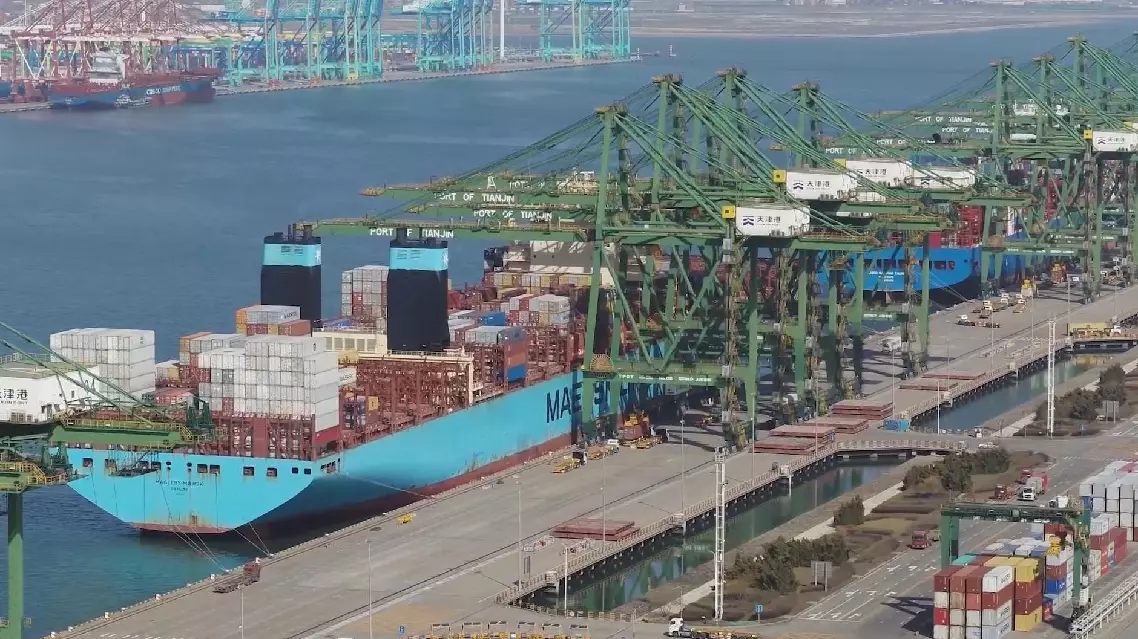
China's zero-tariff measures cover 63 countries: official
China's customs authority will fully play its role in helping achieve higher-quality foreign trade development during the 15th Five-Year Plan period (2026-2030), Head of the General Administration of Customs (GAC) Sun Meijun said at a press conference in Beijing on Wednesday.
The outline of the 15th Five-Year Plan calls for accelerating the building of a strong trading nation, improving the quality and efficiency of foreign trade, and promoting balanced development of imports and exports.
Sun briefed the media on the customs authority's measures to promote innovative development and improve the quality and efficiency of trade.
"We will strengthen new drivers of foreign trade by optimizing the regulatory systems for cross-border e-commerce, market procurement and overseas warehouses. We will also adopt innovative supervision methods for AI products and green and low-carbon transition products," she said.
"We will continue to carry out special actions to facilitate cross-border trade, and effectively implement free trade agreements such as the Regional Comprehensive Economic Partnership (RCEP). We will leverage openness to foster cooperation and convenience to counter containment, while consolidating and expanding diversified markets," Sun added.
She noted that during the 15th Five-Year Plan period, China will negotiate and sign more trade access cooperation documents, expand imports of advanced technology equipment, key components, energy resources and quality agricultural products, and diversify source countries.
This will facilitate the export of quality goods from around the world to China and enable them to share the opportunities of China's vast market, while also providing Chinese consumers with a wider range of choices, and promoting a more balanced development of imports and exports.
"We will promote smoother dual circulation by building a regulatory system that aligns with high-standard economic and trade rules, creating a transparent, stable and predictable institutional environment, and innovating customs clearance models and optimizing supervision methods to facilitate efficient and convenient cross-border flow of various factors of production," she said.
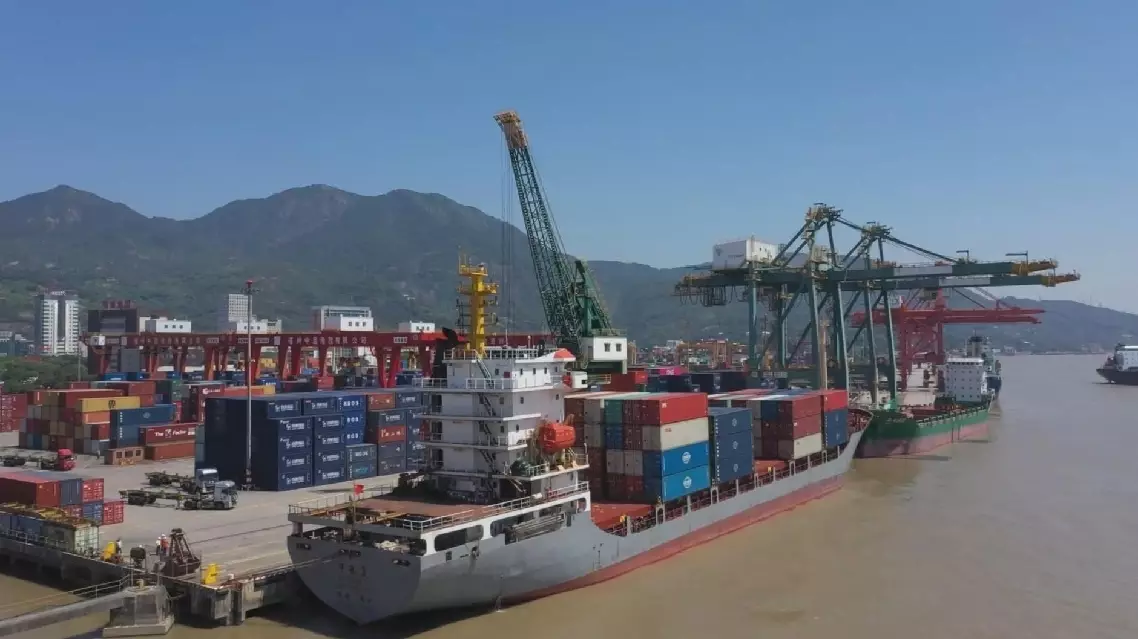
China to boost higher-quality foreign trade in 2026-2030: customs authority