Water levels in the Hungarian section of the Danube River have dropped significantly this summer due to persistent hot and dry weather, disrupting freight transport and river cruise tourism across the country.
Data showed that in the first half of the year, Danube's flow volume in the Hungarian section fell by over 40 percent compared to the 30-year average for the same period.
As a result, multiple sightseeing cruise lines have been suspended, according to Laszlo Somodi, CEO of MAHART-PassNave, a leading Hungarian river cruise and shipping operator based in Budapest.
"As you can see, the water level in Budapest allows sightseeing boats to sail between bridges in the city center, but outside Budapest, there are already a number of constrictions where ships can no longer cross. So, it's unfortunately already a very, very serious obstacle to shipping. Tourism is very important. More than 10 million visitors come to Budapest every year, including Chinese and Americans. People from around the world come to Hungary to enjoy the beauty of Budapest, the Hungarian landscape, and the Danube Bend, but the services are now seriously affected," the CEO said.
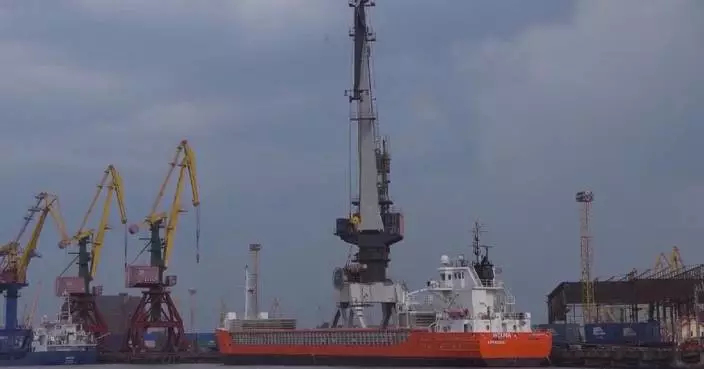
Beyond tourism, the river is also a vital artery for trade. Each year from 2019-2023, Hungary's Dunabe ports handled more than three million tons of cargo turnover. According to Somodi, the lower water levels are threatening that as well.
"This difficulty in freight transport is even worse, because the draft of cargo ships is over half a meter deeper. They can no longer sail anywhere on the Hungarian section of the Danube," he said.
Somodi said his company's port service revenue has declined more than 20 percent, and it could be cut by as much as half if the situation continues for several weeks.
Hungary's water authorities attribute the sharp decline in water levels to a combination of factors, including the ongoing heatwave and drought, as well as decades of intensive sand and gravel extraction that have deepened the river channel, leading to dramatic water level falls during dry spells.
Meanwhile, weather authorities forecast there will be no significant rainfall across Hungary in August, which is traditionally the hottest month, and the drought may deteriorate in the Danube as a result.
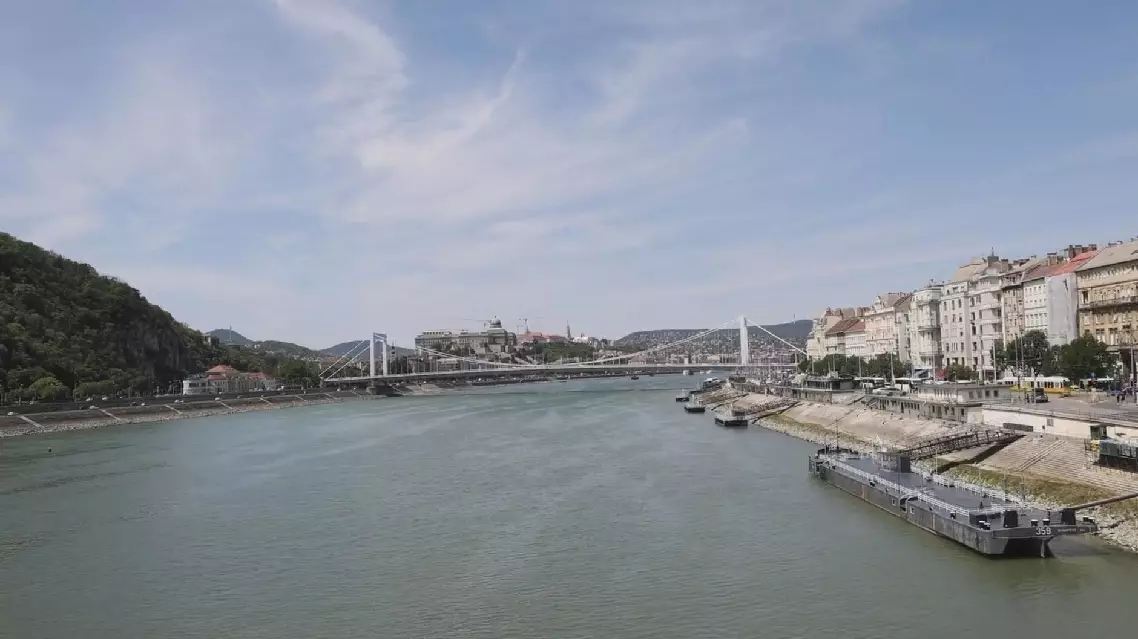
Low water levels on Danube disrupt shipping, tourism in Hungary
Low water levels on Danube disrupt shipping, tourism in Hungary