Skip to Content Facebook Feature Image

A new threat by Yemen's Houthis could widen the Iran war and put another trade chokepoint at risk

News

A new threat by Yemen's Houthis could widen the Iran war and put another trade chokepoint at risk
News

News

A new threat by Yemen's Houthis could widen the Iran war and put another trade chokepoint at risk

2026-07-23 19:28 Last Updated At:19:30

CAIRO (AP) — The Houthi rebels' threat to blockade Saudi Arabia has the potential to widen the Iran war and further disrupt global oil supplies and international trade.

The Iran-backed rebels say they have closed the Bab el-Mandeb Strait to Saudi-linked shipping in retaliation for the kingdom’s blockade on Yemen and a recent attack on the international airport in Yemen’s rebel-held capital, Sanaa. The Houthis said on Thursday they had attacked two Saudi oil tankers in the Red Sea, causing fires to break out on both.

Saudi's state-run news agency reported a fire on a tanker in the Red Sea following an attack, as did the United Kingdom Maritime Trade Operations Center. No casualties were reported.

Bab el-Mandeb, at the southern tip of the Arabian Peninsula, is a vital shipping chokepoint, connecting the Red Sea to the Gulf of Aden. Around 12% of the world’s trade, including a fourth of global container traffic, passes through the narrows.

The strait has become even more vital for Saudi oil exports since the disruption of the Strait of Hormuz during the Iran war has severely limited shipping out of the Persian Gulf.

The Houthis had said they would only stop vessels connected to Saudi Arabia or going in and out of its Red Sea ports. But during a similar blockade announced against Israel over the war in Gaza, the rebels attacked many vessels with little or no connection to that conflict.

The threat alone could keep international shippers from using the route.

The Houthis don’t control the part of Yemen’s coastline along Bab el-Mandeb — that’s in the hands of its opponents in the country’s civil war. But they hold territory less than 100 kilometers (60 miles) away.

Three Houthi officials told The Associated Press on Tuesday that the group has planned for months how to disrupt shipping in the strait. Those plans include the use of naval mines, explosive-laden boats, drones and helicopters to allow fighters to board ships, the officials said, speaking on condition of anonymity because they were not authorized to talk to media.

They said vessels would first be warned not to cross designated boundaries in the strait. If ships ignore the warnings, the Houthis would resort to military action.

In the Strait of Hormuz, Iran has shown that even sporadic attacks on ships can be enough to effectively close a critical waterway, by driving up risks and insurance premiums.

“If Bab el-Mandeb comes under pressure at the same time as shipping in the Gulf, you have disruption around two of the world’s most important maritime routes at once,” Clionadh Raleigh, the founder of ACLED, a conflict monitoring service, said.

More than 7 million barrels of petroleum a day transited Bab el-Mandeb in June, compared to around 4 million before the Iran war, Allison Minor, the director of the Atlantic Council’s Project for Middle East Integration, wrote in an analysis published this week.

Saudi Arabia has been recently exporting some 4 million barrels of oil a day through its Red Sea port of Yanbu, blunting the impact of the Strait of Hormuz closure, which has still rattled economies around the world.

Saudi Arabia could still get crude to market without using Bab el-Mandeb, by shipping up to 2.5 million barrels a day across the Red Sea to Egypt, whose SUMED pipeline can carry it to the Mediterranean. It could also ship 1 million barrels a day through the Suez Canal.

International shippers could also reroute around the Cape of Good Hope at the southern tip of Africa, as they did at the height of the war in Gaza. But that means adding one or two weeks to voyages — and raising costs.

The Houthis attacked over 100 vessels at the height of the war in Gaza, before a punishing U.S. and Israeli air campaign put an end to the attacks in early 2025.

Asked about the attack on the Saudi tanker in the Red Sea on Thursday, U.S. Secretary of State Marco Rubio said: “I hope they'll stop. They shouldn't really do that.”

Speaking during a regional summit in the Philippines, he said that “I think the Houthis, frankly, got snookered into this thing by the Iranians. And they were smart to stay out of it, and they should stay out of it and they should stop.”

The Houthis also run the risk of reigniting the war with Saudi Arabia and its allies in Yemen, where major fighting ended with a truce in 2022. Saudi Arabia’s military says it will keep Bab el-Mandeb open.

“All Houthi threats against transiting vessels will be dealt with swiftly and firmly, as such threats are a blatant violation of international law and fall under acts of maritime piracy,” said Maj. Gen. Turki al-Malki, a Saudi military spokesperson.

Yemen’s civil war began in 2014 when the rebels seized the capital, Sanaa, and much of northern Yemen, forcing the government into exile. Saudi Arabia led an international coalition fighting the rebels and also imposed an air and sea blockade on Houthi-held parts of Yemen that eased in recent years.

The Houthis say Saudi Arabia struck the airport in Sanaa earlier this month in an attempt to stop a flight carrying Houthi leaders back from Iran, where they had attended the funeral of Supreme Leader Ayatollah Ali Khamenei. The plane landed safely at another airport.

The Houthis then launched missiles and drones at Saudi Arabia’s Abha International Airport in the most significant confrontation in years.

The Houthis say closing Bab el-Mandeb to Saudi traffic aims to break the coalition’s blockade.

Ahmed Nagi, a senior Yemen analyst at the International Crisis Group, said the threat to Saudi Arabia also benefits the Houthis’ ally, Iran, at a time when the U.S. has resumed daily airstrikes.

″From Iran’s perspective, opening additional pressure points across the region gives it more leverage,” Nagi said. “The Houthis provide Tehran with influence over one of the world’s most important maritime chokepoints.”

——

Al-Haj reported from Aden, Yemen. Associated Press writers Elena Becatoros in Athens, Greece, and Collin Binkley in Washington contributed.

Fireworks burst as Houthi supporters rally against the Saudi-led coalition in Sanaa, Yemen, Monday, July 20, 2026. (AP Photo/Osamah Abdulrahman)

Fireworks burst as Houthi supporters rally against the Saudi-led coalition in Sanaa, Yemen, Monday, July 20, 2026. (AP Photo/Osamah Abdulrahman)

Fireworks burst as Houthi supporters rally against the Saudi-led coalition in Sanaa, Yemen, Monday, July 20, 2026. Placards in Arabic read: "God is great, Death to America, Death to Israel, A curse on the Jews and Victory to Islam" and "boycott American and Israeli goods". (AP Photo/Osamah Abdulrahman)

Fireworks burst as Houthi supporters rally against the Saudi-led coalition in Sanaa, Yemen, Monday, July 20, 2026. Placards in Arabic read: "God is great, Death to America, Death to Israel, A curse on the Jews and Victory to Islam" and "boycott American and Israeli goods". (AP Photo/Osamah Abdulrahman)
ISLAMABAD (AP) — A young man in Pakistan’s capital lost both legs in a road accident five years ago, but he refused to let that define his future.

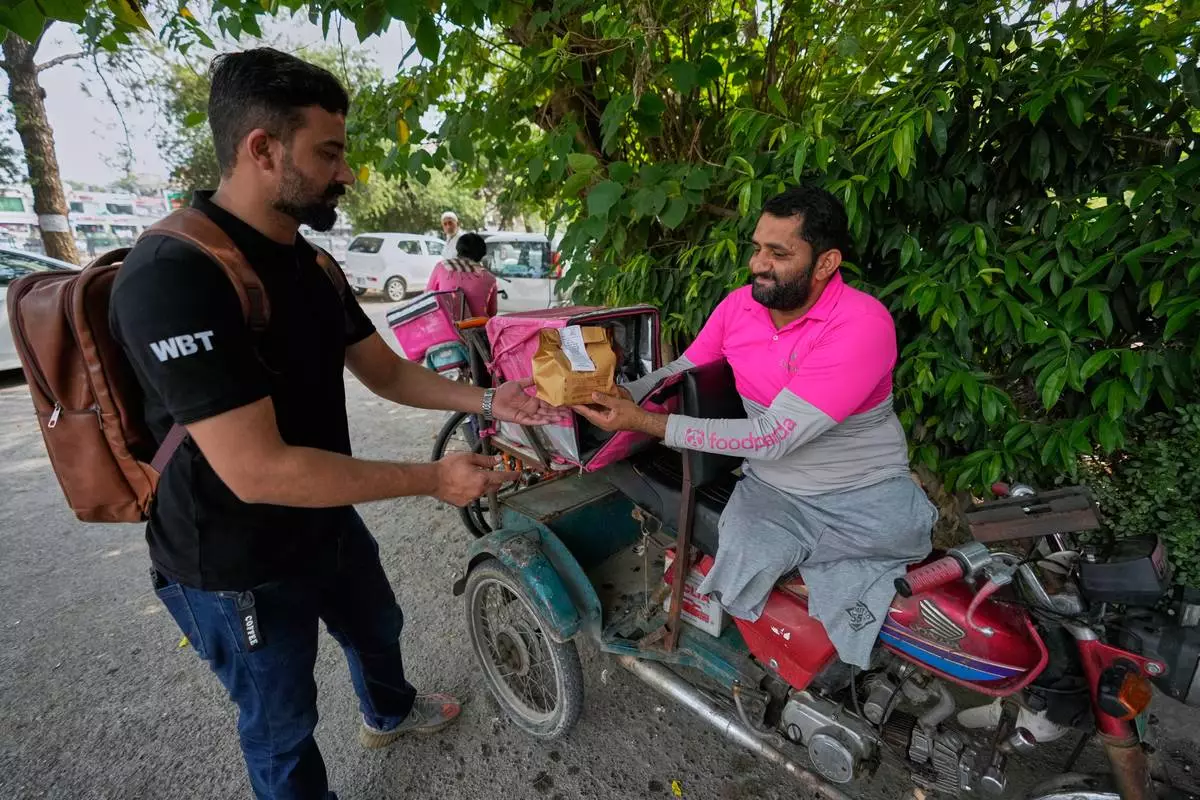
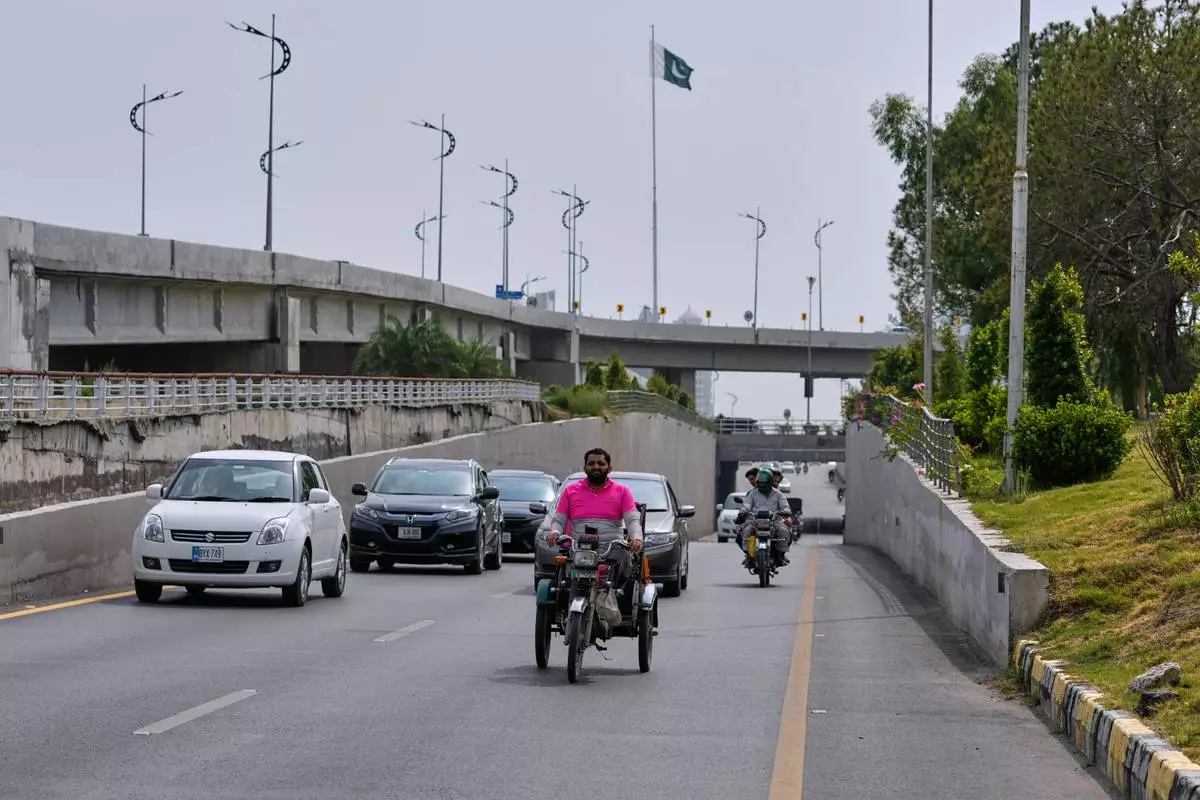
Today, 28-year-old Hamza Ali delivers meals across Islamabad, riding a modified motorcycle fitted with hand-operated controls.

Ali appeared cheerful under the scorching sun as he told The Associated Press that he had worked for foodpanda, a delivery platform, before the accident. Then a bus he was riding collided with a truck.

“After that accident, the first six months of my life were extremely difficult,” he said. “Then I told myself, ‘Ali, you have to do something on your own.’”

After nearly three years of job hunting in his hometown of Multan, where employers turned him away because of his disability, Ali moved to Islamabad in 2023 on a friend’s advice that the capital’s wider roads make it easier to ride a modified motorcycle.

Using his savings, he adapted his bike and asked foodpanda to reactivate his rider account. The company asked one question: whether he was confident he could do the job. He said yes.

Since returning to work, he has become one of the top-performing delivery riders, according to colleagues.

Ali rejects the sympathy often directed toward people with disabilities.

“I never ask for money. I can earn my own living,” he said. “People just think that because you are disabled, you are no good.” He said his greatest source of strength has been his mother, who encouraged him to focus on what remained possible.

Millions of Pakistanis live with disabilities and often face barriers to employment, mobility and social inclusion. While a 2023 national census reported that 3.1% of the population has a disability, human rights advocates say the true figure is likely much higher.

This is a photo gallery curated by AP photo editors.

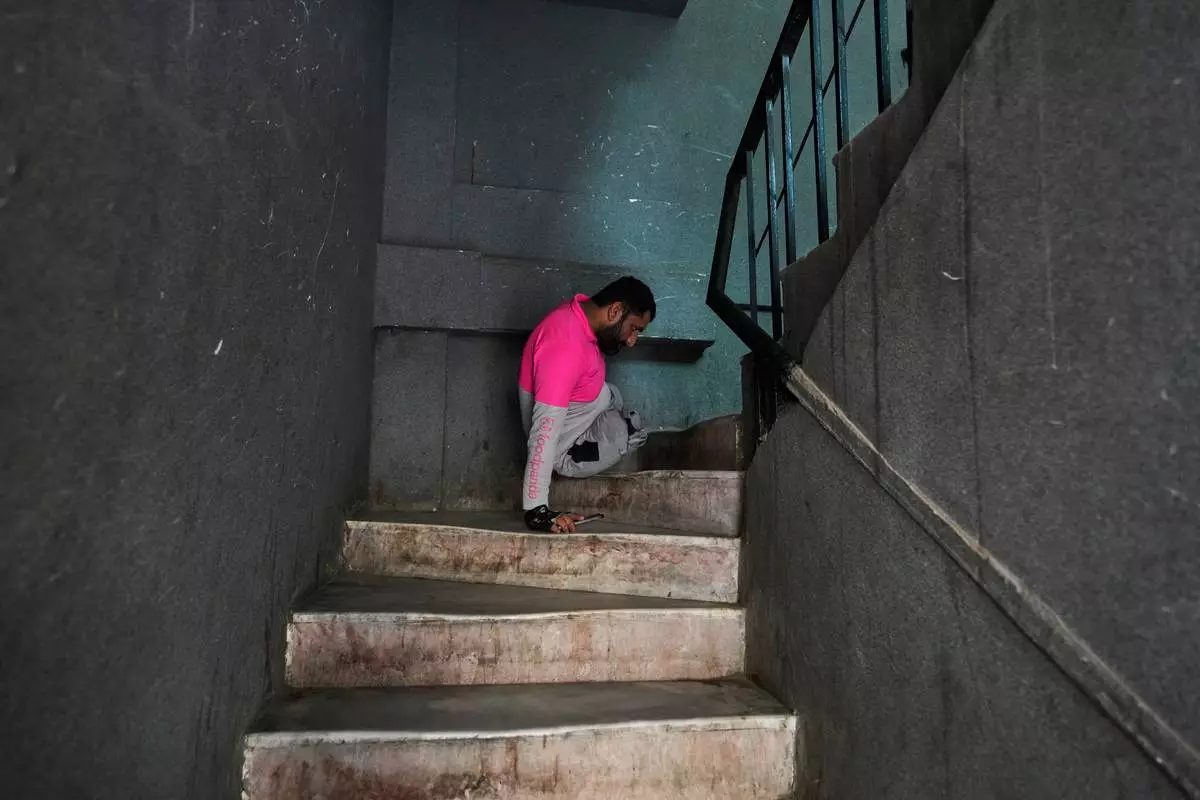
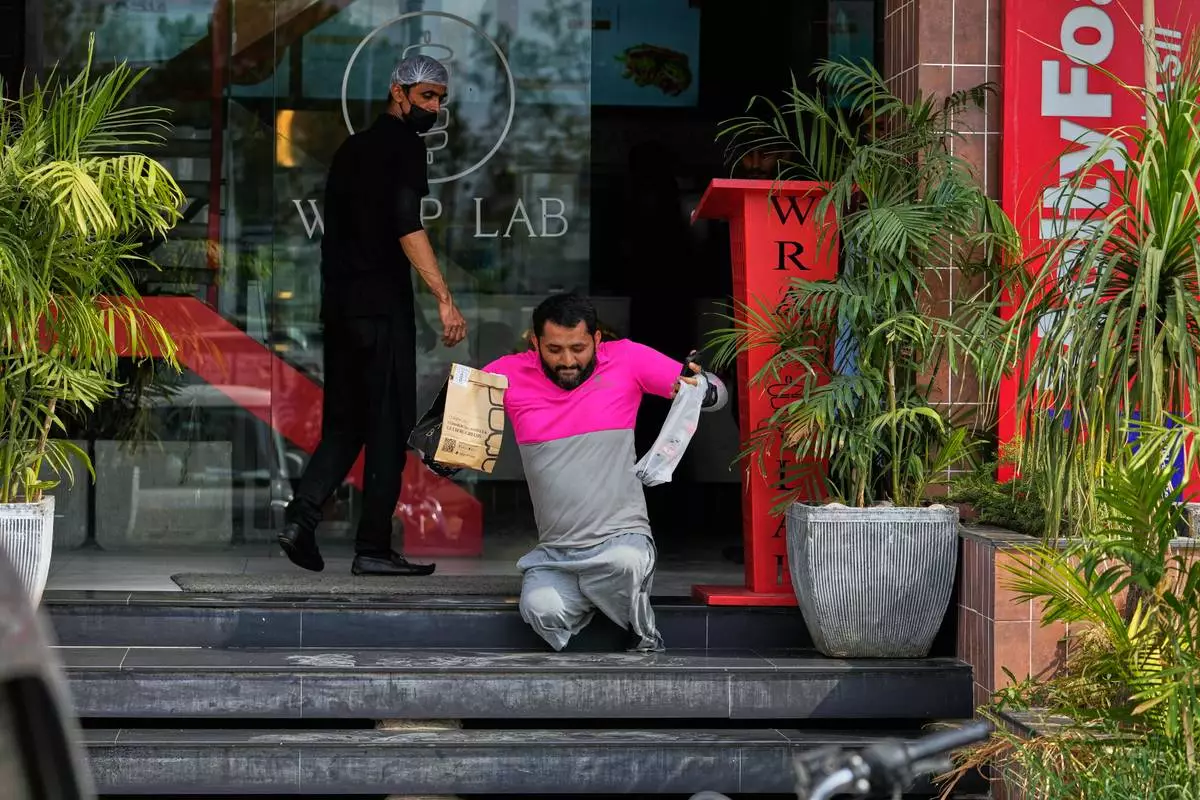
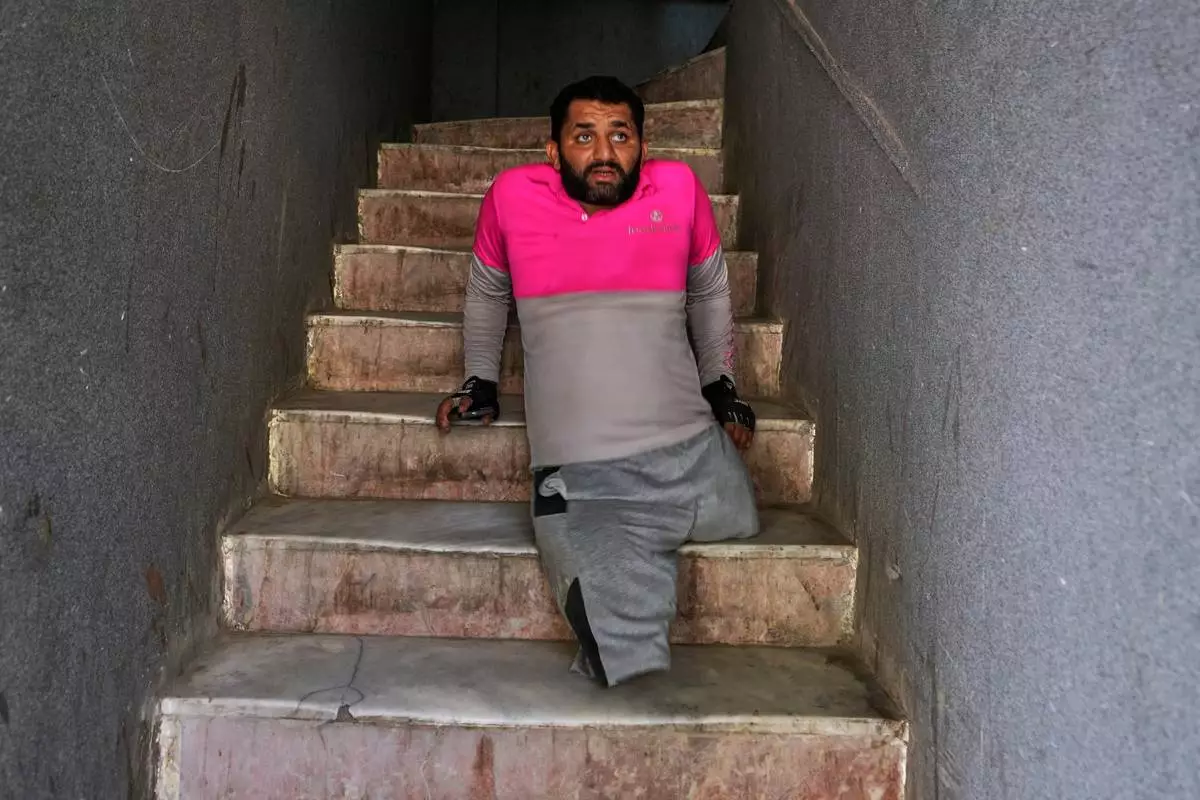
Hamza Ali, 28, who lost both legs in a road accident, moves down a flight of stairs after delivering food in Islamabad, Pakistan, Friday, July 17, 2026. (AP Photo/Anjum Naveed)

Hamza Ali, 28, who lost both legs in a road accident, moves down a flight of stairs after delivering food in Islamabad, Pakistan, Friday, July 17, 2026. (AP Photo/Anjum Naveed)

Hamza Ali, 28, who lost both legs in a road accident, rides to deliver a meal order to a customer in Islamabad, Pakistan, Friday, July 17, 2026. (AP Photo/Anjum Naveed)

Hamza Ali, 28, who lost both legs in a road accident, rides to deliver a meal order to a customer in Islamabad, Pakistan, Friday, July 17, 2026. (AP Photo/Anjum Naveed)

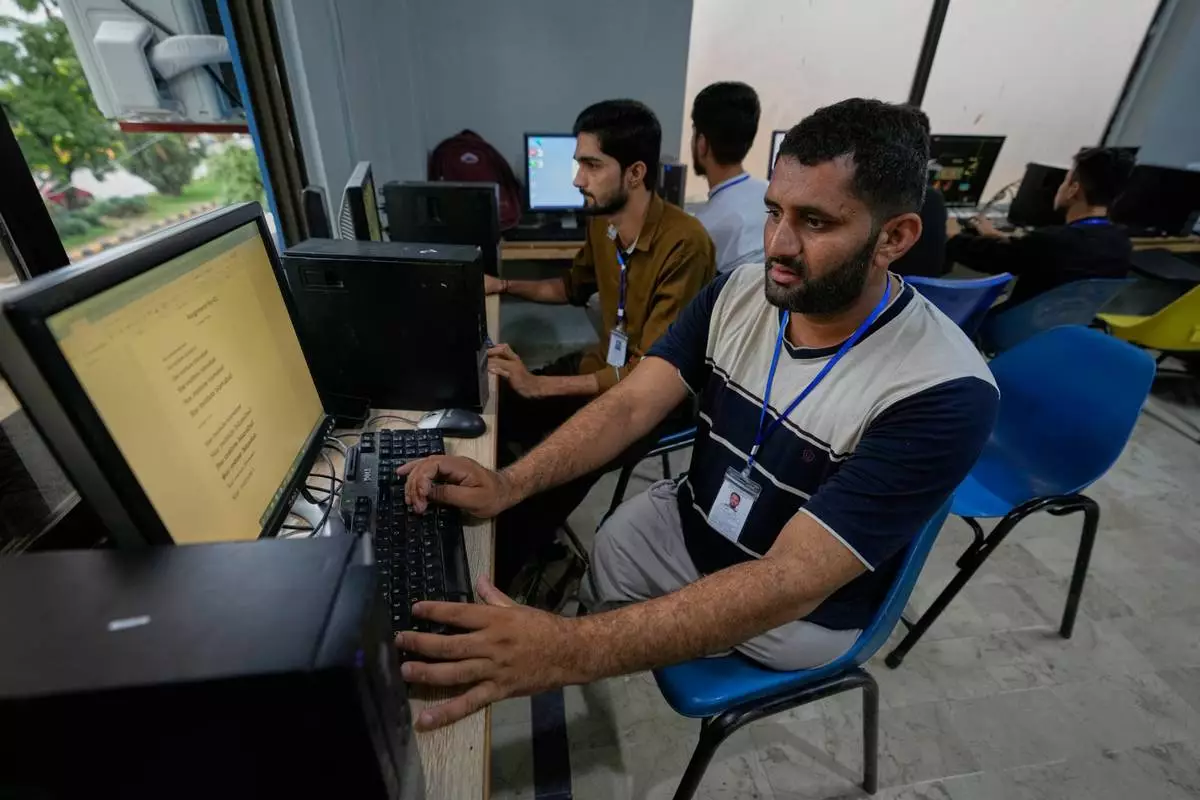
Hamza Ali, 28, who lost both legs in a road accident, attends a computer training class in Islamabad, Pakistan, Wednesday, July 22, 2026. (AP Photo/Anjum Naveed)

Hamza Ali, 28, who lost both legs in a road accident, attends a computer training class in Islamabad, Pakistan, Wednesday, July 22, 2026. (AP Photo/Anjum Naveed)

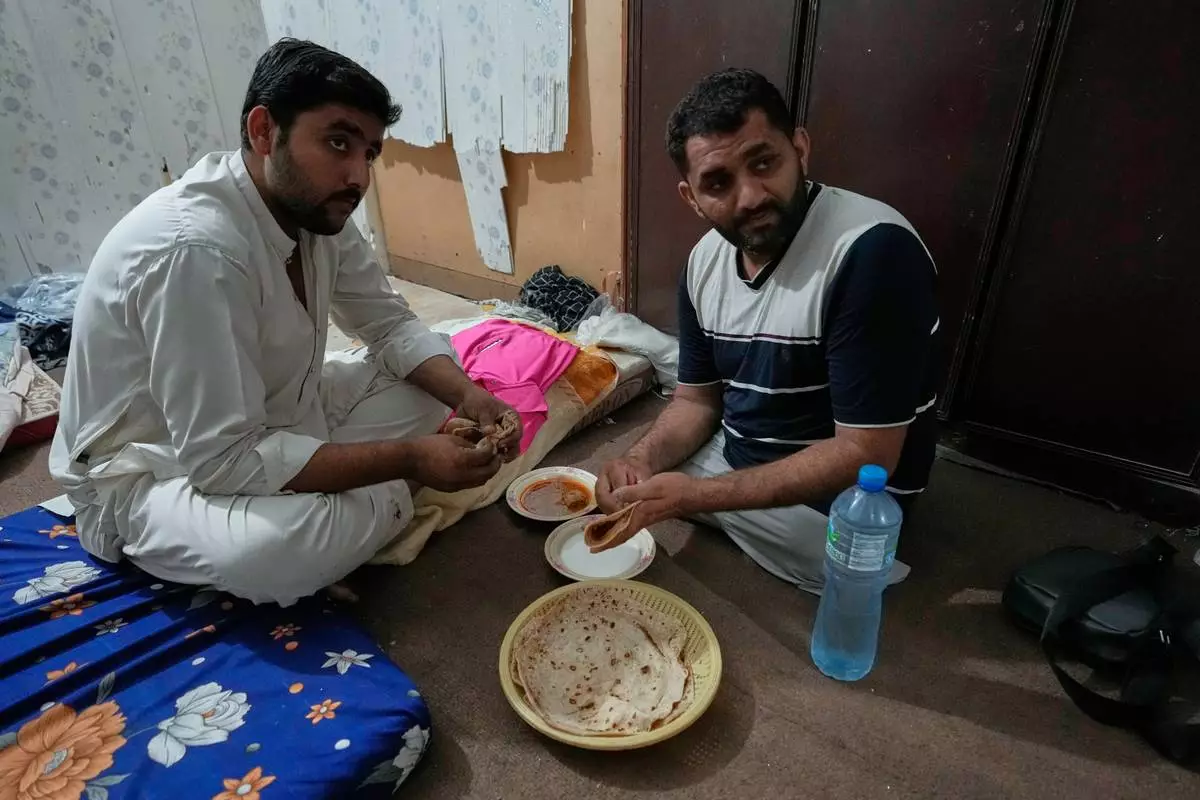
Hamza Ali, 28, who lost both legs in a road accident, eats a meal with his cousin, Mohammad Aftab, in his room in Islamabad, Pakistan, Tuesday, July 21, 2026. (AP Photo/Anjum Naveed)

Hamza Ali, 28, who lost both legs in a road accident, eats a meal with his cousin, Mohammad Aftab, in his room in Islamabad, Pakistan, Tuesday, July 21, 2026. (AP Photo/Anjum Naveed)

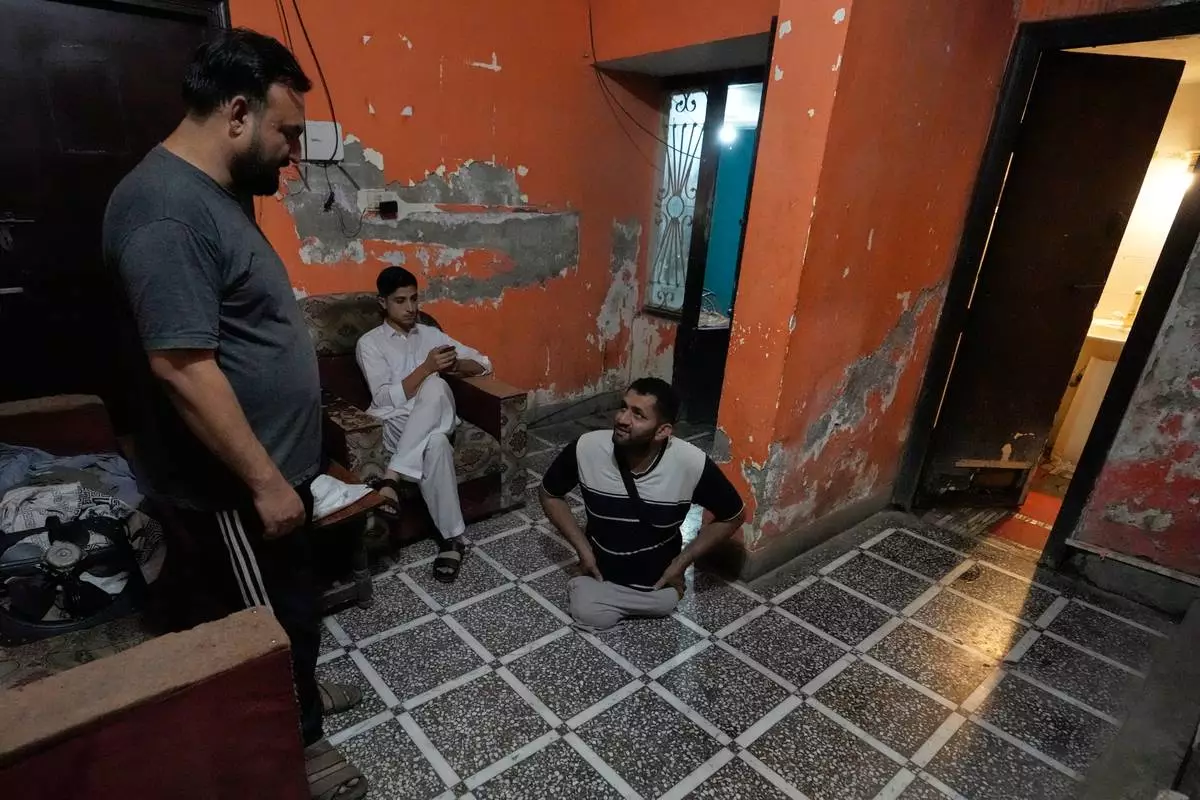
Hamza Ali, 28, who lost both legs in a road accident, spends time with his hostel mates, in Islamabad, Pakistan, Tuesday, July 21, 2026. (AP Photo/Anjum Naveed)

Hamza Ali, 28, who lost both legs in a road accident, spends time with his hostel mates, in Islamabad, Pakistan, Tuesday, July 21, 2026. (AP Photo/Anjum Naveed)

Hamza Ali, 28, who lost both legs in a road accident, moves up a flight of stairs to deliver food to a customer in Islamabad, Pakistan, Friday, July 17, 2026. (AP Photo/Anjum Naveed)

Hamza Ali, 28, who lost both legs in a road accident, moves up a flight of stairs to deliver food to a customer in Islamabad, Pakistan, Friday, July 17, 2026. (AP Photo/Anjum Naveed)

Hamza Ali, 28, who lost both legs in a road accident, delivers a meal order in Islamabad, Pakistan, Friday, July 17, 2026. (AP Photo/Anjum Naveed)

Hamza Ali, 28, who lost both legs in a road accident, delivers a meal order in Islamabad, Pakistan, Friday, July 17, 2026. (AP Photo/Anjum Naveed)

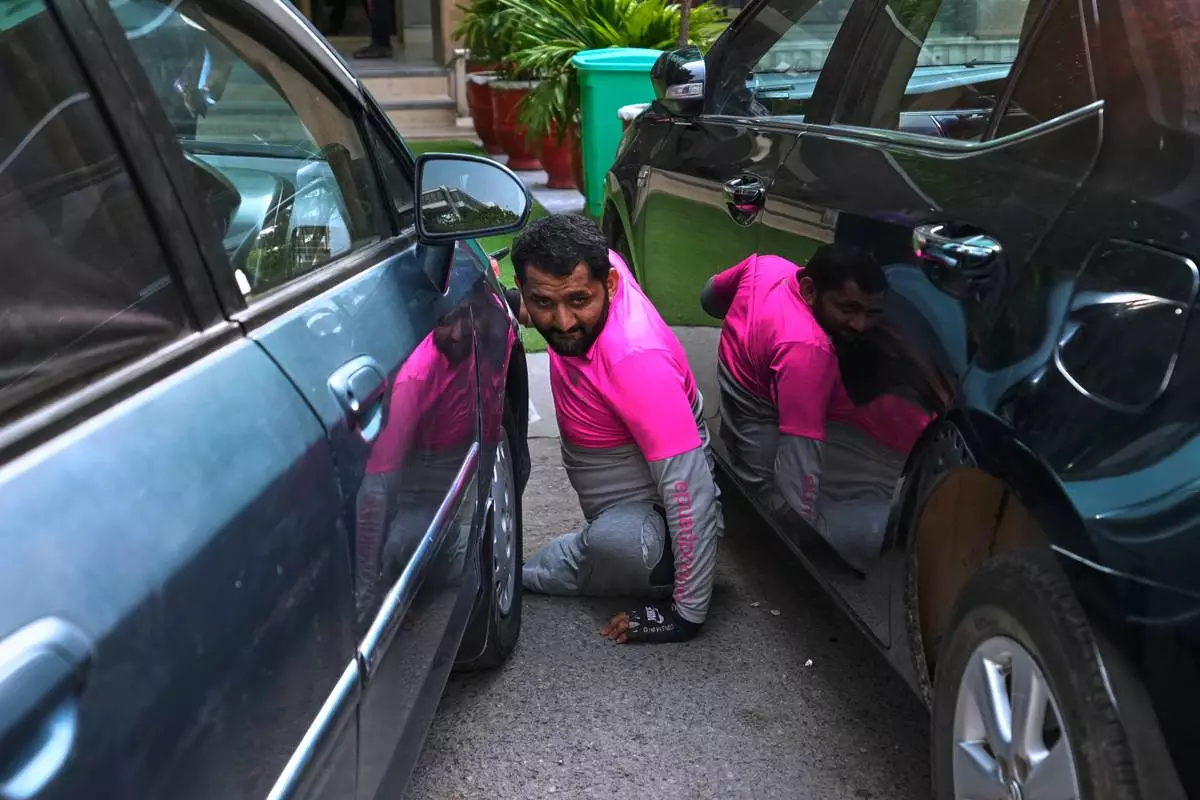
Hamza Ali, 28, who lost both legs in a road accident, navigates through parked cars after collecting a meal order from a food outlet for delivery in Islamabad, Pakistan, Friday, July 17, 2026. (AP Photo/Anjum Naveed)

Hamza Ali, 28, who lost both legs in a road accident, navigates through parked cars after collecting a meal order from a food outlet for delivery in Islamabad, Pakistan, Friday, July 17, 2026. (AP Photo/Anjum Naveed)

Hamza Ali, 28, who lost both legs in a road accident, leaves after collecting a meal order for delivery in Islamabad, Pakistan, Friday, July 17, 2026. (AP Photo/Anjum Naveed)

Hamza Ali, 28, who lost both legs in a road accident, leaves after collecting a meal order for delivery in Islamabad, Pakistan, Friday, July 17, 2026. (AP Photo/Anjum Naveed)

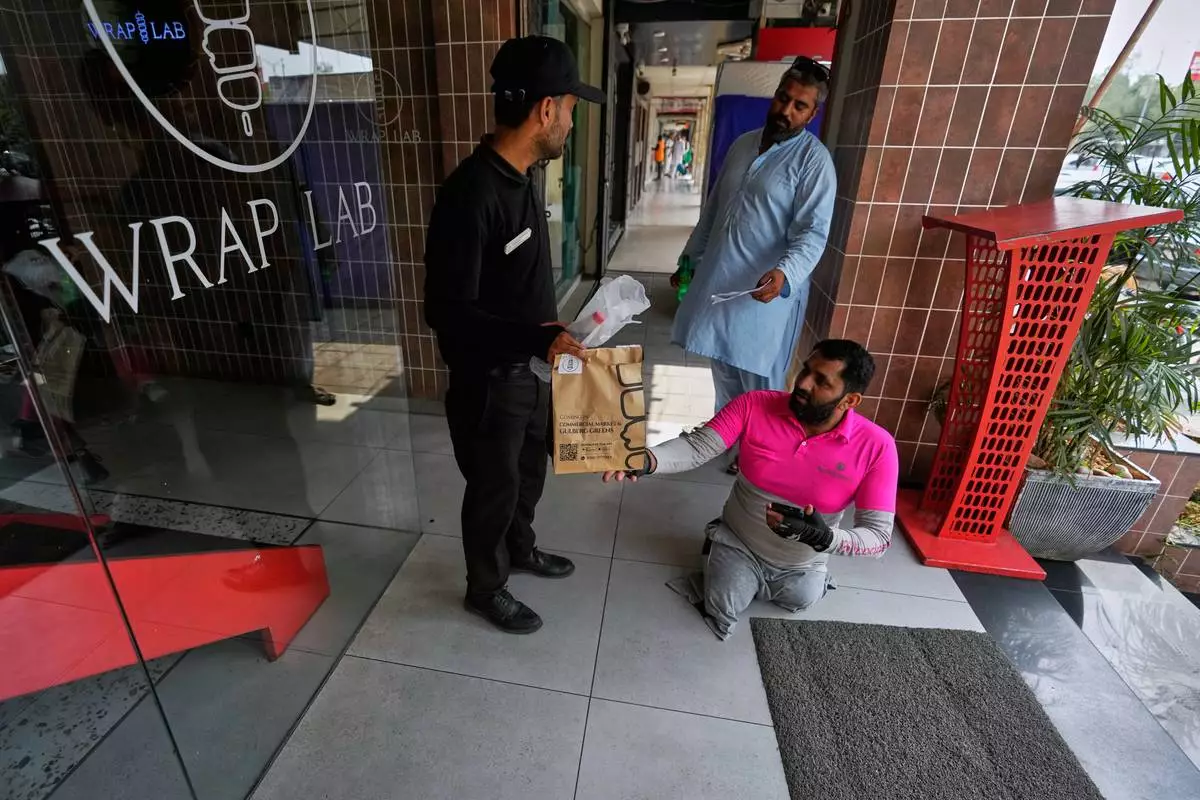
Hamza Ali, 28, who lost both legs in a road accident, collects a meal order from a food outlet to deliver to a customer in Islamabad, Pakistan, Friday, July 17, 2026. (AP Photo/Anjum Naveed)

Hamza Ali, 28, who lost both legs in a road accident, collects a meal order from a food outlet to deliver to a customer in Islamabad, Pakistan, Friday, July 17, 2026. (AP Photo/Anjum Naveed)

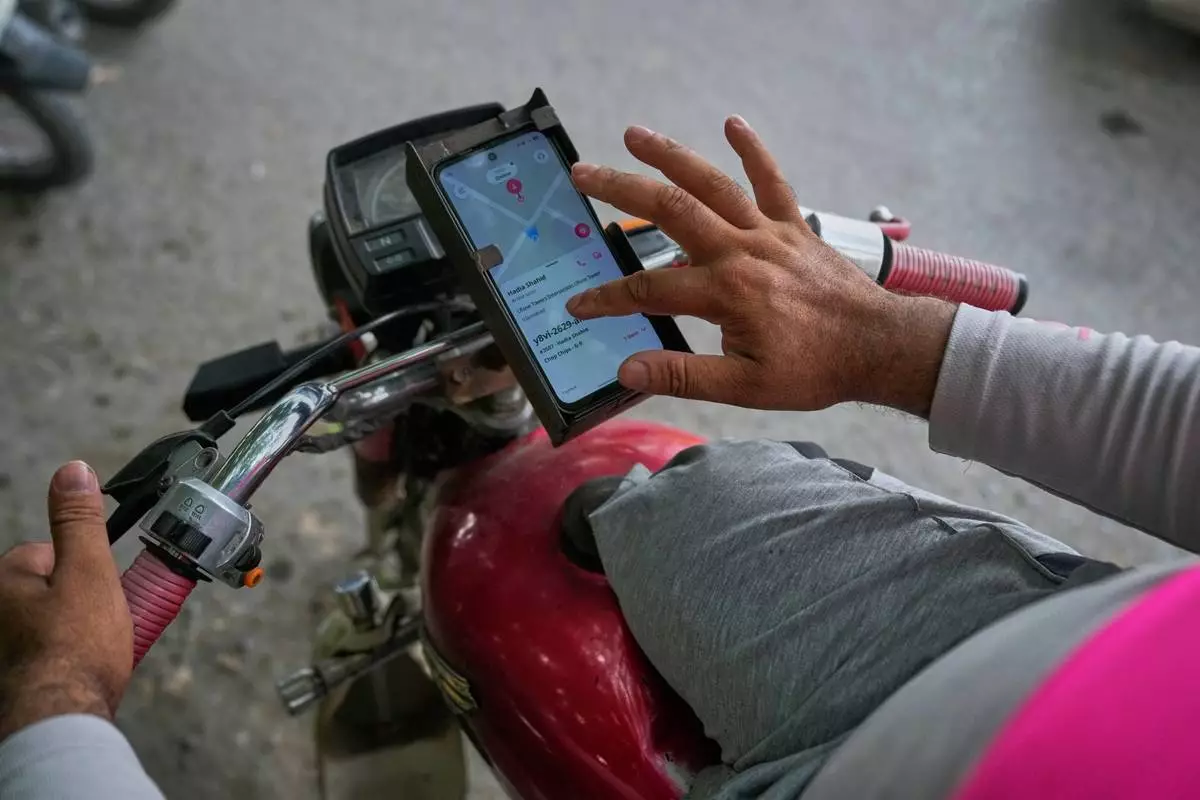
Hamza Ali, 28, who lost both legs in a road accident, uses a mobile app to communicate with a customer for a food delivery order in Islamabad, Pakistan, Friday, July 17, 2026. (AP Photo/Anjum Naveed)

Hamza Ali, 28, who lost both legs in a road accident, uses a mobile app to communicate with a customer for a food delivery order in Islamabad, Pakistan, Friday, July 17, 2026. (AP Photo/Anjum Naveed)

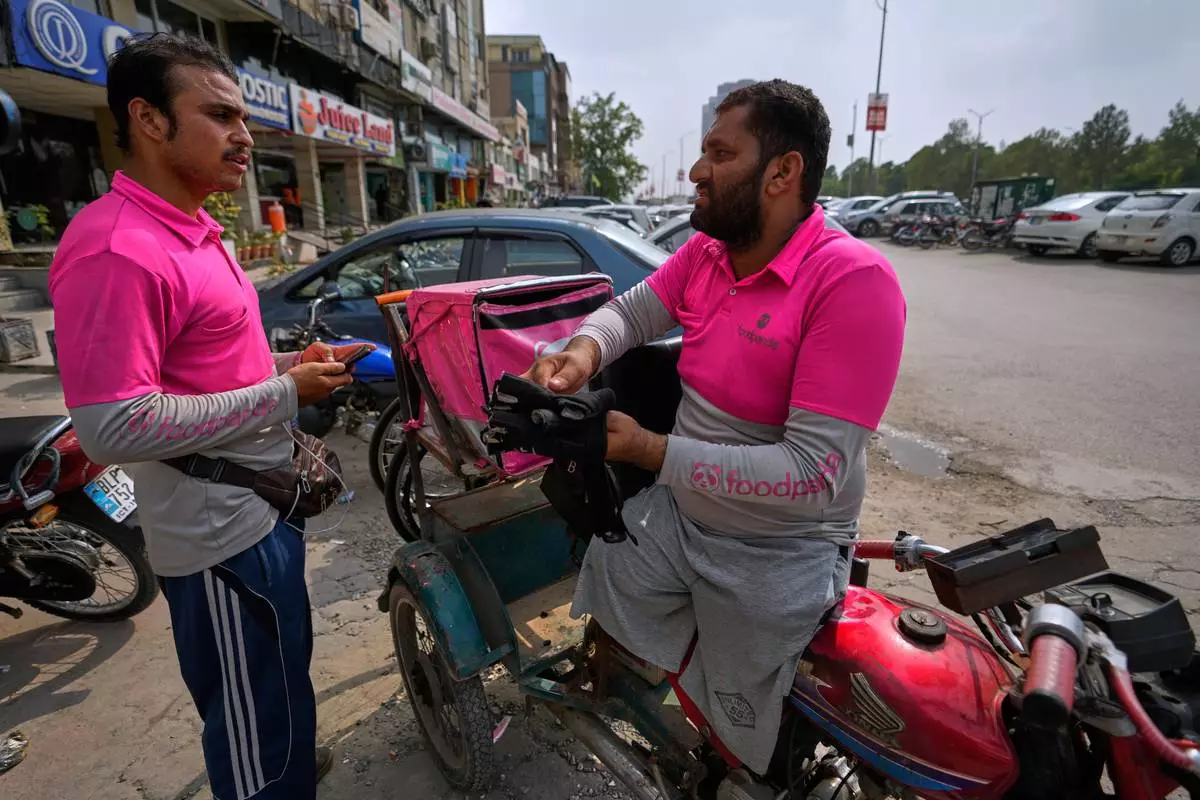
Hamza Ali, 28, who lost both legs in a road accident, speaks with a colleague as he leaves for a delivery order in Islamabad, Pakistan, Friday, July 17, 2026. (AP Photo/Anjum Naveed)

Hamza Ali, 28, who lost both legs in a road accident, speaks with a colleague as he leaves for a delivery order in Islamabad, Pakistan, Friday, July 17, 2026. (AP Photo/Anjum Naveed)

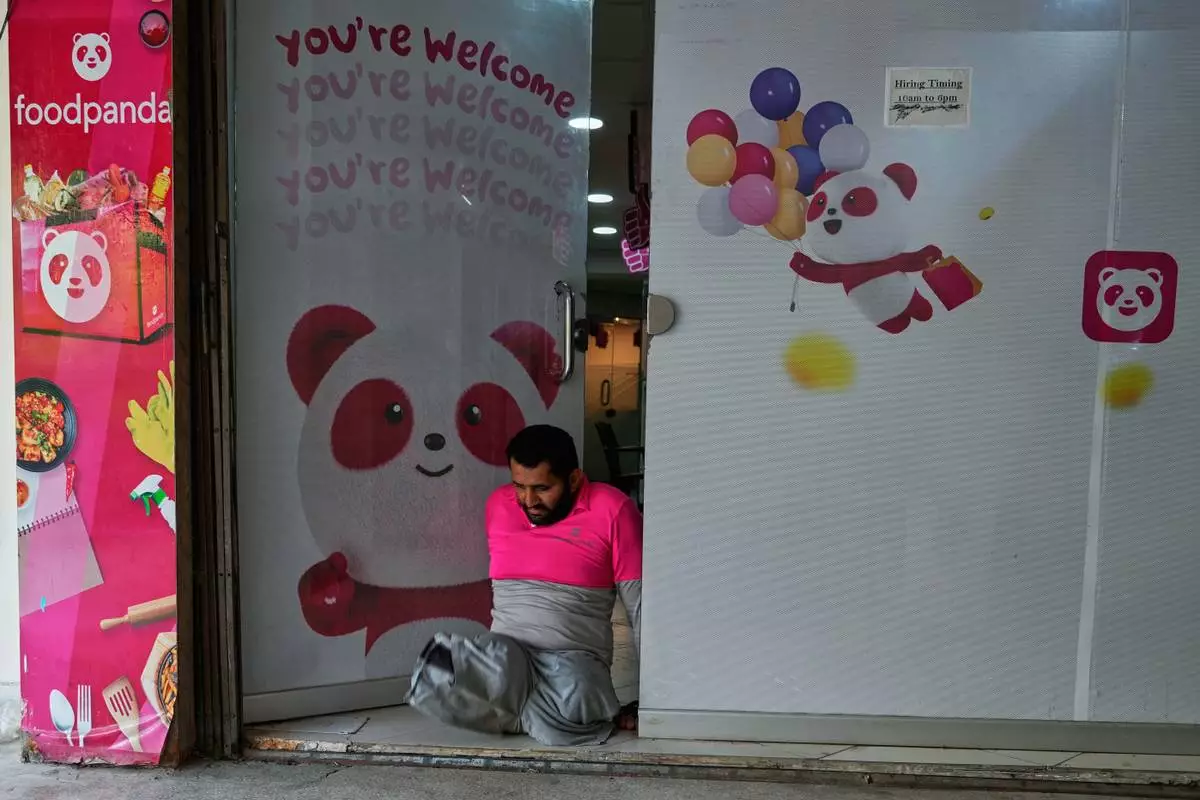
Hamza Ali, 28, who lost both legs in a road accident, leaves an office of foodpanda, a delivery platform, in Islamabad, Pakistan, Friday, July 17, 2026. (AP Photo/Anjum Naveed)

Hamza Ali, 28, who lost both legs in a road accident, leaves an office of foodpanda, a delivery platform, in Islamabad, Pakistan, Friday, July 17, 2026. (AP Photo/Anjum Naveed)

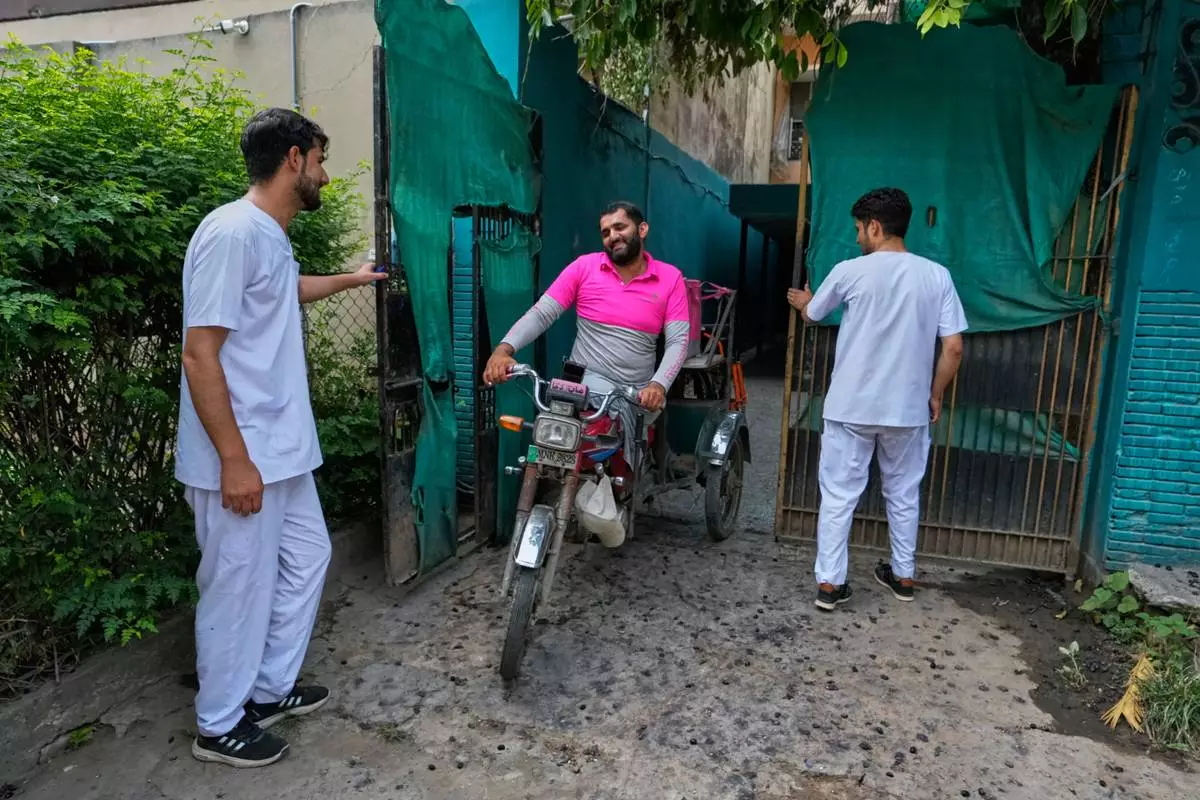
Hamza Ali, 28, who lost both legs in a road accident, leaves for work, with his roommates helping him with the gate in Islamabad, Pakistan, Friday, July 17, 2026. (AP Photo/Anjum Naveed)

Hamza Ali, 28, who lost both legs in a road accident, leaves for work, with his roommates helping him with the gate in Islamabad, Pakistan, Friday, July 17, 2026. (AP Photo/Anjum Naveed)

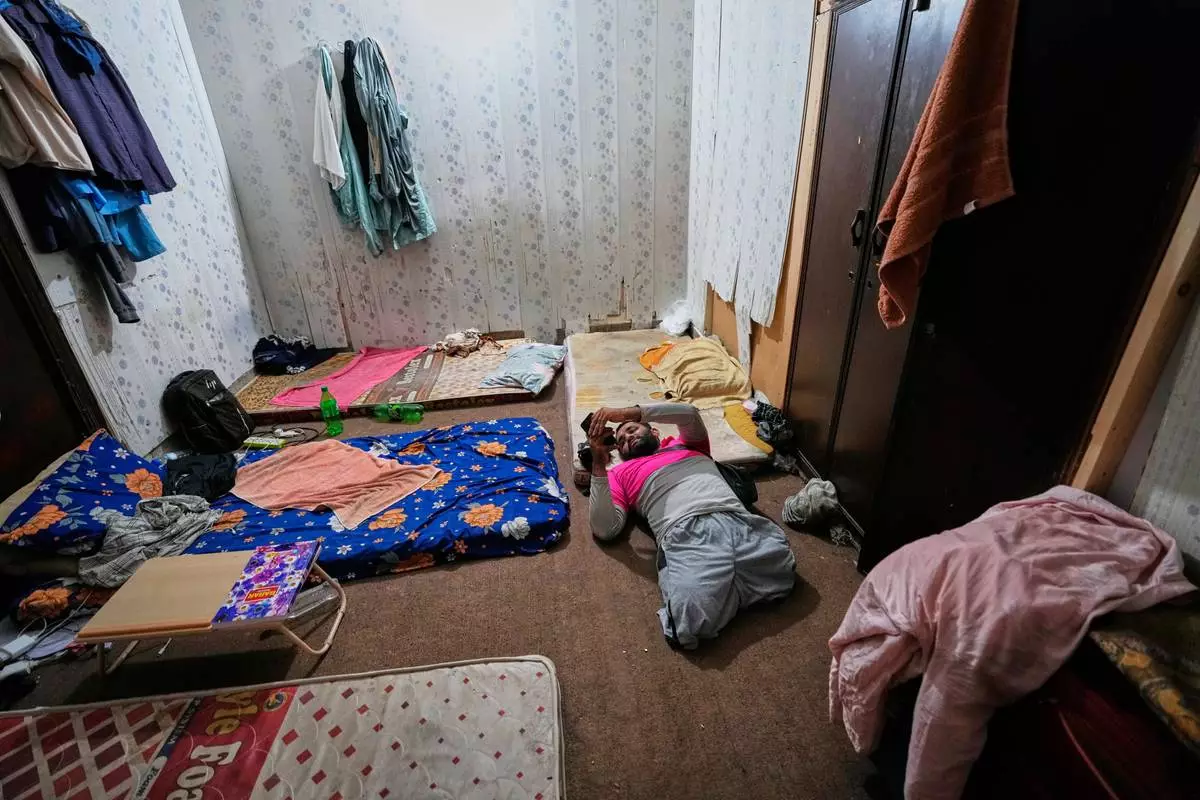
Hamza Ali, 28, who lost both legs in a road accident, rests before leaving for work in Islamabad, Pakistan, Friday, July 17, 2026. (AP Photo/Anjum Naveed)

Hamza Ali, 28, who lost both legs in a road accident, rests before leaving for work in Islamabad, Pakistan, Friday, July 17, 2026. (AP Photo/Anjum Naveed)

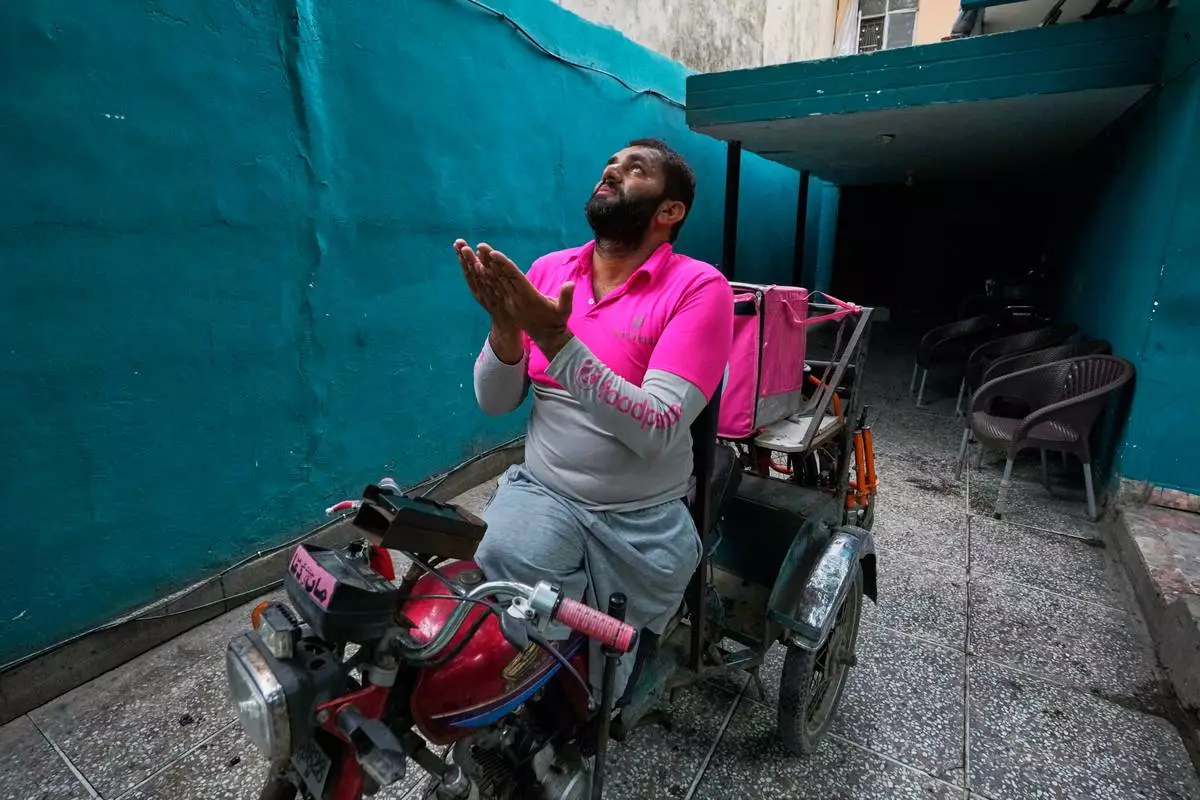
Hamza Ali, 28, who lost both legs in a road accident, prays before leaving for work in Islamabad, Pakistan, Friday, July 17, 2026. (AP Photo/Anjum Naveed)

Hamza Ali, 28, who lost both legs in a road accident, prays before leaving for work in Islamabad, Pakistan, Friday, July 17, 2026. (AP Photo/Anjum Naveed)

Recommended Articles