After departing Weixin, the media delegation from the Guangdong-Hong Kong-Macao Greater Bay Area continued its "Retracing the Long March" reporting trip in Kunming, Yunnan. There, they visited the Yunnan Military Academy Museum and the Museum of the Southwestern Associated University, the two institutions that nurtured generations of talent for national salvation and development.
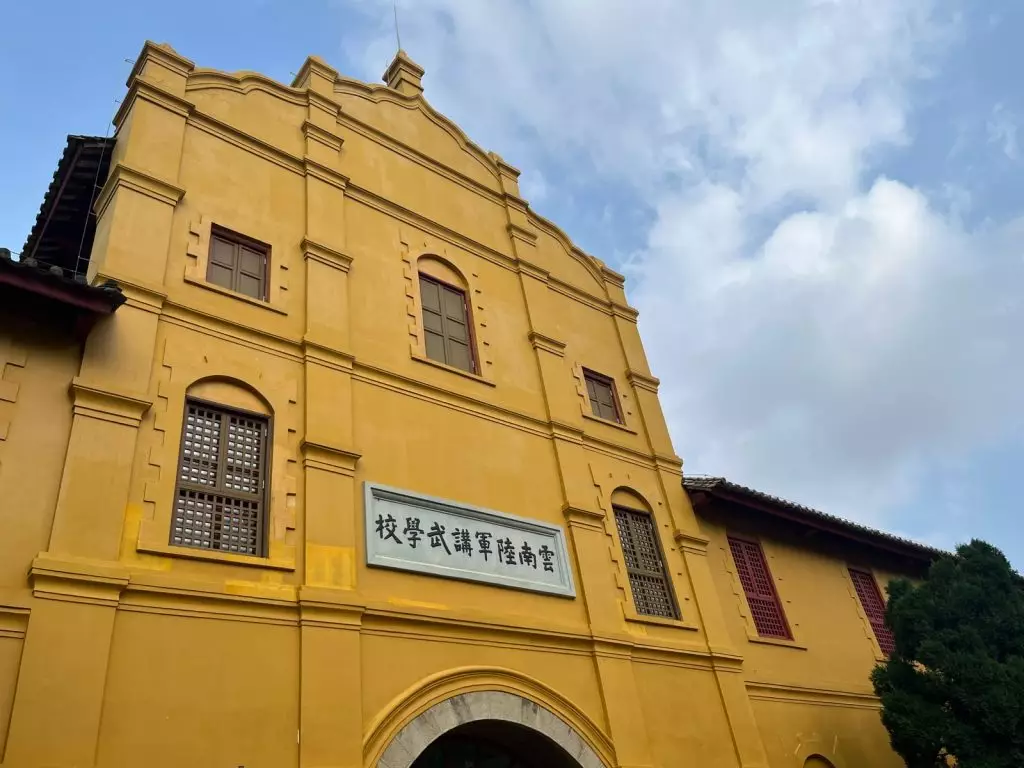
The Yunnan Military Academy Museum, Photo by Bastille Post
Founded in 1909, the Yunnan Military Academy is renowned as the “cradle of generals.” It was one of China’s most prestigious military academies, where generals who later joined the Red Army and became key founders of the People’s Liberation Army, including Zhu De, Ye Jianying, and Luo Binghui, all studied here.
Click to Gallery
The Yunnan Military Academy Museum, Photo by Bastille Post
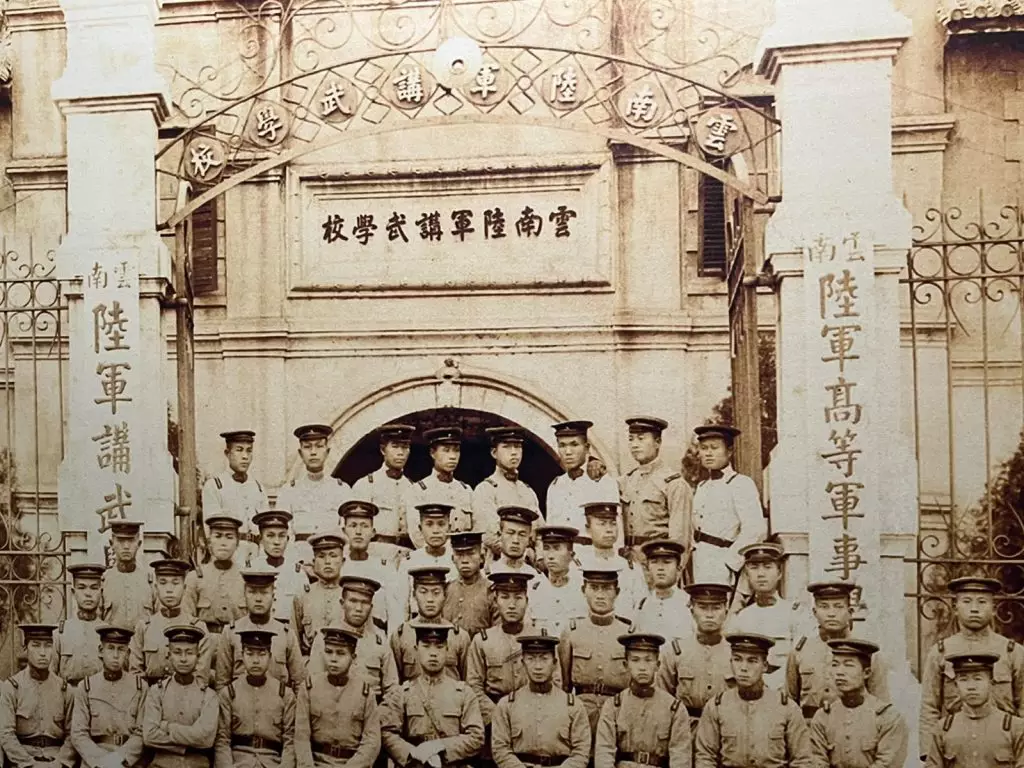
Founded in 1909, the Yunnan Military Academy is renowned as the “cradle of generals.” Photo by Bastille Post
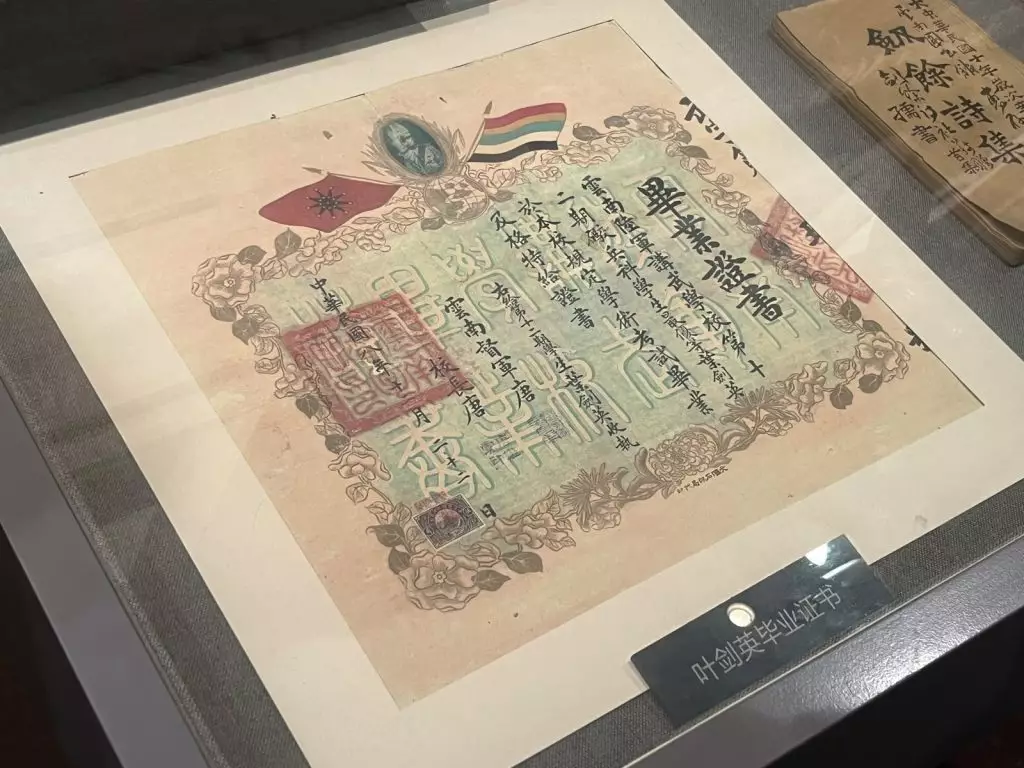
Ye Jianying‘s graduation certificate, Photo by Bastille Post
Xie Rui said that students at the time were already making explosive and incendiary devices in the laboratory. Photo by Bastille Post
The Museum of the Southwestern Associated University, Photo by Bastille Post
Feng Ying, Photo by Bastille Post
Helping companions remove corns from their feet became a common daily task due to the long distance. Photo by Bastille Post
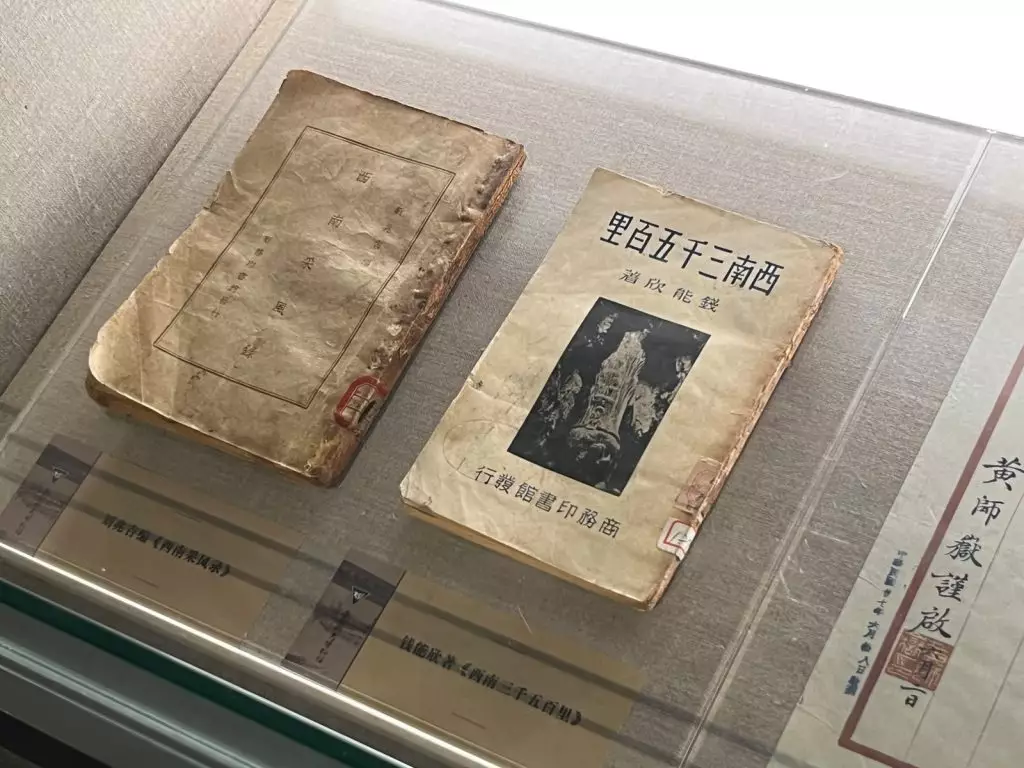
Along the way, the teachers and students recorded the landscapes and local life. Photo by Bastille Post
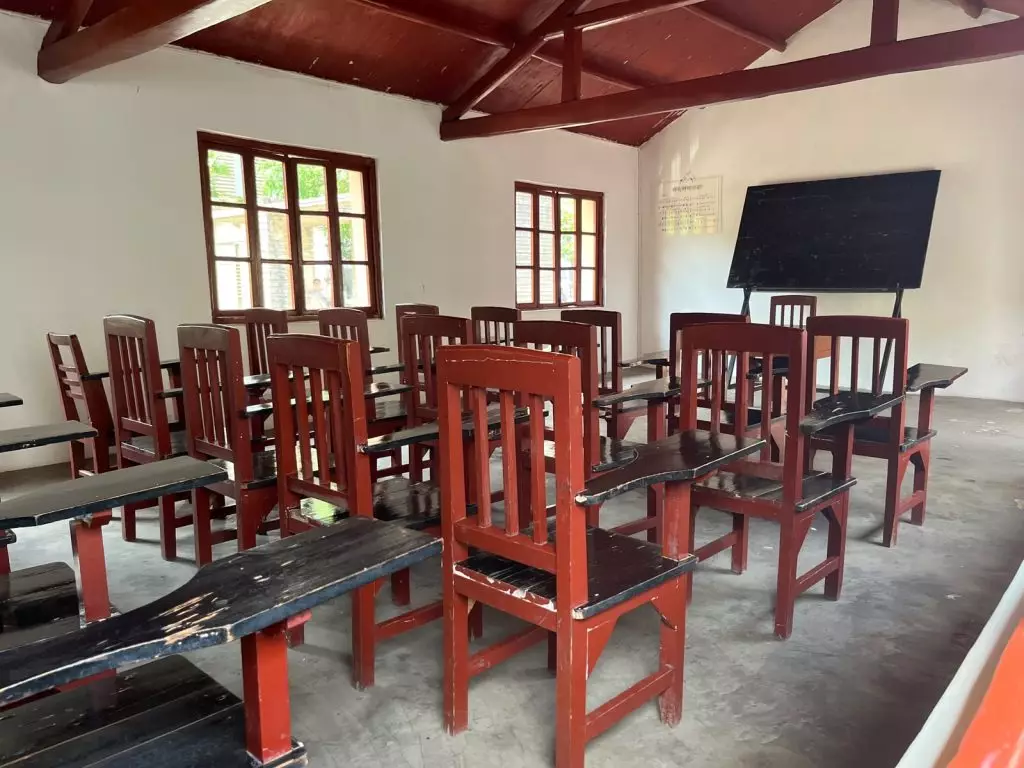
A replica of a classroom from the period, Photo by Bastille Post
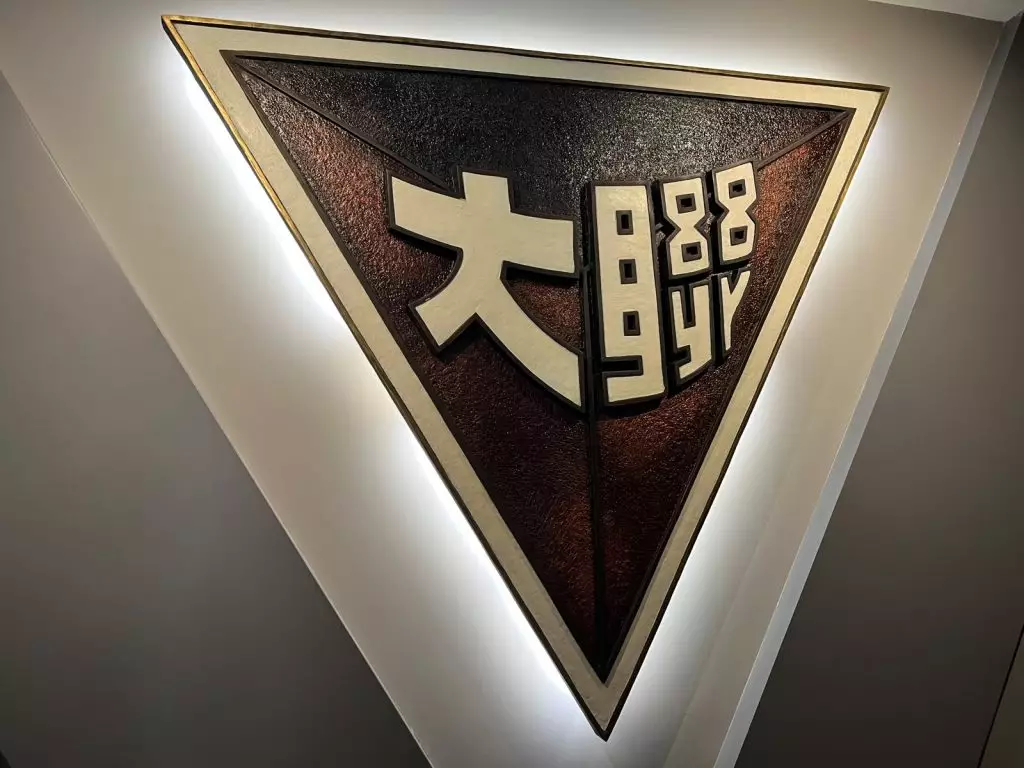
The Museum of the Southwestern Associated University, Photo by Bastille Post
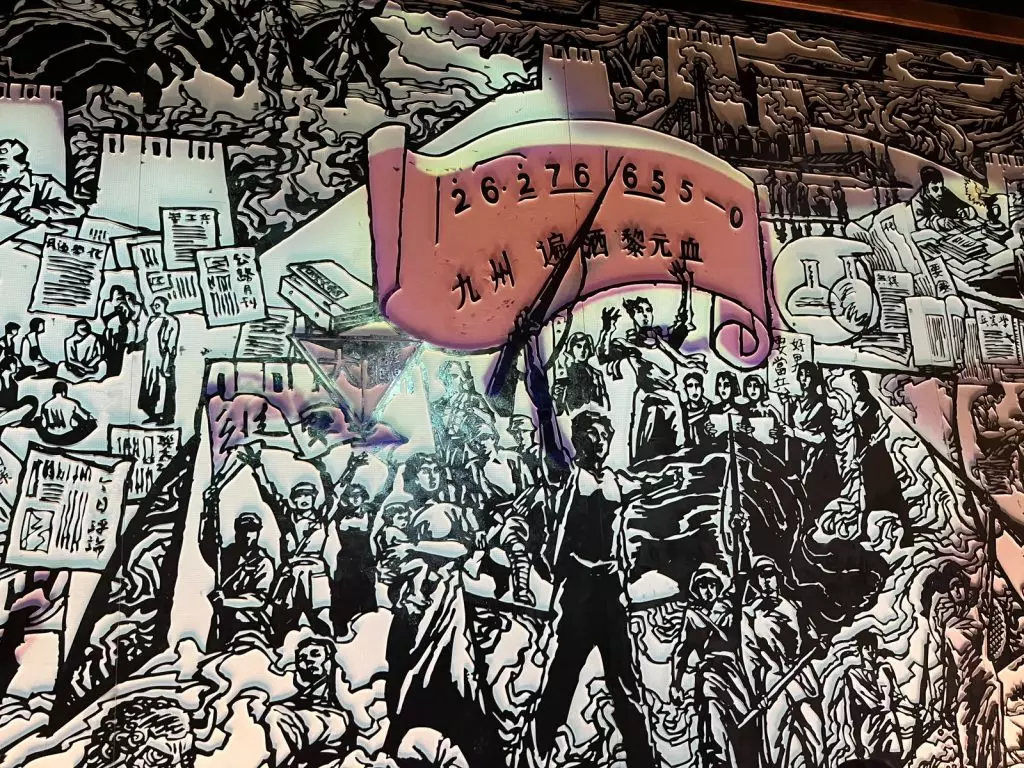
The Museum of the Southwestern Associated University, Photo by Bastille Post
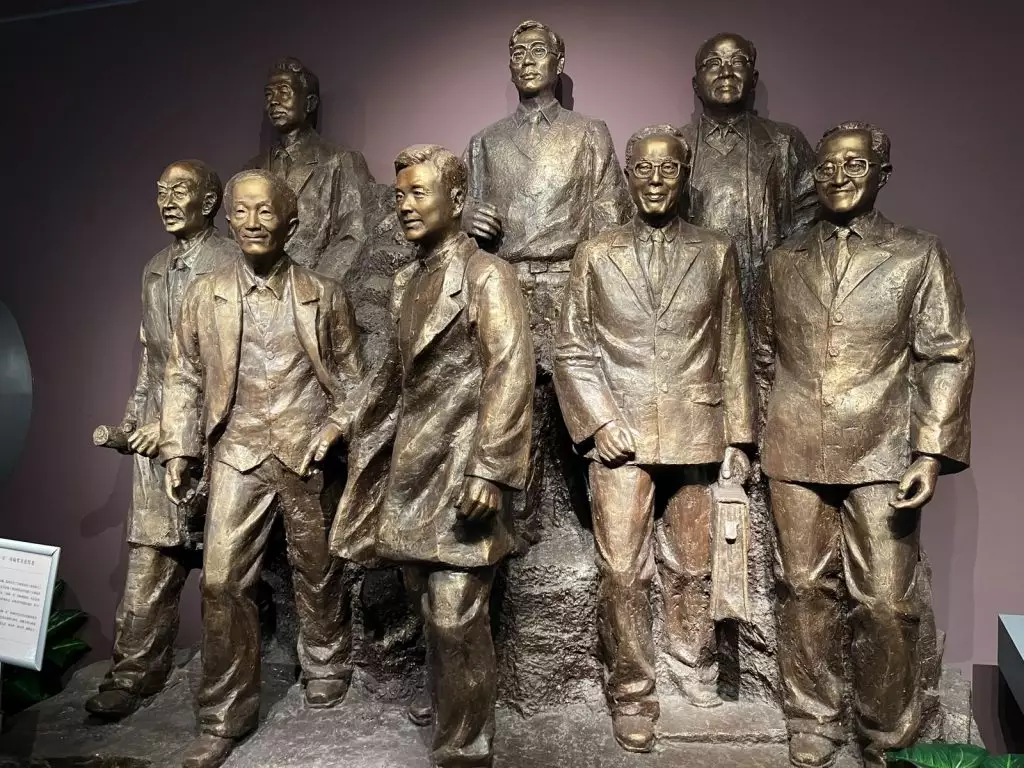
The Southwestern Associated University nurtured two Nobel laureates, eight scientists who made outstanding contributions to China's “Two Bombs and One Satellite” project, and more than 170 academicians, building a foundation of talent that would prove invaluable for national rejuvenation. Photo by Bastille Post
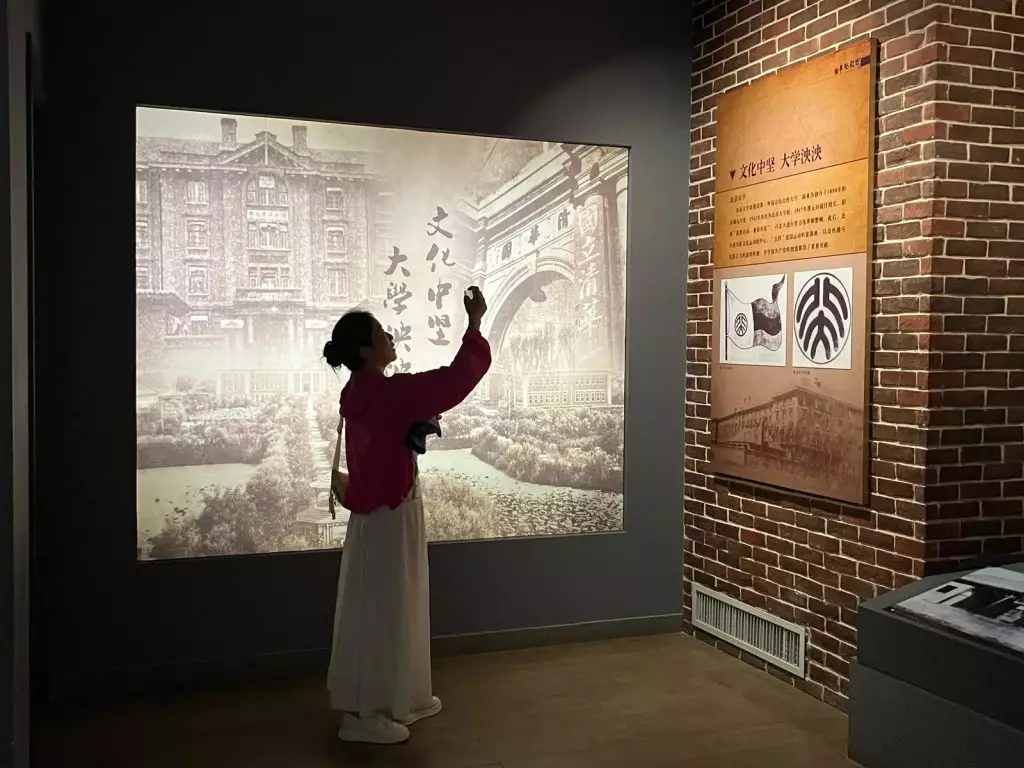
The visitor at the Museum of the Southwestern Associated University, Photo by Bastille Post
Founded in 1909, the Yunnan Military Academy is renowned as the “cradle of generals.” Photo by Bastille Post
The academy’s curriculum was rigorous and comprehensive, with officers personally instructing students. In addition to military drills, it offered courses in economics, English, and French, etc. “Graduates from here were fluent in three languages,” said Xie Rui, a guide at the Yunnan Military Academy Museum. Students studied theory in the morning and engaged in practical exercises in the afternoon, ensuring the integration of both knowledge and practice.
Ye Jianying‘s graduation certificate, Photo by Bastille Post
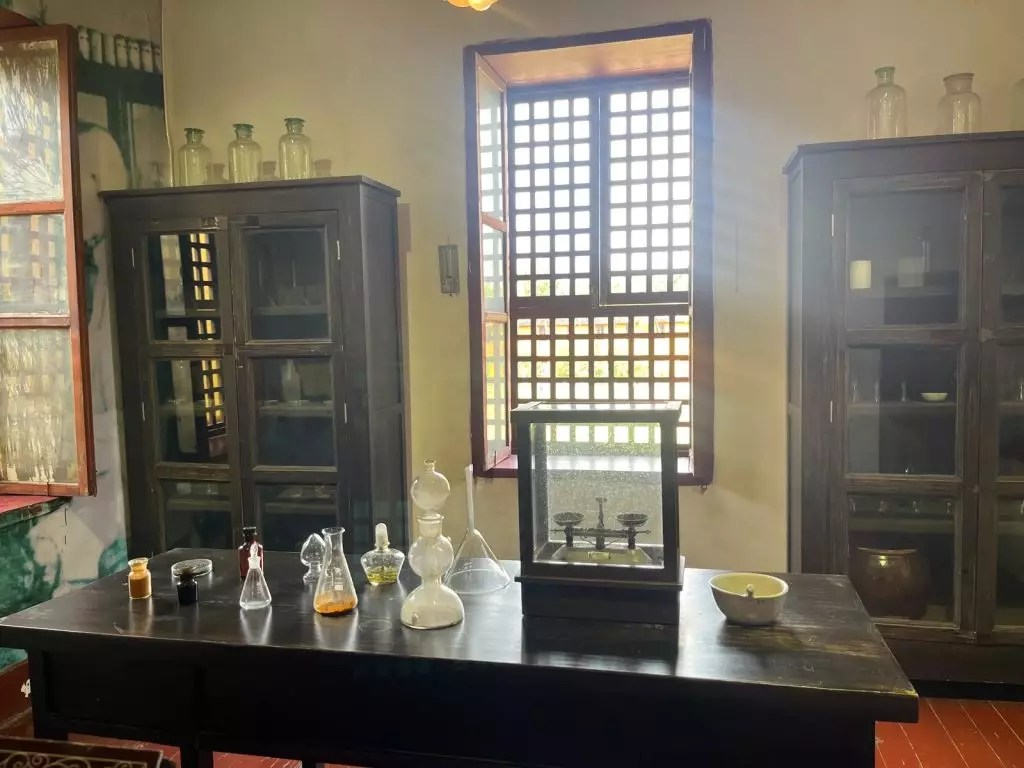
The academy boasted excellent facilities, including a library, a post office, and a laboratory. Xie Rui said that students at the time were already making explosive and incendiary devices in the laboratory.
Xie Rui said that students at the time were already making explosive and incendiary devices in the laboratory. Photo by Bastille Post
When Ye Jianying, Zhu De, and others later joined the Red Army, they brought this training system, emphasising both academic cultivation and combat readiness, into the revolutionary ranks.
As the Red Army’s Long March shifted from a strategic retreat to a northward march against Japanese aggression, the training these generals had received was put to use on the anti‑Japanese front.
The Museum of the Southwestern Associated University, Photo by Bastille Post
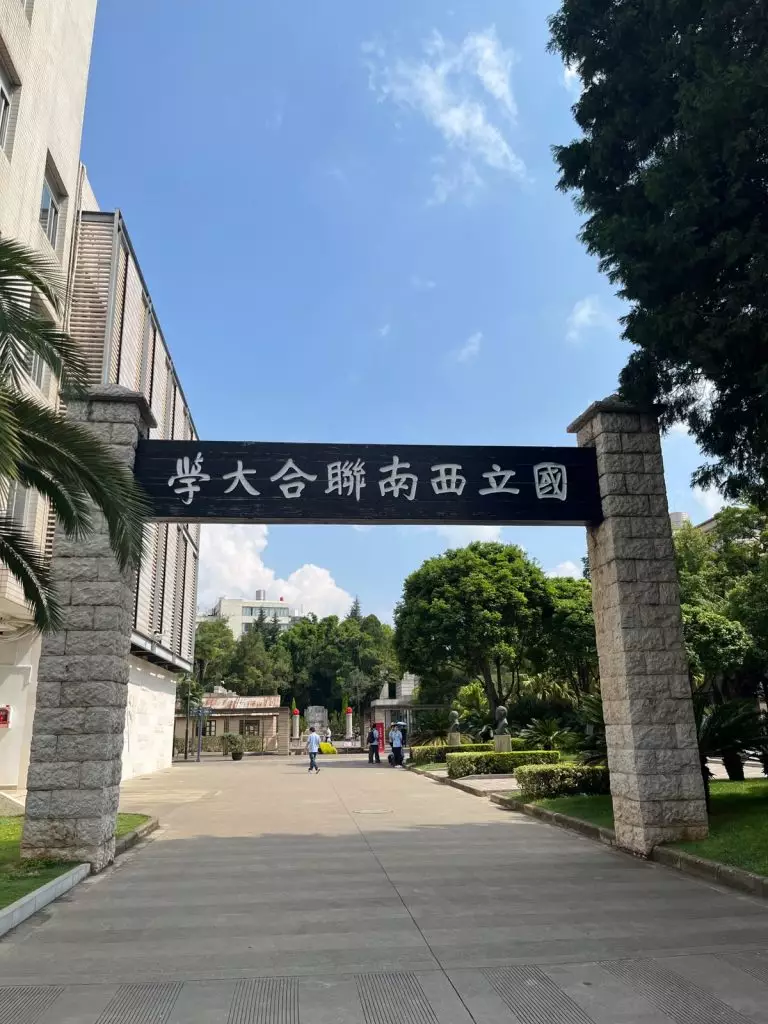
The Southwestern Associated University, born out of the same national crisis, was established amid war in 1937. When Japanese forces destroyed the campuses of Peking University, Tsinghua University, and Nankai University, the three institutions first relocated to Changsha to form a temporary university, then moved west to Kunming in three separate routes to preserve the nation’s educational and cultural lifeline.
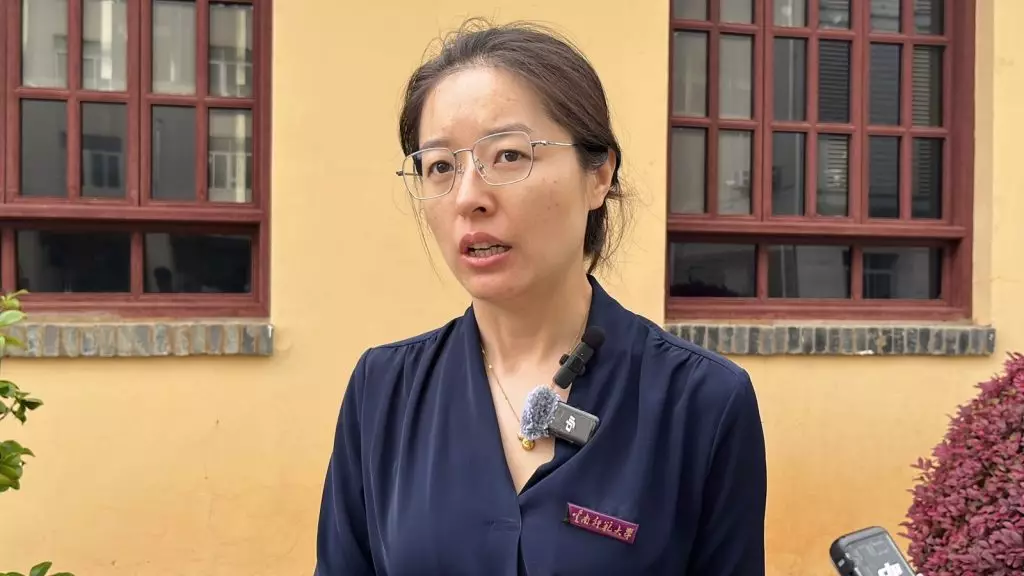
Feng Ying, Photo by Bastille Post
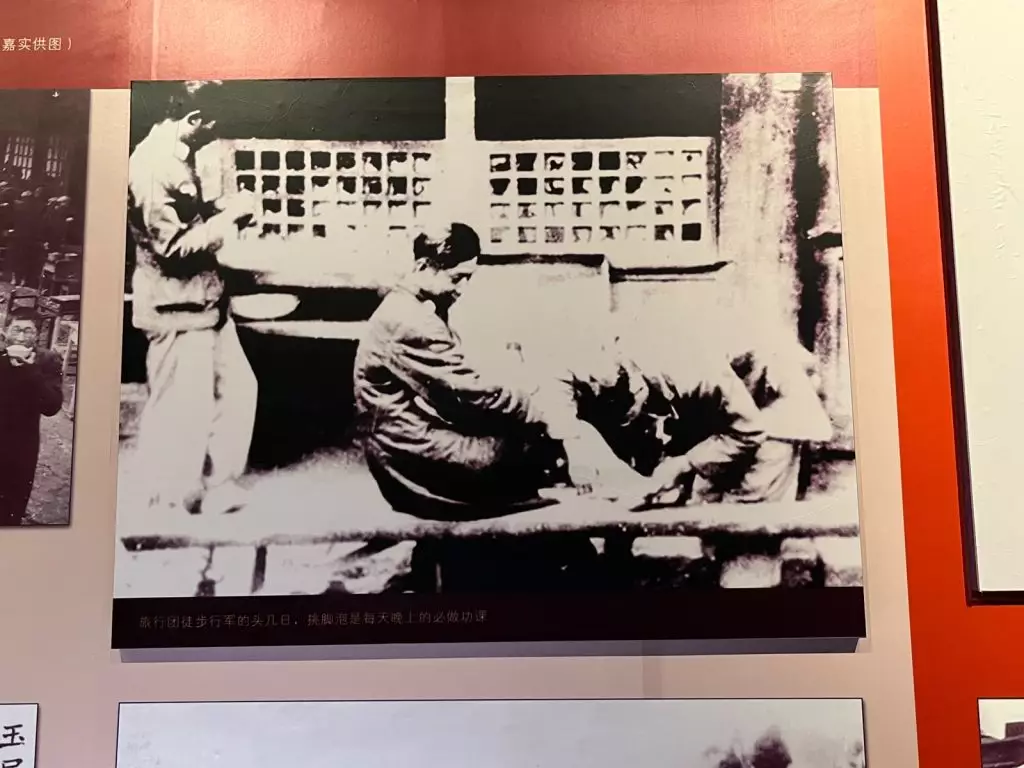
Feng Ying, a guide at the Museum of the Southwestern Associated University, said the journey was exceptionally arduous. More than 250 teachers and students formed the “Hunan‑Guizhou‑Yunnan Travel Group,” travelling approximately 1,600 kilometres over 68 days through the mountains and rivers of western Hunan, Guizhou, and Yunnan. She explained that helping companions remove corns from their feet became a common daily task due to the long distance.
Helping companions remove corns from their feet became a common daily task due to the long distance. Photo by Bastille Post
Braving wind and rain, traversing treacherous roads, and dodging air raids, the teachers and students supported one another along the way, recording the landscapes, exploring local customs, and finally arriving in Kunming. They preserved a glimmer of academic spirit for a nation in peril. Their journey became known as the “Educational Long March.”
Along the way, the teachers and students recorded the landscapes and local life. Photo by Bastille Post
Feng Ying noted that during the War of Resistance, funds were extremely scarce. Most buildings had mud walls and thatched roofs, with only classrooms barely covered with corrugated iron sheets. But Kunming is rainy, and when heavy rain came, the sound of raindrops hitting the iron sheets often drowned out the lectures.
A replica of a classroom from the period, Photo by Bastille Post
She recalled an occasion when Professor Chen Daisun was lecturing, and a sudden downpour began. The rain drowned out his voice; raising it was futile, so he turned to the blackboard and wrote: “Class Suspended. Enjoy the Rain.” Teachers and students sat quietly, listening to the rain fall. She remarked that even in the midst of turmoil, one must always maintain composure and optimism.
The Museum of the Southwestern Associated University, Photo by Bastille Post
The Museum of the Southwestern Associated University, Photo by Bastille Post
Enemy planes may have destroyed buildings, but they could not destroy the spirit of scholarship. In such humble surroundings, the Southwestern Associated University nurtured two Nobel laureates, eight scientists who made outstanding contributions to China's “Two Bombs and One Satellite” project, and more than 170 academicians, building a foundation of talent that would prove invaluable for national rejuvenation.
The Southwestern Associated University nurtured two Nobel laureates, eight scientists who made outstanding contributions to China's “Two Bombs and One Satellite” project, and more than 170 academicians, building a foundation of talent that would prove invaluable for national rejuvenation. Photo by Bastille Post
China’s strength today stands on the shoulders of those who persevered through hardship. Their stories have not faded with time. Like Feng Ying, she has spent years conducting oral history interviews, hoping to fill the gaps in the archival record and preserve the voices of those who lived through that era.
Feng Ying said that over her six years at the museum, she has interviewed more than twenty alumni of the Southwestern Associated University. “This work is time‑sensitive,” she said, “as many alumni have already passed away.” She believes that first‑hand stories are often more vivid than written records, and that these personal accounts give the museum's exhibitions a deeper human dimension.
The visitor at the Museum of the Southwestern Associated University, Photo by Bastille Post
She noted that in recent years, many young visitors from the Greater Bay Area, and even from Taiwan, have come to the museum for study tours, “almost every two to three weeks.” They are visibly moved by the old photographs and often engage in thoughtful discussion. She hopes the Museum of the Southwestern Associated University can serve as a bridge for fostering cross‑strait exchange and mutual understanding.