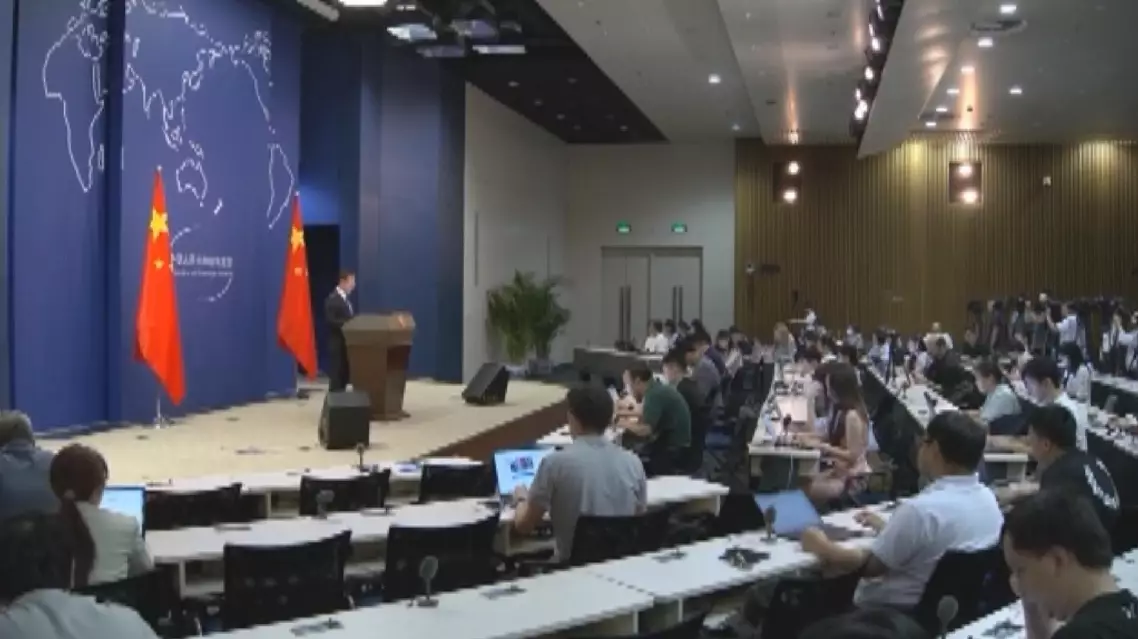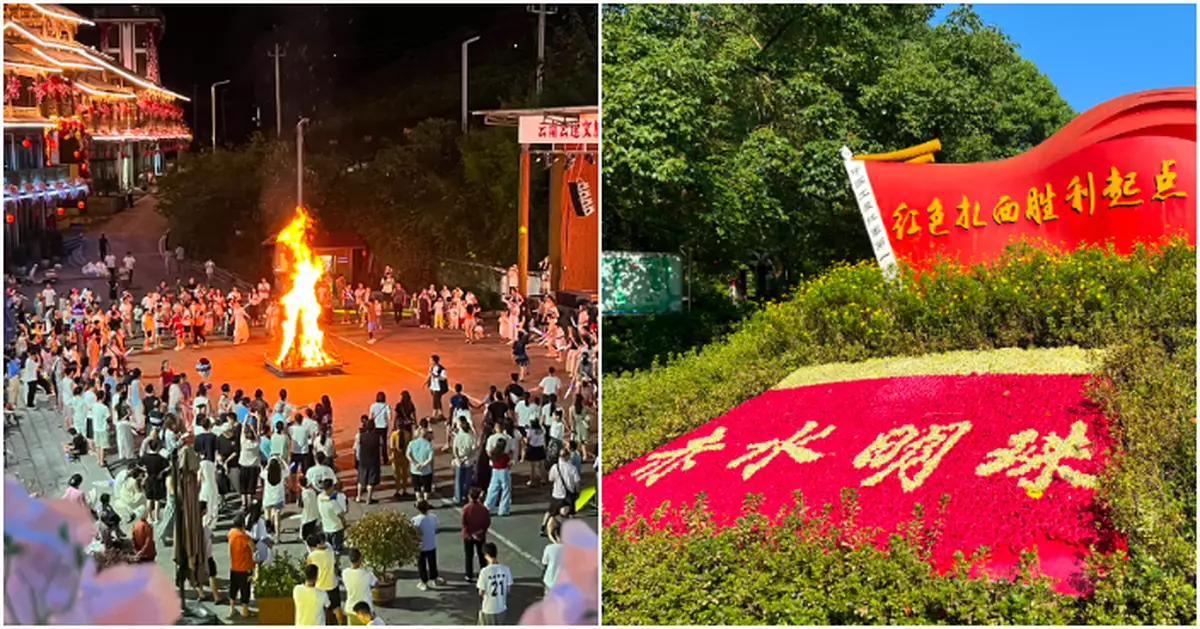
The media delegation from the Guangdong-Hong Kong-Macao Greater Bay Area continued its "Retracing the Long March" reporting trip in Weixin, Yunnan, after departing Guizhou. They visited the Dapingshang Scenic Area, Zaxi Old Street and the Zaxi Conference Memorial Museum, experiencing first-hand the deep integration of revolutionary history, ethnic culture and rural tourism.
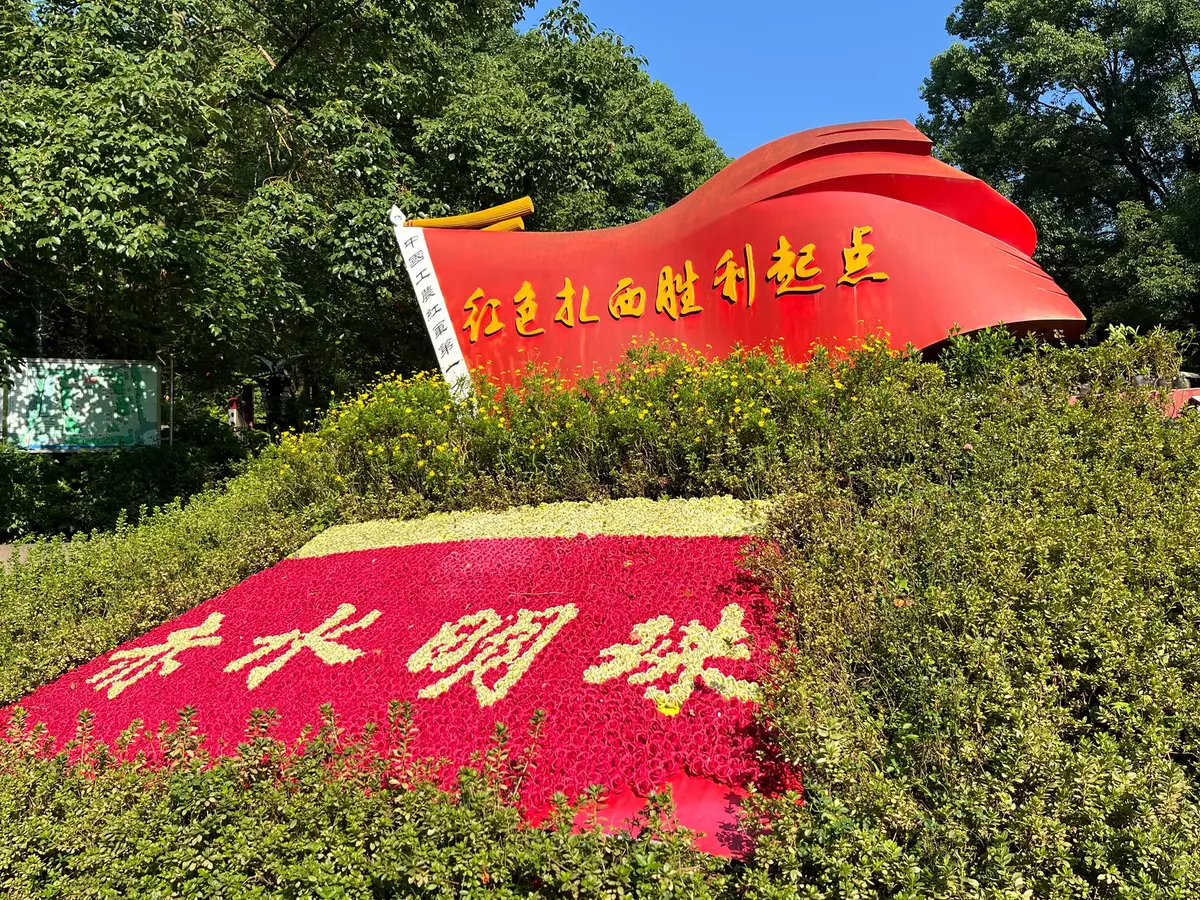
Weixin County in Yunnan (previously known as Zaxi) is thus hailed as the “starting point of victory.” Photo by Bastille Post
Weixin was formerly known as Zaxi. Since the Central Red Army held the Zaxi Conference there, “Zaxi” became a name synonymous with the county. While the Zunyi Conference marked a strategic turning point in the Red Army’s Long March, key decisions, including the reorganisation of the Standing Committee and troop reductions, were not fully implemented until the Zaxi Conference. Following the conference, the Red Army crossed the Chishui River twice, capturing Tongzi and Loushan Pass, and retaking Zunyi within half a month, securing its first major victory since the start of the Long March. Zaxi is thus hailed as the “starting point of victory.”
Click to Gallery
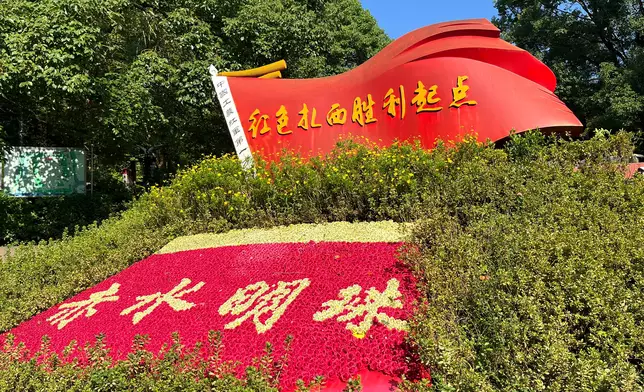
Weixin County in Yunnan (previously known as Zaxi) is thus hailed as the “starting point of victory.” Photo by Bastille Post

The Zaxi Conference Memorial Museum, Photo by Bastille Post

The Zaxi Conference Memorial Museum, Photo by Bastille Post
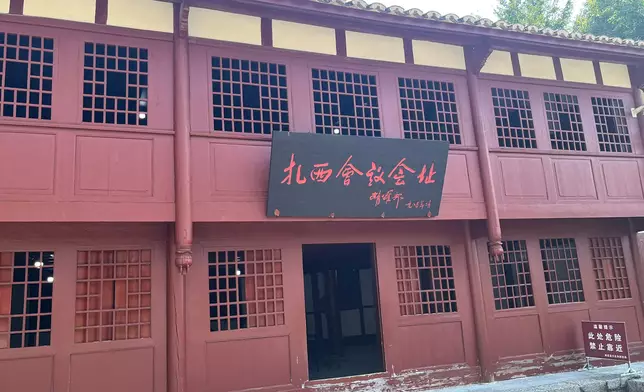
The historical site of Zaxi Conference, Photo by Bastille Post
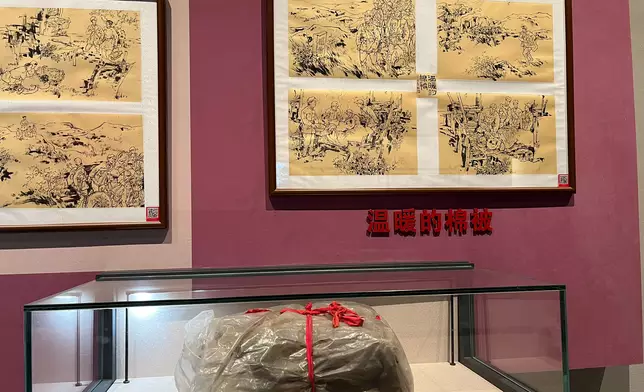
The quilt offered by Xu Ce is displayed in the memorial museum as a symbol of the close bond between the Red Army and the Miao community. Photo by Bastille Post
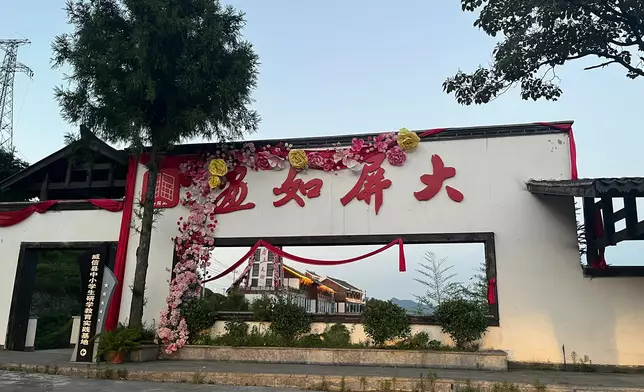
The Dapingshang Scenic Area, Photo by Bastille Post

Shen Chunbo, Photo by Bastille Post
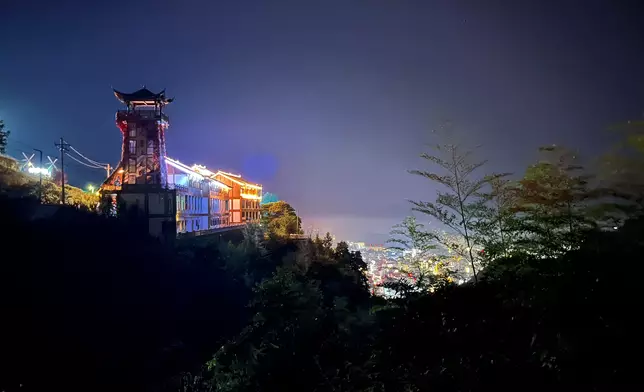
The Dapingshang Scenic Area after nightfall, Photo by Bastille Post

The Dapingshang Scenic Area after nightfall, Photo by Bastille Post
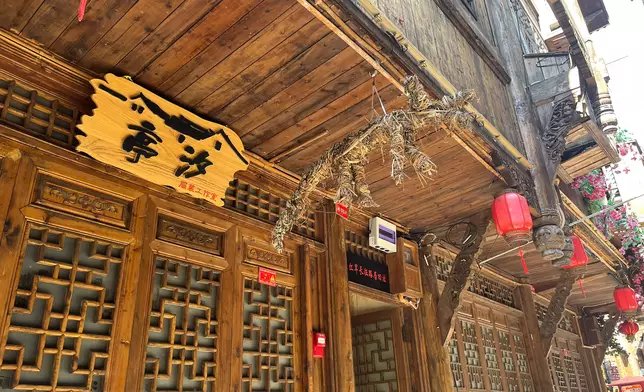
The Zaxi Old Street, Photo by Bastille Post
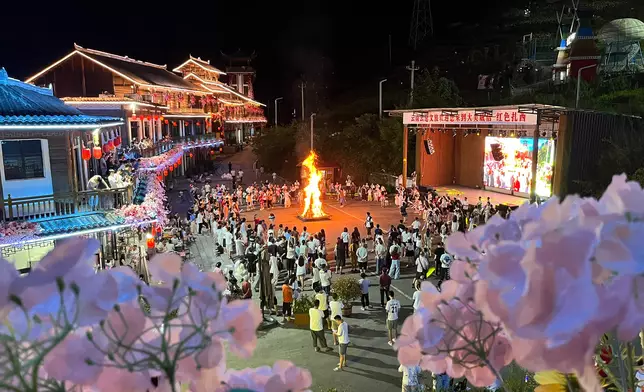
As night falls, a bonfire party lights up the mountains, creating a lively atmosphere at the Dapingshan Scenic Area. Photo by Bastille Post
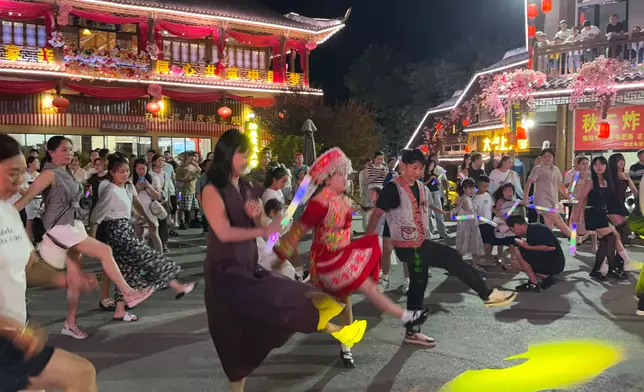
Strangers to one another, visitors still join hands and dance under the night sky. Photo by Bastille Post
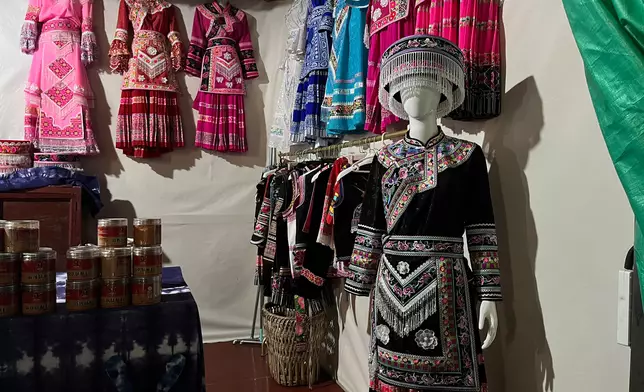
The Miao ethnic costumes sold at the scenic area, Photo by Bastille Post

The scenic area also has designated spaces for villagers to set up stalls and sell their own agricultural products and local snacks. Photo by Bastille Post
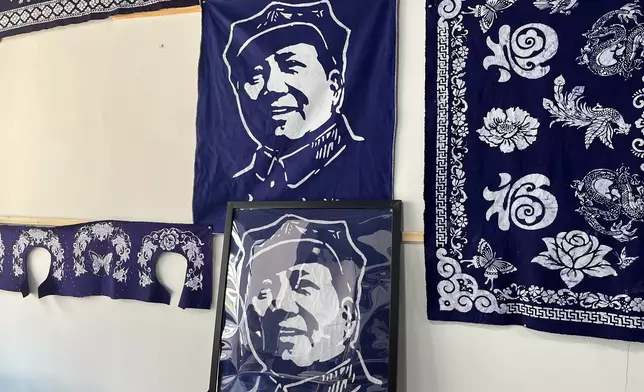
The blending of Miao batik with red culture, Photo by Bastille Post

The Zaxi Conference Memorial Museum, Photo by Bastille Post
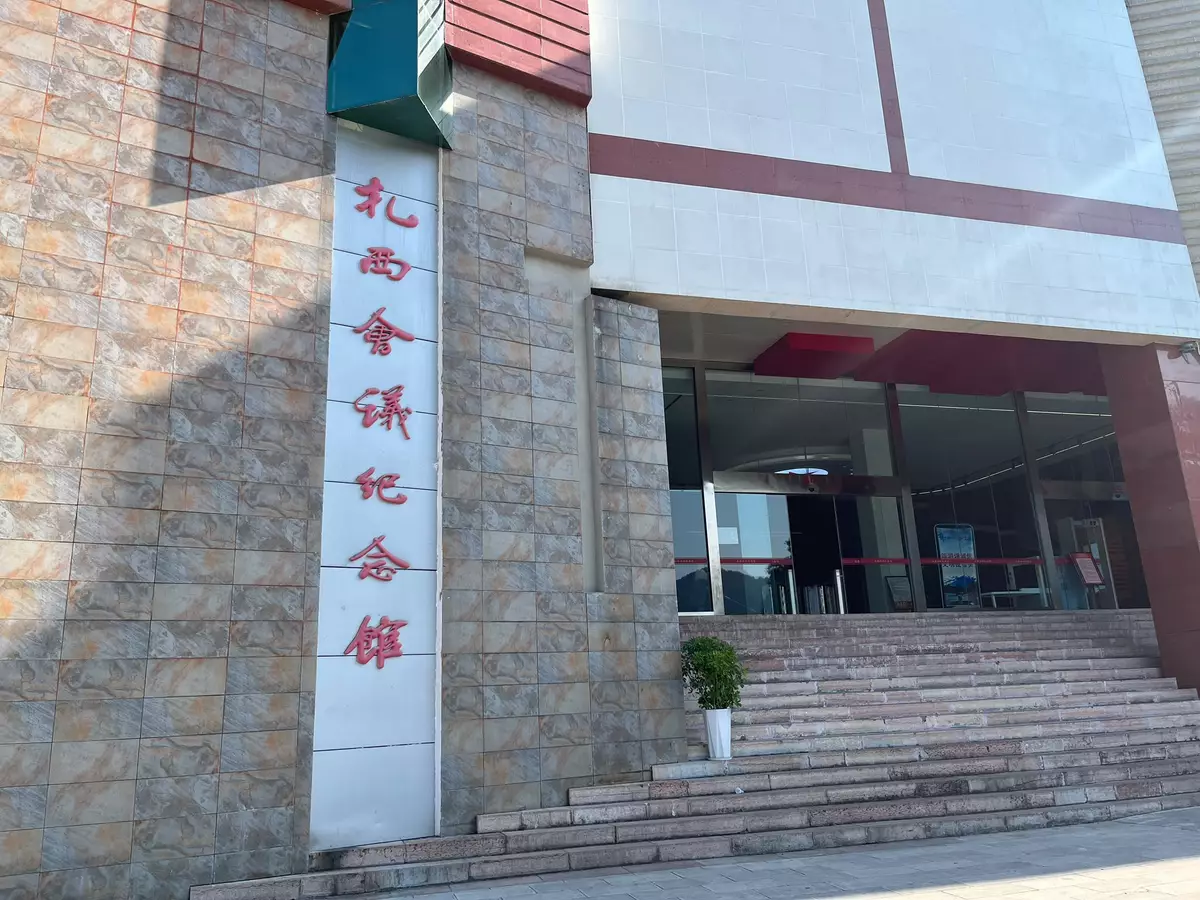
The Zaxi Conference Memorial Museum, Photo by Bastille Post
The Red Army’s stay in Zaxi lasted only 11 days, but their strict discipline, respect for local ethnic customs and beliefs, and efforts to ease the people’s suffering forged a deep bond with the Miao community, laying a solid foundation for the integration of local ethnic culture and red tourism today.
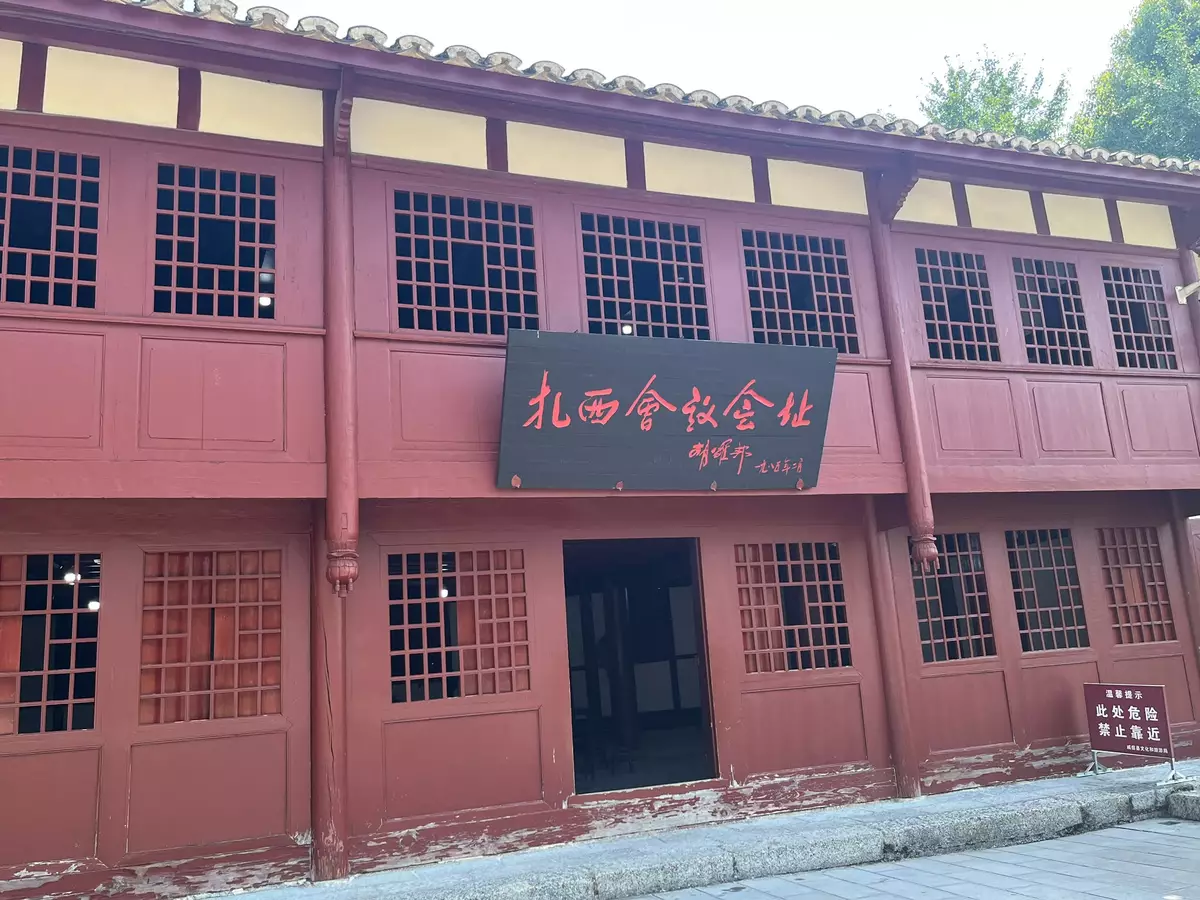
The historical site of Zaxi Conference, Photo by Bastille Post
Li Shuangfei, a local guide, recalled that when the Red Army assembled in Zaxi, it was the depths of winter. Xu Ce, the Political Commissar of the 5th Division of the Red 3rd Corps, was leading his troops on the march when he heard a woman in labour in a Miao village. He immediately arranged for a medic to assist with the delivery and even gave her his only warm quilt.
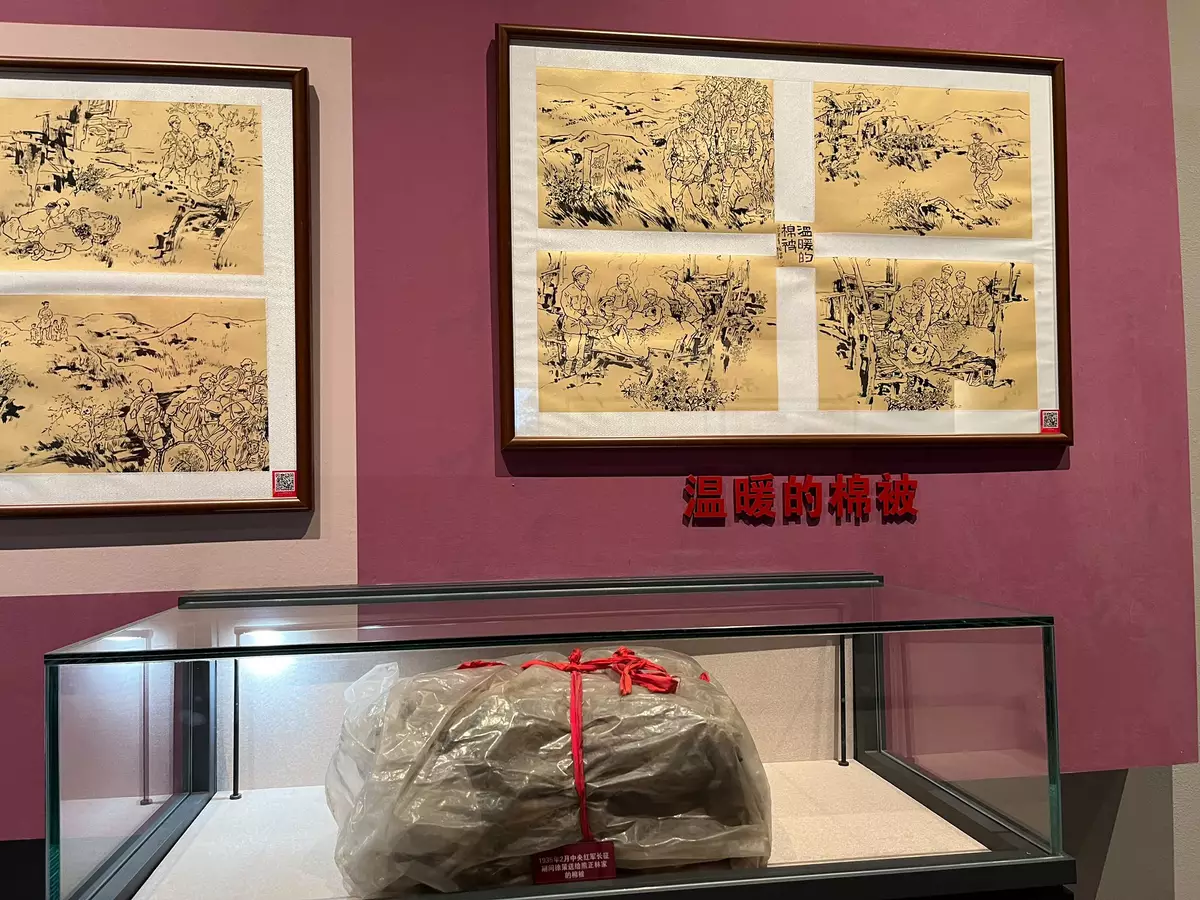
The quilt offered by Xu Ce is displayed in the memorial museum as a symbol of the close bond between the Red Army and the Miao community. Photo by Bastille Post
Today, that quilt is displayed in the memorial museum as a symbol of the close bond between the Red Army and the Miao community, and an emotional link between revolutionary spirit and Miao culture found in scenic spots like Dapingshang.
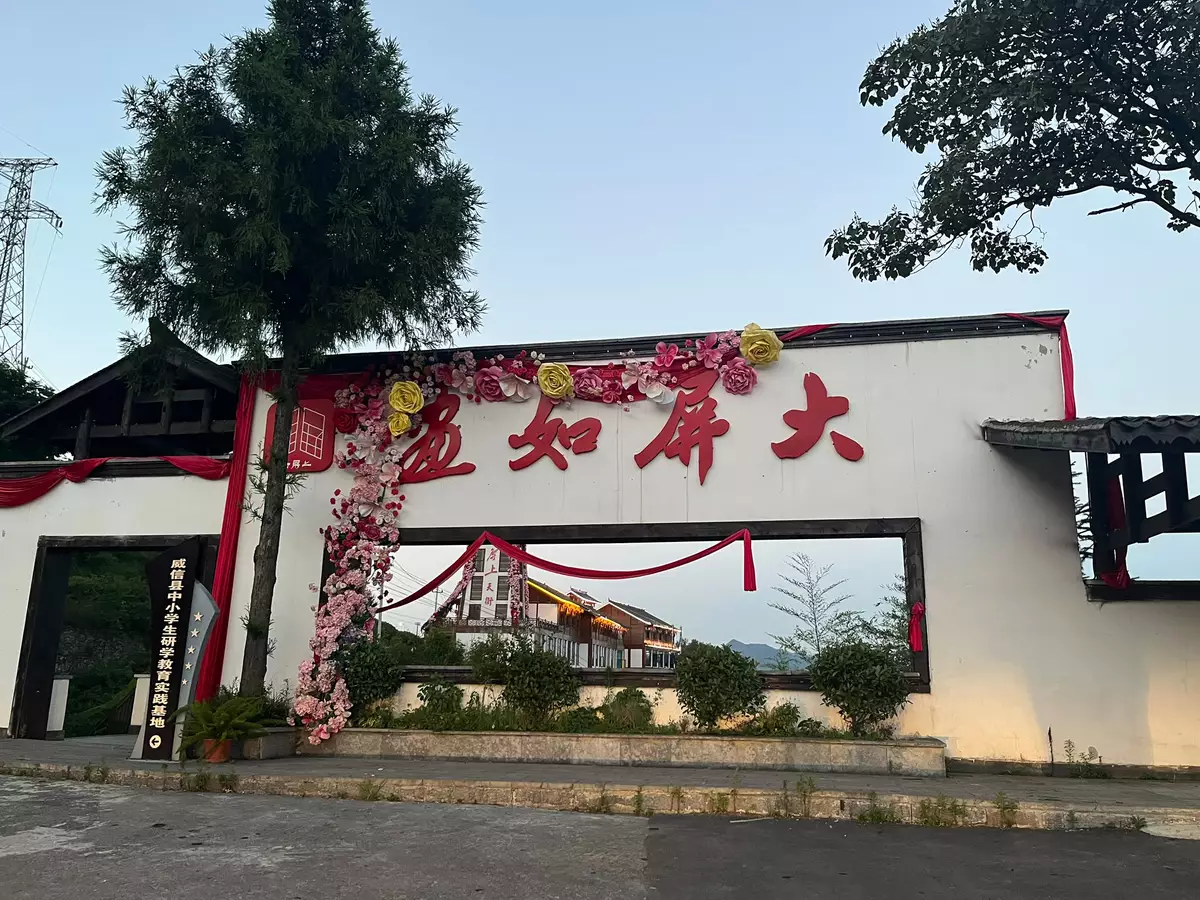
The Dapingshang Scenic Area, Photo by Bastille Post
Shen Chunbo, the head of the Dapingshang Scenic Area and deputy general manager of Weixin County Hongyun Culture Media Co., Ltd., said that when the Central Red Army assembled in Weixin, the county had a small population, yet more than 3,000 local people joined the Red Army and embarked on the revolutionary path. “We, the people of Weixin, made a great contribution to the revolution,” he said.

Shen Chunbo, Photo by Bastille Post
When asked how the scenic area integrates Miao culture with red education, Shen explained that the study tours incorporate traditional Miao crafts such as tie‑dyeing and paper‑cutting. “Students first learn to make straw sandals in the classroom,” he said, “so they can experience the hardships the Red Army endured when supplies were scarce. Then they put on the sandals they made themselves, walk into a Miao village, eat Miao food, and try batik.” He hopes this design will allow the two elements to blend naturally.
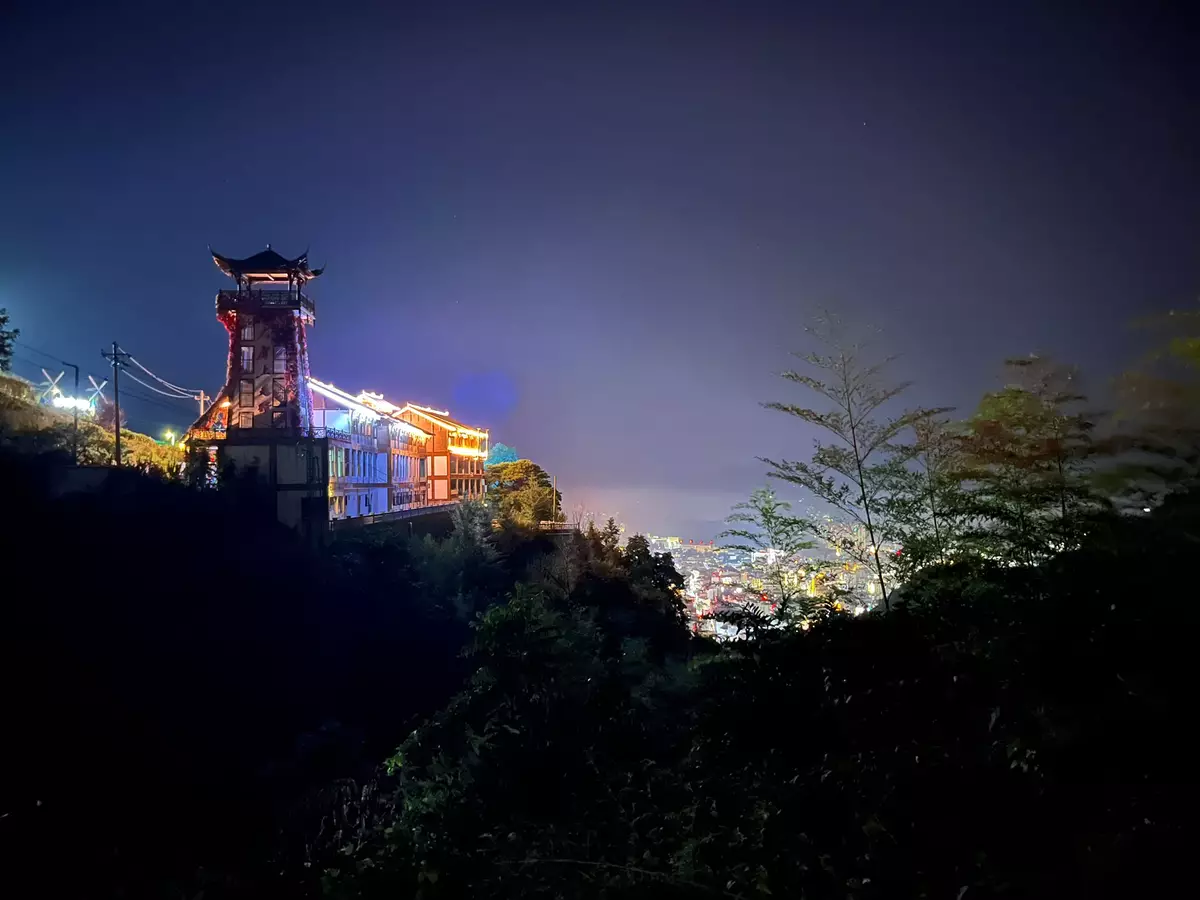
The Dapingshang Scenic Area after nightfall, Photo by Bastille Post
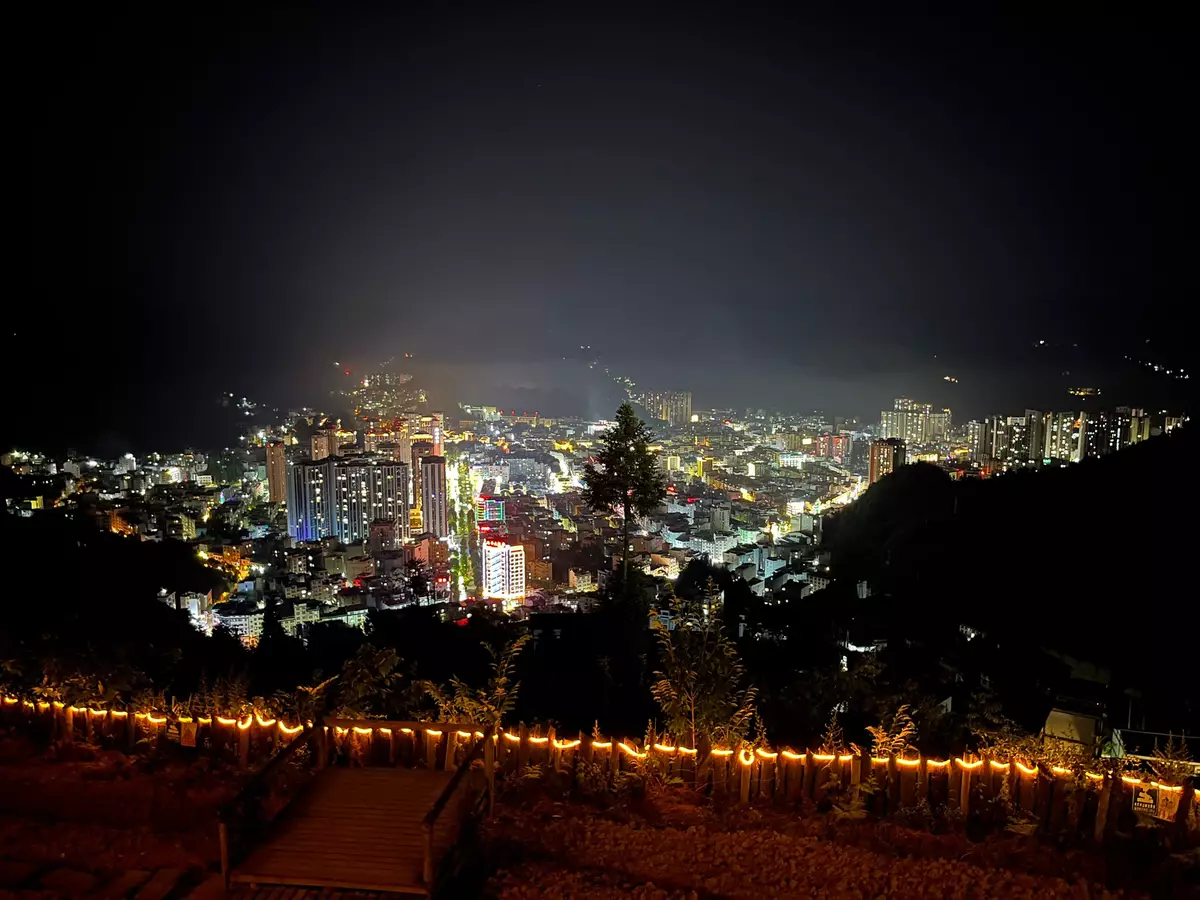
The Dapingshang Scenic Area after nightfall, Photo by Bastille Post
For years, Weixin has steadily promoted red cultural tourism with notable results. Shen noted that the “Red City in Full Bloom, Friendship in Weixin” themed public party held during the May Day holiday this year attracted more than 50,000 visitors in just five days, with online exposure exceeding 30 million. He chuckled, “We had bad weather for two of those days, so we actually welcomed over 50,000 visitors in just three days.”
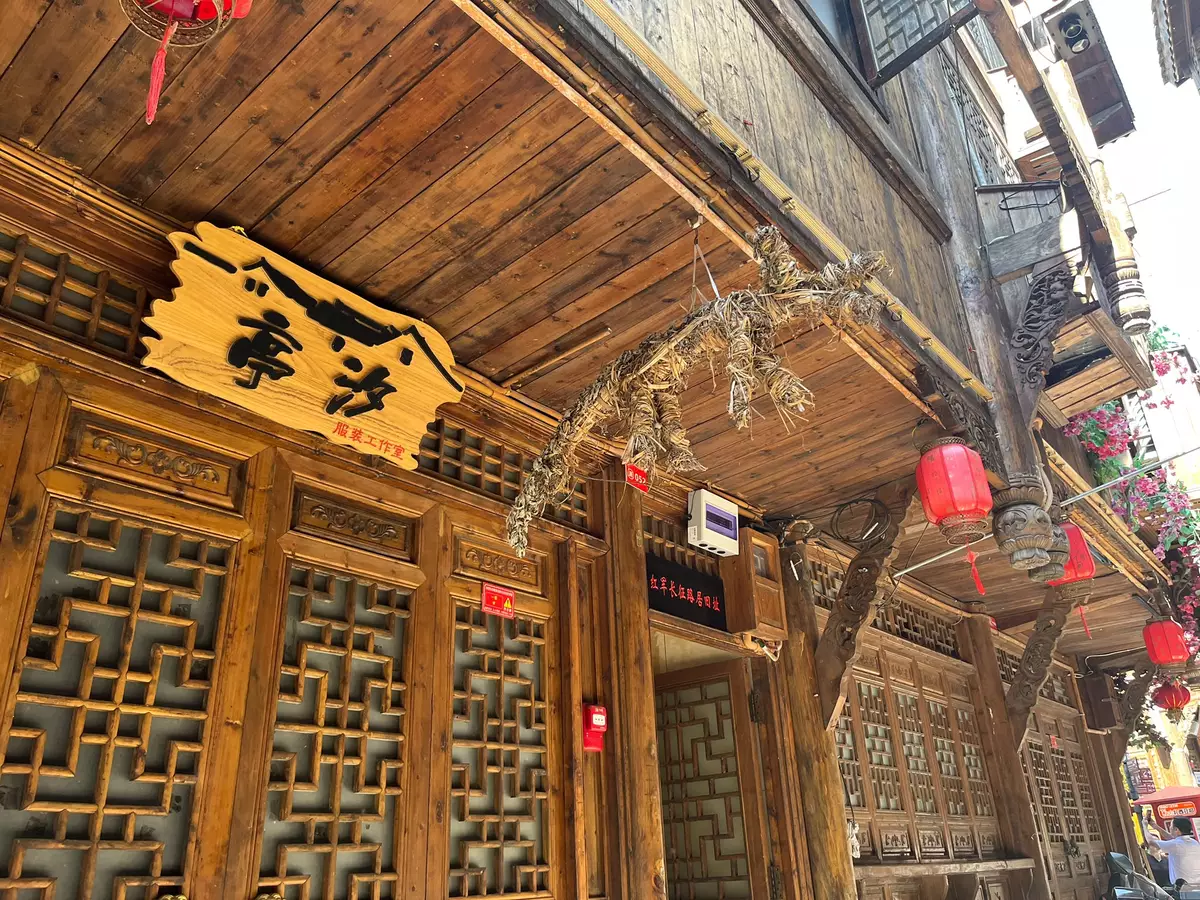
The Zaxi Old Street, Photo by Bastille Post
Shen added that they plan to increase promotional efforts in the Greater Bay Area, hoping to attract more tourists from Hong Kong, Macau and the GBA to visit Weixin and experience this cultural tourism route that blends revolutionary history with Miao ethnic customs.
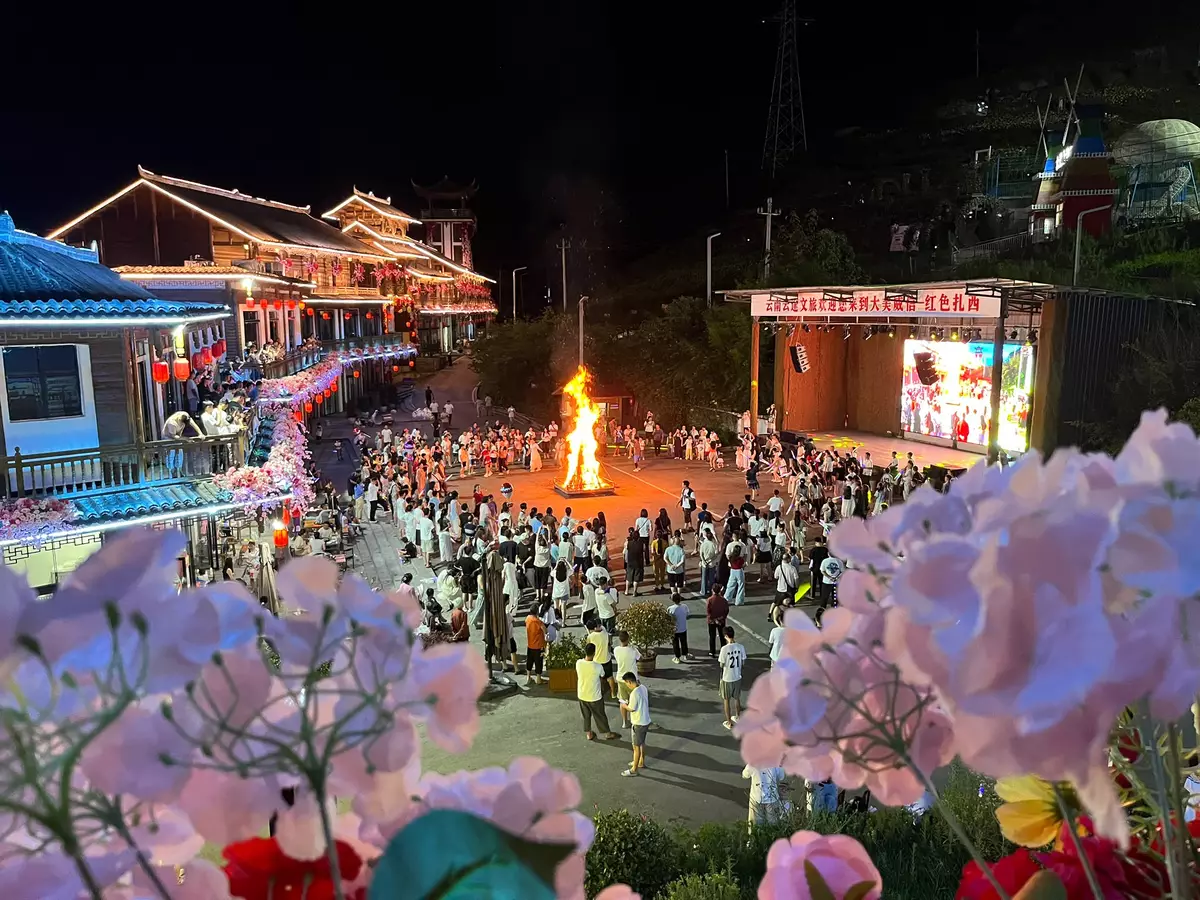
As night falls, a bonfire party lights up the mountains, creating a lively atmosphere at the Dapingshan Scenic Area. Photo by Bastille Post
Beyond the village history museum, folk museum and Pomegranate Seed Square, visitors can also try their hand at Miao intangible cultural heritage crafts and enjoy traditional ethnic songs and dances. As night falls, a bonfire party lights up the mountains, creating a lively atmosphere. Those who climb the steps along the trails can reach the Zaxi Peak Food Camp to sample local specialities such as charcoal‑grilled meat and fried potatoes. With open‑air music and the night view complementing each other, visitors are easily captivated.
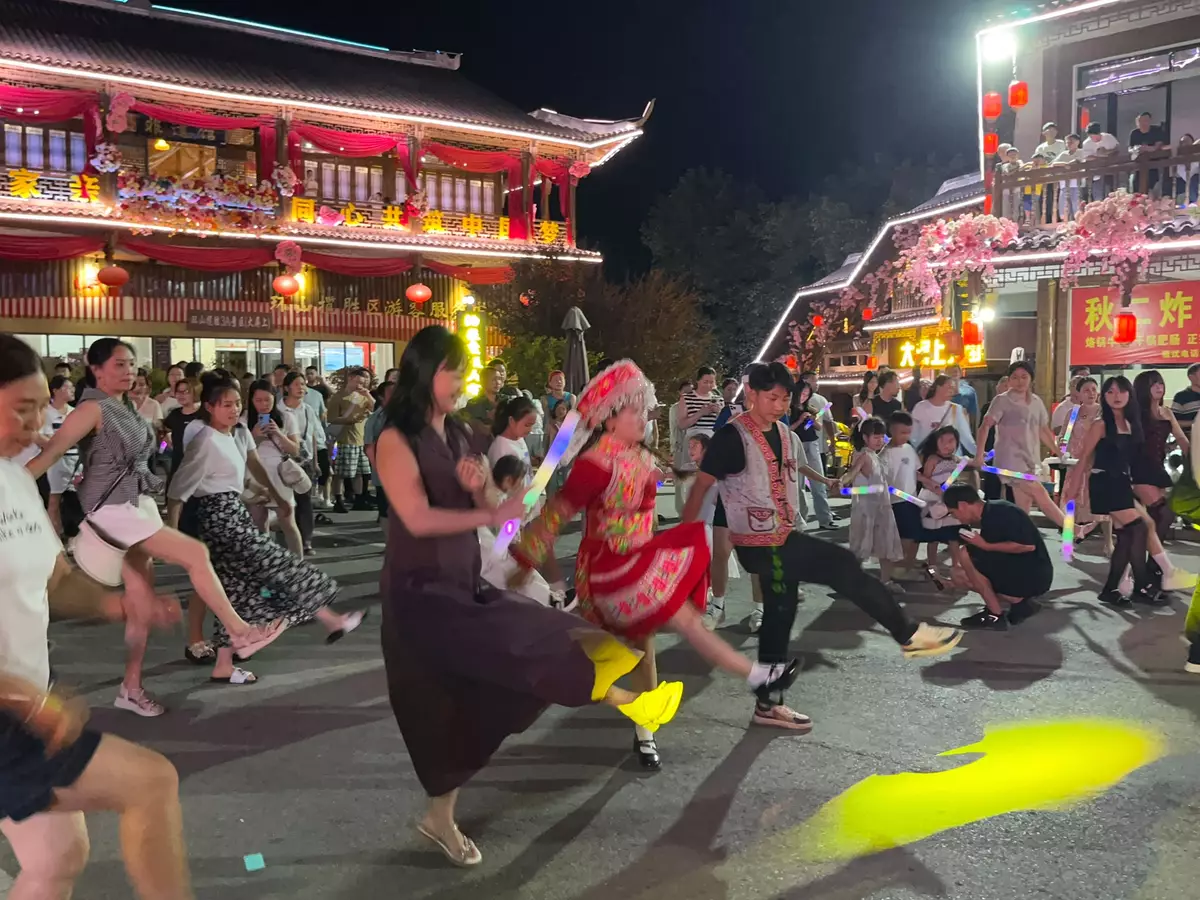
Strangers to one another, visitors still join hands and dance under the night sky. Photo by Bastille Post
The growing number of visitors has also breathed new life into the surrounding villages. Shen said the scenic area was designed from the outset to benefit the local community. The family-friendly amusement park, food base and flower‑lined street are all staffed and operated by local residents. “We give priority to hiring casual workers from the surrounding communities. We employ around 200 people and generate over 500,000 RMB in revenue,” he said.
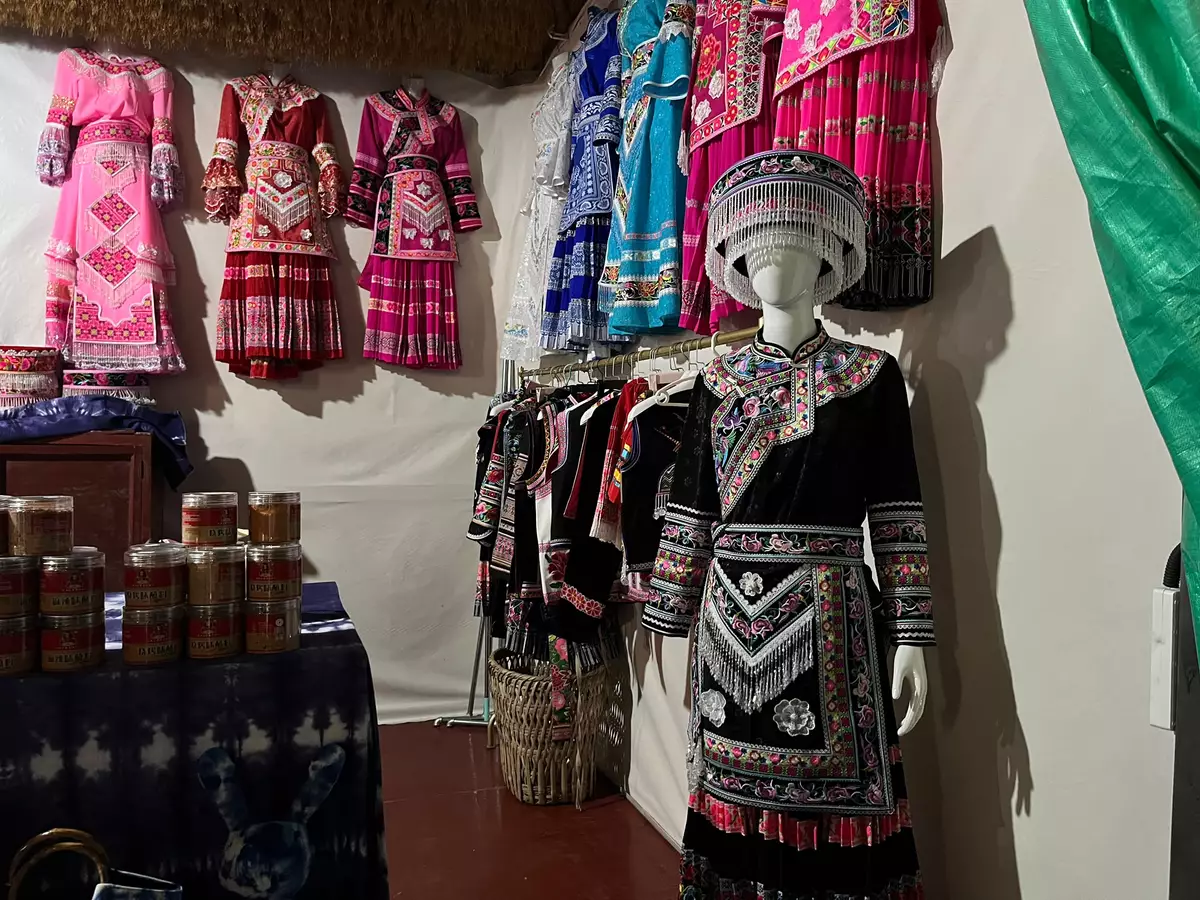
The Miao ethnic costumes sold at the scenic area, Photo by Bastille Post
Shen added that the scenic area also has designated spaces for villagers to set up stalls and sell their own agricultural products and local snacks, helping them increase their income through both employment and sales.
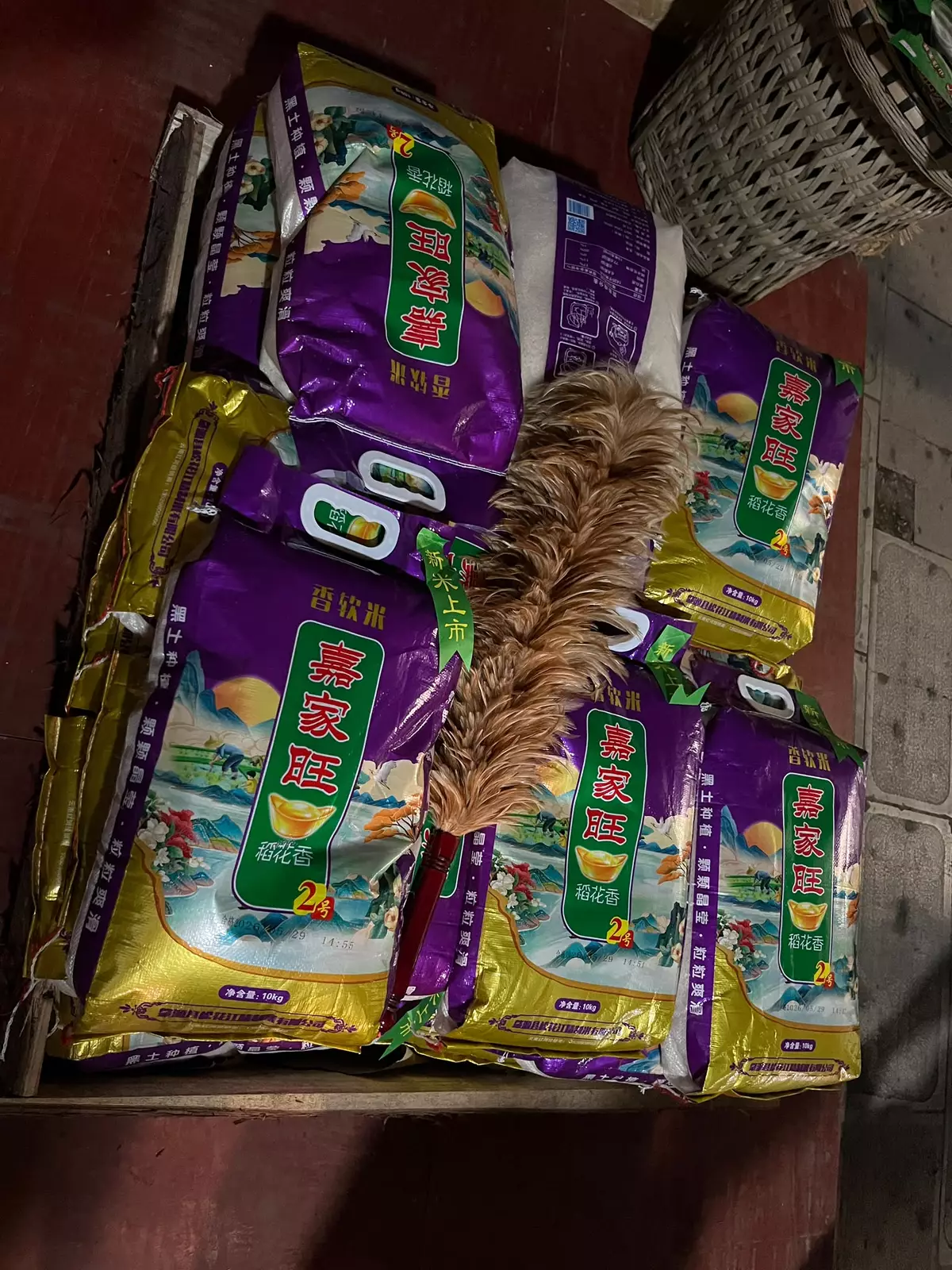
The scenic area also has designated spaces for villagers to set up stalls and sell their own agricultural products and local snacks. Photo by Bastille Post
About a ten-minute drive from Dapingshang, visitors can reach Zaxi Old Street and the Zaxi Conference Memorial Museum, forming a classic route for in-depth red tourism.
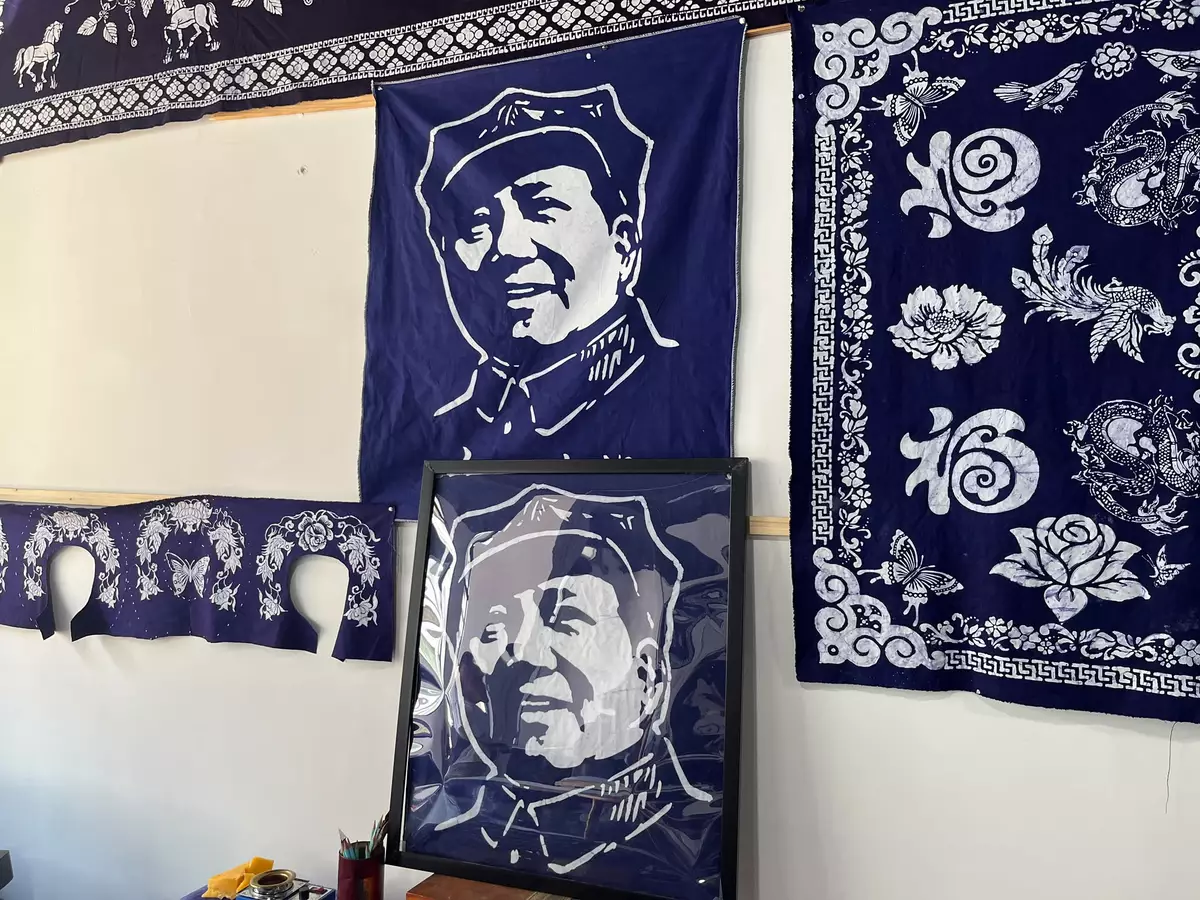
The blending of Miao batik with red culture, Photo by Bastille Post