Skip to Content Facebook Feature Image

China remains Australia's largest EV source as brands upgrade overseas strategy

China

China

China

China remains Australia's largest EV source as brands upgrade overseas strategy

2026-07-23 19:18 Last Updated At:07-24 13:37

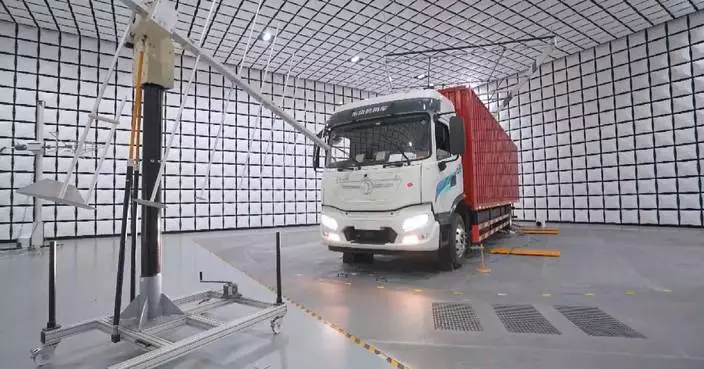
China retained its position as Australia's largest source of imported vehicles for the fifth consecutive month in June, with Chinese automakers upgrading their overseas strategy from pure product exports to holistic local operations covering branding, distribution and services.

Data from the Federal Chamber of Automotive Industries (FCAI) reveal that around 46,600 Chinese-made vehicles were sold in Australia in June, accounting for 35.5 percent of the country's total new car sales. The result marks China's fifth straight month holding the title of Australia's top vehicle import origin. Meanwhile, the market share of battery electric vehicles in Australia has climbed from 8.4 percent in January to more than 23 percent in June.

Industry observers point out that rising global oil prices, driven by geopolitical tensions in the Middle East, have further fueled Australian consumers' interest in and demand for new energy vehicles. Consequently, the rapid expansion of Chinese auto brands is actively reshaping the competitive landscape of the Australian market.

David Nasser, an Australian car dealer, noted the shift in consumer sentiment.

"Consumers now feel a lot more confident with Chinese EV. The value for money with Chinese products is exceptional. What you get for how much you spend is top tier. You feel like you're not buying just a car, you're buying a piece of technology that's safe, that's reliable, looks good," he said.

Currently, more than a dozen Chinese auto brands have entered the Australian market. Beyond continuously rolling out new models, these companies are actively refining their local sales networks, after-sales service systems, spare parts supply chains, and smart experience centers.

Industry insiders suggest this indicates a strategic pivot for Chinese automakers overseas: moving away from simply exporting products toward building a comprehensive ecosystem that covers brand, channels, services, and technology.

Wu Baojun, chairman of Greentech, a distributor of Chinese auto brands, highlighted the importance of long-term market cultivation.

"Chinese automotive brands have achieved initial success in Australia and secured a considerable market share. Looking ahead, building long-term brand reputation, as well as fostering lasting customer loyalty and satisfaction through our service system, spare parts support and after-sales network, will be the most critical factors for Chinese brands to establish a long-term foothold in the country," he said.

China remains Australia's largest EV source as brands upgrade overseas strategy

China remains Australia's largest EV source as brands upgrade overseas strategy
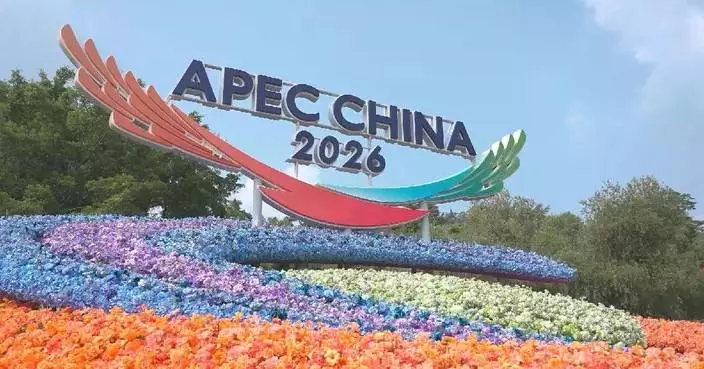
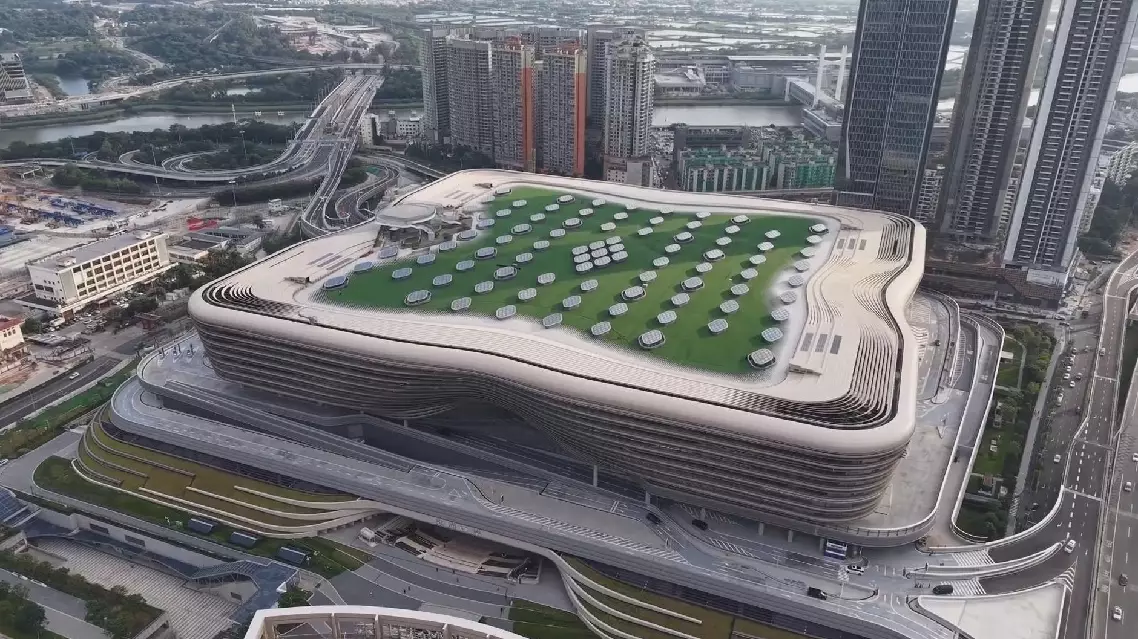
The newly upgraded Huanggang Port connecting the Hong Kong Special Administrative Region and the Chinese mainland recorded more than 3.44 million inbound and outbound passenger trips in its first month of operation, averaging 114,000 per day -- a 120 percent year-on-year increase, as Shenzhen prepares for the 2026 Asia-Pacific Economic Cooperation (APEC) Economic Leaders' Week.

With the event approaching, all 25 APEC-dedicated channels across Shenzhen's ports in south China have been opened to facilitate the entry of participants and media from APEC member economies.

The upgraded Huanggang Port is operating smoothly, with its single-day passenger flow recently hitting the highest level since 2019.

At Huanggang Port, travelers now only need to queue once and present their documents once to complete immigration procedures for both sides.

"Usually it takes about one minute to go through customs on both sides. My fastest time was 36 seconds," said a passenger from the Hong Kong Special Administrative Region.

Huanggang Port is the only 24-hour land passenger port between Shenzhen and Hong Kong.

Since November, Shenzhen's ports have opened a total of 25 APEC-dedicated inspection channels. Among them, the Huanggang Border Inspection Station has processed 14,000 trips of foreign nationals from APEC economies, a month-on-month increase of 102 percent. "Facing the continuous high passenger flow, the Huanggang Border Inspection Station has strengthened early warning and analysis, continuously enhanced communication and coordination with the Hong Kong side, cross-border operating units, and foreign affairs departments, and reinforced our multilingual service team to ensure efficient and smooth customs clearance," said Yang Huan, staff member at the Huanggang Border Inspection Station.

As China's largest single port building and the world's largest land port complex, the facility covers a total floor area of 689,700 square meters, featuring four underground and five above-ground floors.

The original Huanggang Port, which opened in 1989, was China's first large-scale land port with 24-hour clearance. Reconstruction on the original site began in 2019 to meet the surging demand for cross-border passage.

Upgraded Huanggang Port handles over 3.44 million passenger trips in first month

Upgraded Huanggang Port handles over 3.44 million passenger trips in first month

Recommended Articles