Tropical Cyclone Noul roundup
As Tropical Cyclone Noul is moving away from Hong Kong, the Hong Kong Observatory issued the Strong Wind Signal No. 3 at 12.40pm today (July 26). It replaced the No. 8 Southwest Gale or Storm Signal at 7.10am today.
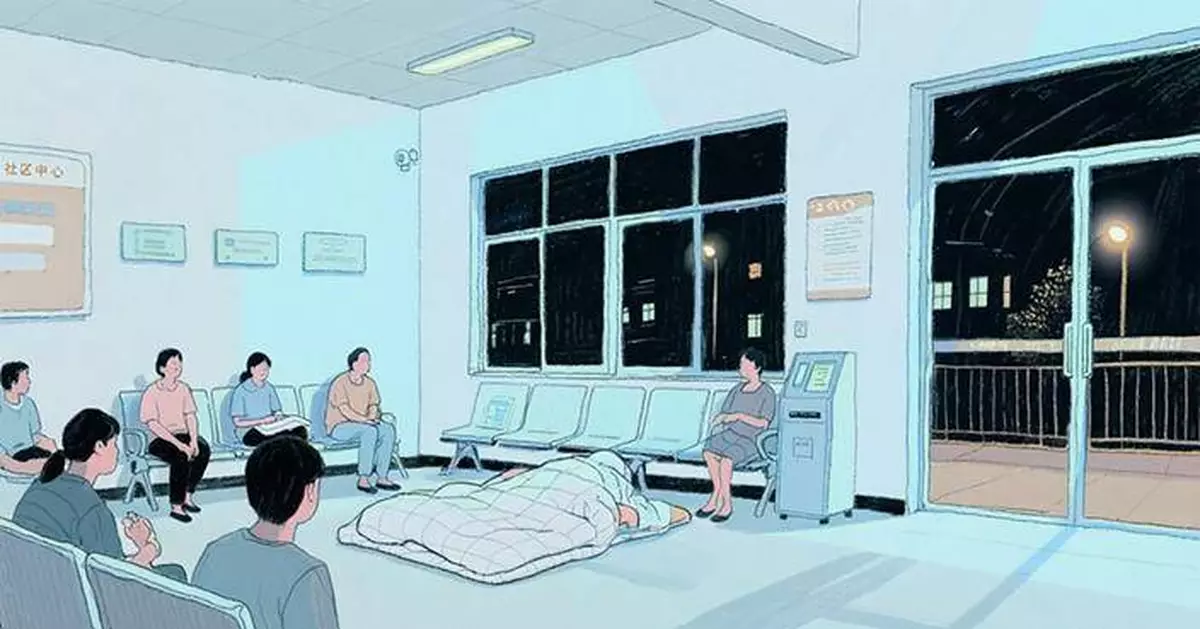
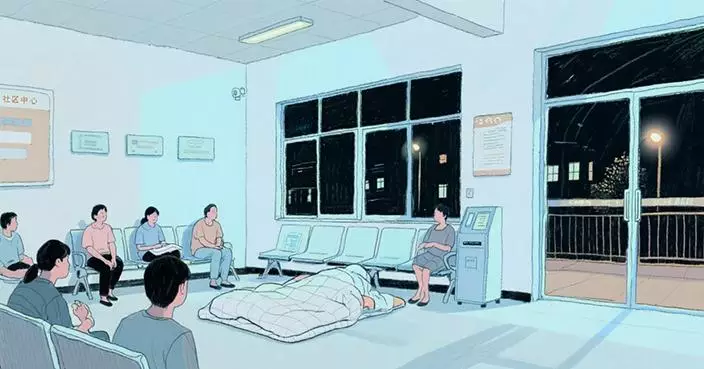
As at 1.10pm today, the Home Affairs Department has opened 29 temporary shelters in various districts and 246 people have sought refuge at the shelters.
As at 1pm today, the Government's 1823 Call Centre and the Fire Services Department received 88 reports and 243 reports of fallen trees respectively, while the Drainage Services Department received eight reports of flooding. No report of landslide has been received.
According to the Hospital Authority, as at 12 noon today, nine males and 12 females have been injured during the typhoon period and received medical treatment at the Accident and Emergency department of public hospitals.
Source: AI-found images
Employers and employees should make reasonable work arrangements after tropical cyclones or rainstorms
The Labour Department (LD) today (July 26) reminded employers to make practical and reasonable work arrangements for employees after the cancellation of tropical cyclone warnings or rainstorm warnings, with due consideration to the road and traffic conditions and other factors, and make flexible arrangements for staff to resume work or work remotely (if applicable). This will help maintain good labour relations, and ensure the safety of employees as well as the smooth operation of organisations.
"For staff who have genuine difficulties in resuming work on time upon cancellation of a tropical cyclone or rainstorm warning, employers should be considerate and handle the situation in a flexible manner. For example, employers may allow employees to resume work by batches, permit employees who have difficulties in returning to workplaces to work remotely (if applicable) or allow more time for them to report for duty and resume work," a spokesman for the LD said.
The spokesman reminded employers to observe the statutory liabilities and requirements under the Employment Ordinance, Occupational Safety and Health Ordinance, Factories and Industrial Undertakings Ordinance, Employees' Compensation Ordinance and Minimum Wage Ordinance.
"Tropical cyclones and rainstorms are natural calamities. If employees are not required to report for duty, or are released from workplaces early, or are unable to report for duty at workplaces or resume work on time, etc due to adverse weather, extreme conditions or other environmental factors beyond their control, employers should not deduct their wages, good attendance bonus, or allowances, nor require employees to compensate subsequently for the loss of working hours in response to the aforementioned situations, or reduce employees' entitlements to annual leave, statutory holidays or rest days under the Employment Ordinance to compensate for the loss of working hours resulting from the issuance of adverse weather warnings or the extreme conditions announcement," the spokesman said.
Employers have an obligation to provide and maintain a safe working environment for their employees under the Occupational Safety and Health Ordinance and the Factories and Industrial Undertakings Ordinance. Moreover, under the Employees' Compensation Ordinance, employers are liable to pay compensation for injuries or deaths incurred when employees are travelling by a direct route from their residence to their workplace, or from their workplace back to their residence after work, four hours before or after working hours on a day when a Tropical Cyclone Warning Signal No. 8 or higher, a Red or Black Rainstorm Warning Signal or extreme conditions are in force.
The LD's latest revised "Code of Practice in Times of Adverse Weather and 'Extreme Conditions'" sets out the relevant guidelines in a reader-friendly and concise manner, reiterating the three major principles for formulating work arrangements under adverse weather and extreme conditions, including formulating work arrangements in advance, giving prime consideration to employees' safety, and complying with requirements of labour legislation, and incorporating corporate examples for reference. The booklet can be obtained from branch offices of the Labour Relations Division or downloaded from the department's webpage (www.labour.gov.hk/eng/public/wcp/Rainstorm.pdf).

Source: AI-found images