China's cold-chain logistics network has seen accelerated improvement this year, helping cut losses in the distribution of fresh produce and better meeting people's consumption needs.
In summer, supermarkets and stores across the country are well stocked with seasonal fruits such as durian.
"The durian is fresher and cheaper, about 30 percent less than before," said Yu Mengyuan, a consumer.
Durians imported to China are shipped via an uninterrupted cold chain, supported by a new international cold-chain freight train service launched in southwest China's Yunnan Province this year. The service helps ensure that fruit stays refrigerated and properly stored from orchards all the way to consumers' homes.
"Fruit spoilage has dropped by nearly 20 percent, delivery time has been cut by 1.5 to 2 days, logistics costs are down by about 15 percent, and with better quality, our sales have increased by 30 percent," said Feng Xuefeng, operations supervisor of a supermarket store.
Layout of China's national backbone cold-chain network has continued to optimize this year, with 105 such logistics bases now covering the eastern, central and western regions.
With demand for food cold-chain services continuing to grow, these bases have been expanding in storage capacity. By the end of June, the total cold-storage capacity across the country reached 270 million cubic meters, up 4.6 percent year on year.
The National Development and Reform Commission will implement the 15th Five-Year Plan (2026-2030) on modern logistics and further improve the cold-chain logistics facility system, according to officials.
"We will focus on national backbone cold-chain logistics bases, promote deeper integration of cold-chain logistics with production, distribution and consumption, so as to better meet people's expectations for a high-quality life," said Kang Min, deputy director of the economic and trade division under the National Development and Reform Commission.
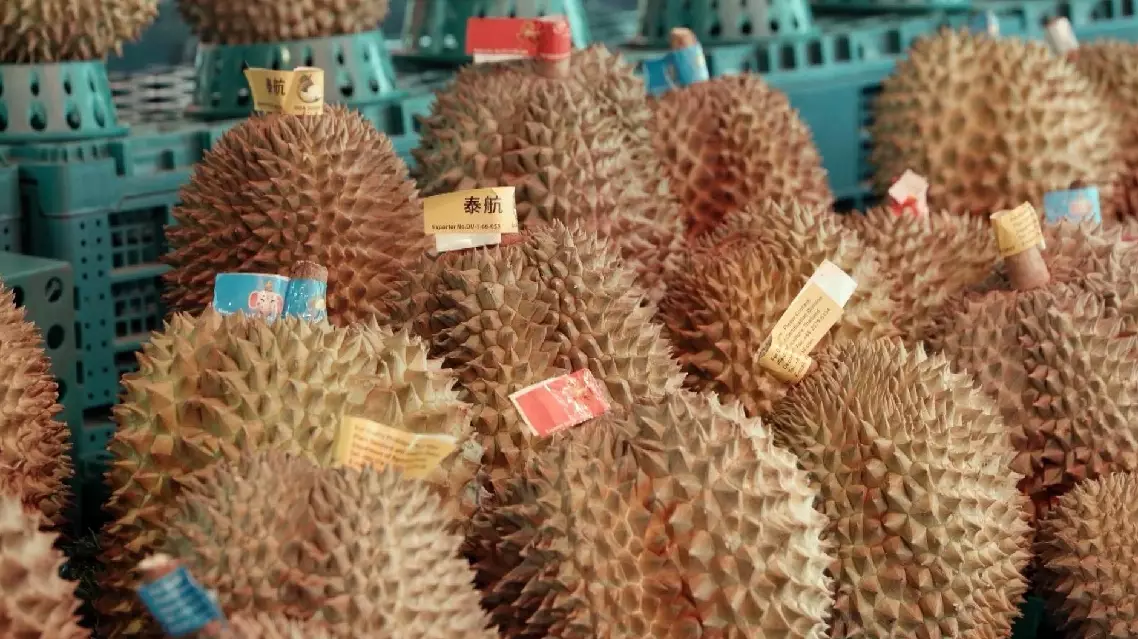
China's cold-chain logistics network sees accelerated improvement