Skip to Content Facebook Feature Image

Iran is not negotiating with US: FM spokesman

HotTV

Iran is not negotiating with US: FM spokesman
HotTV

HotTV

Iran is not negotiating with US: FM spokesman

2026-07-28 00:47 Last Updated At:12:11

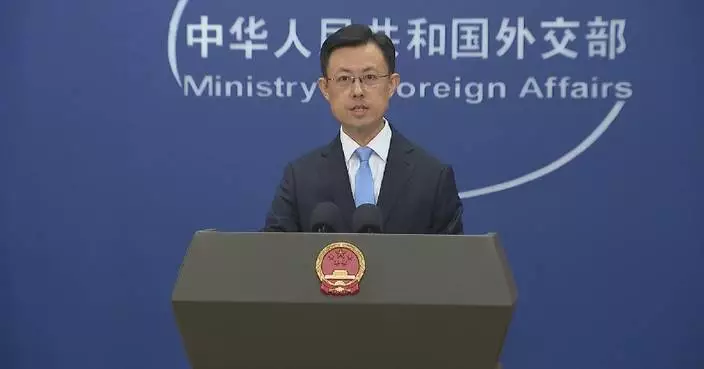
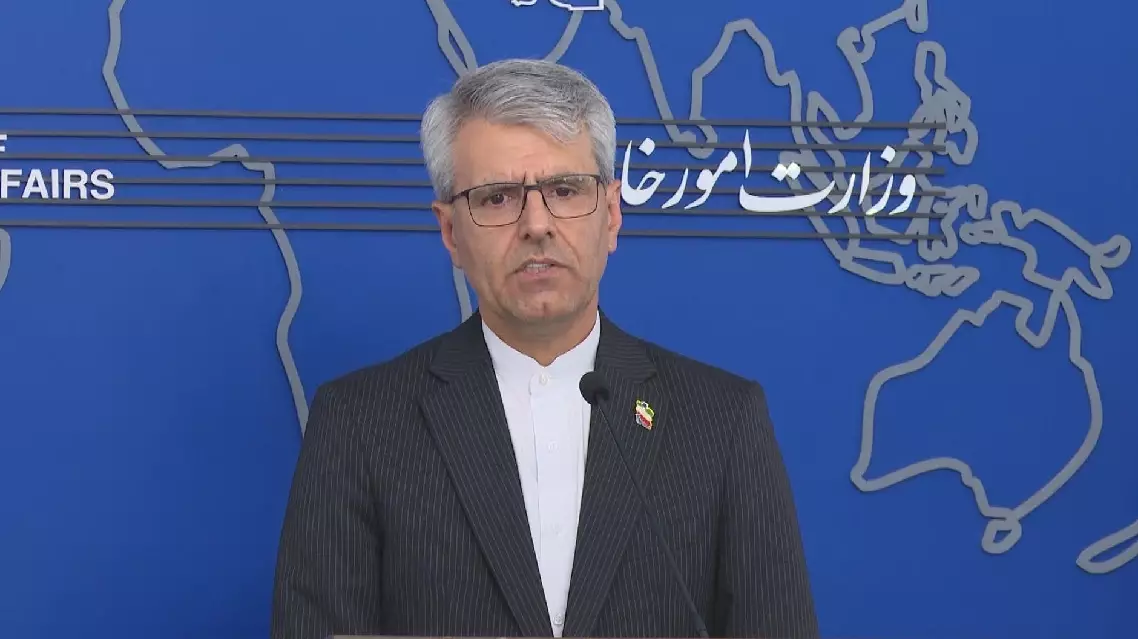
Iran is not currently negotiating with the United States, Iranian Foreign Ministry spokesman Esmaeil Baghaei said at a press conference on Monday.

Baghaei said that the United States initially believed it could destroy Iran and force its surrender in the early stages of a war, but now, five months later, it is deeply mired in a quagmire of its own making.

Baghaei stressed that Iran will prioritize the protection of its national interests and will not allow the United States to decide the timing of war and peace regardless of the past or the future.

When asked whether Iran had requested negotiations with the United States, Baghaei denied the claim, stating that the United States was the party violating the memorandum of understanding.

He added that mediators might convey messages from U.S. to Iran, but currently, Iran has not engaged in any direct negotiations with the United States.

"No agreement can be unilaterally implemented; this is natural. Therefore, Iran has ceased fulfilling its commitments. When the time becomes right, we will discuss future development directions. But one thing is certain: Iran will never compromise on its national interests and security principles," he said.

Baghaei said that several rounds of talks between Iran and Oman were bilateral talks primarily focused on the management of shipping through the Strait of Hormuz.

He said the talks aim to establish mechanisms to ensure the safety of navigation in the strait.

The spokesman emphasized that the Strait of Hormuz remains closed due to perceived acts of aggression by the U.S. side.

"Regarding the situation in the Strait of Hormuz, I want to emphasize that the situation has not changed -- the Strait of Hormuz remains closed. This is due to the aggressive actions of the United States and the insecurity it has brought to the region," he said.

Noting that the United States had violated numerous international norms and laws through its words and actions over the past year or two, Baghaei said as long as the U.S. continues its behavior, Iran cannot expect a reasonable negotiation process.

He said that although the situation in the region had been relatively calm in the past few days, it cannot be called a ceasefire.

The spokesman warned that Iranian armed forces are closely monitoring the situation, and any inappropriate actions by the U.S. military will be met with an immediate and resolute response from Iran.
Iran is not negotiating with US: FM spokesman

Iran is not negotiating with US: FM spokesman
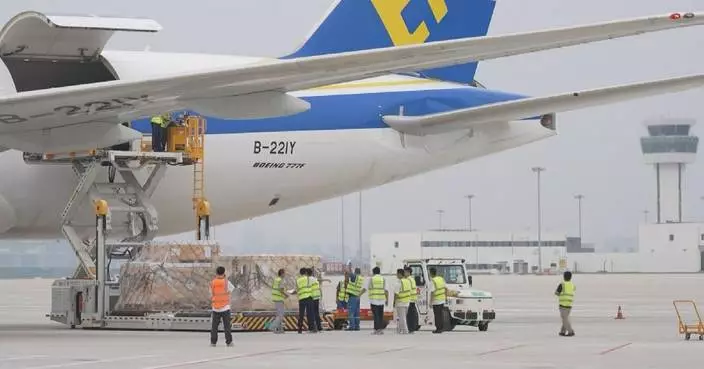
Latest tariff measures rolled out by the U.S. government last Thursday have drawn sharp criticism from economists and political analysts worldwide, who warn the unilateral protectionist move will disrupt global supply chains, undermine free trade and weigh heavily on the global economy.

The Office of the U.S. Trade Representative announced last Thursday that the U.S. would levy tariffs ranging from 10 to 12.5 percent on goods imported from 60 economies starting last Friday, citing Section 301 of the Trade Act of 1974. The ripple effects of the policy have already spread across global trade circles, sparking widespread pushback from the international community.

Veljko Mijuskovic, a professor at the Faculty of Economics, University of Belgrade in Serbia, pointed out that the core motive behind the U.S. tariff policy is to clamp down on its key competitors. He emphasized that the new tariffs will not only batter global supply chains and impede free trade, but also exert a negative impact on the global economy, ultimately hurting the interests of all stakeholders including the United States in the long term.

"Every imposer of different obstacles to global trade is not good. That is a lose-lose strategy. Imposing tariffs is only a temporary way how you can boost some of your own economic sectors and protect them. But on the whole run, once you limit the free flow of goods and capital, that is something that shall come back to you as a boomerang. So definitely, even though they might have short term benefits, in the long run, this is a negative economic decision," he said.

Echoing those concerns, Patrick Bond, a political economist at the University of Johannesburg in South Africa, noted that the disregard of the United States for international trade rules in levying new tariffs, coupled with ongoing geopolitical tensions in the Middle East, was exposing the global economy to greater volatility and uncertainty.

"He put the tariffs on to bring companies back into the U.S. that had gone abroad with jobs, but that hasn't really worked. We can just understand them as a con man, as a trickster, but also as a bully. And I think that's the only way to think about a man who's making such a mess of the world economy with the war in Iran, with oil prices, fertilizer shortages, food prices and all of the chaos in trade," he said.

New US tariffs deepen global supply chain chaos, economic uncertainty: int'l experts

New US tariffs deepen global supply chain chaos, economic uncertainty: int'l experts

Recommended Articles