NEW YORK--(BUSINESS WIRE)--Jul 29, 2026--
Lifezone Metals Limited’s ( NYSE: LZM ) Chief Executive Officer, Chris Showalter and Chief Financial Officer, Ingo Hofmaier, announce the H1 2026 Interim Financial Results, available on Edgar and the Company’s website.
Click to Gallery

Figure 6: TNCL Environment Team celebrating World Environment Day
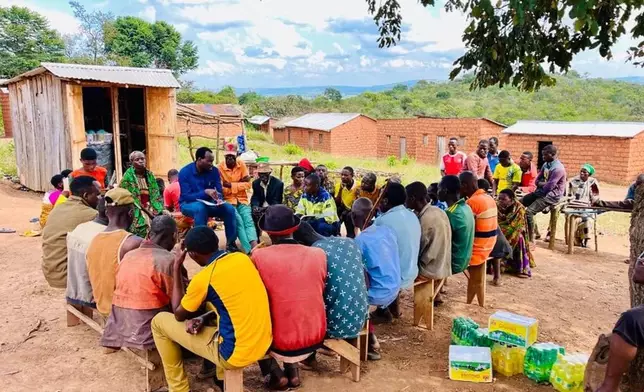
Figure 5: TNCL Community Relations Manager presenting at a feedback meeting in Kahororo
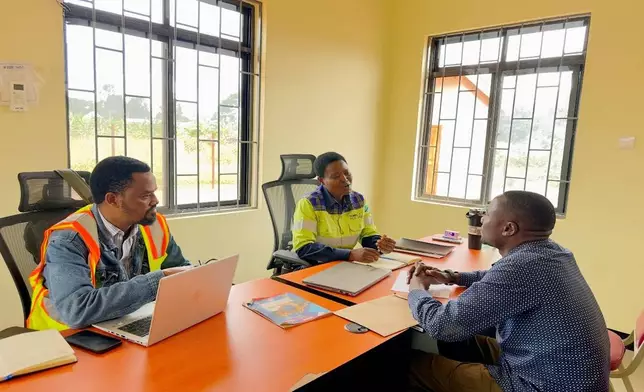
Figure 4: TNCL Community Relations team and community members meeting at the newly converted Community Liaison Office in Rwinyana
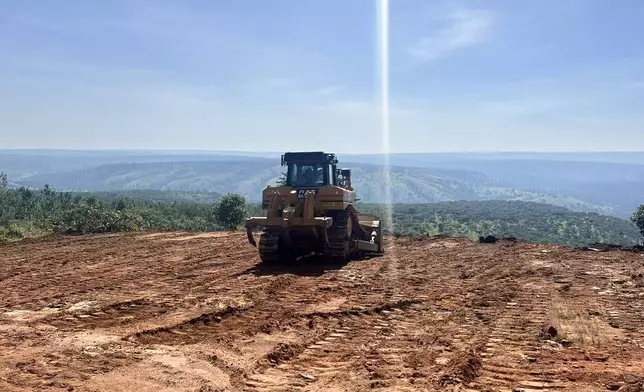
Figure 3: Project area land clearing
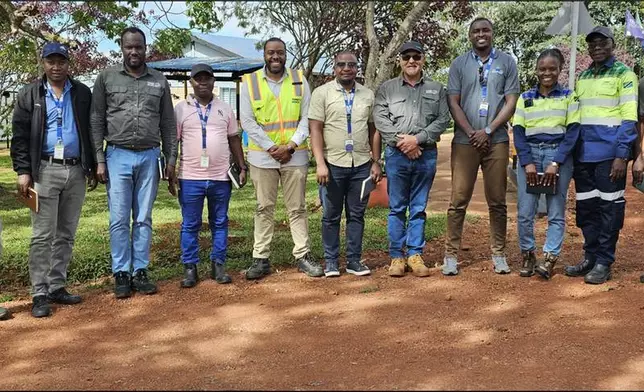
Figure 2: Mining Commission and RMO Team during a Kabanga site visit to inspect TNCL’s Prospective Licenses
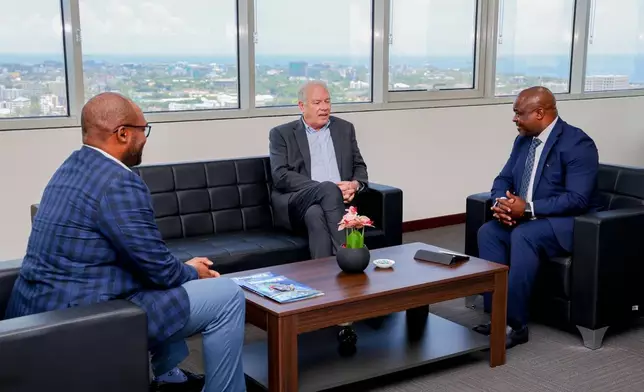
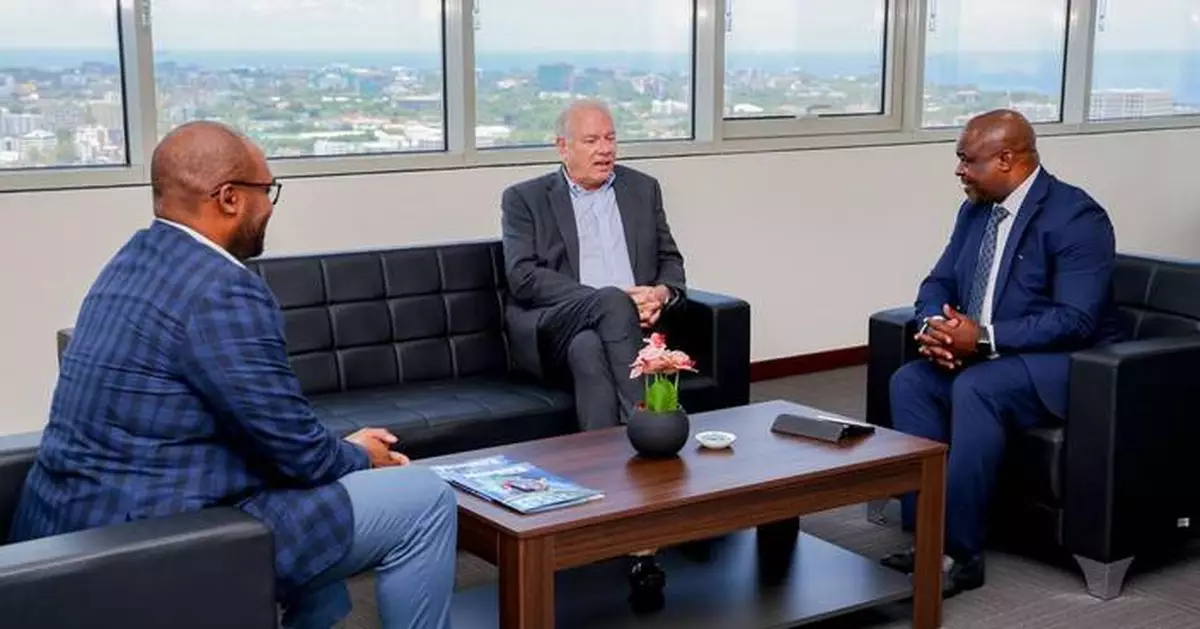
Figure 1: Lifezone Chairman, Keith Liddell, TNCL CEO, Benedict Busunzu with Tanzanian Treasury Registrar, Nehemiah Mchechu, ahead of meeting with H.E. President of Tanzania, Dr Samia Suluhu Hassan
This press release features multimedia. View the full release here: https://www.businesswire.com/news/home/20260729520800/en/
Mr. Showalter commented:"Our relationship with the Government of Tanzania remains central to the Kabanga Nickel Project, and we continued working through the Framework Agreement amendment including direct engagement with H.E. President Samia Suluhu Hassan. At the same time, we moved Kabanga into procurement at scale, releasing roughly $854 million in contracts to market, with pre-FID activities funded by the $21.7 million drawn under the Taurus facility and $25 million equity raise.
We also opened a new frontier with the Musongati exclusivity agreement in Burundi, and reached a pilot-scale milestone in our PGM Recycling Project, recovering >99% platinum and palladium and targeting >95% rhodium from spent Autocat material.”
Financial Summary:
Corporate highlightsand key activities during the six months ended June 30, 2026
Kabanga Nickel Project:
Financing Workstreams:
Figure 1: Lifezone Metals' Chairman, Keith Liddell, TNCL CEO, Benedict Busunzu with Tanzanian Treasury Registrar, Nehemiah Mchechu, ahead of meeting with H.E. President of Tanzania, Dr Samia Suluhu Hassan
Technical and Operational Progress:
Figure 2: Mining Commission and RMO Team during a Kabanga site visit to inspect TNCL’s Prospective Licenses
Figure 3: Project area land clearing
Occupational Health and Safety, Environment, Social Performance and Resettlement Progress:
Figure 4: TNCL Community Relations team and community members meeting at the newly converted Community Liaison Office in Rwinyana
Figure 5: TNCL Community Relations Manager presenting at a feedback meeting in Kahororo
Figure 6: TNCL Environment Team celebrating World Environment Day
Musongati Nickel Project:
PGM Recycling Project:
Simulus Laboratories:
Investor Webcast: 29 July 2026 / 10:00 ET | 15:00 BST
Chris Showalter, CEO and Ingo Hofmaier, CFO, will be hosting a conference call and Q&A, today. Analysts and investors can register at: Lifezone Metals H1 2026 Interim Financial Results Webcast.
If you would like to sign up for Lifezone Metals news alerts, please register here.
Social Media
LinkedIn | X | YouTube
About Lifezone Metals
Lifezone Metals (NYSE: LZM) is committed to delivering cleaner and more responsible metals production and recycling. Through the application of our Hydromet Technology, we offer the potential for lower energy consumption, lower emissions and lower cost metals production compared to traditional smelting.
Our Kabanga Nickel Project in Tanzania is believed to be one of the world's largest and highest-grade development-ready nickel sulfide deposits. By pairing it with our Hydromet Technology, we are working to unlock a new source of nickel, copper and cobalt for the global battery metals markets and to empower Tanzania to achieve in-country beneficiation.
Through our US-based recycling partnership, we are working towards applying our Hydromet Technology to the recovery of platinum, palladium and rhodium from responsibly sourced spent automotive catalytic converters. Our process is expected to be cleaner and more efficient than conventional smelting and refining methods, supporting a circular economy for precious metals.
https://lifezonemetals.com
Forward-Looking Statements
Certain statements contained herein are not historical facts but may be considered “forward-looking statements” within the meaning of the U.S. Securities Act of 1933, as amended, the U.S. Securities Exchange Act of 1934, as amended, and the “safe harbor” provisions of the U.S. Private Securities Litigation Reform Act of 1995. These forward-looking statements include, without limitation, statements regarding the plans, strategies, intentions, objectives, expectations, and future financial and operational performance of Lifezone Metals Limited and its subsidiaries (“ Lifezone ”).
These statements are based on the beliefs and assumptions of management, as well as information currently available to Lifezone. Although we believe that the expectations reflected in these forward-looking statements are reasonable, we cannot guarantee that these expectations will be achieved. Forward-looking statements are inherently subject to significant risks, uncertainties, and assumptions, many of which are beyond our control.
Forward-looking statements generally relate to future events or our future financial or operating performance. These statements may be preceded by, followed by, or include words such as “believes,” “estimates,” “expects,” “anticipates,” “projects,” “plans,” “intends,” “may,” “might,” “could,” “should,” “would,” “will,” “forecast,” “predict,” “scheduled,” “continue,” “potential,” or similar expressions, although the absence of such words does not mean that a statement is not forward-looking.
Forward-looking statements contained or incorporated herein include, but are not limited to, statements regarding future events, the estimated or anticipated future results of Lifezone, future opportunities for Lifezone, including the efficacy of the Hydromet Technology and the development of, and processing of mineral resources at (amongst other things), the Kabanga Nickel Project, the ability to finance the Kabanga Nickel Project, negotiations regarding the Framework Agreement and other commercial arrangements, the outcome of certain legal proceedings with Tanzania Revenue Authority, Lifezone’s ability to continue to operate as a going concern, and other statements that are not historical facts.
These statements are based on Lifezone's management's current expectations and are not predictions of actual performance. These forward-looking statements are provided for illustrative purposes only and are not intended to serve as, and must not be relied on, by any investor as a guarantee, an assurance, a prediction or a definitive statement of fact or probability. Actual events and circumstances are difficult or impossible to predict and will differ from assumptions. Many actual events and circumstances are beyond Lifezone's control.
These statements are subject to a number of risks and uncertainties regarding Lifezone's business, and actual results may differ materially. These risks and uncertainties include, but are not limited to: general economic, political, and business conditions, including but not limited to economic and operational disruptions; the development and processing of mineral resources at the Kabanga Nickel Project, the amendment of the Framework Agreement and the agreement and finalization of the joint financial model relating to the Kabanga Nickel Project which will define the equitable sharing of economic benefits with government authorities in Tanzania; obtaining additional capital, including use of the debt market, future capital requirements, and sources and uses of cash; maintaining key strategic relationships with partners and customers; the timing and significance of contractual relationships; the outcome of any legal proceedings that may be instituted against Lifezone; risks related to the rollout of Lifezone's business, the efficacy of the Hydromet Technology, and the timing of expected business milestones; the acquisition, maintenance, and protection of intellectual property; the ability of Lifezone to achieve projections and anticipate uncertainties relating to its business, operations, and financial performance, including expectations with respect to financial and business performance, future operating results, financial projections, and business metrics; expectations regarding product and technology development and pipeline, market size, and the competitive landscape; the ability to develop, design, and sell differentiated products and services; expectations regarding future acquisitions, partnerships, or other relationships with third parties; upgrading, maintaining, and securing information technology systems; the timing and significance of contractual relationships; the effects of competition on Lifezone Metals’ business; the ability of Lifezone Metals to execute its growth strategy, the development and processing of the mineral resources at the Kabanga Nickel Project; the ability to finance the Kabanga Nickel Project, negotiations regarding the Framework Agreement and other commercial arrangements, the outcome of certain legal proceedings with Tanzania Revenue Authority, Lifezone’s ability to continue to operate as a going concern; obtaining additional capital, including use of the debt market, future capital requirements, and sources and uses of cash; manage growth profitably and retain its key employees; the ability of Lifezone Metals to reach and maintain profitability; enhancing future operating and financial results; complying with laws and regulations applicable to Lifezone Metals’ business; maintaining the listing of its securities on the New York Stock Exchange; complying with applicable laws and regulations, including privacy regulation; anticipating the impact of, and responding to, new accounting standards; meeting future liquidity requirements and complying with restrictive covenants related to long-term indebtedness; and other risks that will be detailed from time to time in filings with the U.S. Securities and Exchange Commission (SEC); and dealing effectively with litigation, complaints, and/or adverse publicity.
Forward-looking statements are not guarantees of future performance. Actual results could differ materially from those expressed or implied by the forward-looking statements due to various risks and uncertainties.
New risk factors emerge from time to time and it is not possible to predict all such risk factors, nor can the parties assess the impact of all such risk factors on us, or the extent to which any factor or combination of factors may cause actual results to differ materially from those contained in any forward-looking statements. Additional risks and uncertainties not presently known to us or that we currently deem immaterial could also affect our actual results and outcomes.
All forward-looking statements are expressly qualified in their entirety by the foregoing cautionary statements. Lifezone undertakes no obligations to update or revise publicly any forward-looking statements, whether as a result of new information, future events or otherwise, except as required by law. Accordingly, you should not place undue reliance on these forward-looking statements.
Forward-looking statements speak only as of the date herein. We undertake no obligation to publicly update or revise any forward-looking statement, whether as a result of new information, future developments, or otherwise, except as required by applicable law. Accordingly, you should not place undue reliance on these forward-looking statements.

Figure 6: TNCL Environment Team celebrating World Environment Day
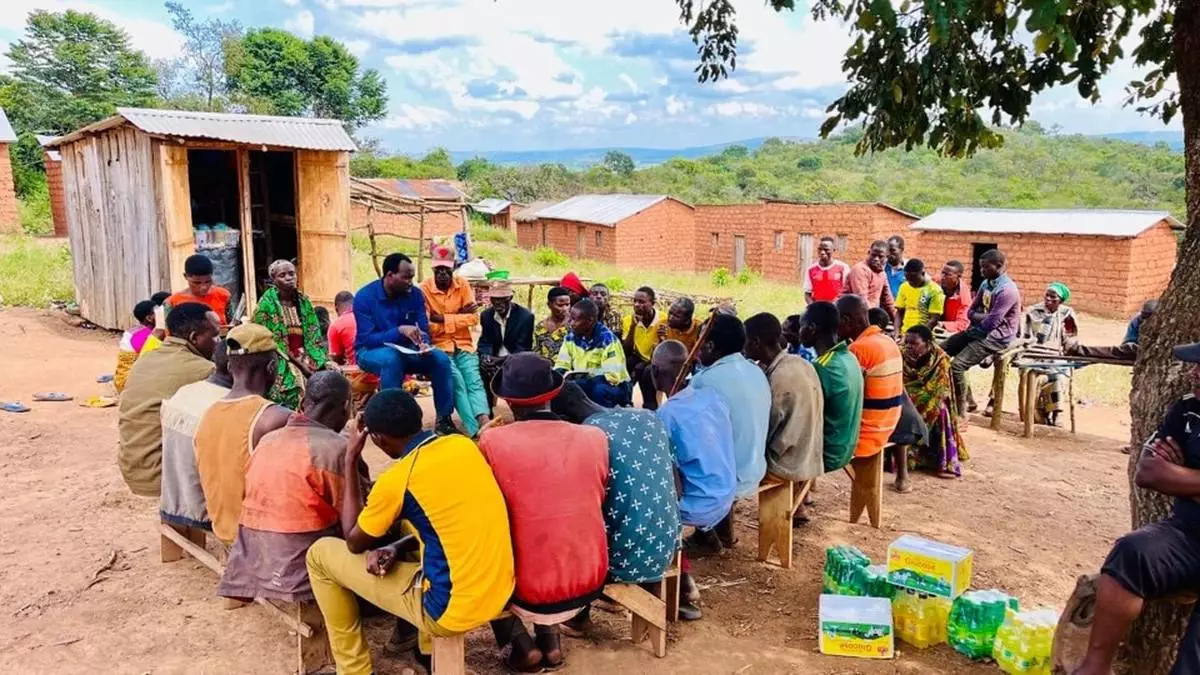
Figure 5: TNCL Community Relations Manager presenting at a feedback meeting in Kahororo
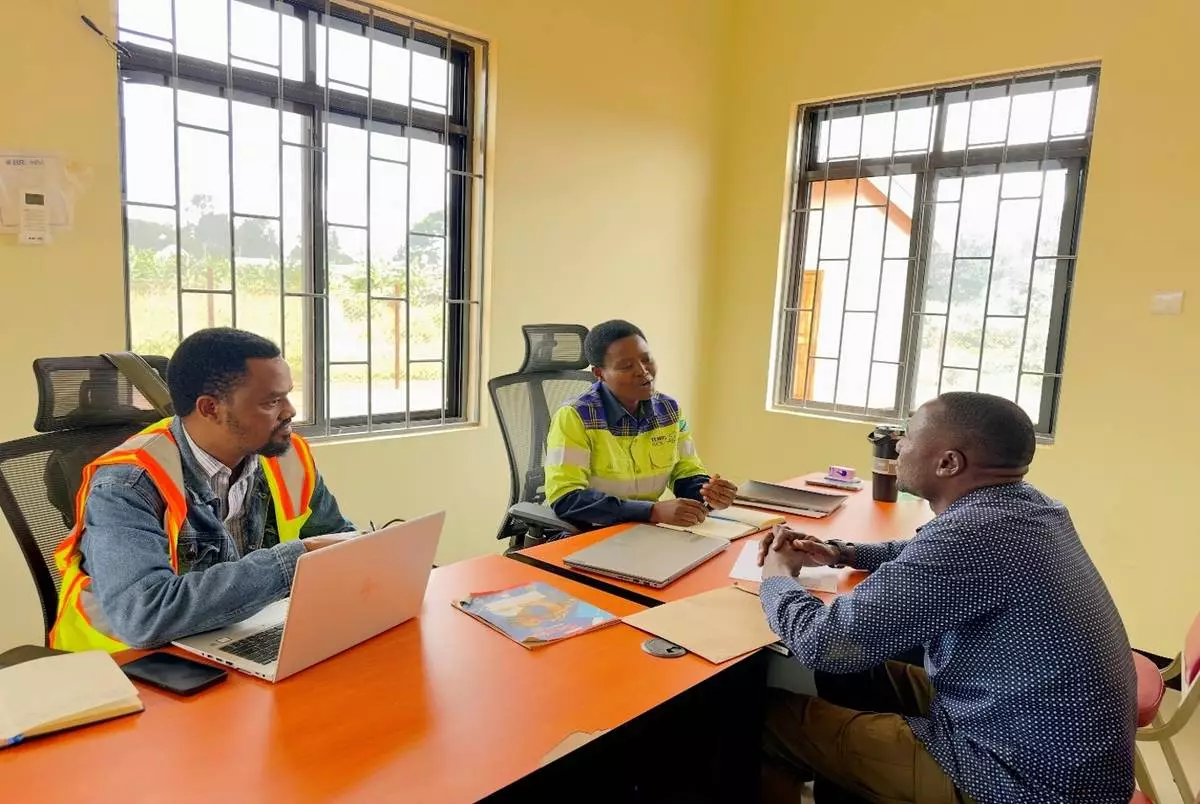
Figure 4: TNCL Community Relations team and community members meeting at the newly converted Community Liaison Office in Rwinyana
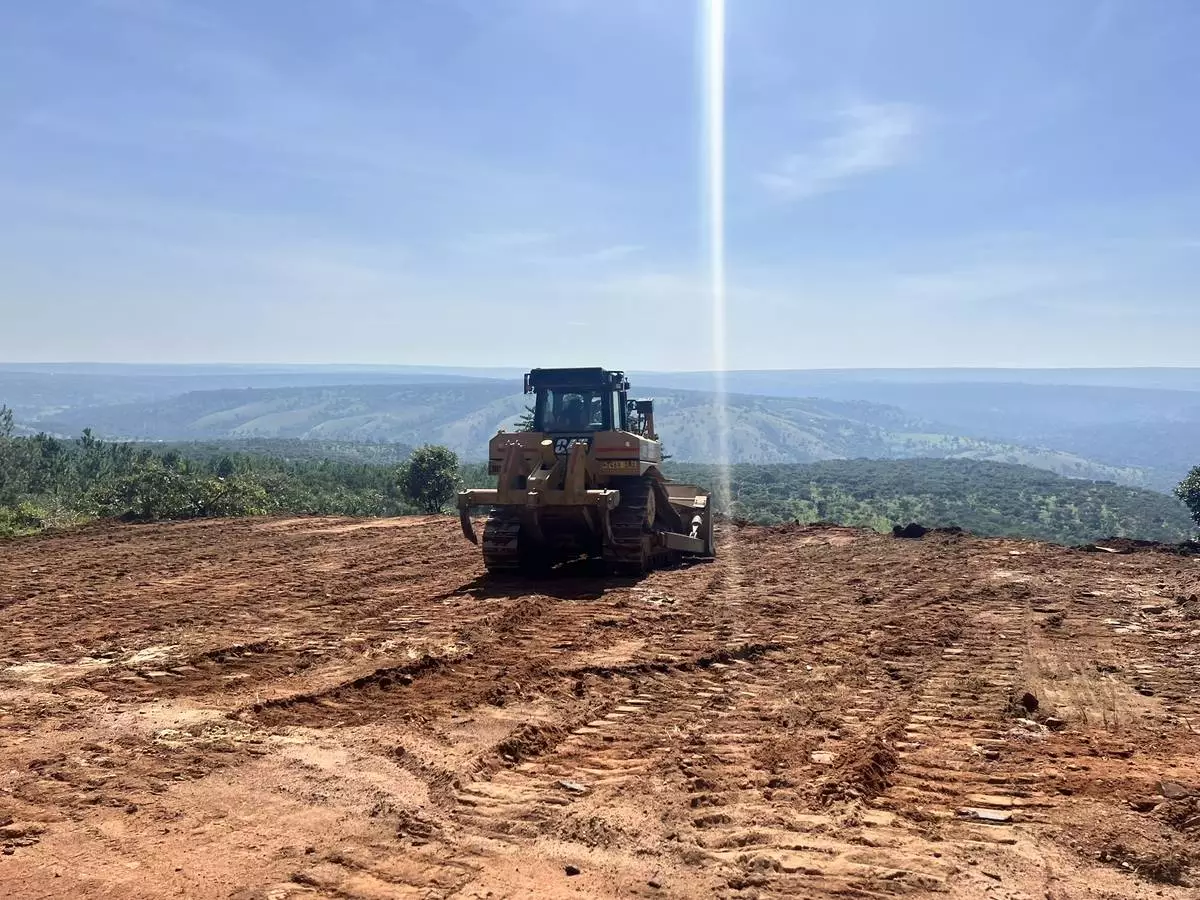
Figure 3: Project area land clearing
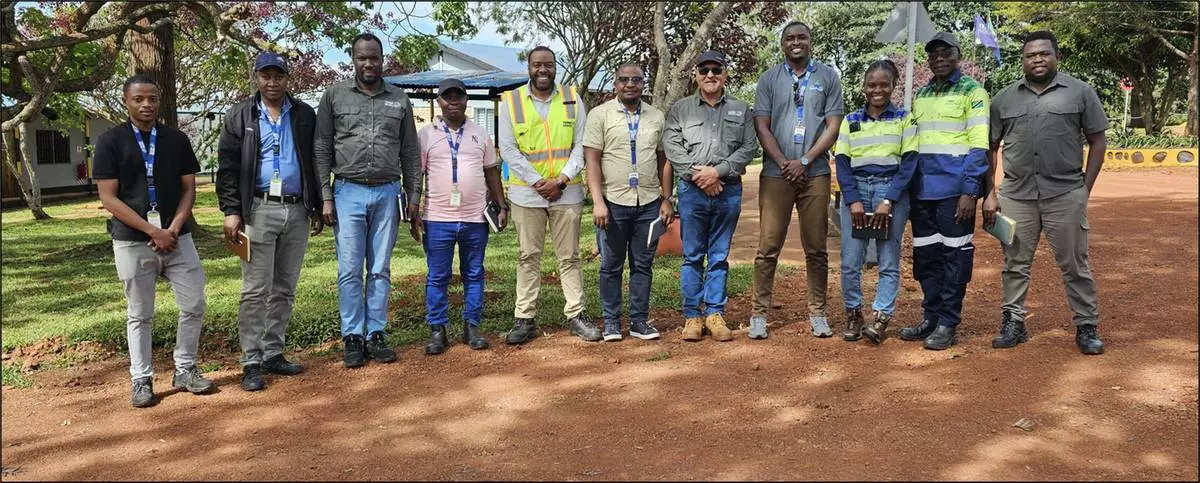
Figure 2: Mining Commission and RMO Team during a Kabanga site visit to inspect TNCL’s Prospective Licenses
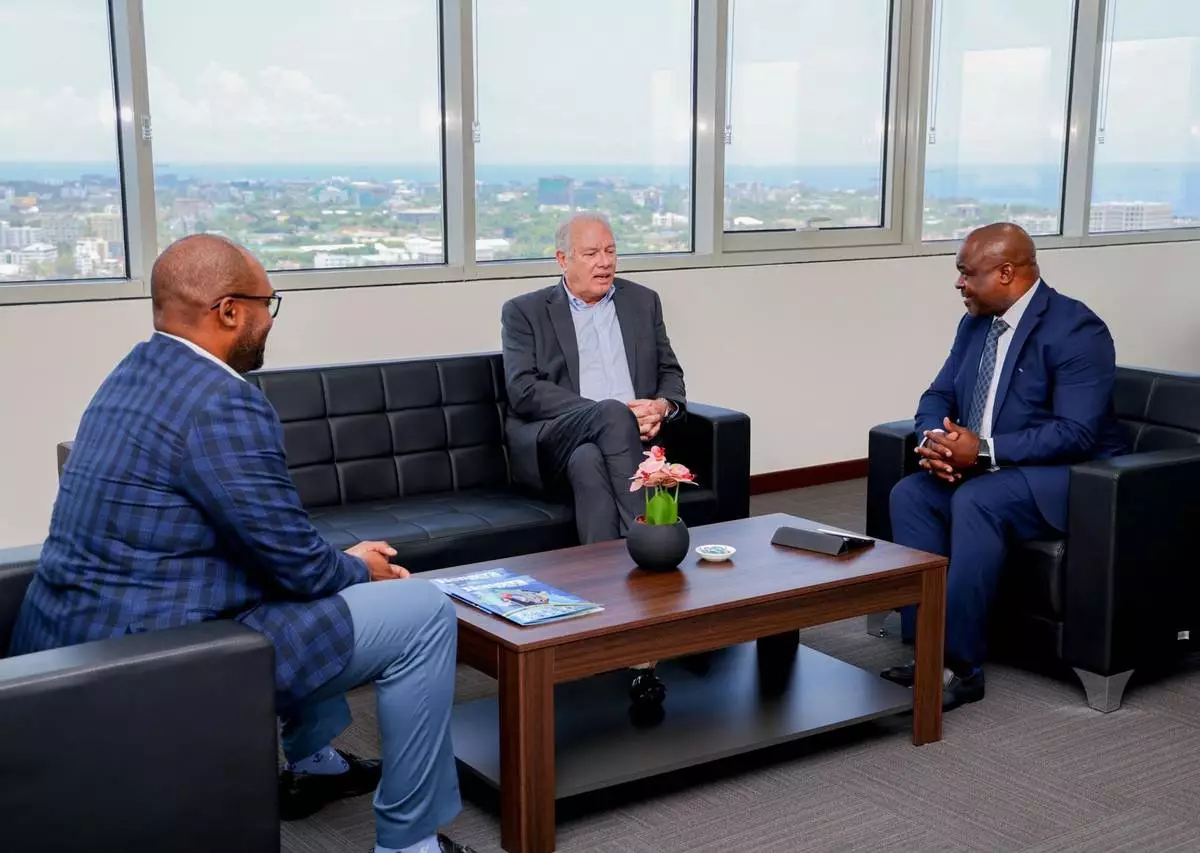
Figure 1: Lifezone Chairman, Keith Liddell, TNCL CEO, Benedict Busunzu with Tanzanian Treasury Registrar, Nehemiah Mchechu, ahead of meeting with H.E. President of Tanzania, Dr Samia Suluhu Hassan