Skip to Content Facebook Feature Image

Wisconsin's appeals court overturns ruling that had restored collective bargaining power

News

Wisconsin's appeals court overturns ruling that had restored collective bargaining power
News

News

Wisconsin's appeals court overturns ruling that had restored collective bargaining power

2026-07-30 01:20 Last Updated At:02:00

MADISON, Wis. (AP) — A Wisconsin appeals court on Wednesday restored a 2011 anti-union law that abolished collective bargaining rights, in a setback for unions and public workers. Unions are expected to appeal, sending the case to the Wisconsin Supreme Court, which is controlled by liberal justices.

The 2024 ruling striking down the law as unconstitutional had been on hold pending appeal, so Wednesday’s reversal does not change the status quo. The law remains in effect, as it has been the past 15 years, as the legal fight continues.

More Images
FILE - Wisconsin Gov. Scott Walker talks to the media Feb. 17, 2011, at the State Capitol in Madison, Wis., in response to several state Senators leaving the state to block his bill that would eliminate collective bargaining rights for many state workers. (AP Photo/Andy Manis, File)
FILE - Wisconsin Gov. Scott Walker talks to the media Feb. 17, 2011, at the State Capitol in Madison, Wis., in response to several state Senators leaving the state to block his bill that would eliminate collective bargaining rights for many state workers. (AP Photo/Andy Manis, File)

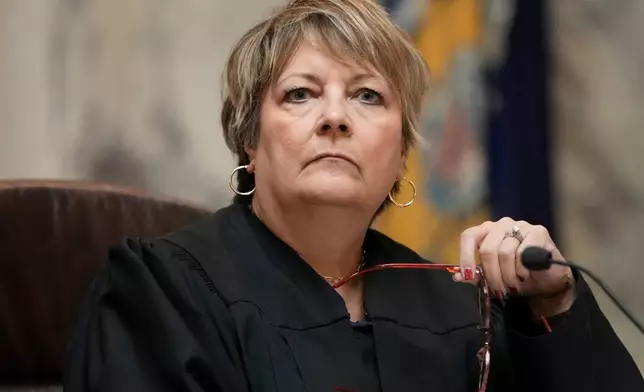
FILE - Wisconsin Supreme Court Justice Janet Protasiewicz attends her first hearing as a justice, Sept. 7, 2023, in Madison, Wis. (AP Photo/Morry Gash, File)

FILE - Wisconsin Supreme Court Justice Janet Protasiewicz attends her first hearing as a justice, Sept. 7, 2023, in Madison, Wis. (AP Photo/Morry Gash, File)

FILE - Protestors, and supporters, of Wisconsin Gov. Scott Walker's bill to eliminate collective bargaining rights for many state workers gather outside the state Capitol in Madison, Wis. on Feb. 19, 2011. (AP Photo/Andy Manis, File)

FILE - Protestors, and supporters, of Wisconsin Gov. Scott Walker's bill to eliminate collective bargaining rights for many state workers gather outside the state Capitol in Madison, Wis. on Feb. 19, 2011. (AP Photo/Andy Manis, File)

FILE - AFSCME member Merryann Wen helps hold up an American flag as she marches around the Capitol Square in Madison, Wis., Feb. 19, 2011. (AP Photo/Andy Manis, File)

FILE - AFSCME member Merryann Wen helps hold up an American flag as she marches around the Capitol Square in Madison, Wis., Feb. 19, 2011. (AP Photo/Andy Manis, File)

FILE - Protestors of Wisconsin Gov. Scott Walker's bill to eliminate collective bargaining rights for many state workers pack the rotunda at the State Capitol Feb. 17, 2011, in Madison, Wis. (AP Photo/Andy Manis, File)

FILE - Protestors of Wisconsin Gov. Scott Walker's bill to eliminate collective bargaining rights for many state workers pack the rotunda at the State Capitol Feb. 17, 2011, in Madison, Wis. (AP Photo/Andy Manis, File)

Enactment of a 2011 anti-union state law, championed by Republicans, sparked weeks of protests and made Wisconsin the center of a national battle over union rights.

That law, known as Act 10, effectively ended most public employees′ ability to bargain for wage increases and other issues, and forced them to pay more for health insurance and retirement benefits.

Supporters of the law say it gives local governments more control over workers and the powers needed to cut costs. They argue that repealing the law, which allowed schools and local governments to raise money through higher employee contributions for benefits, would bankrupt those entities.

Opponents argue the law has hurt schools and government agencies by stripping employees of the right to collectively bargain over pay and working conditions.

Christina Brey, a spokesperson for the unions that brought the lawsuit, said they remain confident on the merits of the case and that they are considering all available options.

“Wisconsin is better when all employees have a say in our workplaces, whether about class sizes in our schools, safety on the job, hours or any other number of areas,” Brey said. “Public service workers across the state won’t stop until we regain free, fair and full collective bargaining rights to negotiate with our employers.”

Former Republican Gov. Scott Walker, who introduced and championed the law, praised the decision.

“This ruling is a major win for the hard-working taxpayers of Wisconsin and the people they elect to run our schools, state, and local governments,” Walker said in a text message.

All five of the Democratic candidates for governor this year have vowed to repeal the law if elected. The primary is Aug. 11.

The law was Walker’s signature legislative achievement, catapulting him onto the national political stage and spurring an unsuccessful attempt to recall him from office. Walker used the furor to mount a brief, ill-fated run for president that ended in 2015.

The Republican-controlled Legislature approved the law despite the massive protests that went on for weeks and drew as many as 100,000 people to the state Capitol.

The law effectively ended collective bargaining for most public unions by allowing them to bargain solely over base wage increases no greater than inflation. It also disallowed the automatic withdrawal of union dues, required annual recertification votes for unions, and forced public workers to pay more for health insurance and retirement benefits. It led to a dramatic decrease in union membership across Wisconsin.

The law has withstood numerous legal challenges over the years, but this is the first since the Wisconsin Supreme Court flipped to liberal control in 2023.

The lawsuit, filed by seven unions and three union leaders, argued Act 10 should be struck down because it creates unconstitutional exemptions for firefighters and other public safety workers. Attorneys for the Legislature and state agencies countered that the exemptions are legal, have already been upheld by other courts, and that the case should be dismissed.

The Legislature said in court filings that arguments made in the current case were rejected in 2014 by the state Supreme Court. The only change since that ruling is the makeup of the Wisconsin Supreme Court, attorneys for the Legislature said.

The three-judge appeals court panel ruled in a 2-1 decision to overturn a December 2024 ruling from Dane County Circuit Judge Jacob Frost, saying the challenged provisions of the law did not violate equal protection guarantees of the Wisconsin Constitution.

The lower court “had no legal basis” to declare the law unconstitutional, the appeals court said.

The Wisconsin Legislature had a “rational basis” for only placing certain public safety workers under the law, the appeals court said.

“Courts must respect both precedent and our role in deferring to the Legislature’s fiscal policy decisions,” the appeals court said.

Appeals Court Judge Shelley Grogan said in a concurring opinion that the timing of the lawsuit was “to say the least, suspect.” The lawsuit was filed in November 2023, three months after the Wisconsin Supreme Court switched from majority conservative control to a majority of liberal justices.

“Renewed attempts to attack Act 10 on already-rejected bases simply because the composition of our supreme court has changed must be rejected,” Grogan wrote. “A law’s constitutionality does not ebb and flow with a court’s composition, and the judicial branch must not be used to advance political agendas on either side of the political spectrum.”

Appeals Court Judge Lisa Neubauer, the lone liberal on the three-judge panel, dissented, saying the lower court was correct. She said the Legislature made “arbitrary and irrational distinctions” by taking away collective bargaining rights from some public employees but not others.

FILE - Wisconsin Gov. Scott Walker talks to the media Feb. 17, 2011, at the State Capitol in Madison, Wis., in response to several state Senators leaving the state to block his bill that would eliminate collective bargaining rights for many state workers. (AP Photo/Andy Manis, File)
FILE - Wisconsin Gov. Scott Walker talks to the media Feb. 17, 2011, at the State Capitol in Madison, Wis., in response to several state Senators leaving the state to block his bill that would eliminate collective bargaining rights for many state workers. (AP Photo/Andy Manis, File)

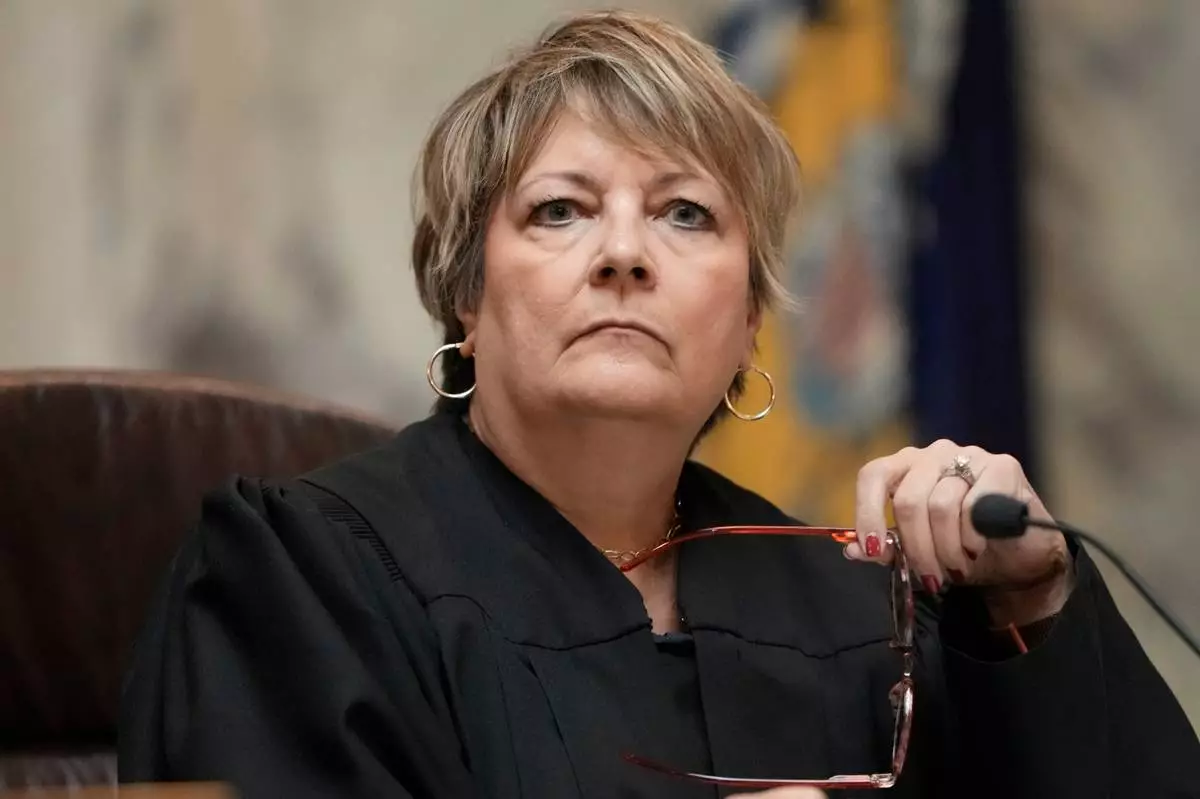
FILE - Wisconsin Supreme Court Justice Janet Protasiewicz attends her first hearing as a justice, Sept. 7, 2023, in Madison, Wis. (AP Photo/Morry Gash, File)

FILE - Wisconsin Supreme Court Justice Janet Protasiewicz attends her first hearing as a justice, Sept. 7, 2023, in Madison, Wis. (AP Photo/Morry Gash, File)

FILE - Protestors, and supporters, of Wisconsin Gov. Scott Walker's bill to eliminate collective bargaining rights for many state workers gather outside the state Capitol in Madison, Wis. on Feb. 19, 2011. (AP Photo/Andy Manis, File)

FILE - Protestors, and supporters, of Wisconsin Gov. Scott Walker's bill to eliminate collective bargaining rights for many state workers gather outside the state Capitol in Madison, Wis. on Feb. 19, 2011. (AP Photo/Andy Manis, File)

FILE - AFSCME member Merryann Wen helps hold up an American flag as she marches around the Capitol Square in Madison, Wis., Feb. 19, 2011. (AP Photo/Andy Manis, File)

FILE - AFSCME member Merryann Wen helps hold up an American flag as she marches around the Capitol Square in Madison, Wis., Feb. 19, 2011. (AP Photo/Andy Manis, File)

FILE - Protestors of Wisconsin Gov. Scott Walker's bill to eliminate collective bargaining rights for many state workers pack the rotunda at the State Capitol Feb. 17, 2011, in Madison, Wis. (AP Photo/Andy Manis, File)

FILE - Protestors of Wisconsin Gov. Scott Walker's bill to eliminate collective bargaining rights for many state workers pack the rotunda at the State Capitol Feb. 17, 2011, in Madison, Wis. (AP Photo/Andy Manis, File)
PLYMOUTH, Mass. (AP) — Lindsay Clancy sobbed in court Wednesday as jurors listened to her husband's anguished 911 call after he came back from an errand to find she’d strangled their three children in their Massachusetts home.

On the roughly 7-minute recording, Patrick Clancy can be heard speaking with his wife upon finding her badly injured and bleeding in their yard, after she jumped from the home’s second-story window.

“Look at me,” he says. “Say my name.”

He then tells the dispatcher he's going to check on the children. Moments later, he howls and cries after finding them in the basement. The confused dispatcher repeatedly asks what happened.

“She killed the kids!" he yells.

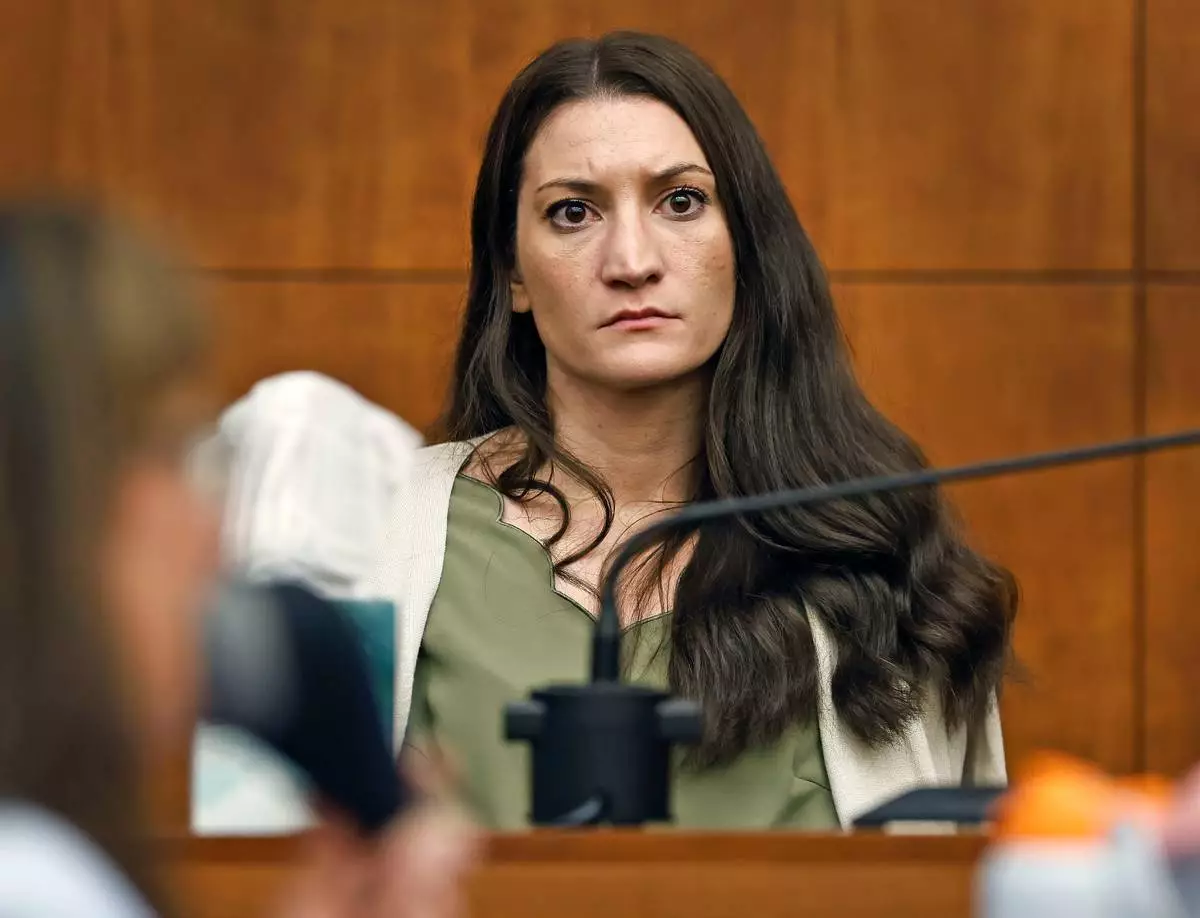
Three years after the killings, the trial has centered on Lindsay Clancy’s mental state. Her lawyers will seek to prove she had postpregnancy psychosis, a rare mental illness linked to the stress, sleep deprivation and hormonal changes that follow childbirth.

Prosecutors say Clancy, a former labor and delivery nurse at Massachusetts General Hospital, acted intentionally and should be held criminally responsible for the deaths of 3-year-old Dawson, 5-year-old Cora, and 8-month-old Callan in January 2023.

EDITOR’S NOTE: If you or someone you know needs help, the national suicide and crisis lifeline in the U.S. is available by calling or texting 988. There is also an online chat at 988lifeline.org

Her lawyer said Monday she had bipolar disorder, and that antidepressants prescribed after the birth of her third child worsened her condition. On the day of the killings, Lindsay Clancy said she heard voices telling her, “This is your last chance. Kill the children so you can kill yourself,” according to her lawyer.

If convicted of murder, she faces life in prison without parole. If found not guilty due to a lack of criminal responsibility, she would be committed to a state mental health facility.

Patrick Clancy has said in interviews that he forgives his ex-wife, whom he viewed as ill rather than evil.

Patrick Clancy testified Wednesday that his last image of Dawson was of the boy sitting on the couch eating chicken nuggets and green beans. Lindsay Clancy had asked her husband to make a quick trip for takeout food and medication for Cora at a pharmacy.

Jurors watched surveillance video from the pharmacy showing Patrick Clancy call his wife with a question about which medicine to get.

“She was pretty quiet. It sounded like she was busy,” he testified Wednesday. “I remember hanging up thinking she was probably in the middle of giving baths or something like that.”

Returning home, the house was unusually quiet.

He called out to his family, then searched until finding blood throughout the main bedroom and a window open. Lindsay Clancy had used multiple methods to try to end her own life and remains paralyzed from the waist down because of the fall.

In the yard, she told her husband that the kids were in the basement, without saying they were dead, he testified. He said he didn’t realize he was still connected to the 911 dispatcher as he ran downstairs to find their bodies. Each had been strangled with exercise bands.

Lindsay Clancy's parents, seated in the front of the courtroom, also cried as the call was played. Patrick had already left court after finishing his testimony.

Patrick Clancy testified Monday about his wife's deteriorating mental health in the months before the killings, including describing intrusive thoughts of harming the children and of suicide.

Lindsay Clancy had sought care from experts in postpregnancy mood disorders, was put on multiple psychiatric medications, and when nothing worked, checked in to a psychiatric hospital. She killed the children 19 days after she was discharged.

She had appeared to be doing better as recently as two weeks before the killings, Patrick Clancy testified Monday. He said the day of the killings had seemed to be one of her “best days.”

Postpartum psychosis is estimated to afflict only 1 to 2 per 1,000 women after delivery. Experts at the Cleveland Clinic describe it as a mental health emergency affecting someone’s sense of reality.

Postpartum depression is a mood disorder that can also be dangerous but is much more common.

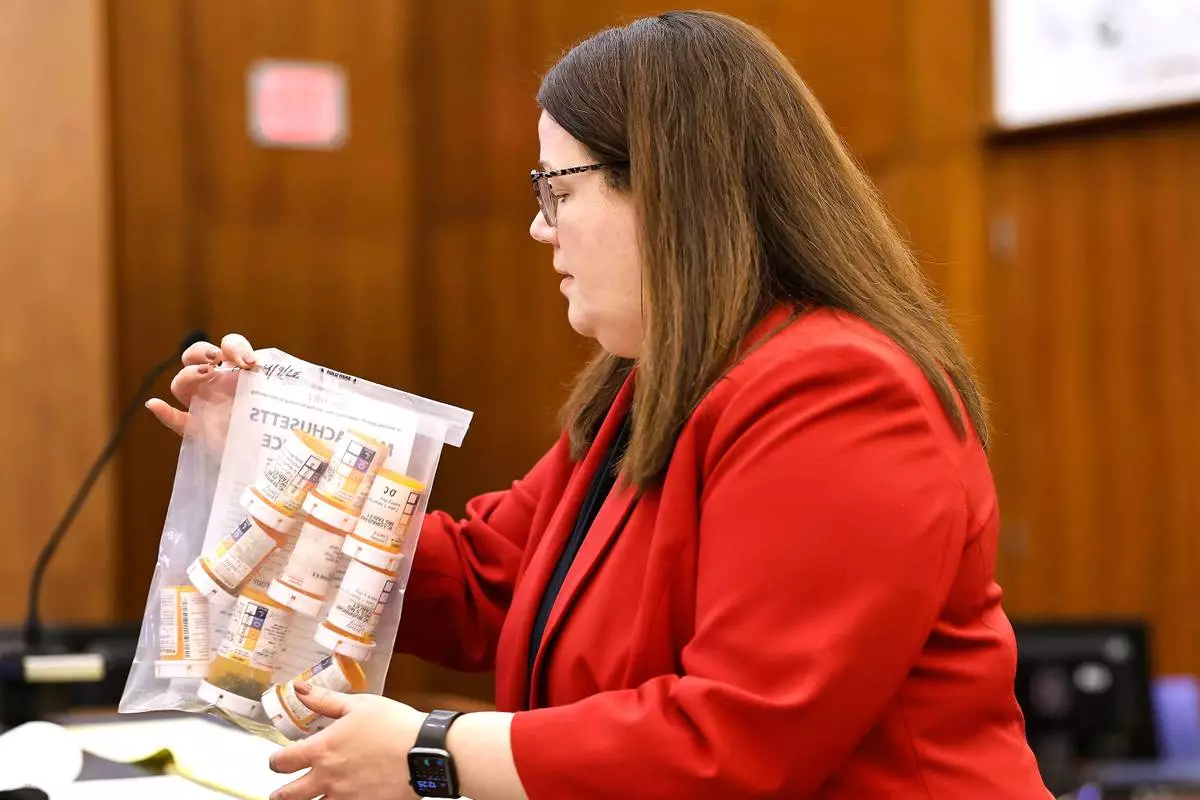
Jennifer Sprague, a prosecutor with the Plymouth County District Attorney's Office, enters a bag of prescription pills as evidence in Lindsay Clancy's trial, Monday, July 27, 2026, at Plymouth Superior Court in Plymouth, Mass. (Greg Derr/The Patriot Ledger via AP, Pool)

Jennifer Sprague, a prosecutor with the Plymouth County District Attorney's Office, enters a bag of prescription pills as evidence in Lindsay Clancy's trial, Monday, July 27, 2026, at Plymouth Superior Court in Plymouth, Mass. (Greg Derr/The Patriot Ledger via AP, Pool)

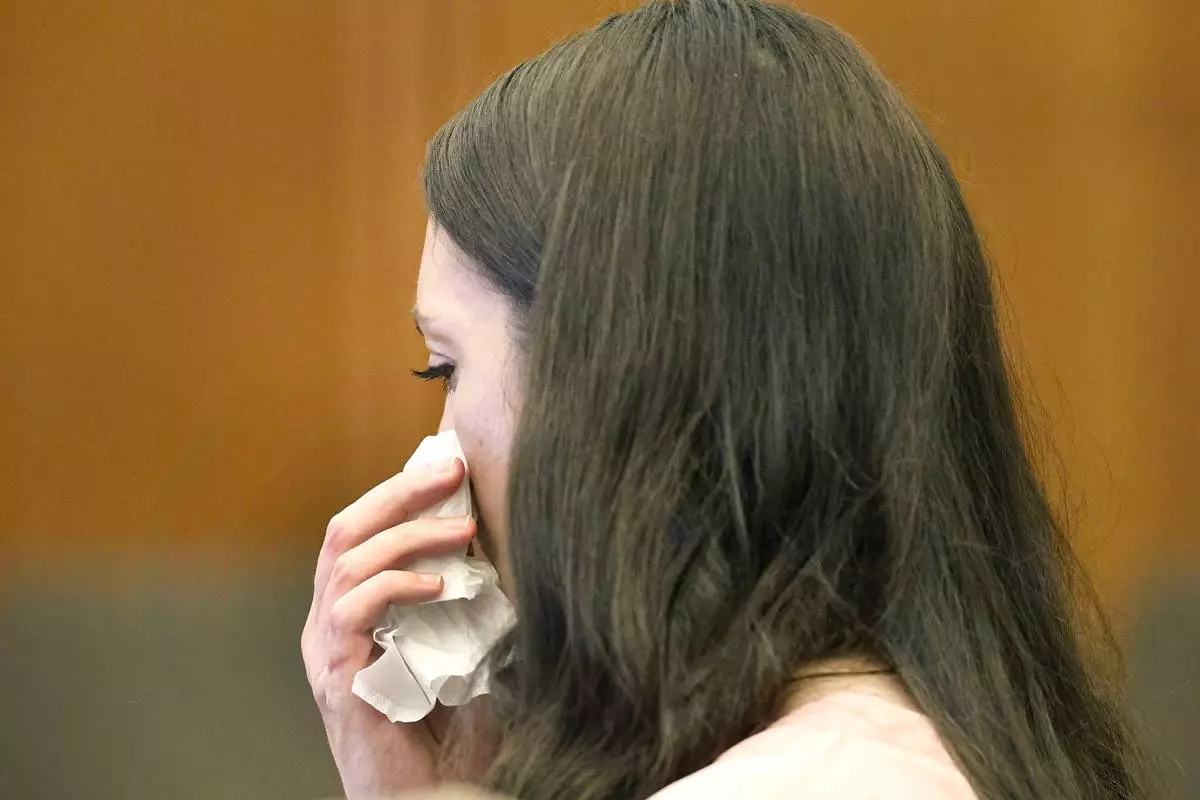
Defendant Lindsay Clancy fights back tears as the details of her children's death are read in court at Plymouth Superior Court in Plymouth, Mass., Monday, July 27, 2026. (Greg Derr/The Patriot Ledger via AP, Pool)

Defendant Lindsay Clancy fights back tears as the details of her children's death are read in court at Plymouth Superior Court in Plymouth, Mass., Monday, July 27, 2026. (Greg Derr/The Patriot Ledger via AP, Pool)

Lindsay Clancy waits for the judge to call a prospective jury member into court in her murder trial where she is charged in the 2023 killing of her three children, Wednesday, July 22, 2026, in Plymouth Superior Court in Plymouth, Mass. (Greg Derr/The Patriot Ledger via AP, Pool)

Lindsay Clancy waits for the judge to call a prospective jury member into court in her murder trial where she is charged in the 2023 killing of her three children, Wednesday, July 22, 2026, in Plymouth Superior Court in Plymouth, Mass. (Greg Derr/The Patriot Ledger via AP, Pool)

Patrick Clancy reacts as images of himself and his children on vacation a month before they were killed is shown in the courtroom at Plymouth Superior Court in Plymouth, Mass., Monday, July 27, 2026. (Greg Derr/The Patriot Ledger via AP, Pool)

Patrick Clancy reacts as images of himself and his children on vacation a month before they were killed is shown in the courtroom at Plymouth Superior Court in Plymouth, Mass., Monday, July 27, 2026. (Greg Derr/The Patriot Ledger via AP, Pool)

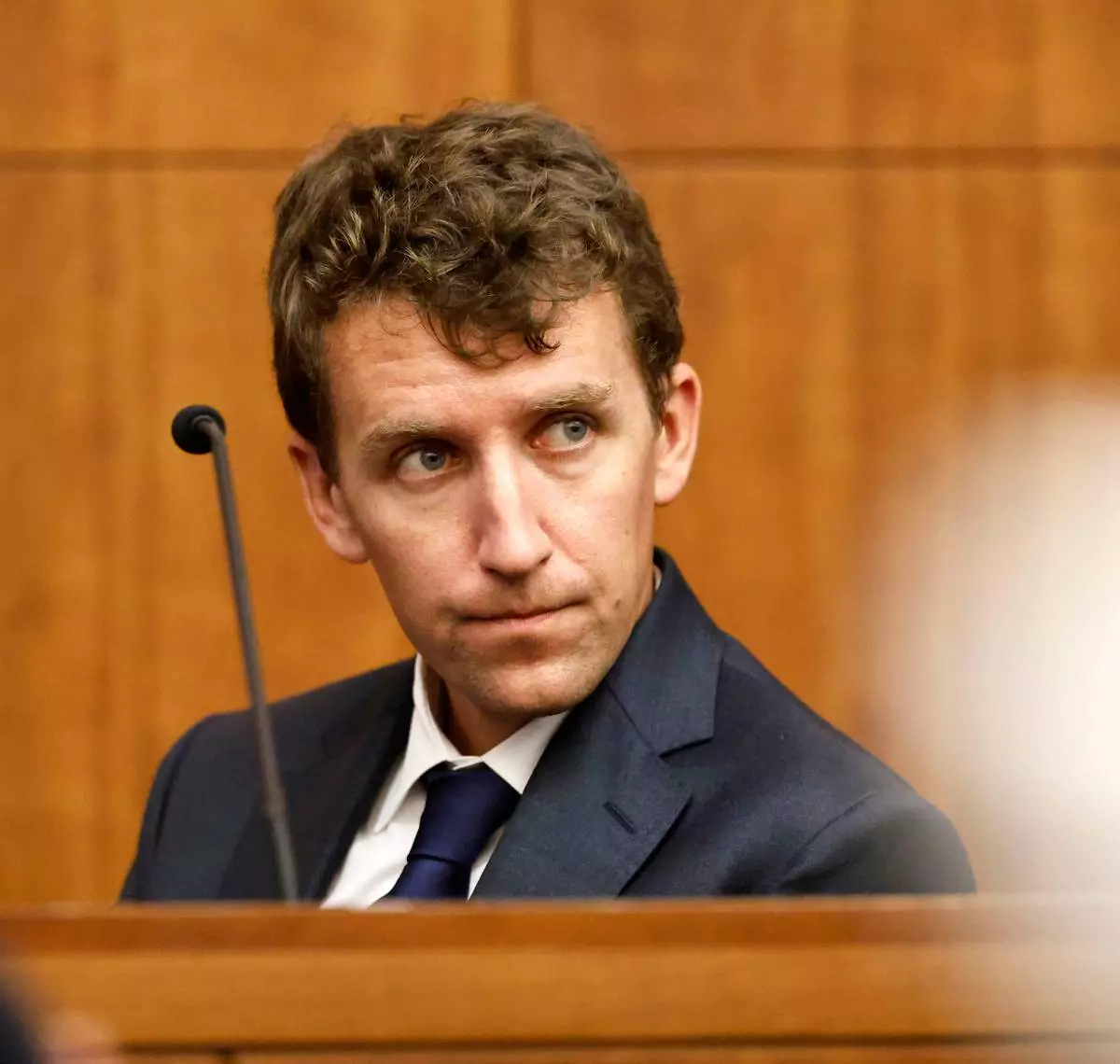
Patrick Clancy glances over at the defense table and his ex wife Lindsay Clancy is seated during her murder trial at the Plymouth Superior Court in Plymouth, Mass., Monday, July 27, 2026. (Greg Derr/The Patriot Ledger via AP, Pool)

Patrick Clancy glances over at the defense table and his ex wife Lindsay Clancy is seated during her murder trial at the Plymouth Superior Court in Plymouth, Mass., Monday, July 27, 2026. (Greg Derr/The Patriot Ledger via AP, Pool)

Lindsay Clancy cries as she sees images of herself with her children playing at a indoor waterpark a month before they were killed during her trial in the Plymouth Superior Court in Plymouth, Mass., Monday, July 27, 2026. (Greg Derr/The Patriot Ledger via AP, Pool)

Lindsay Clancy cries as she sees images of herself with her children playing at a indoor waterpark a month before they were killed during her trial in the Plymouth Superior Court in Plymouth, Mass., Monday, July 27, 2026. (Greg Derr/The Patriot Ledger via AP, Pool)

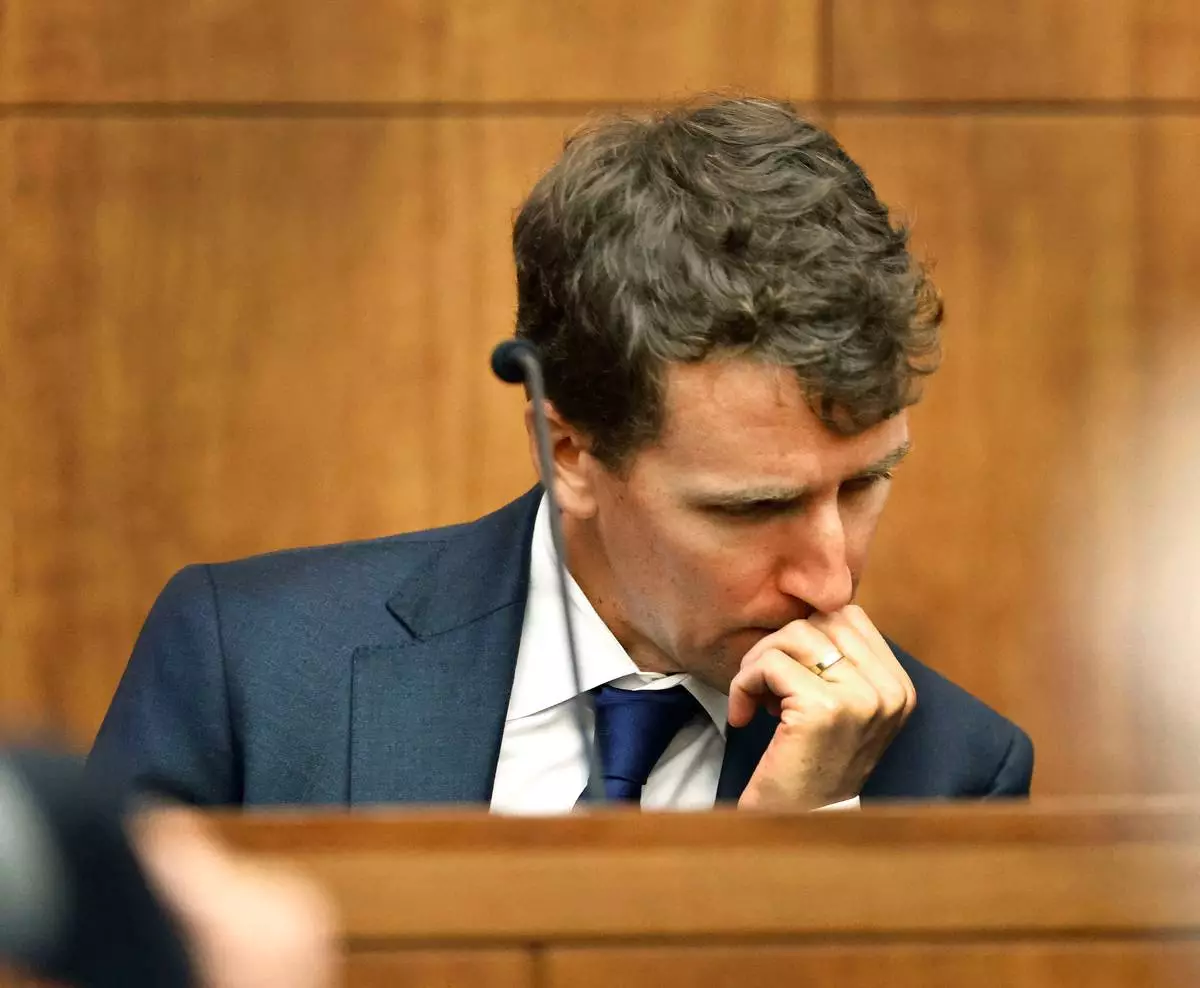
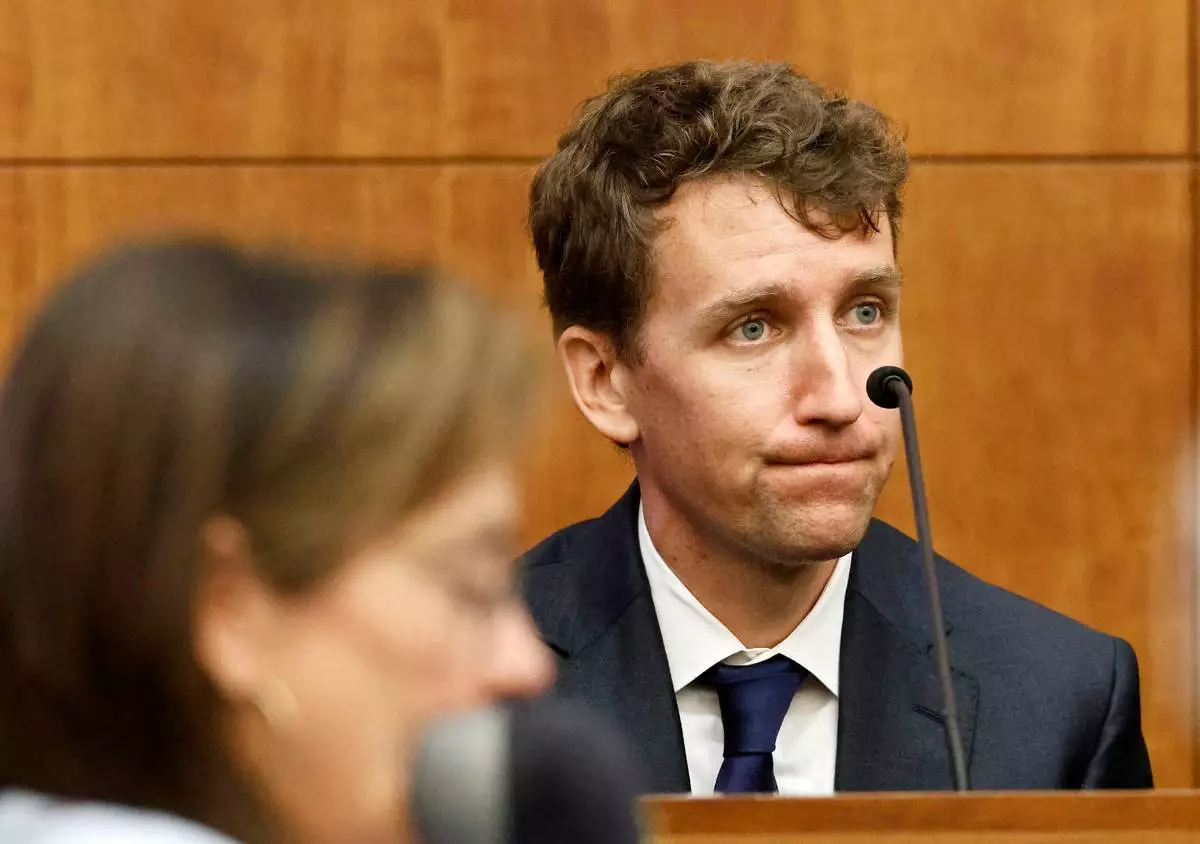
Patrick Clancy, the father of Cora, Dawson and Callan Clancy testifies for the prosecution against his ex wife Lindsay Clancy at Plymouth Superior Court in Plymouth, Mass., Monday, July 27, 2026. (Greg Derr/The Patriot Ledger via AP, Pool)

Patrick Clancy, the father of Cora, Dawson and Callan Clancy testifies for the prosecution against his ex wife Lindsay Clancy at Plymouth Superior Court in Plymouth, Mass., Monday, July 27, 2026. (Greg Derr/The Patriot Ledger via AP, Pool)

Recommended Articles