China sent new communication technology test satellites into space from the Taiyuan Satellite Launch Center in north China's Shanxi Province on Thursday.
The satellites were launched at 9:00 (Beijing Time) aboard a modified Long March-6 carrier rocket and entered their planned orbits successfully.
They will be mainly used for services such as satellite communications, broadcasting and television, and data transmission, as well as to carry out related technology tests and verification.
This was the 660th flight mission of the Long March carrier rocket series.
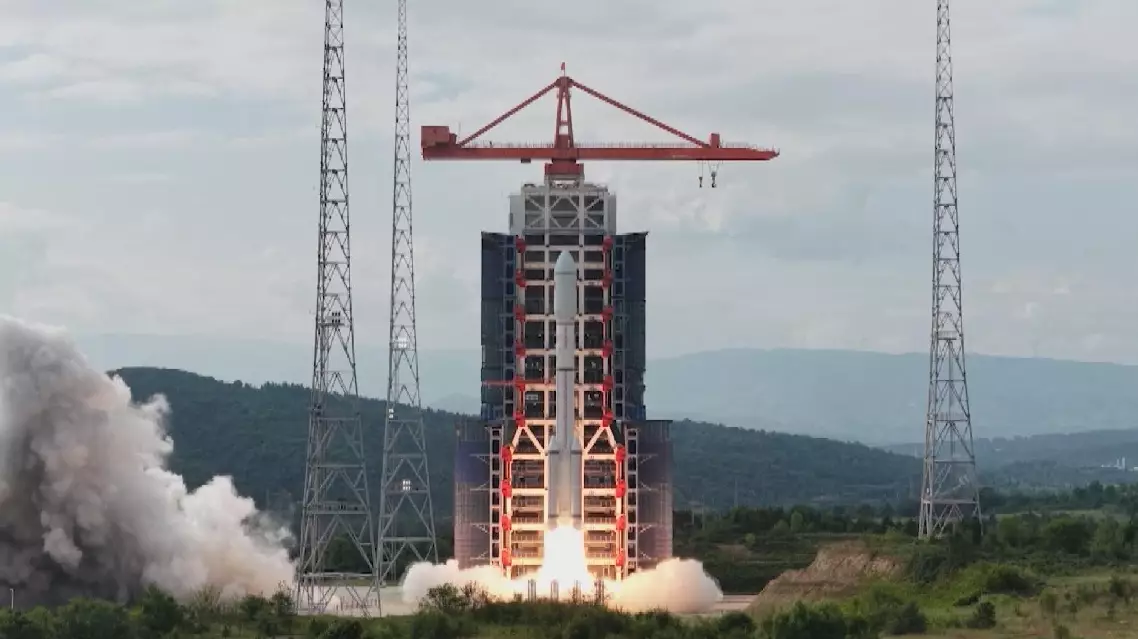
China launches new communication technology test satellites
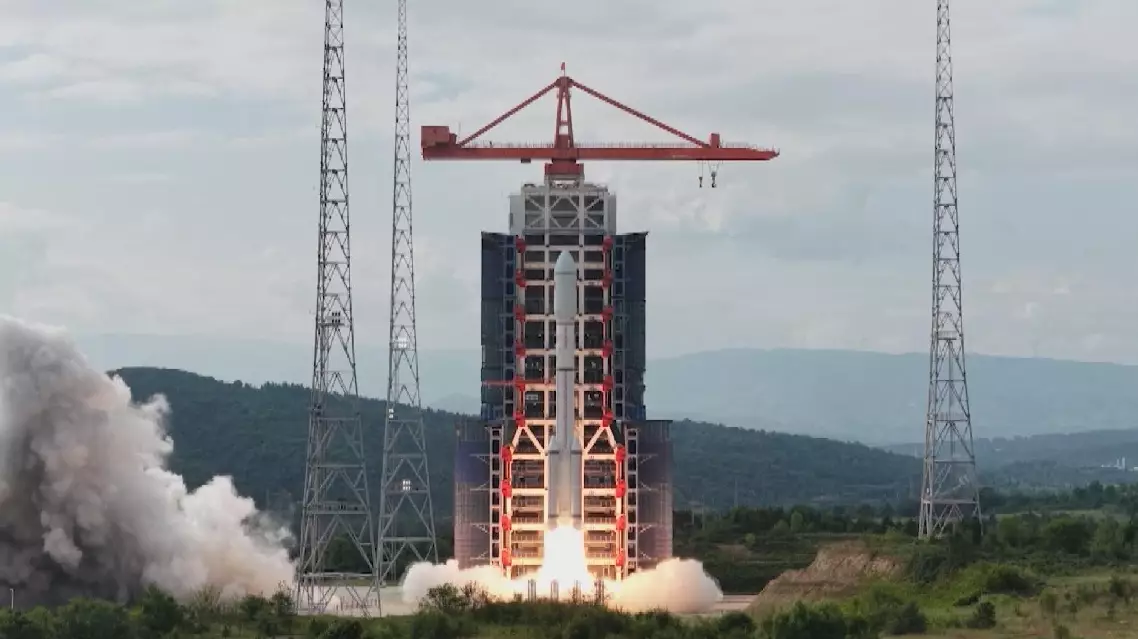
China launches new communication technology test satellites
China's sports industry is now positioned as a dynamic growth engine for the national economy, with the General Administration of Sport recently releasing a plan for building a leading sports nation during the 15th Five-Year Plan period (2026-2030).
Setting a target of exceeding 7 trillion yuan (about 1.03 trillion U.S. dollars) in total industry value by 2030, the plan identifies event economy as the core lever for driving sports industry development. It explicitly calls for improving the competitive sporting performances industry chain, and establishing an event economic ecosystem centered on independent intellectual property events.
"The plan, on the one hand, leverages the influence and comprehensive driving effect of city leagues such as for football and basketball. On the other hand, it continues to support grassroots mass events such as Village Super League, Village Basketball Association, and Village Volleyball, strengthening the sports event economy at different levels," said Wang Zhaohong, vice dean of the School of Physical Education and Sports at Beijing Normal University.
In Rongjiang County, Qiandongnan Miao and Dong Autonomous Prefecture, southwest China's Guizhou Province, this year's "Village Super League" has reached new heights in scale, with 137 village teams actively participating and more than 520 exciting matches held so far, fully demonstrating the vigorous vitality of mass sports.
The local authorities have integrated the new season's events with intangible cultural heritage performances, creating an entirely new "Village Super League Village Gala". This uniquely rural-flavored event intellectual property has attracted approximately 5.06 million visits over the past six months through the "traveling with events" trend, which led to an increase in the number of visitors by 7.20 percent year on year.
Professional events are equally booming. Since the start of the 2026 season, attendance figures for the Chinese Super League have continued to climb, repeatedly setting records. Tickets to multiple home stadiums including Beijing Workers' Stadium, Chengdu Phoenix Hill Stadium, Dalian Suoyuwan Stadium, and Shanghai Stadium have been sold out like hot cakes. With its overall booming market, the Chinese Super League firmly holds the top spot in Asia for average attendance per match.
"Clubs are no longer focusing solely on 90-minute matches. Instead, through various home venue activities, they are transforming their home grounds into destinations for fan socializing, cultural check-ins, and family consumption, turning fans from 'spectators' into 'participants', and from 'consumers' into 'co-creators'," said Li Kemin, president of the Chinese Professional Football League (CFL).
From hosting international comprehensive sports events to independently creating event intellectual properties, China is innovatively building a distinctive and diversified sports event ecosystem.
"Sports will be an important field for unlocking the potential of service consumption. A single event drives not only ticket consumption, but also related consumption including dining, accommodation, transportation, tourism, and cultural and creative products. Looking ahead to the next five years, sports will be more deeply integrated into economic and social development," said Wei Guoxue, Director of the Strategic Planning Research Office, Institute of Social Development Research, National Development and Reform Commission (NDRC).
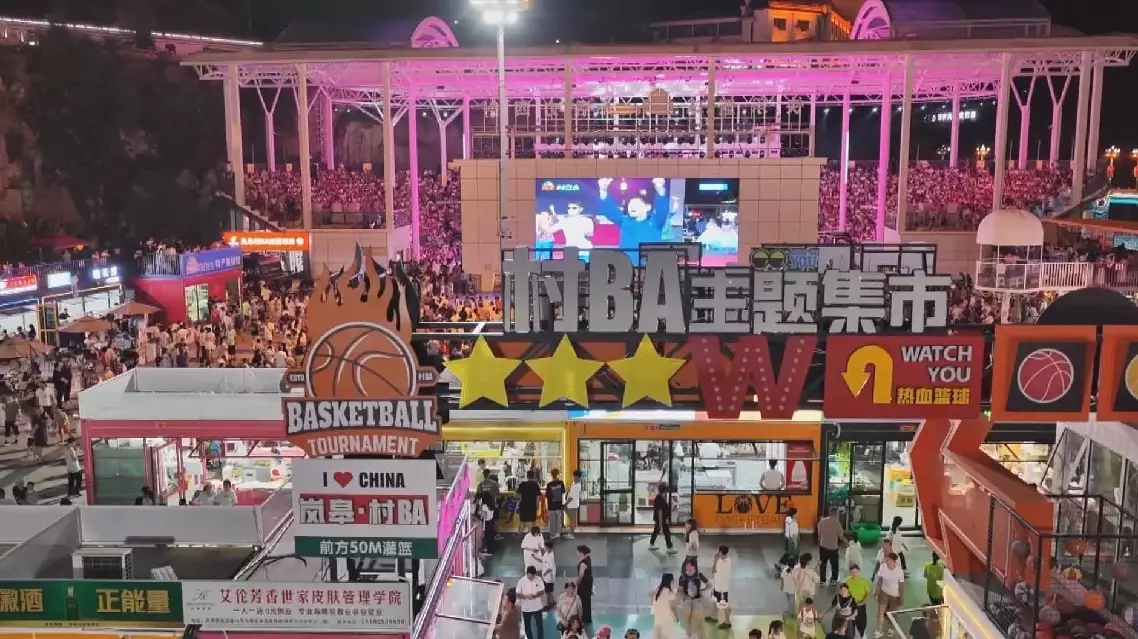
China targets 7 trillion-yuan sports industry, building event-driven economic ecosystem