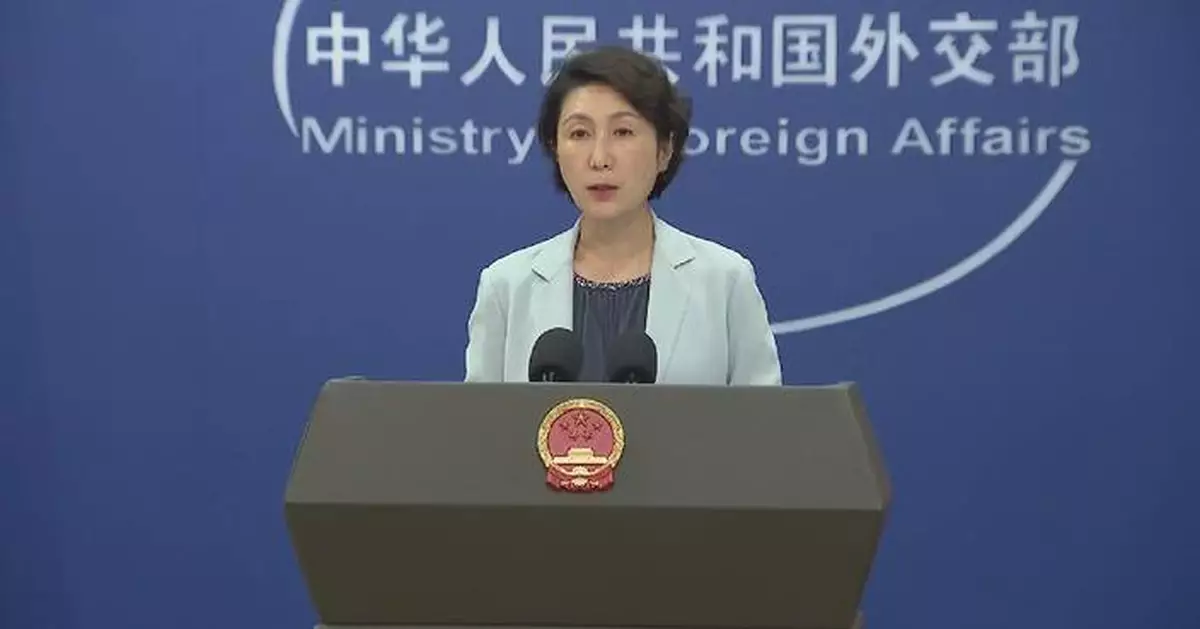
China has always adhered to a nuclear strategy of self-defense and does not participate in any arms race, positioning itself as a responsible stakeholder in the international nuclear governance system, Foreign Ministry spokeswoman Mao Ning said at a regular press conference on Thursday.
Mao responded to a reporter's query, noting that this year marks the 30th anniversary of the Comprehensive Nuclear-Test-Ban Treaty (CTBT), which bans all nuclear test explosions, and the 30th anniversary of China's self-imposed moratorium on nuclear testing, which was announced on July 29, 1996.
"Thirty years ago, the Chinese government solemnly announced to the world its suspension of nuclear tests. This decision not only responded to the calls of a vast number of non-nuclear-weapon states, but also made a historic contribution to the eventual conclusion of the Comprehensive Nuclear-Test-Ban Treaty, giving strong impetus to the international nuclear arms control process. Over the past three decades, China has strictly honored its moratorium on nuclear tests and actively supported international efforts to ban nuclear tests," Mao said.
China advocates the complete prohibition and thorough destruction of nuclear weapons, upholds the policy of no first use of nuclear weapons, and has made an unconditional commitment not to use or threaten to use nuclear weapons against non-nuclear-weapon states and nuclear-weapon-free zones, she said.
"China has always pursued a nuclear strategy of self-defense, maintained its nuclear forces at the minimum level required for national security, and does not participate in any form of nuclear arms race. China's nuclear capabilities serve as an indispensable force in deterring nuclear war and maintaining world peace, security, and strategic stability," Mao said.
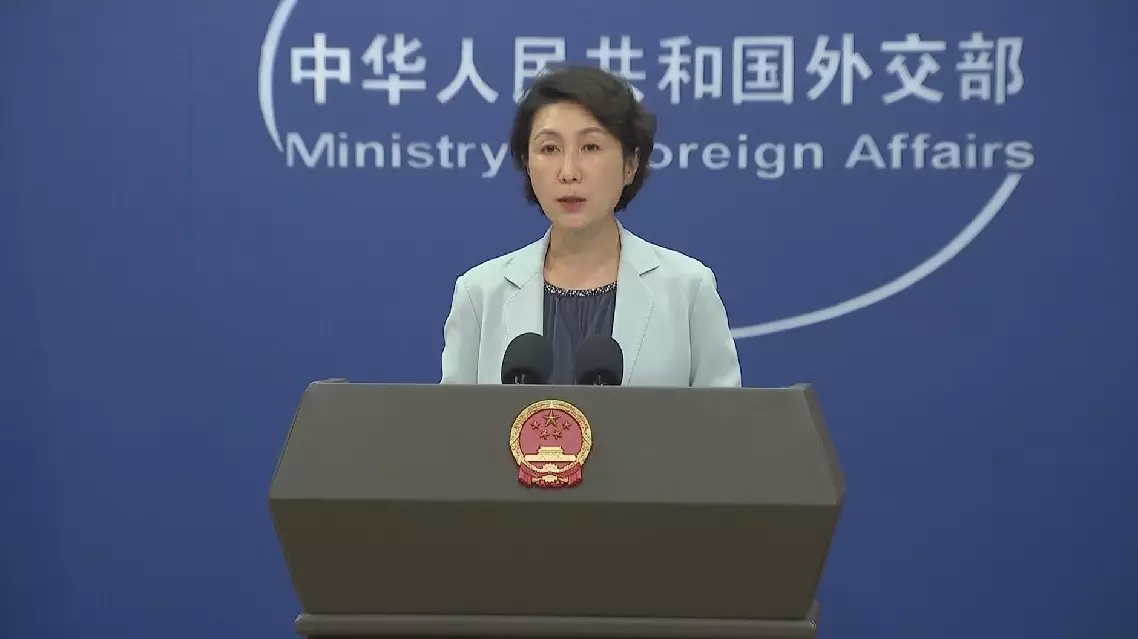
China reaffirms self-defense strategy against nuclear arms race: spokeswoman
China ensured a stable power supply in the first half of this year in four aspects as the geopolitical conflicts continue to disrupt the international oil and gas supply chain, according to the spokesman for the National Development and Reform Commission.
Spokesman Jiang Yi, also director of the commission's Policy Research Office, said at a press conference in Beijing on Friday that in the first half of the year, while meeting domestic energy demands, China has also made significant contributions to the stability of the global energy market and industrial and supply chains despite the complex and severe external environment.
Jiang said it is the super-large energy system in orderly operation that sustains a sense of security in domestic power consumption.
First, on the supply side, traditional energy has provided strong support, while new energy has become an important force in power supply, Jiang said.
Second, on the demand side, the green and low-carbon transformation continued to intensify, and the energy consumption structure continued to improve. Since the 18th National Congress of the Communist Party of China (2012), China's energy consumption has grown by 3.3 percent year after year on average, contributing an average of around 6 percent of the annual economic growth, he said.
Third, in terms of supporting conditions, infrastructure has formed a solid support, and reform and innovation have stimulated impetus and vitality. To build up the national oil and gas network, China has built pipelines five times the length of the terrestrial equator, Jiang said.
Fourth, with regards to international cooperation, the sources of imports have been enriched, and a diversified import pattern is accelerating its formation. China has established four major energy import channels in the northwest, northeast and southwest and at sea, covering more than 100 countries and regions, he said.
Meanwhile, in the face of the sharp fluctuations in the international energy market, China has promptly introduced a series of temporary measures to regulate the prices of refined oil products, Jiang said.
For example, when international oil prices rose sharply in March, the increase in refined oil prices for two consecutive rounds was only about 50 percent of the mechanism-based increase, effectively reducing the social oil cost and minimizing the impact of the international oil price changes on the real economy and the production and life of residents, he said.
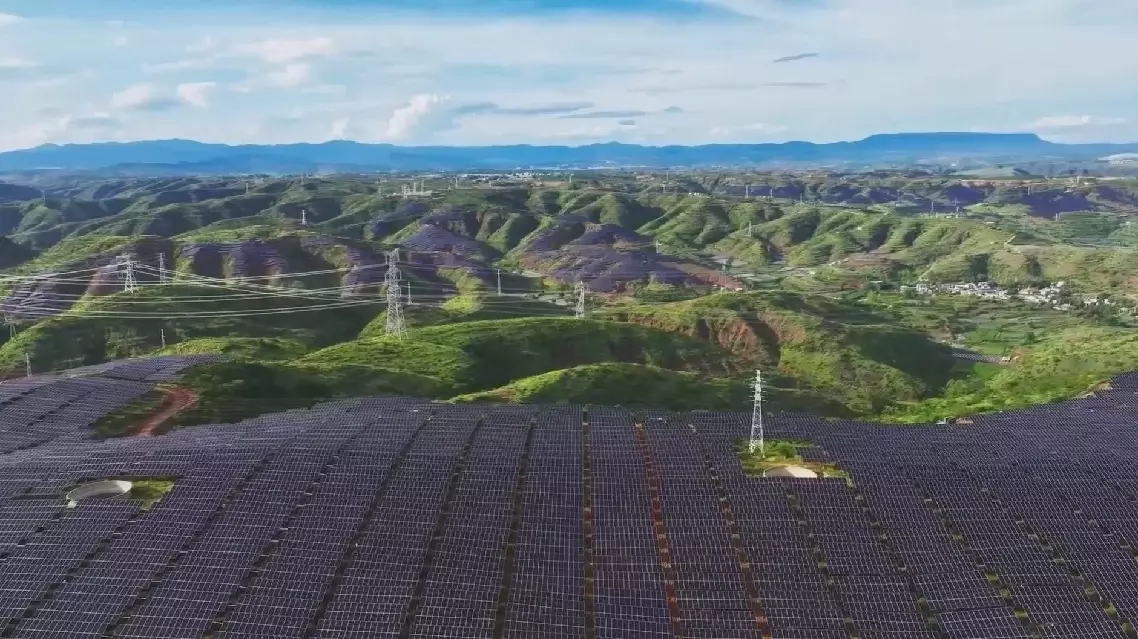
China ensures power supply in H1 in four aspects amid int'l disruptions: spokesman