As China continues to refine its inbound policies for foreign travelers, a growing number of visitors from Germany are expected to arrive in the coming months, according to German tourism business.
Aside from classic scenic spots, immersive experiences rooted in Chinese culture become a major draw for German tourists.
German photographer Eden went to to Beijing in 2012. This year, he plans to revisit the Chinese capital and also tour Shanghai, in order to understand Chinese culture better.
"I wish to meet local cultural and artistic figures, such as photographers, fashion designers and artists, and have chances to chat with them," said Eden.
As for German sinologist Heinrich Geiger, he has been to China multiple times. He believed that calligraphy, Chinese paintings and cooking can all be attractions for foreigners to know better about China.
"I prefer stay in one or two places rather than travel around too many areas. In that way, I can get along with the locals and learn some traditional Chinese crafts," said Geiger.
German business insiders noted that China's visa-free policy for foreign travelers, and easier access to tour services are fueling larger travel demand among German tourists.
"I believe there will be about 500,000 to 600,000 German tourists traveling to China for vacation this year," said Bohland, general manager of a German tour operator.

More Germans developing interest in traveling across China for vacation
The 7.1-magnitude earthquake that struck Japan's Kumamoto Prefecture on July 28 has forced closure of several semiconductor plants and a port.
The death toll from the earthquake reached 36, while more than 9,200 residents remain in evacuation shelters, prefecture authorities said Saturday. Besides, there have been more than 1,500 damaged buildings in Kumamoto, according to the latest statistics.
The factories in Kumamoto, including Sony and Tokyo Electron's facilities, look intact, but still have suspended production as they need time to correct their equipment affected by the powerful quake. It is expected that the production will resume as early as next week.
The quake has also shut down the logistical operations at the prefecture’s Yatsushiro Port, where soil liquefaction and ground collapse have occurred, according to Japan’s Ministry of Land, Infrastructure, Transport and Tourism (MLIT).
As one of the few ports in the kyushu region that can handle dangerous goods such as chemicals and high-pressure gases required for semiconductor manufacturing, the closure of the Yatsushiro Port will not only affect the local semiconductor industry, but may also impact the logistics and transportation of the entire manufacturing sector in Kyushu, according to the local port transportation association.
A comprehensive safety inspection of port facilities is still necessary at present, and it is unclear when the port can resume operations, the MLIT said.
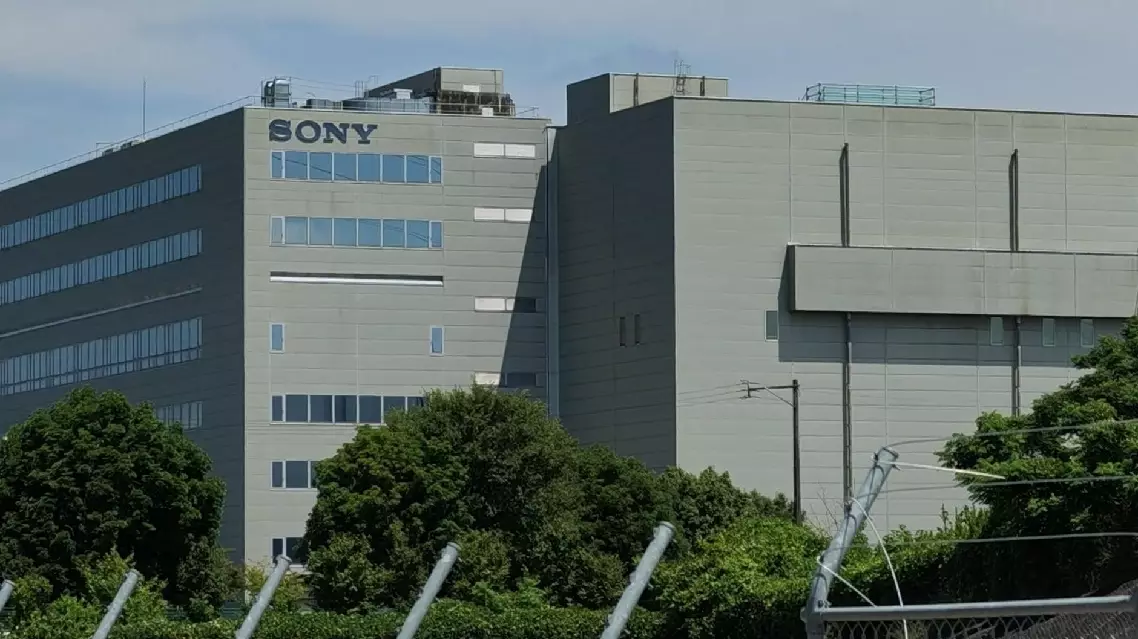
Kumamoto earthquake forces closure of plants, port