The death toll from a powerful earthquake that struck Japan's Kumamoto Prefecture on July 28 has risen to 38, the prefectural government said Sunday.
At a disaster response headquarters meeting held Sunday morning, Kumamoto Prefecture Government officials announced that 38 people had died, including those whose deaths are still being investigated to determine whether they were caused by the magnitude 7.1 tremor.
Yatsushiro City is among the hardest-hit areas. Higaki, a disaster-affected resident, recalled that no warning was issued before the quake struck, and the sudden, violent shaking caught him completely off guard.
"The shaking was incredibly violent, especially the side-to-side motion. And it went on for a very long time. Worse still, we never received the earthquake early warning at all. There was no warning whatsoever. The quake just hit all of a sudden. We have no time to prepare for anything, not even mentally. It started shaking violently out of nowhere. The TV report only caught up later, and they finally started broadcasting that an earthquake had struck Kumamoto. Before that, there really was no warning at all. It was absolutely terrifying," he said.
"What worries me most now is not knowing when the water supply will be restored. On top of that, after going through a disaster like this, you get more and more drained, both mentally and physically. So I just hope I don't get sick from it. That's my biggest fear. Aftershocks keep coming, almost every day, and a lot of them happen at night," said Higaki.
With homes damaged and aftershocks a near-daily occurrence, many residents have abandoned their houses altogether. For many elderly people, the car has become the safer option.
"There's broken glass everywhere in the house, so it's just not possible to stay inside anymore. And since aftershocks keep coming, we can only spend the night in the car. We're getting on in years and can't run anymore, so staying in the car actually feels safer. Now the weather is really hot. It's supposed to reach around 40 degrees Celsius starting next week. If it rains, I'm worried the roof might leak, because there are cracks all over it now," said Takeru Nishimura.
Power and water outages have compounded the hardship. Food, fuel and other essentials ran short in the immediate aftermath, and gasoline has emerged as the most pressing concern for those living out of their vehicles.
"The thing people talk about most right now is gasoline. Whether you're sleeping in your car or going out, you need fuel. But a lot of gas stations are closed or running out of gas. So many people are just gritting their teeth and not driving unless they have to. Since we've basically been living in our cars, the fuel is now completely gone. Maybe gasoline is the hardest part of our life right now," said Akemi Nishimura, another local resident.
Medical care has also come under strain. Nishimura described a desperate attempt to get treatment for a severely injured resident on the day of the quake.
"On the day of the earthquake, some people took a heavy blow to the head and were badly injured. They wanted to go to a hospital, but the hospital in Yatsushiro wouldn't admit patients. Later they went to a hospital in Kumamoto, and after finally making the several-hour trip there, they were told the hospital couldn't take them either. I know the hospitals are struggling too, but I still hope something can be done about the medical situation," she said.
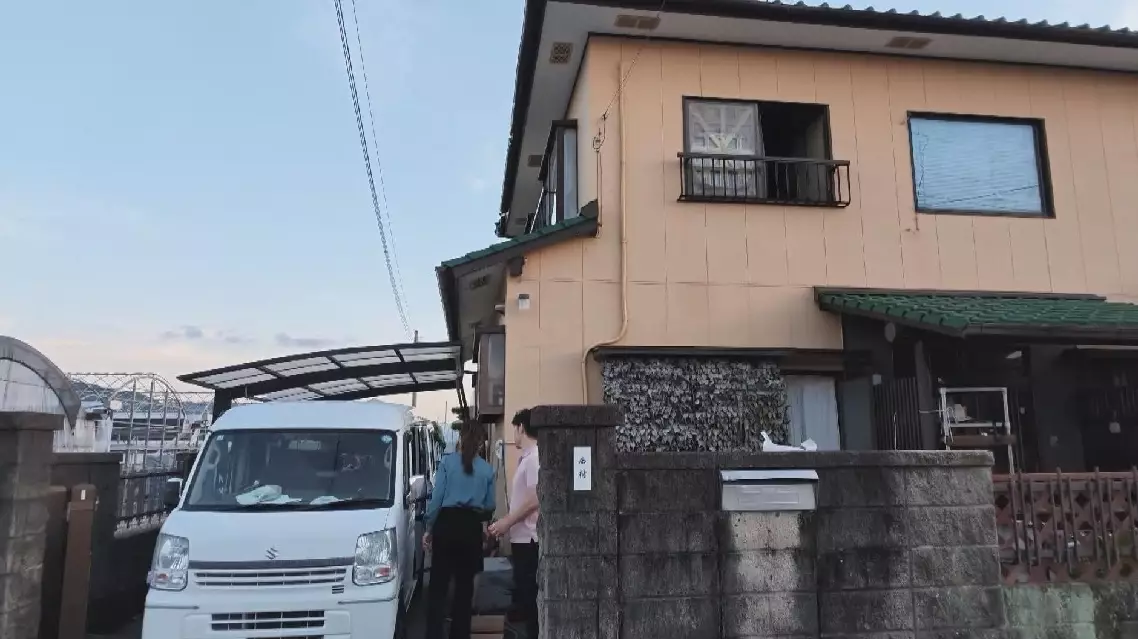
Death toll from Japan's Kumamoto earthquake rises to 38