Hungary is set to power down its Paks nuclear power plant for the first time in nearly half a century, as the Danube River -- which supplies cooling water for the facility -- has fallen to historic low levels, according to Hungarian Prime Minister Peter Magyar.
The Danube has always been part of everyday life for the residents, but these days many people are coming simply to see how much of it has disappeared.
Wide sandbanks now stretch across parts of the river that are normally hidden beneath the water.
"We haven't seen anything like this in our lives. I was born in 1975. We haven't seen such a low-water state yet. And that's why we came to see it, to see it with our own eyes," said Andras Kertesz, a local resident.
The shrinking Danube is also limiting cooling water for the Paks nuclear power plant, which normally produces nearly half of Hungary's electricity.
The plant has already cut electricity production, and if the river continues to fall, all four reactors may have to stop.
For many people, though, the biggest worry goes beyond electricity.
"I have never seen anything like this in my entire life. It's really shocking and very, very sad. I feel like also not just the water that is going, but the ecosystem with it. And honestly, I would like to cry a little bit because of that, because it's not good," said another local.
To ease pressure on the power grid, the government has asked major industries to cut electricity use. State institutions are switching off decorative lighting.
The country's prime minister warned its citizens about the possibility of rotational power cuts across Hungary.
Officials hope the reactors can restart once the Danube rises again, but they say that is unlikely to happen in the coming weeks.
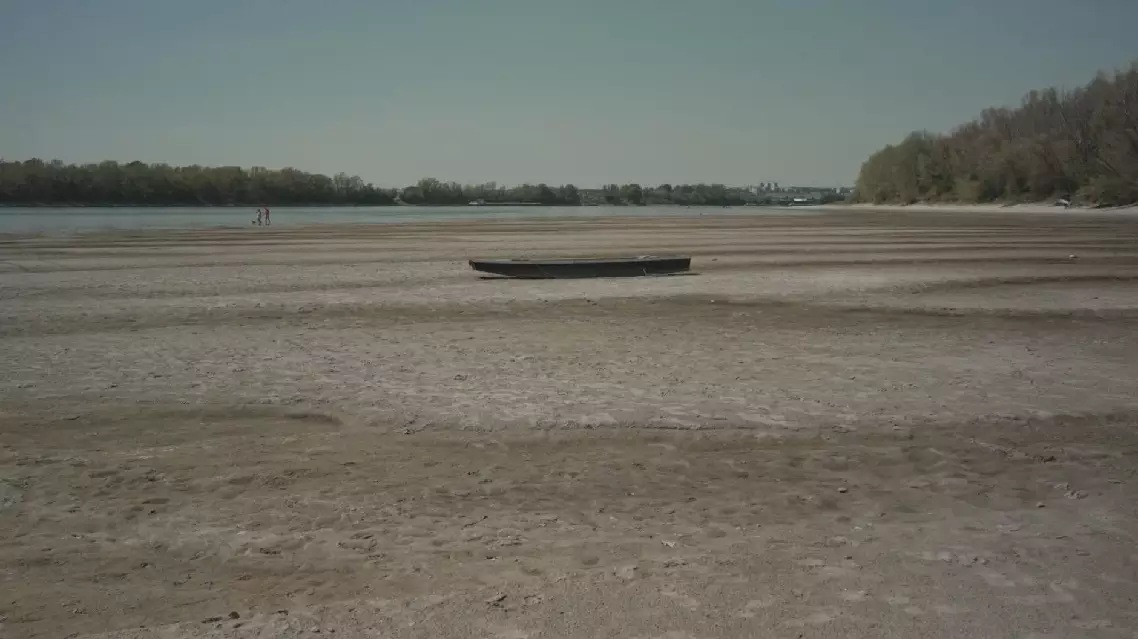
Record-low Danube forces Hungary's nuclear plant shutdown amid public concerns