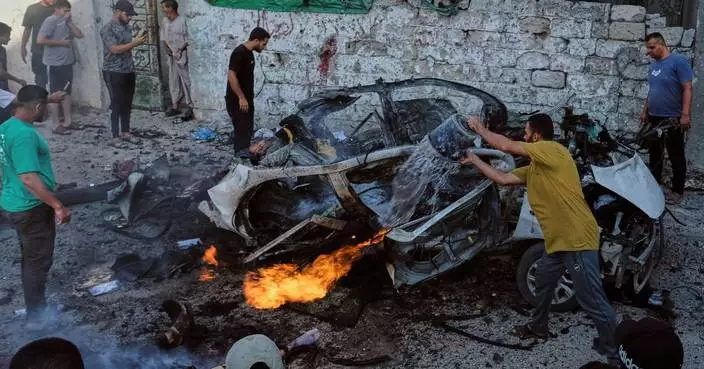
NEW YORK (AP) — Oil prices fell sharply Sunday after President Donald Trump said he would order U.S. forces to hold off on new strikes against Iran, claiming that a deal to end the fighting in the Middle East was near.
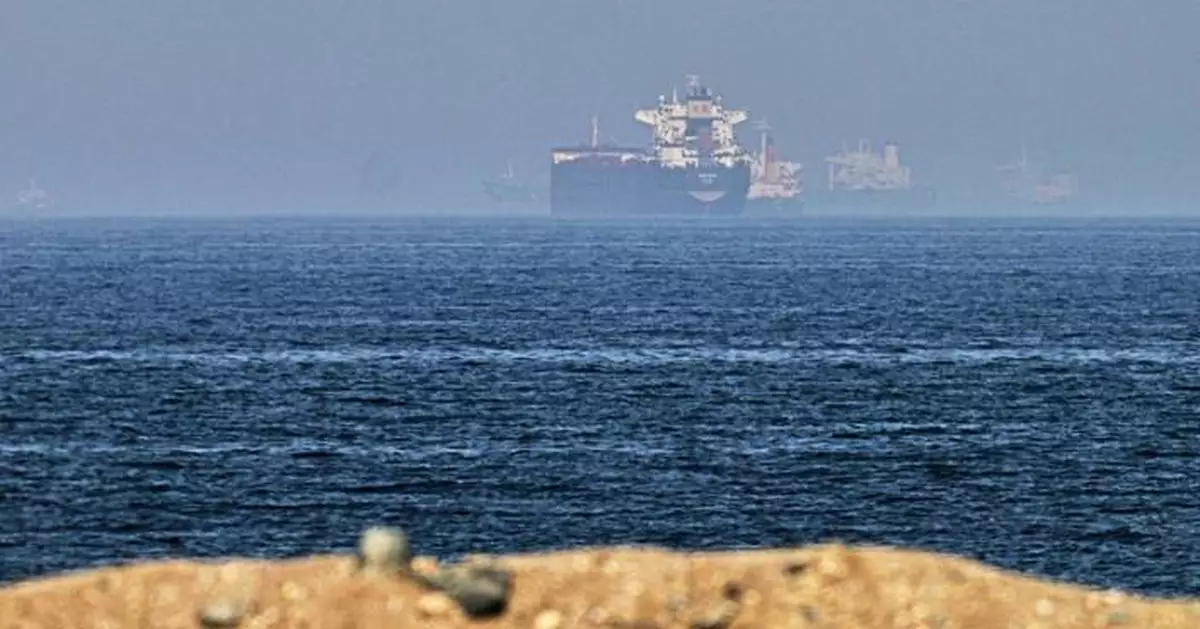
A resolution to the conflict, which has lasted more than five months, could give oil shippers the ability to send vessels out of the Persian Gulf, where tankers of oil and other products have been trapped during the fighting.
The price of U.S. crude oil fell 5% to $80.79 per barrel Sunday night. The price of Brent crude, the international standard, fell 5% to $83.87 per barrel.
Oil prices have been swinging widely since the U.S. and Israel launched attacks on Iran in late February, pushing past $100 per barrel multiple times during the spring.
As the conflict continued, high oil prices seeped into the cost of gasoline, jet fuel and many other products that are delivered using diesel. Motorists have paid more at the pump and customers shelled out more for airfare due to higher jet fuel costs. In some countries, fuel supplies ran low, leading to rationing and sporadic closures of schools and government offices.
Meanwhile, oil and gas companies amassed huge profits in the spring due to the high oil, gasoline and diesel prices that resulted when petroleum shippers couldn't get through the critical Strait of Hormuz, a narrow waterway that borders Iran, due to the fighting.
Prices for U.S. crude oil on Sunday night remained about 20% higher than before the conflict began.
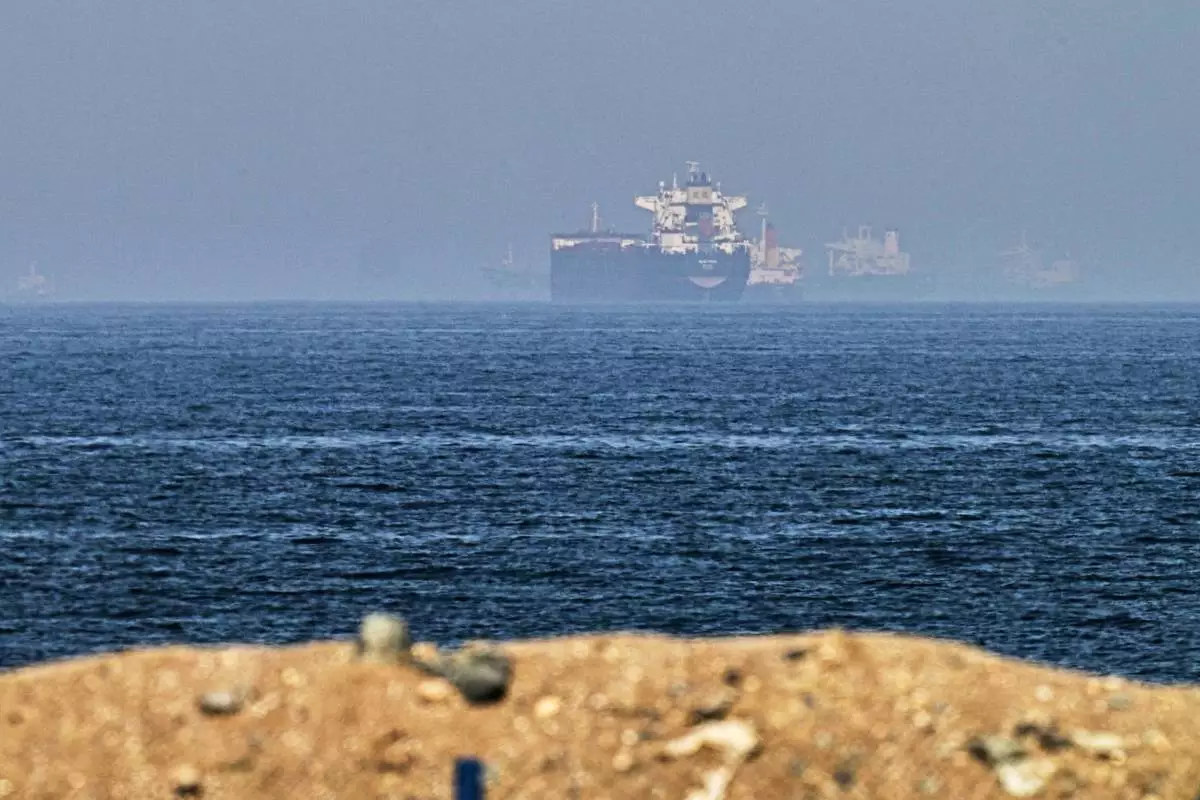
FILE - Cargo ships are seen at sea near the Strait of Hormuz, as viewed from a rocky shoreline near Khor Fakkan, United Arab Emirates, Friday, May 1, 2026. (AP Photo/Fatima Shbair, File)
BUNIA, Congo (AP) — Esther Lutula stopped going for prenatal checkups shortly after the current Ebola outbreak was declared in eastern Congo. Midway into her pregnancy, the 26-year-old feared being put into isolation simply for having a fever, a common misconception.
“That’s why I’m waiting until the disease is no longer widespread,” she told The Associated Press from her home in Bunia, the capital of Ituri province and epicenter of the outbreak declared on May 15.
But that could be a deadly mistake.
Maternal mortality across Ituri soon doubled as news of the outbreak spread, with an average of about six women dying per week due to childbirth complication, according to Noemi Dalmonte, deputy country representative of the United Nations Population Fund in Congo.
While there was an average of 3.1 maternal deaths weekly this year before the outbreak, that jumped to 5.8 deaths from May 25 to July 19. Among those, the deaths outside health centers have also jumped from 9.1% to 17.4% within the same period, UNFPA data shows.
This is part of a series on maternal mortality in sub-Saharan Africa, which has the world’s fastest-growing population and accounts for 70% of global maternal deaths. Around 180,000 pregnancy deaths are recorded every year across the continent.
As Congo battles the fastest-growing Ebola outbreak on record, with more than 1,600 confirmed deaths, health and aid workers are warning of a shadow crisis as pregnant women avoid hospitals and the country's already high maternal mortality rate climbs even more.
While it’s common for Africans to avoid health centers during public health emergencies because of safety concerns, “with Ebola, it is stronger because Ebola has a lot of rumors," Dalmonte said in an interview.
With some wary residents questioning whether Ebola even exists, and health workers in one of Congo’s most remote and volatile regions struggling to respond to the outbreak with few supplies, pregnant women have less care than ever.
Congo's has among the world's highest rates of both childbirths per woman and deaths around childbirth.
Women in the vast central African nation have almost six children on average. At least 19,000 women died from pregnancy complications in Congo in 2023, according to the latest U.N. data, tied with India and second only to Nigeria globally.
Now health workers in Ituri say they are seeing a decline in hospital visits as people worry about the risk of infection. This type of Ebola has no approved treatment or vaccine.
Women in need of care also fear being caught up in violence. Ebola treatment centers have been attacked by residents fueled by misinformation or anger over strict outbreak measures.
At the Bénédicte Clinic in Bunia, the number of women registered for prenatal care has dropped from 60 each month to around 10, said Dr. Sonny Mwembo, the medical director.
Even now, weeks into efforts to battle misinformation, some residents hold mistaken views of the outbreak.
“Right now, if you feel sick and go to the hospital, they say it’s Ebola and they put you in quarantine right away. That’s what scares people,” said Elodie Yabiri, a Bunia resident who is heavily pregnant.
Yabiri said she’s avoiding hospitals as much as she can.
As long as she still feels her unborn child moving, she believes everything is still okay.
The outbreak has strained Congo’s already overstretched healthcare system, complicating access for the pregnant women who still come for prenatal care or birth.
Health facilities in the five affected provinces are redirecting staff and supplies to the response, reducing access to essential maternal care services, according to aid groups.
At least 44 health infected workers have died. Many other health workers have walked off their jobs, protesting the lack of payment. At least 12 attacks have been recorded against health facilities and teams since the outbreak was declared in mid-May.
“We are doing everything we can to make the public understand how dangerous this disease is. We are working day and night without being paid,” said Dr. Ghislain Maneba, an epidemiologist and community investigator in Ituri's Rwampara health zone.
Ebola is rare but highly contagious and severe, often fatal. It spreads in the human population through contact with bodily fluids such as vomit, blood or semen, and with contaminated surfaces and materials such as bedding and clothing.
Women are usually the primary caregivers when a loved one becomes ill. Many are among frontline health workers in this outbreak as well.
Associated Press journalists covering the outbreak have seen pregnant health workers among the responders.
“It is very important that they know how to protect themselves, that they have the right information,” Dalmonte said.
Pregnant women with Ebola are at an increased risk of problems including miscarriage, the U.S. Centers for Disease Control and Prevention has said in its clinical guidance.
Meanwhile, pregnant women who delay care and avoid health facilities “could die not from Ebola itself but because the care that would have saved them was no longer accessible, trusted or safe,” Dalmonte said.
Asadu reported from Abuja, Nigeria.
For more on Africa and development: https://apnews.com/hub/africa-pulse
The Associated Press receives financial support for global health and development coverage in Africa from the Gates Foundation. The AP is solely responsible for all content. Find AP’s standards for working with philanthropies, a list of supporters and funded coverage areas at AP.org.
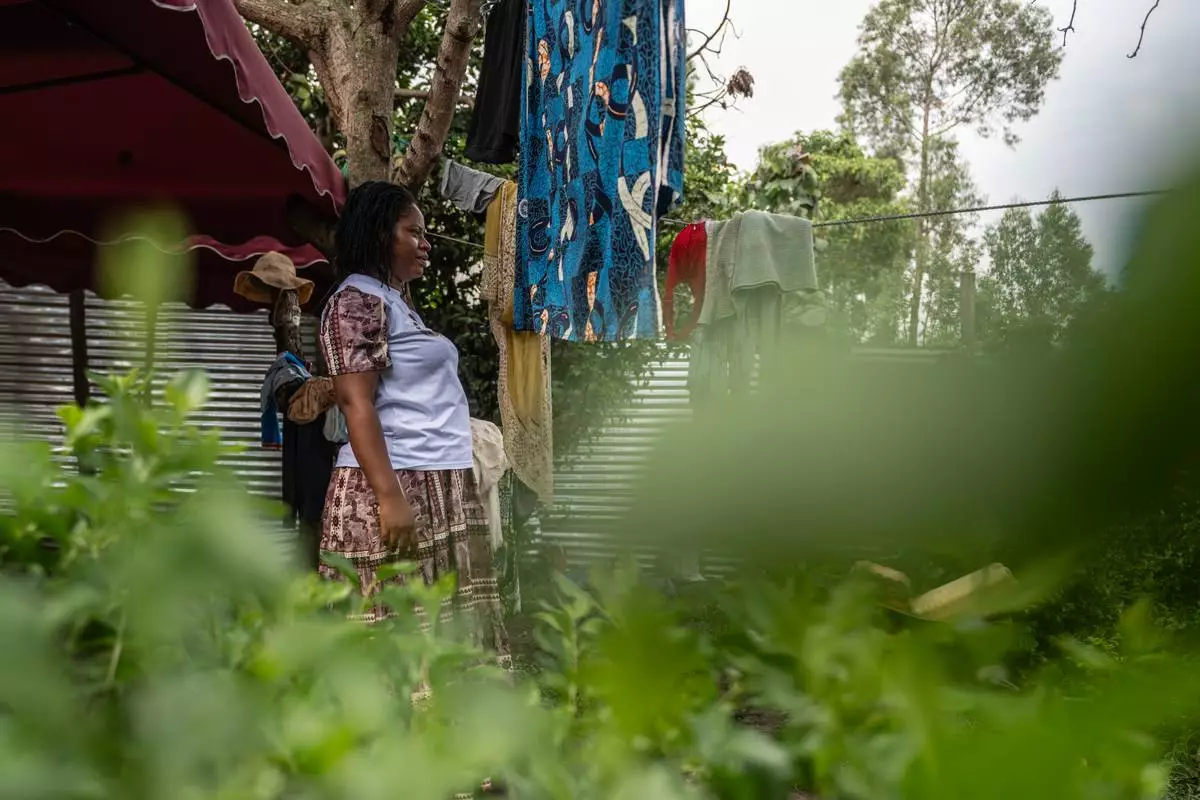
Esther Lutula, a 26 year-old woman who is four months pregnant and a mother of four, who stopped going for prenatal checkups shortly after the current Ebola outbreak, stands outside her house in Bunia, northeastern, Congo, Tuesday, June 16, 2026. (AP Photo/Moses Sawasawa)
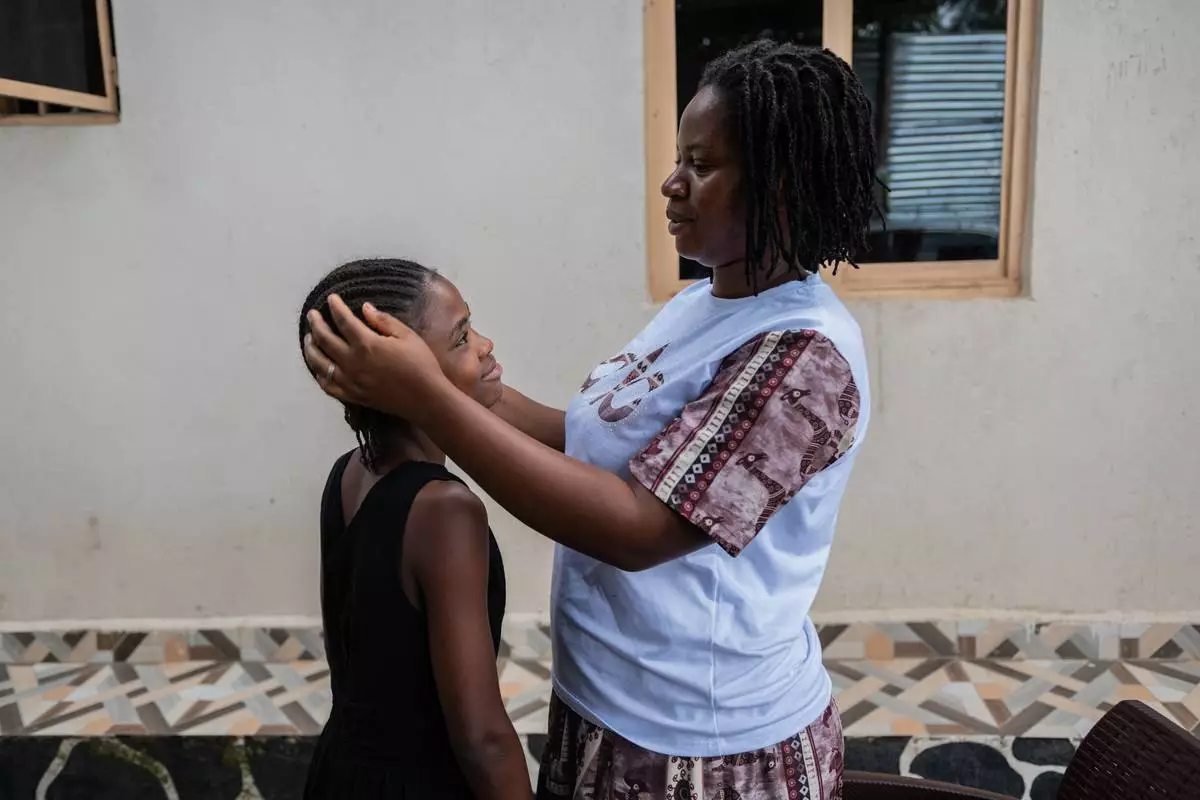
Esther Lutula, a 26 year-old woman who is four months pregnant and a mother of four, who stopped going for prenatal checkups shortly after the current Ebola outbreak, caresses her child outside her house in Bunia, northeastern, Congo, Tuesday, June 16, 2026. (AP Photo/Moses Sawasawa)
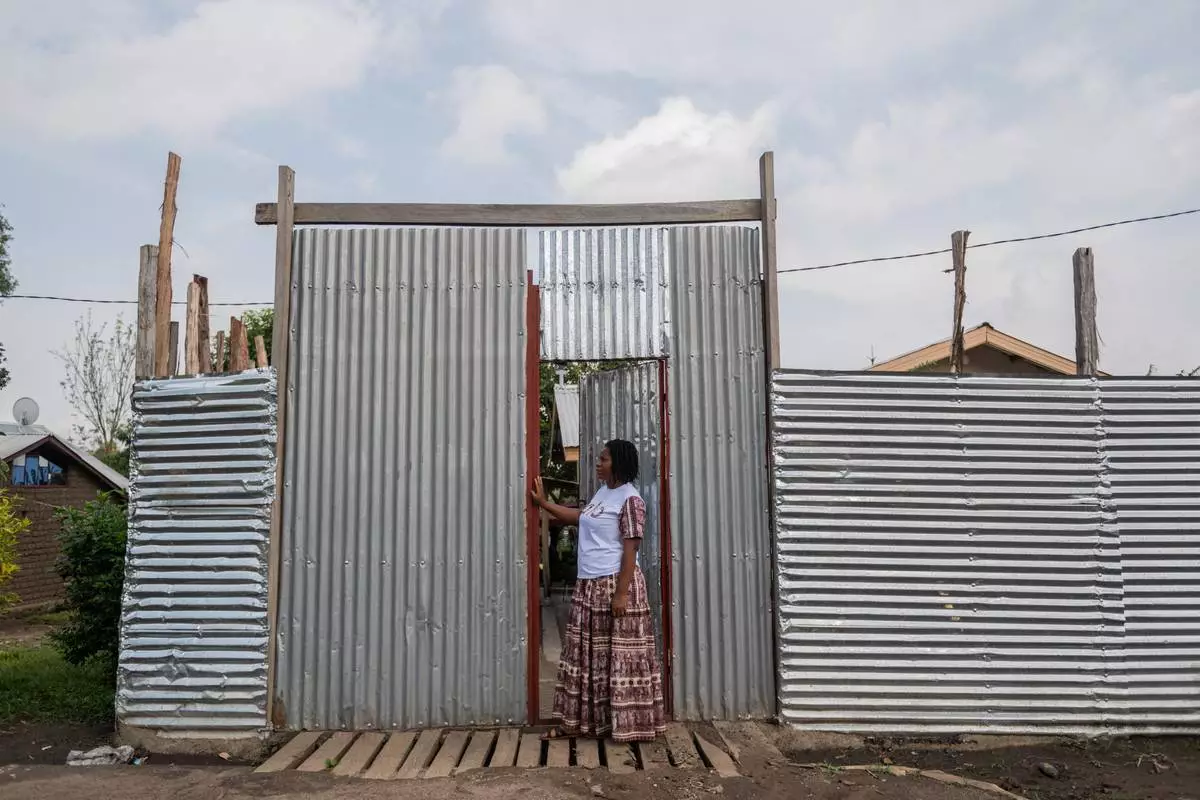
Esther Lutula, a 26 year-old woman who is four months pregnant and a mother of four, who stopped going for prenatal checkups shortly after the current Ebola outbreak, stands outside her house in Bunia, northeastern, Congo, Tuesday, June 16, 2026. (AP Photo/Moses Sawasawa)
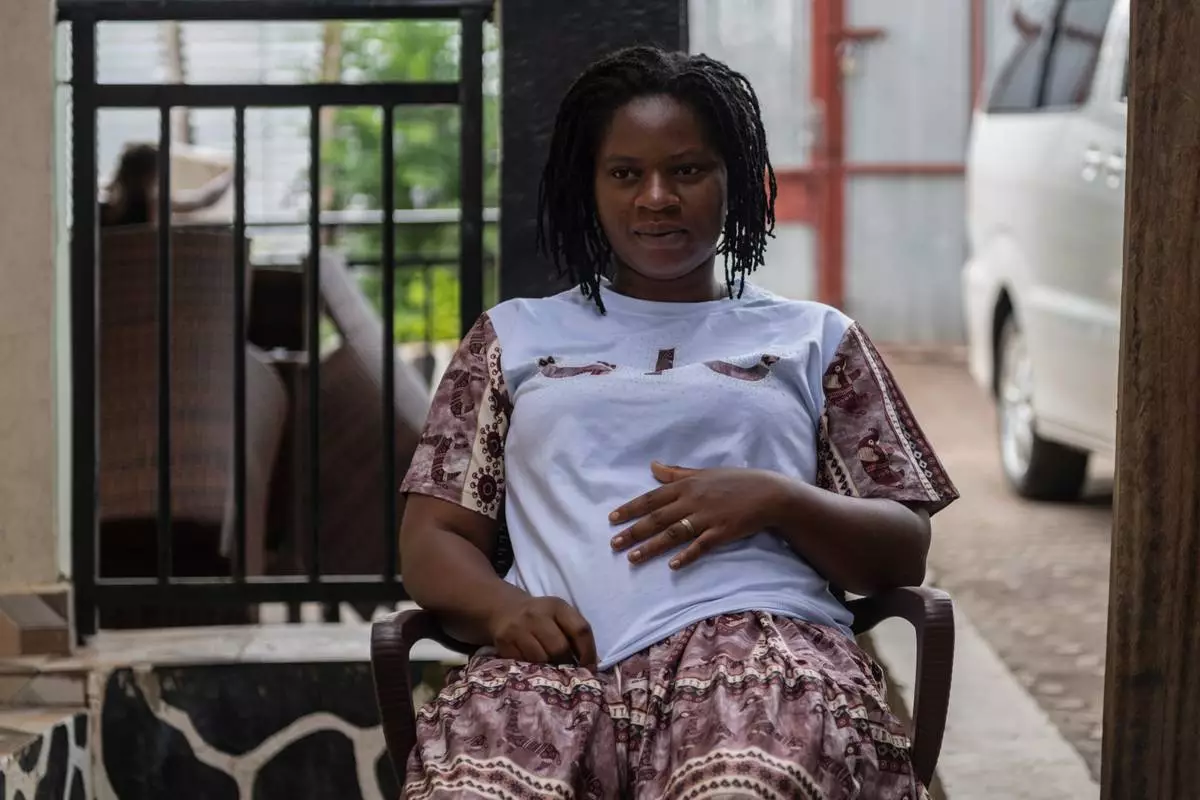
Esther Lutula, a 26 year-old woman who is four months pregnant and a mother of four, sits outside her house in Bunia, northeastern, Congo, Tuesday, June 16, 2026. (AP Photo/Moses Sawasawa)
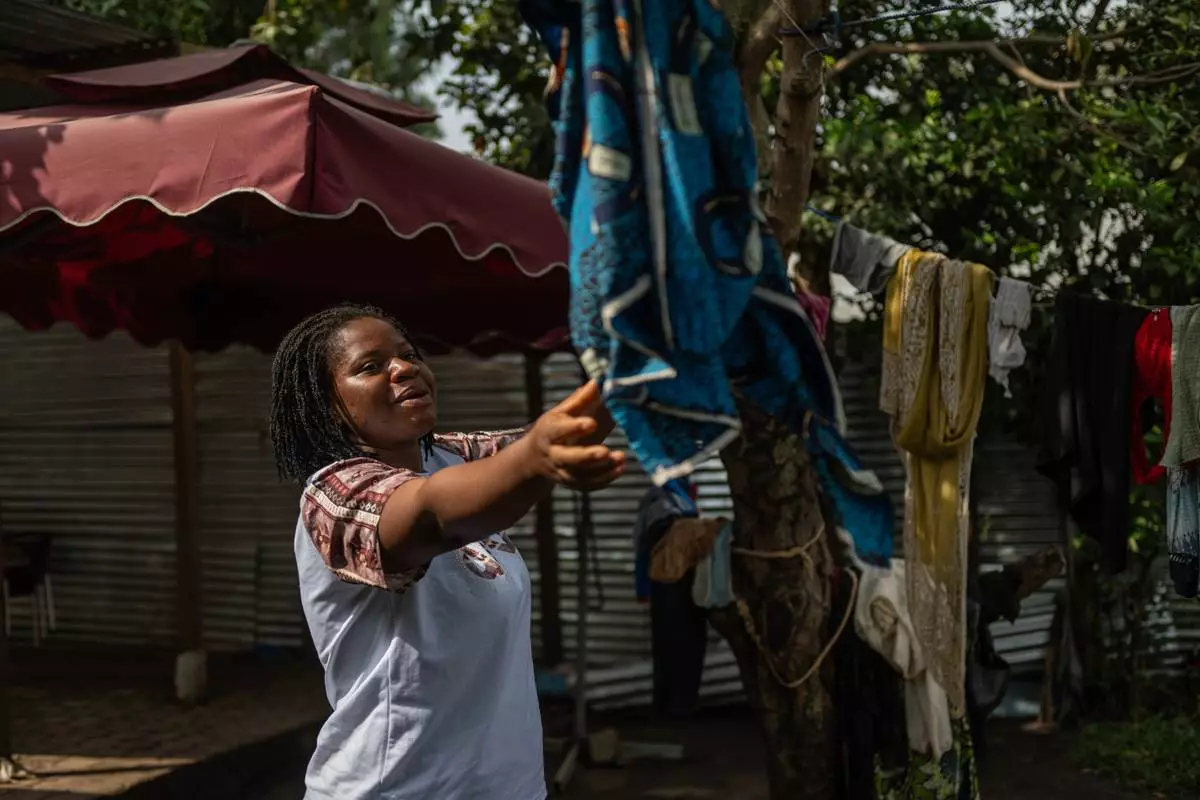
Esther Lutula, a 26 year-old woman who is four months pregnant and a mother of four who stopped going for prenatal checkups shortly after the current Ebola outbreak, does the laundry outside her house in Bunia, northeastern, Congo, Tuesday, June 16, 2026. (AP Photo/Moses Sawasawa)