The African Union has urged member states to strengthen early-warning systems and disaster preparedness as climate models point to a 90 percent chance of an El Nino event in 2026 that could bring extreme weather across Africa.
The call came at an emergency ministerial meeting held in Addis Ababa last week, where officials discussed coordinated measures to limit the event's social and economic impact.
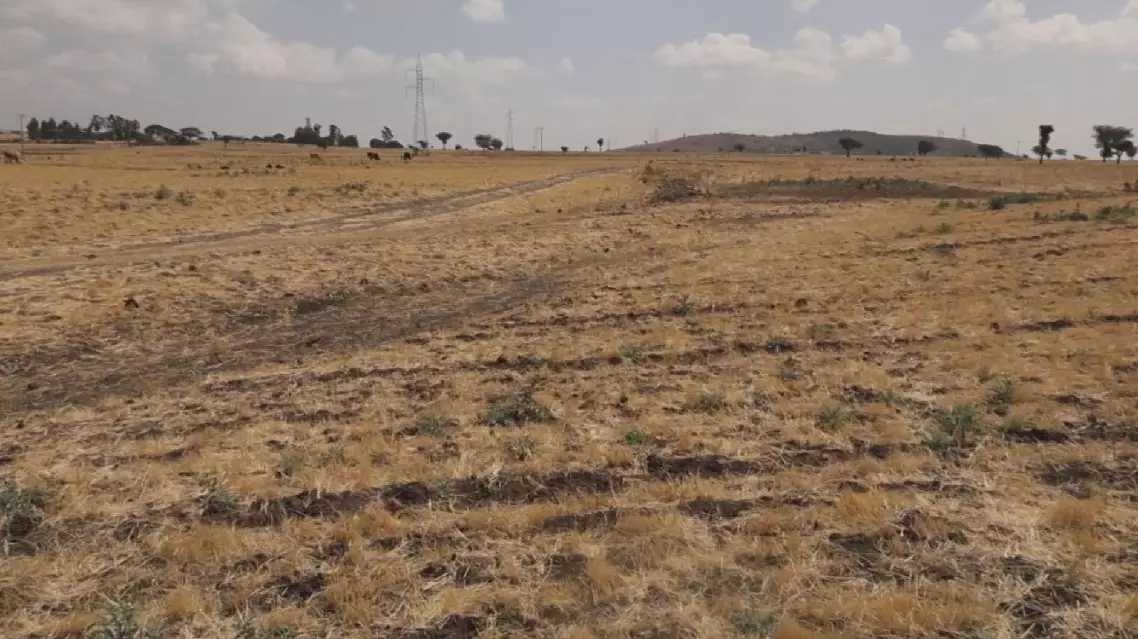
Africa is still recovering from the 2023-24 El Nino, which brought severe droughts and floods, damaged crops and livestock, and left millions facing starvation. Experts warned that the event now developing could rank among the strongest on record, raising the risk of even more severe consequences.
"This El Nino year is very strong, it's the strongest in the last 30 years. We expect the consequences to be very, very strong. We run our model, our climate model, to simulate what will happen. For example, in August, September, November, we will see that El Nino [will likely impact] East Africa, where we are, being more rain than usual. And we expect at the end of the year, going to November, December, January, we will have very [severe] drought, strong drought in southern African countries in general. So that's really what we expect. So it's really harsh. We expect to have a very strong, negative impact [on] the population," said Ousmane Ndiaye, director general of the African Center of Meteorological Applications for Development.
The AU meeting focused on member states' readiness and ways to reinforce early-warning systems. Ethiopia, which is forecast to receive excessive rainfall in the coming months, said it has begun national preparations.
"[Ethiopia has already] started a national level planning involving the concerned stakeholders and responsible ministers to make the necessary preparations to reduce the possible effects of the anticipated El Nino, resulting in flooding and destruction on infrastructure, lives and livelihoods as well. And that will also follow with a prolonged drought situation. So that's already analyzed and identified. So based on that, Ethiopia is going to make the necessary preparations," said Meteku Bedru, adviser to Ethiopia's minister of water and energy.
Harsen Nyambe, director of sustainable environment and blue economy at the African Union, said preparedness levels differed among member states, but the AU was coordinating sector-specific responses.
"Member states are at different levels of being prepared. But in addition to that, at continental level, we have had a meeting where we also brought in users of climate information. And some of them were from the water sector. They also strategized on response measures. We had people from health. They also strategized on how they can deal with issues of diseases and other health risks. And we also had those from the energy sector and so forth. So basically, even agriculture. So we had brought all these together to make sure that they actually prepare their individual sectors to be able to cope with the expected El Nino," Nyambe said.
AU calls for El Nino preparedness across Africa