Hundreds of migrants remain stranded in the Spanish North African enclave of Ceuta, while local residents say they feel abandoned by Madrid, following an unprecedented mass crossing that saw around 60,000 people pour over the border from Morocco on July 30.
At Benitez beach, migrants are seen fighting over food brought by aid workers. Many say they have not eaten in days.
Ashraf Isam, a Sudanese migrant, said he had been starving for three days since he arrived.
"No, three days no food, only water," he said.
While the majority of Moroccans who poured over the border on July 30 have now returned, there are many hundreds, potentially thousands of others here, mostly from Sub Saharan Africa.
The Spanish military continues to round up migrants for transport back to the border, though not all are willing to leave.
"I hope [to] stay in Spain, Not back Morocco. No back," said Isam.
On July 30 many swam around Spain's border fence in unprecedented numbers.
The Spanish government has blamed migrant-smuggling networks for orchestrating the surge. Moroccan officials, meanwhile, pointed to viral social media posts that falsely promised open borders and free passage to the European Union. Those who risked their lives discovered only hunger and rejection. Most voluntarily returned.
For local residents, the episode has left deep scars and they feel that they have been abandoned by the Spanish government. "We're still in a total state of shock. We're overwhelmed. Our neighborhoods are full of people. We don't even know who they are," said a local named Miriam Dos Santos.
"It was painful to see our city attacked like this. We felt alone and abandoned by the rest of Spain," said another local named Estela Jimenez.
"We've had three sleepless nights in fear of what might happen, if they were going to try and break into our house, and we [they] have had entry attempts," said Lazlo Cardos, a local resident.
"Ceuta is a small city in North Africa. They never take us into account. We feel abandoned. That's the word," said another local resident named Natalia Moya.
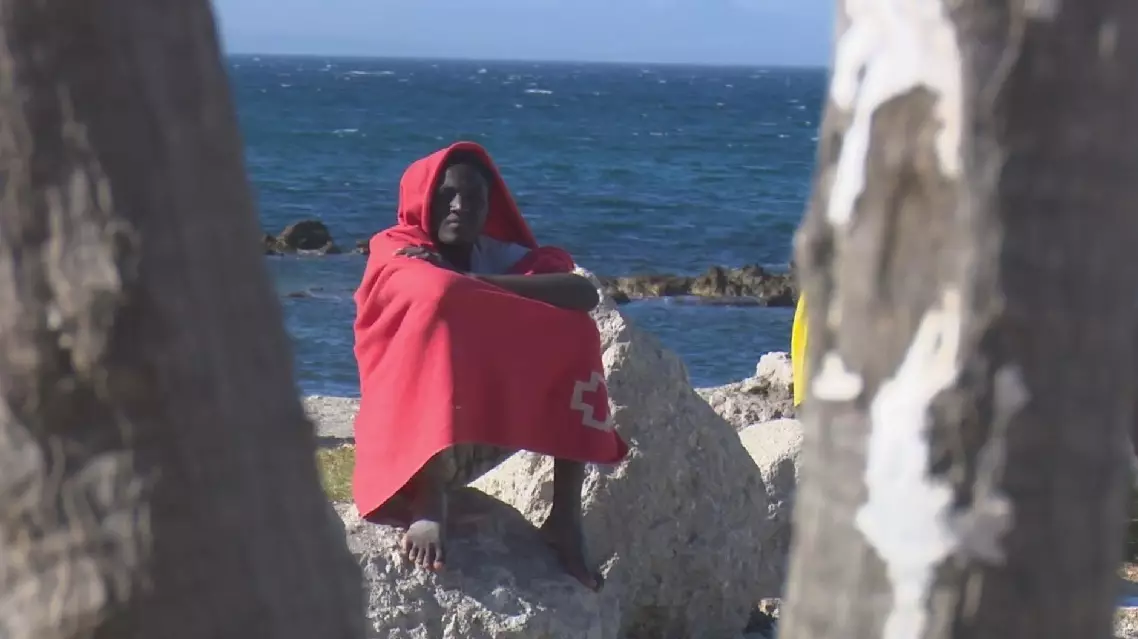
Hundreds of migrants remain stranded as Ceutans feel abandoned by government