Shanghai handled 253,000 departure tax refund transactions in the first half of 2026, ranking the first nationwide and posting a nearly 300 percent year-on-year increase.
In the January-June period, the city's total sales of goods eligible for tax refund stood at 2.3 billion yuan (about 340 million U.S. dollars), up 58 percent from a year earlier.
Both the volume of refund applications and the total sales value accounted for roughly 40 percent of the national total, cementing Shanghai's position as the country's top destination for departure tax refunds as the vitality of inbound consumption continues to unfold.

Shanghai tops China's departure tax refund claims in Jan-June

Shanghai tops China's departure tax refund claims in Jan-June
In a significant move to bolster the yen, the Bank of Japan reportedly intervened in the currency market last week, utilizing approximately 87 billion U.S. dollars, or 11 trillion yen, according to Bloomberg on Monday.
This intervention took place on July 30 and 31, with estimates indicating the central bank spent 53 billion U.S. dollars and 34 billion U.S. dollars, respectively.
The yen has struggled so far this year, reaching a low of 164 to the U.S. dollar on July 30, marking its weakest level since 1986.
In response to the ongoing volatility, Japanese Finance Minister Satsuki Katayama announced that the ministry engaged in coordinated yen-buying efforts with the U.S. Department of the Treasury late last week.
The yen-buying operations from Thursday night through Saturday morning, Japan time, marked the first coordinated market intervention by Tokyo and Washington since 2011, when the yen surged following the Great East Japan Earthquake.
Katayama said both countries "will not hesitate to conduct a further joint intervention."
Following the monetary actions, the yen briefly strengthened, rebounding to the lower 155 yen range against the U.S. dollar on Monday morning, achieving its highest level in nearly three months.
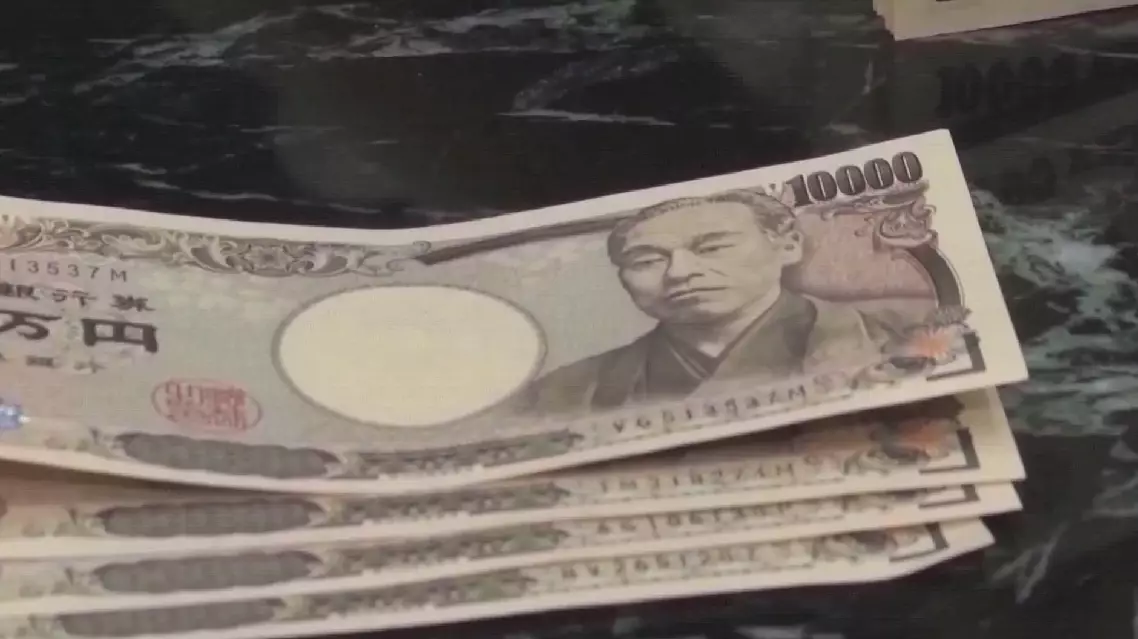
Bank of Japan spends 87 billion U.S. dollars to support yen amid currency weakness