Japan's accelerating military buildup signals a shift from a defensive to an offensive posture, a change that could reshape regional security, according to Professor Warwick Powell.
Powell, an adjunct professor at Queensland University of Technology in Australia, is among a growing number of Japanese and overseas academics warning that Japan has abandoned its postwar defense stance and is repositioning itself as a power projector across the region and beyond.
He voiced his concerns when commenting on Japan's newly released annual defense white paper in an interview with China Global Television Network (CGTN).
The white paper, presented to the Japanese cabinet on Tuesday by Defense Minister Shinjiro Koizumi, retained the wording of the 2025 edition, claiming that the international community is facing its greatest challenge since World War II and has entered a "new era of crisis."
The document is widely seen as an effort to pave the way for revising Japan's three key security documents by the end of this year and accelerating its military buildup. It is considered part of a broader pattern under the current administration led by Prime Minister Sanae Takaichi, which has already increased defense spending, lifted restrictions on weapons exports, and launched its first post-WWII centralized intelligence infrastructure.
Powell said the document's release is in line with Japan's most significant and dangerous shift in defense and security policy in decades, which could have serious ramifications for the region and beyond. The scholar expressed particular concern over Japan's shift from a defensive to an offensive military posture.
"The Japanese administration has, in a sense, put the final touches on a decades-plus-long effort by various political forces domestically as well as supporters around the world to salami-slice in the first instance the defense-oriented constitutional arrangements and the constraints and limitations, but ultimately with a view to taking off the mask and rejuvenating a militarized Japan in the name of defense and domestic prosperity," said Powell.
"When you have the second largest economy in the region, essentially putting on the military uniform once again, not only in the name of defense, but clearly with a view to projecting power across the region and perhaps even across the world -- that's a concern to people everywhere," Powell added.
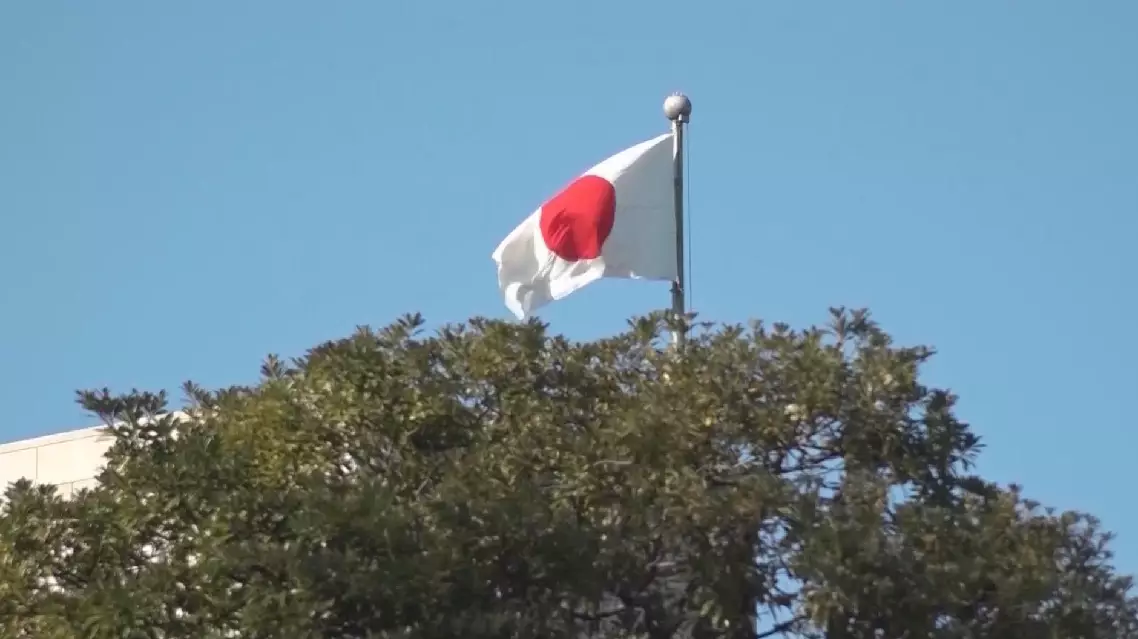
Japan's remilitarization alarms scholars over regional security risks