Skip to Content Facebook Feature Image

Iran's president says Tehran favors dialogue, but won't be forced to surrender

China

China

China

Iran's president says Tehran favors dialogue, but won't be forced to surrender

2026-08-08 11:22 Last Updated At:14:07

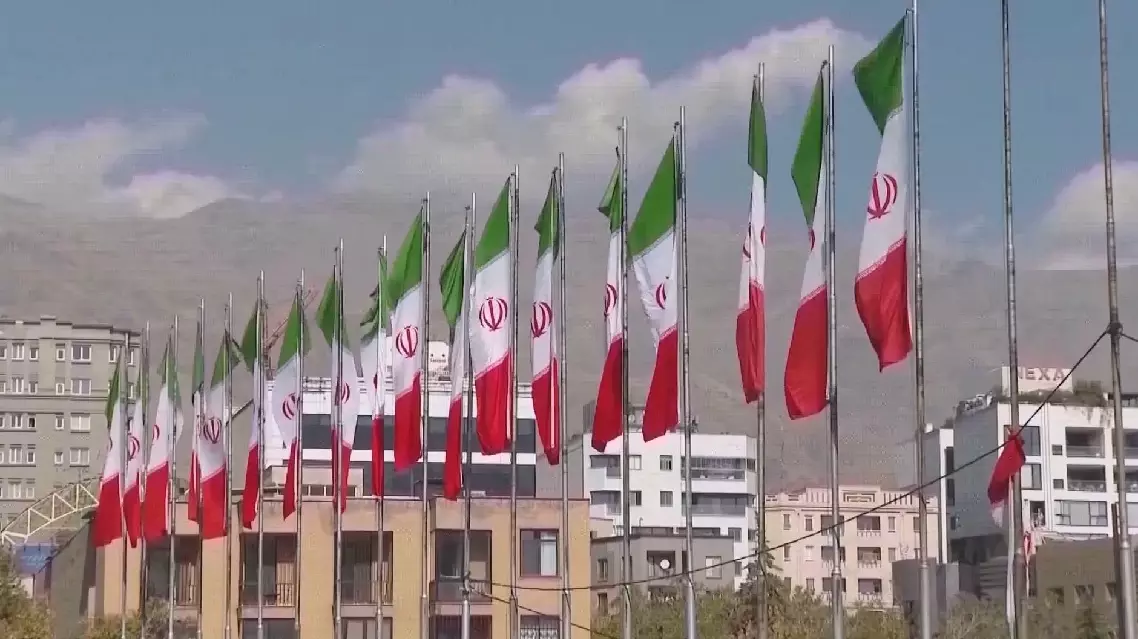
Iranian President Masoud Pezeshkian has reaffirmed his country's commitment to pursuing dialogue for safeguarding its rights while highlighting that Tehran will not be forced to surrender.

In a televised address marking two years in office, Pezeshkian defended his administration's decision to enter negotiations with the United States and sign the memorandum of understanding (MoU) on ending the war.

Iran and the United States signed the MoU in June, under which the two sides were scheduled to hold negotiations within a 60-day period to reach a final agreement.

Pezeshkian said Iran made no concessions in the talks on the ceasefire memorandum, and that the ceasefire agreement was originally set to be signed by U.S. President Donald Trump to ensure compliance, but the U.S. side completely changed its stance in less than 24 hours.

Iran remains committed to its obligations as long as the United States fulfills its commitments under the MoU, Pezeshkian said, adding, "Wherever they fail to fulfill their commitment, we have no obligation to continue."

On diplomacy with Europe, Pezeshkian said Iran had reached an understanding with France during negotiations aimed at preventing the snapback mechanism, but the United States did not allow it.

Europe lacks the authority to make independent decisions, he said.

On Iran's relations with its neighbors, Pezeshkian warned that the U.S. and Israel were seeking to drive a wedge between Iran and other Persian Gulf countries during the latest conflict.

He stressed that Iran does not intend to attack other countries, seize territory or expand its borders, but will resolutely defend its national sovereignty and security.

The U.S. military used its bases in these countries to launch attacks on Iran, and Iran was forced to take self-defense action, he said, calling on Islamic countries to strengthen solidarity and trust.

Pezeshkian rejected claims that there were disagreements between the government and the armed forces, saying a tightly coordinated stance of the government, parliament, judiciary, and armed forces successfully thwarted foreign adversaries' predictions that Iran's regime would collapse.

The Iranian president also denied rumors that he was intending to resign, saying he would not back down from serving the Iranian people.
Iran's president says Tehran favors dialogue, but won't be forced to surrender

Iran's president says Tehran favors dialogue, but won't be forced to surrender

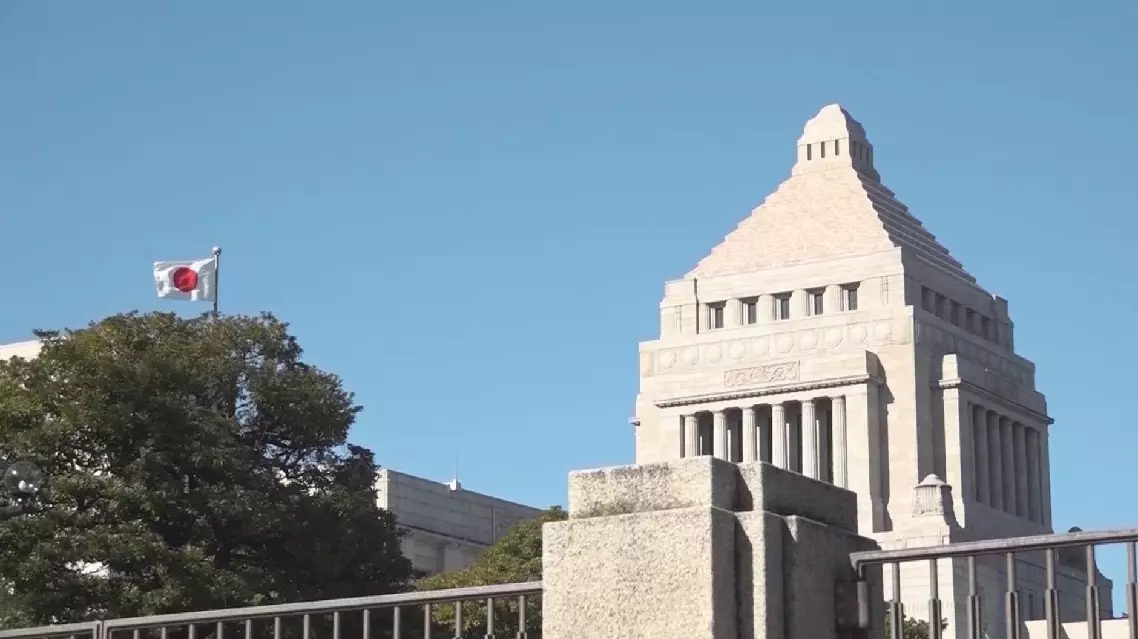
Japan's latest Defense White Paper hypes up the so-called "China threat" as an excuse to pursue its largest military expansion since World War II and break away from its long-standing exclusively defense-oriented policy, a Chinese analyst said on Thursday.

This year's white paper was released on Tuesday. The document continues to use the same security narrative outlined in Japan's 2022 National Security Strategy, which identified China as its biggest strategic challenge.

In an interview with China Global Television Network, Xu Yongzhi, an associate research fellow at China Institutes of Contemporary International Relations, noted that the document lays the groundwork for revising Japan's three key security documents later this year and accelerating its military buildup.

"With this positioning, Japan is like nothing but a thief crying 'stop thief'. In 2026, it plans to further revise its three key security documents. As we know, it's almost certain that Japan will further increase its defense spending and strengthen its military capabilities in new areas," Xu said.

The expert points out that a key change in this year's white paper is that Japan has provided more details on the deployment and development of offensive weapons, while dedicating a new section to the military application of AI and unmanned systems.

"Japan aims to send three signals to the outside world. First, its offensive weapons will achieve operational capability in a relatively concentrated period over the next two or three years. Second, the scale of these capabilities is considerable. Third, Japan is demonstrating that it has the ability to use such weapons," he said.

Xu added that Japan's latest moves are closely tied to its alliance with the United States.

"A key feature of the U.S. national security strategy and national defense strategy is that the United States expects its allies to take on greater, or even primary responsibility for intervening in regional affairs. Japan's actions are actually in line with this strategy," he said.

Japan uses 'China threat' narrative to justify its military expansion: analyst

Japan uses 'China threat' narrative to justify its military expansion: analyst

Recommended Articles